
LATEST POSTS
-
Strawberry Row Covers, Spider Mites, and Predatory Mites
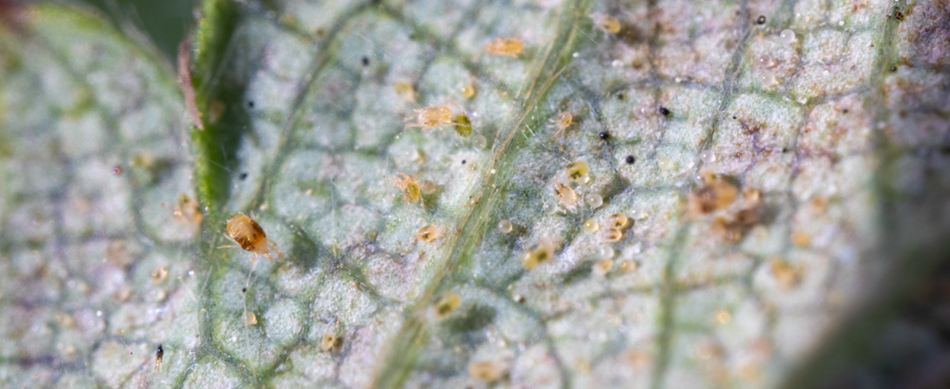
Tom Bilbo, Extension Entomologist “How are row covers affecting my spider mite pest problems?” There is a short and easy answer to this question: we don’t really know. I will be submitting a research grant proposal to tackle this problem and if you are interested in lending your support please read until the end on
-
Question of the Week – Goumi Berry
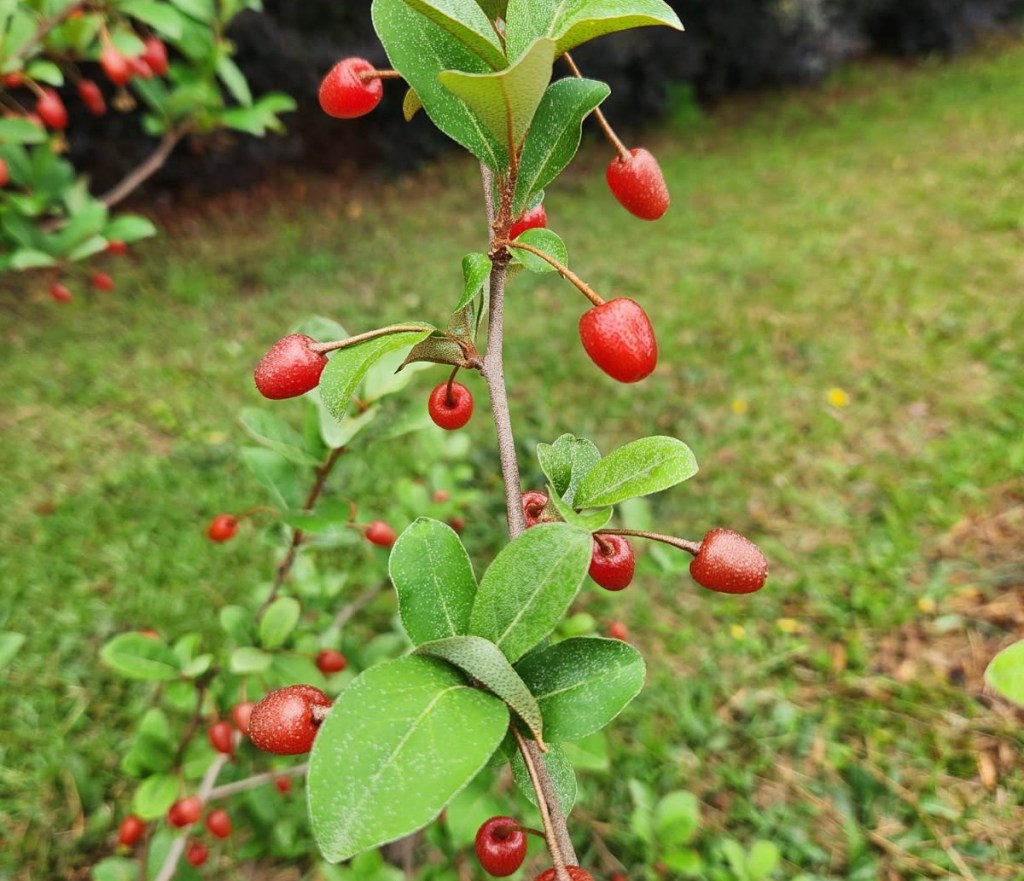
What kind of fruit is this? This unusual fruit is a goumi berry (Elaeagnus multiflora). Goumi berries are native to Asia and have a sweet and somewhat tart flavor that has been compared to rhubarb. The berries are harvested in the summer and are best used fresh, as they are fairly soft and do not
-
Hold Off on Second White Mold Sprays in South Carolina
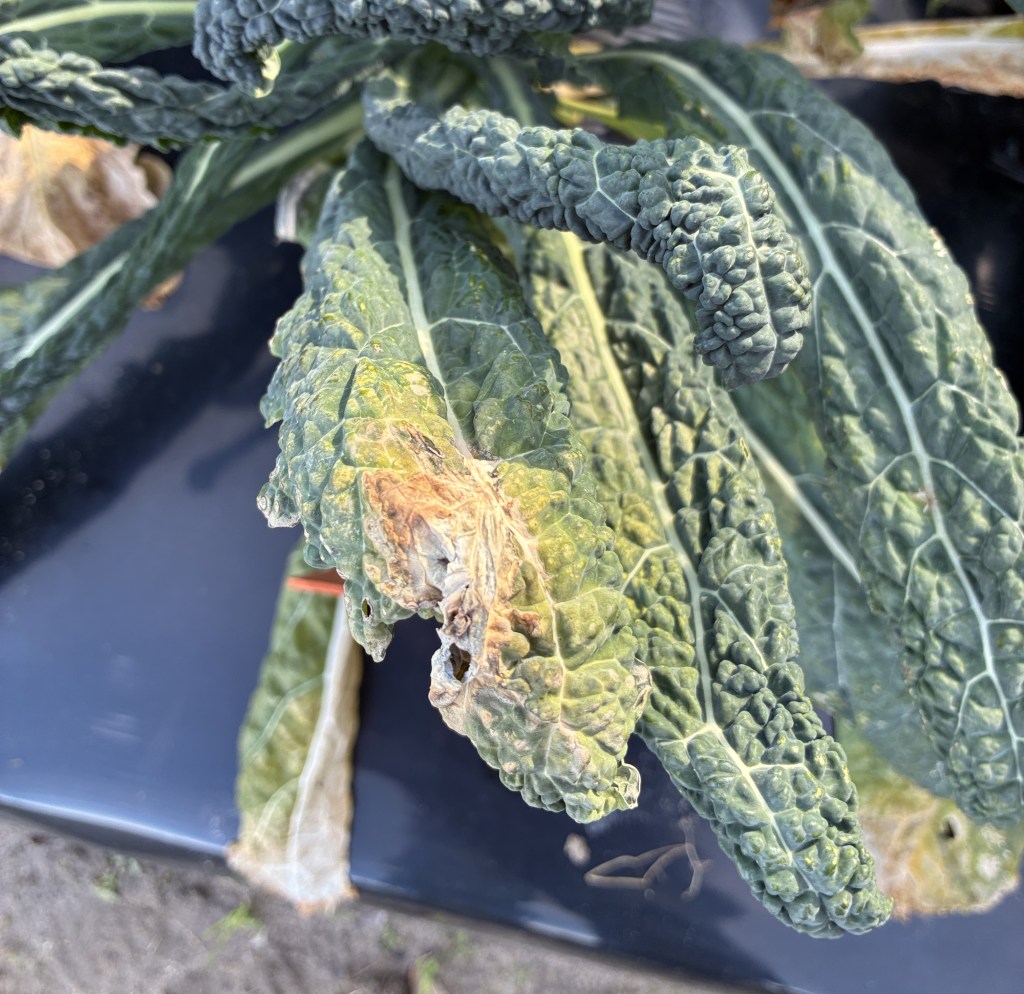
From Tony Keinath, Clemson Extension Plant Pathologist Last week, I advised South Carolina brassica growers to spray brassica crops to protect them from white mold, based on symptoms seen on kale and stock, a brassica winter annual, in Charleston. The initial symptoms were triggered by the cold temperatures of Dec. 16 and 17 that completed
-
Weekly Field Update – 1/26/26
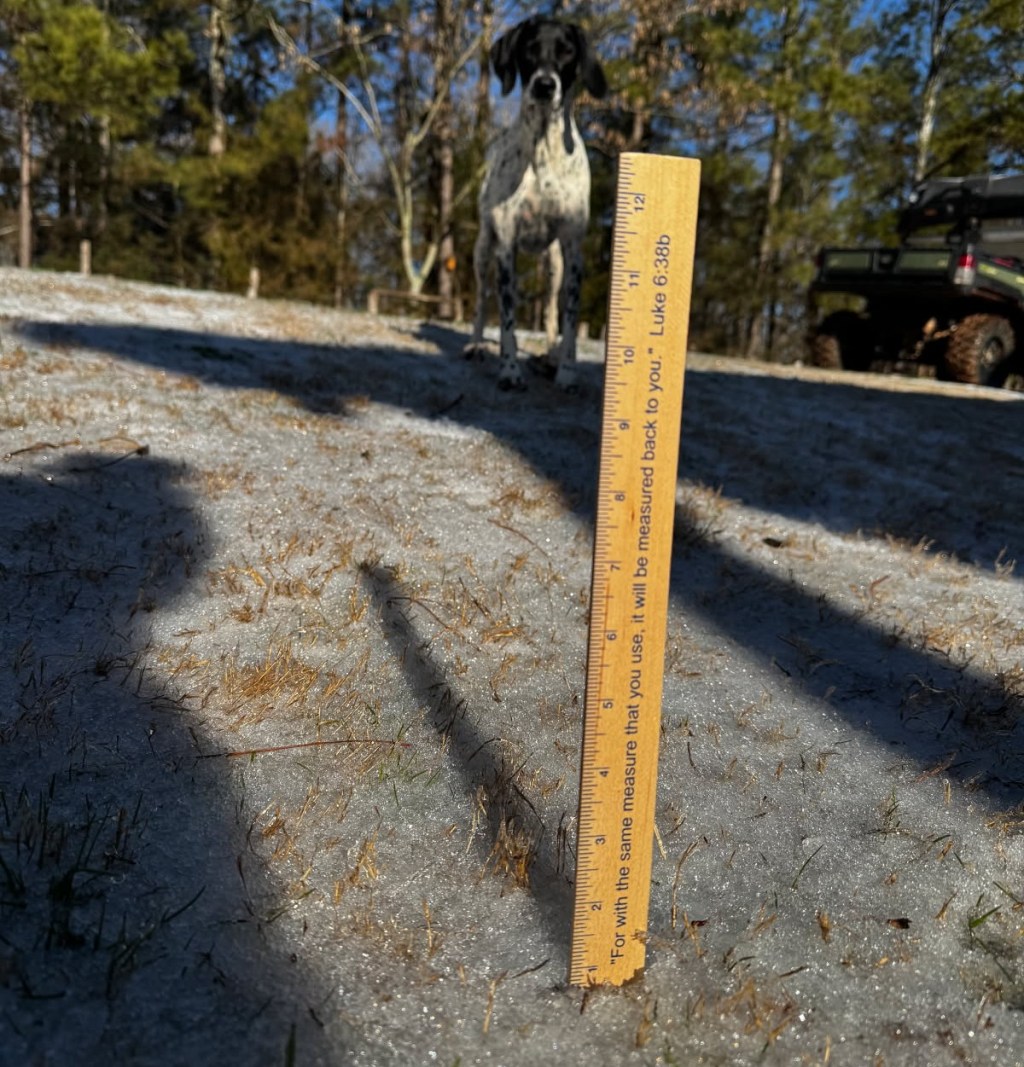
Sunday (1/25) brought a mixture of rain, snow, and ice to a large portion of the state. Cold weather is in store for the entirety of this week. Lots of strawberries are covered and blueberry growers are running overhead frost protection on early varieties. See details below. Keep an eye on the Upcoming Events tab
-
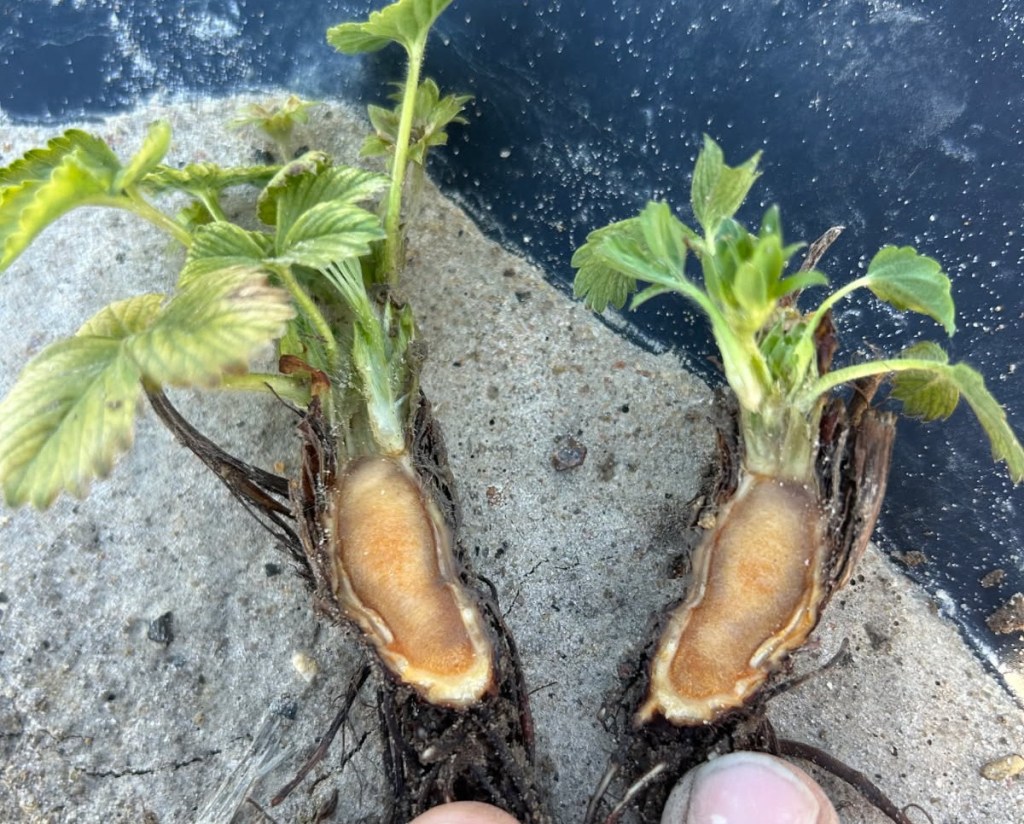
Considerations for Upcoming Winter Weather
From Justin Ballew, Andy Rollins, and Zack Snipes Recent cold weather reached temperatures low enough to damage strawberry plants in some parts of the state. On 1/16, we saw temperatures as low as 20 degrees (F) in the Midlands and 14 degrees (F) in the Upstate. Dormant strawberry crowns begin to experience cold damage around
-
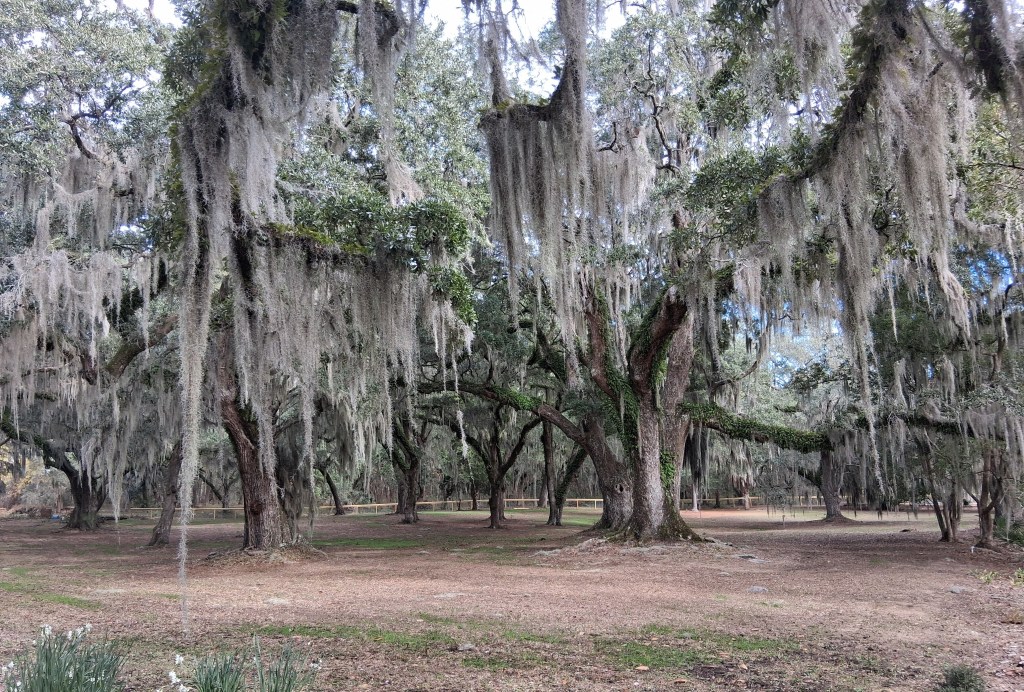
Question of the Week – Spanish Moss
What year did the Spanish introduce Spanish moss to North America? This week’s question was a trick, as Spanish moss is neither Spanish nor a moss. Spanish moss (Tillandsia usneoides) is a flowering epiphyte (a plant that grows on another plant, but is not parasitic) that is native to the Southeastern US and parts of
 The South Carolina Grower