
LATEST POSTS
-
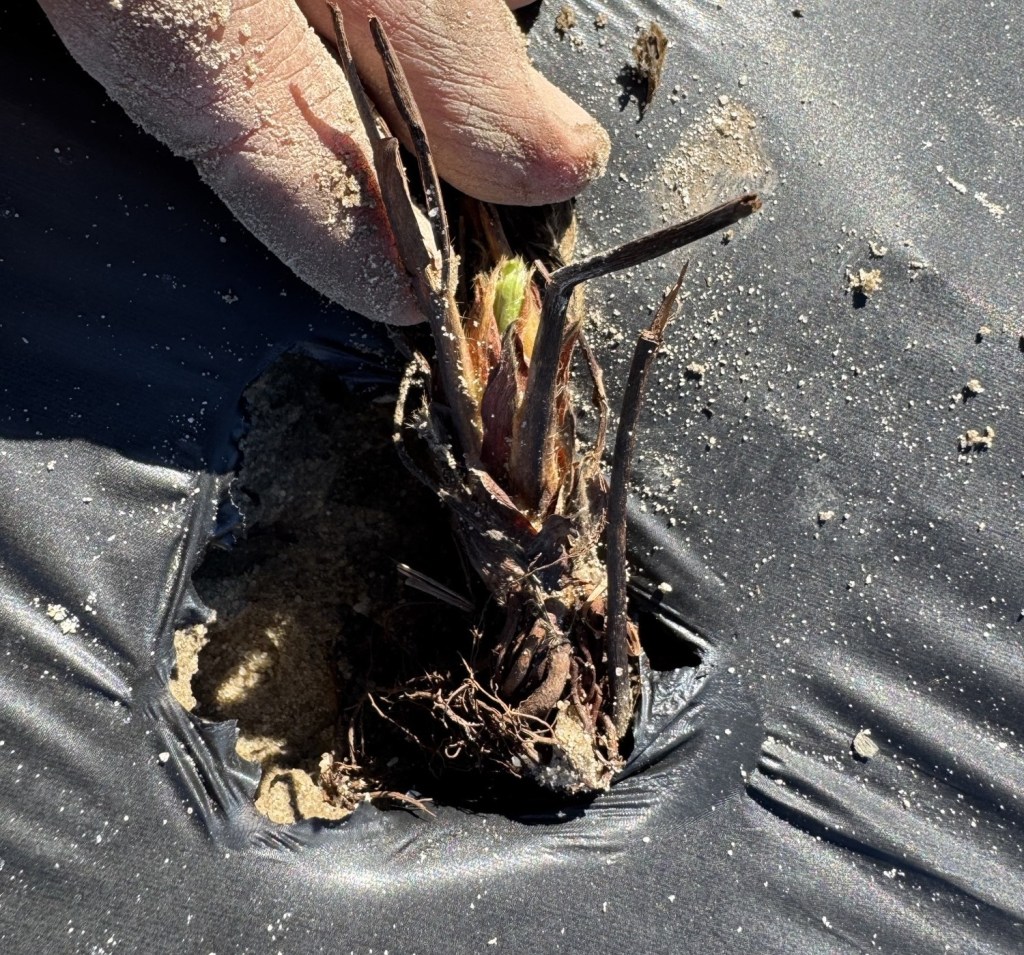
South Carolina Field Update (October 19, 2026): Strawberry Planting Continues
Strawberry planting continued last week and should start to wrap up this week. The weather so far has been great for planting, though growers should be cautious about plants drying out since we don’t have much moisture in the forecast. Other fall crops are looking great. Key Takeaways for Growers This Week Strawberry planting continues…
-
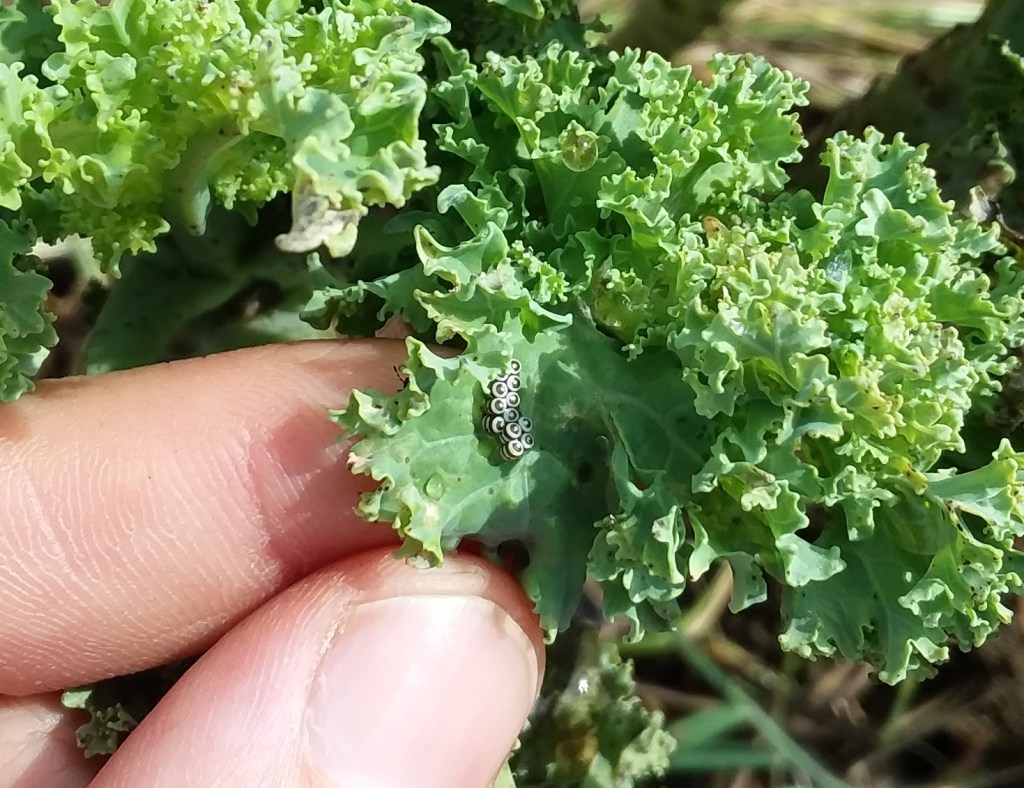
Question of the Week – Harlequin Bug
Which insect laid these black and white barrel-shaped eggs? These are the eggs of a harlequin bug (Murgantia histrionica). Harlequin bugs are members of the stink bug family that feed primarily on brassicas, such as collards, kale, cabbage, and broccoli, as well as weeds like wild mustard, bittercress, pepperweed, and shepherdspurse. Like the eggs, adults…
-
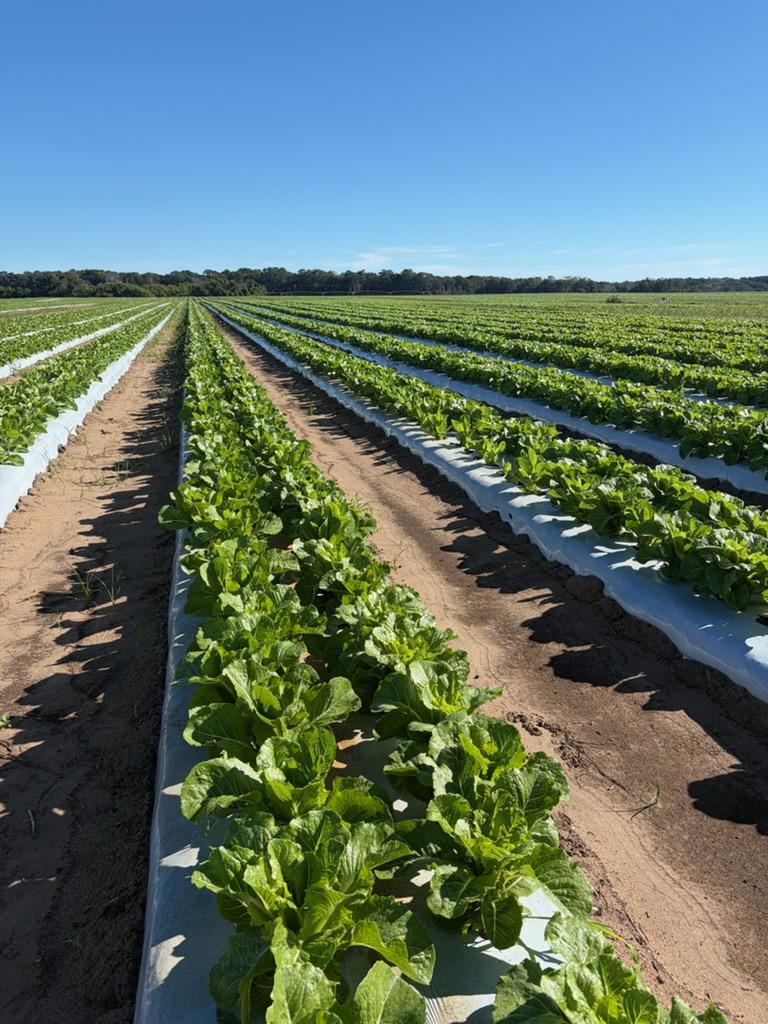
South Carolina Field Update (October 19, 2026): Fall, is that you?
Cooler temperatures have arrived and the break from the heat is welcomed. Armyworms and fire ants are on the rise so keep an eye out for pests and act quickly if you find either in your fields. New training resources for strawberry planting crews were published recently, including English and Spanish-language planting videos. Key Takeaways…
-
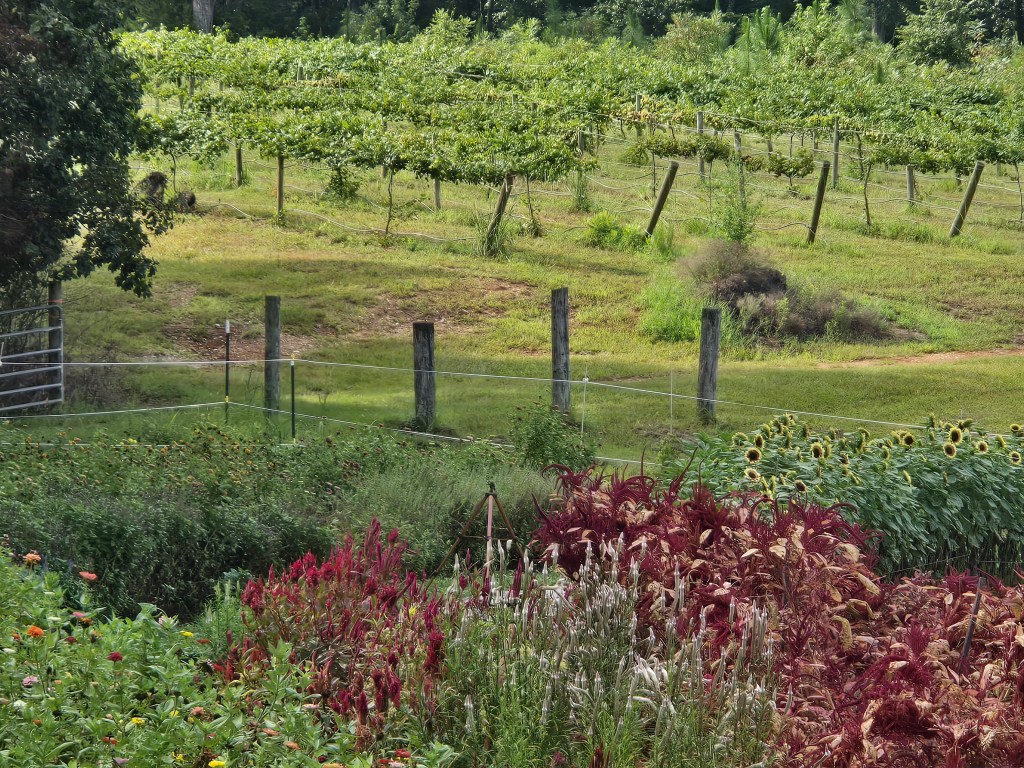
October Grower Spotlight – Inspired Greenhouses
Which Upstate farm is Samantha visiting this week? Inspired Greenhouses Hydroponic Farm is rooted in purpose. The hydroponic farm, based in Anderson County, South Carolina, offers meaningful employment opportunities for adults with intellectual disabilities while producing high-quality, fresh produce. During National Disability Employment Awareness Month, the farm’s mission serves as a reminder that growing local…
-
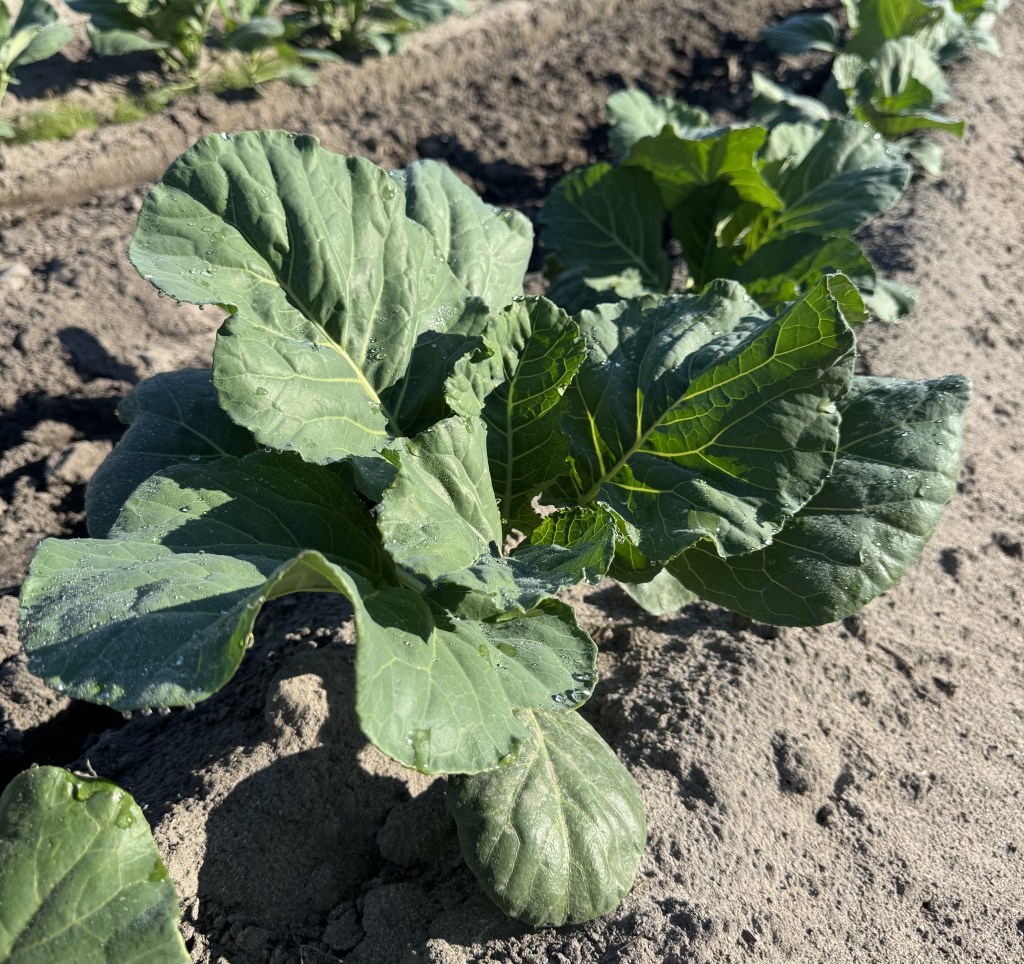
South Carolina Field Update (October 12, 2026): Hurricane Isaias Brings Rain As Strawberry Planting Begins
Hurricane Isaias brought some steady rain over the weekend. As a result, keep an eye on disease pressure in fall crops. Strawberry planting has begun in places. New training resources for strawberry planting crews were published recently, including English and Spanish-language planting videos. Key Takeaways for Growers This Week New strawberry planting training resources available…
-
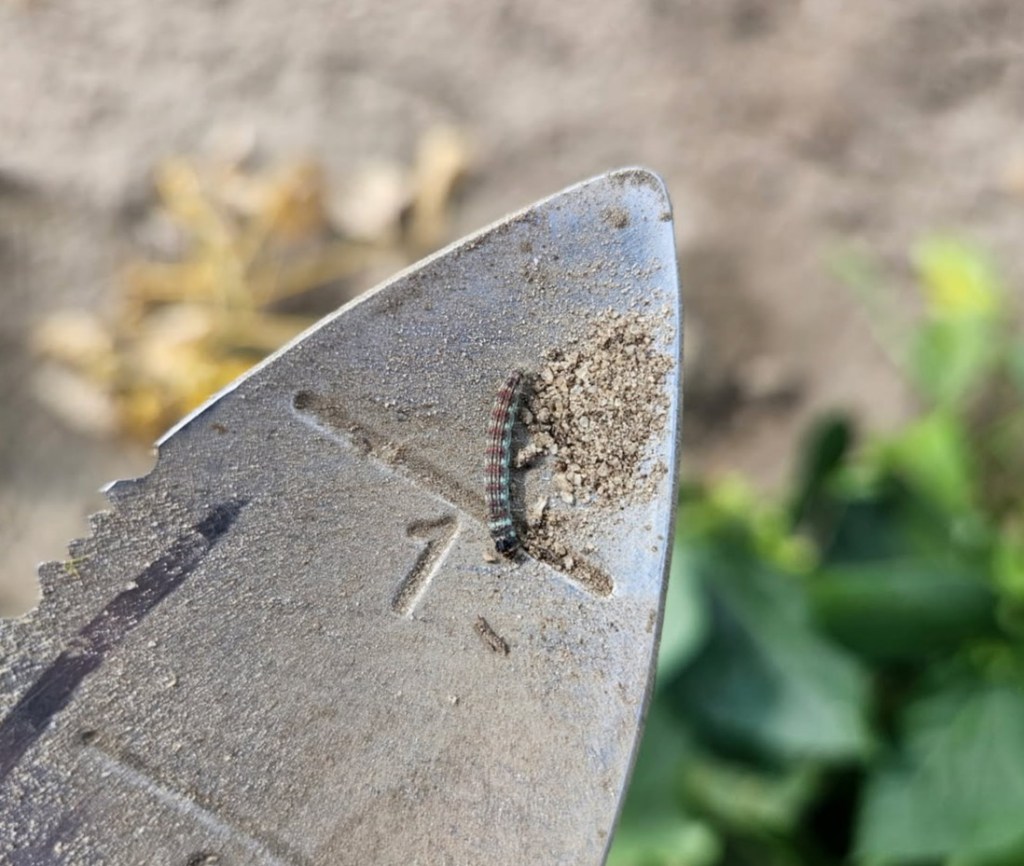
Question of the Week – Lesser Cornstalk Borer
What is this critter that was found in a cowpea stem? This small caterpillar is a lesser cornstalk borer (Elasmopalpus lignosellus)(LCB). LCBs are not commonly found in cowpeas, although they are listed as a host. LCB typically prefers soybeans, peanuts, or corn. Usually, the first symptoms are wilting and plant collapse. Physical symptoms are not…

