
LATEST POSTS
-
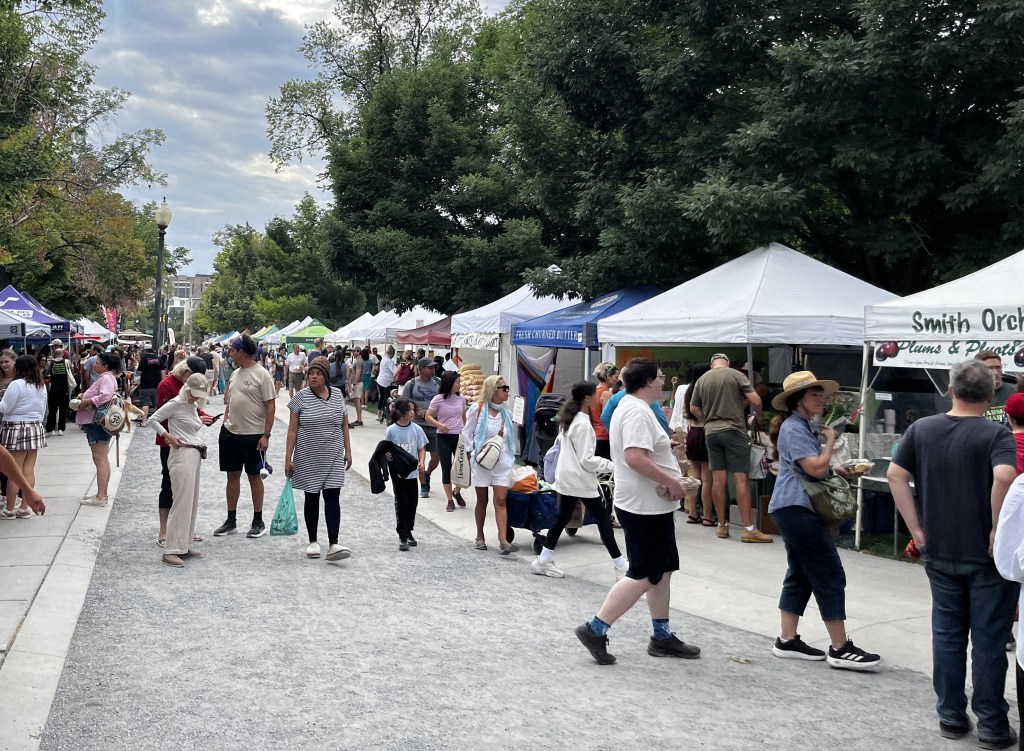
Farmers Market Pricing Reports Now Available
From Clemson Agribusiness Associate Kevin Burkett This summer, farmers markets around South Carolina have had volunteers submitting data on fruit and vegetable prices. None of this data includes personal information from market volunteers or farms themselves. The reports are now available through the Clemson Extension Agribusiness page. This data has been compiled and summarized for…
-
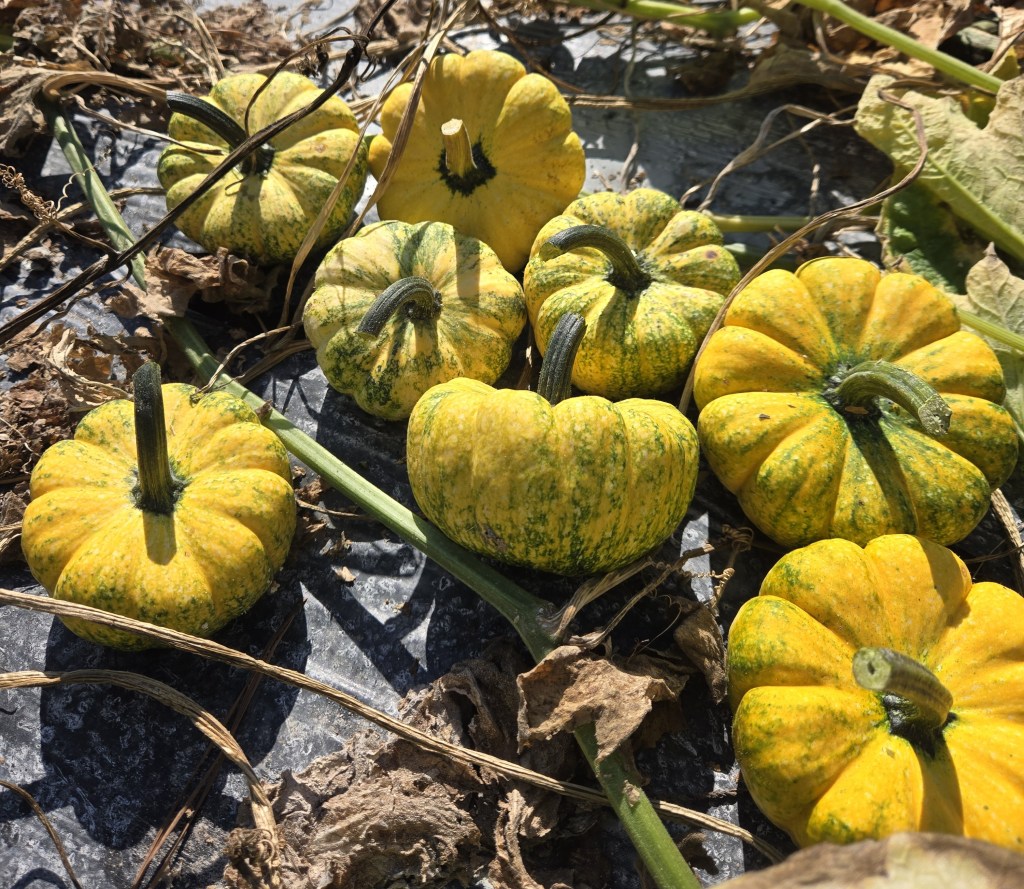
Weekly Field Update – 9/22/25
As fall officially begins, we remain very dry across the state. Cucurbit crops are showing widespread virus symptoms. Fall-harvest strawberries are being planted and spring-harvest berries will start in another couple of weeks. See details below. Keep an eye on the Upcoming Events tab periodically so you don’t miss any of our winter/spring meetings. Also,…
-
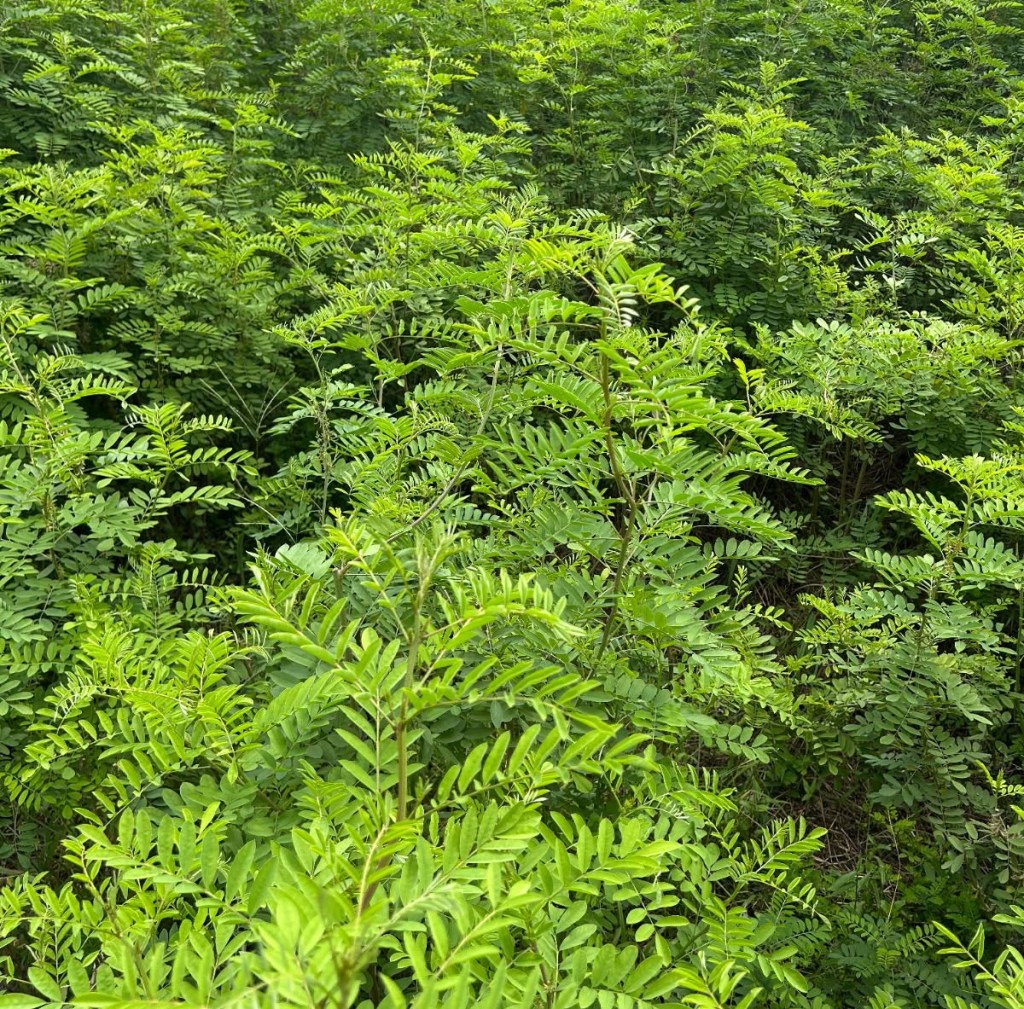
Question of the Week – Indigo
What crop from South Carolina’s past is this growing near the coast? This is indigo (Indigofera tinctoria). Eliza Lucas-Pinckney was the first to successfully cultivate and commercialize indigo in America. Indigo became a significant economic driver during the late 1700s for much of the Lowcountry of South Carolina. Indigo was grown, and its leaves were processed…
-
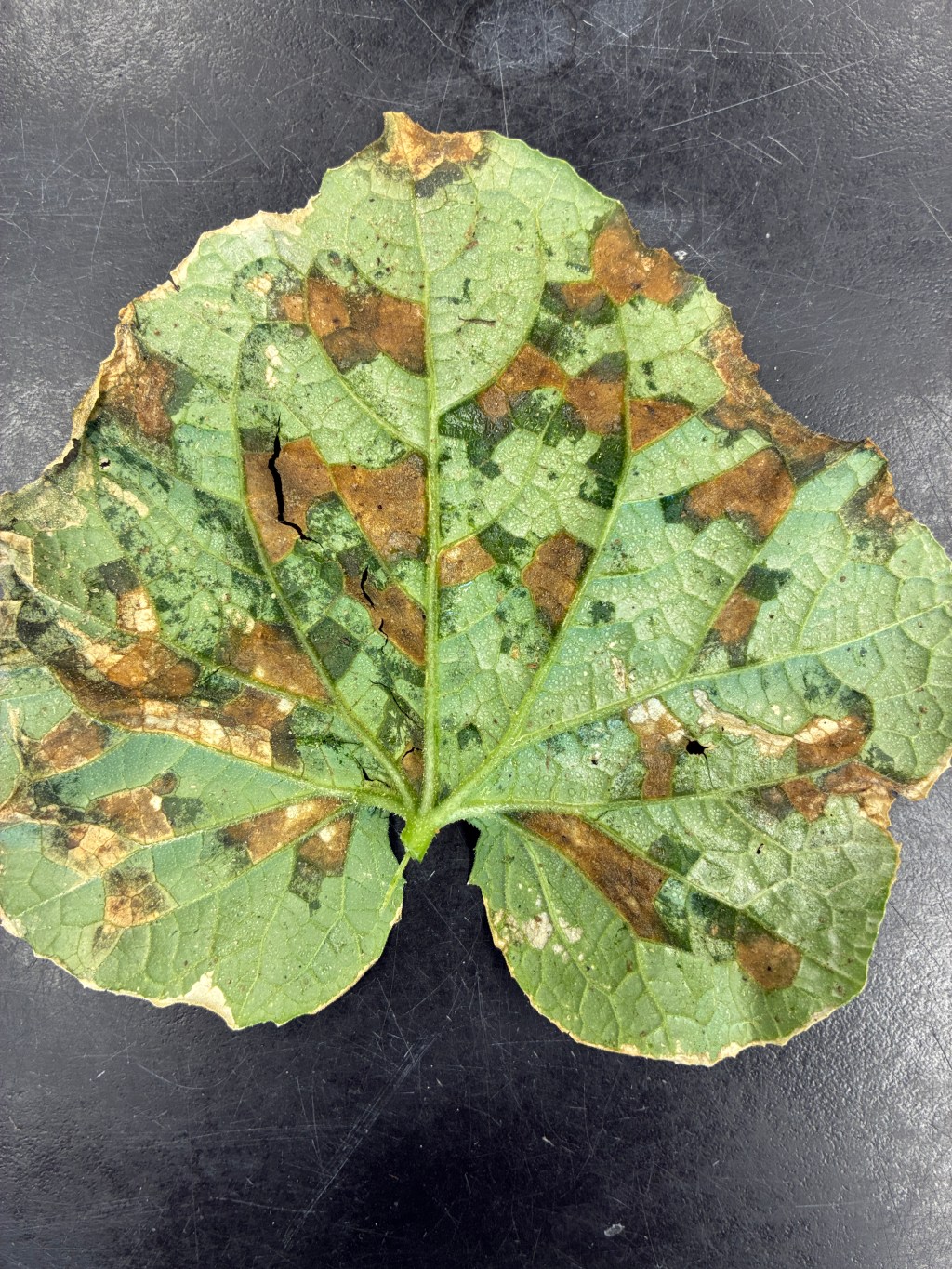
Reminders about Managing Cucurbit Downy Mildew with Fungicides
From Clemson Plant Pathologist Tony Keinath Cucurbit Downy Mildew This Fall Warm days and cool nights help create long dew periods in the fall, weather is ideal for cucurbit downy mildew (CDM) to start and spread, as reported in the Weekly Field Update – 9/15/25. We have not yet seen CDM in our fall sentinel…
-
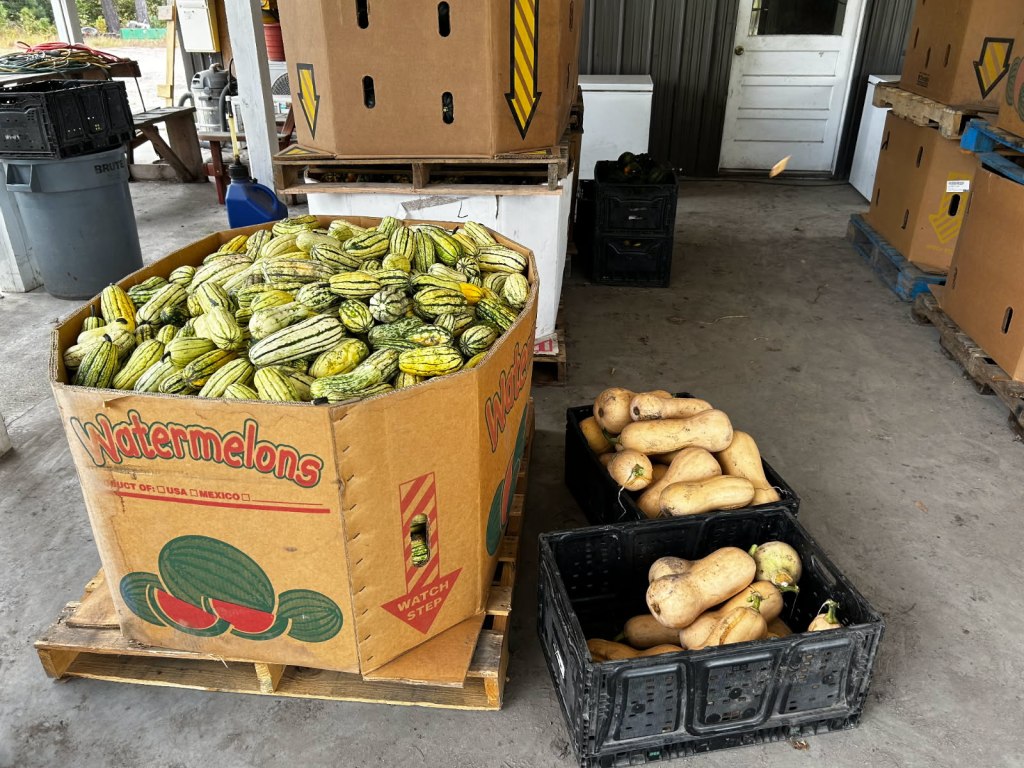
Weekly Field Update – 9/15/25
Mild weather continues around the state as strawberry growers prep fields for planting next month. Two spotted cotton leafhoppers are being found across the state. Disease has been plentiful on cucurbit crops. See details below. Keep an eye on the Upcoming Events tab periodically so you don’t miss any of our winter/spring meetings. Also, check…
-
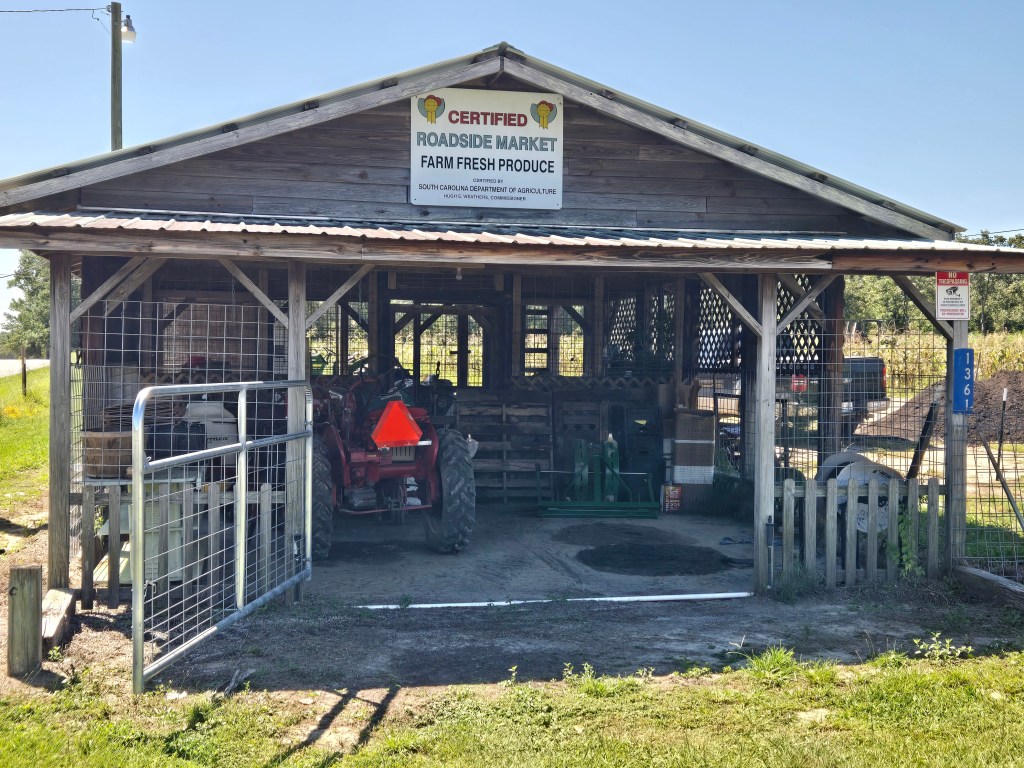
September Grower Spotlight – Jebali Farms
Where is Rob visiting this week? For this month’s grower spotlight, Rob is visiting Jebali Farms. Jebali Farms is nestled on 3 acres of land in the town of Lexington. The farm was started in 2013 by Azmi Jebali with the purpose of supplying his restaurant in Lexington, The Mediterranean Café, with fresh seasonal produce.…
 The South Carolina Grower