
LATEST POSTS
-
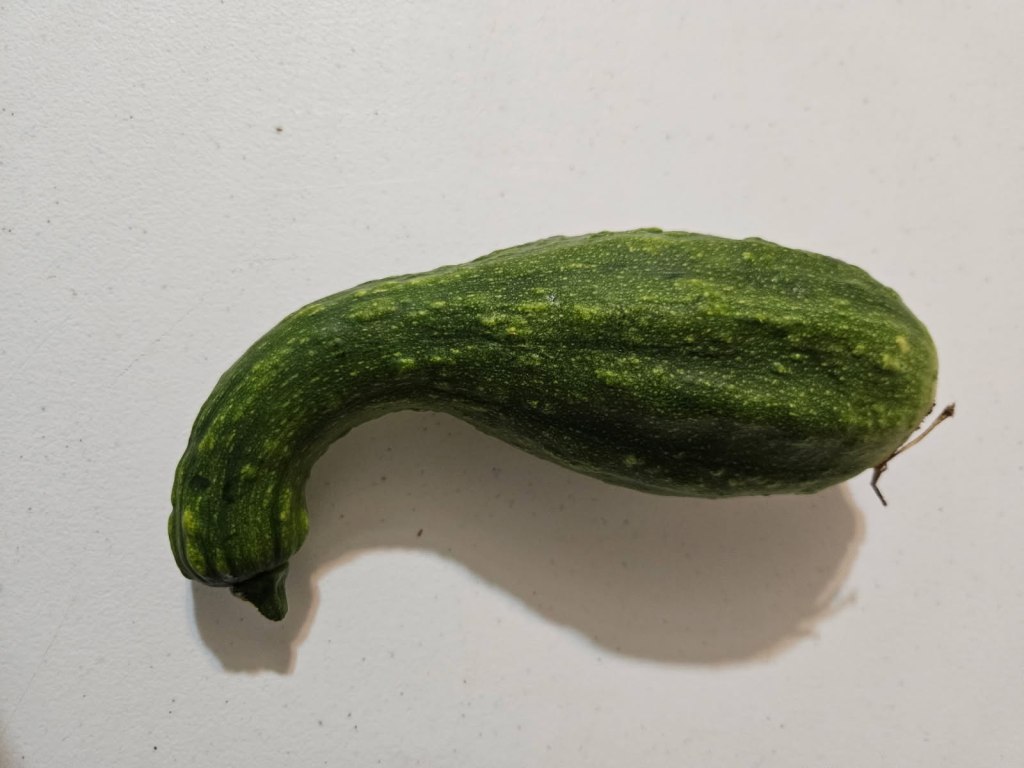
Question of the Week – Squash Virus
Did Zack find a hybrid squash-cucumber this past week? What is going on here? No, this is not a new hybrid squash-cucumber. And no, just because these two crops were planted beside each other, they did not cross-pollinate and create a unique baby. This squash fruit is showing symptoms of a virus. Most viruses in cucurbits are…
-
Weekly Field Update – 6/30/25
Keep an eye on the Upcoming Events tab periodically so you don’t miss any of our winter/spring meetings. Also, check out the latest episode of the SC Grower Exchange Podcast below. Don’t forget to look at our Resources tab for links to crop handbooks, helpful websites, and related blogs. Be sure to scroll all the…
-

Question of the Week – Congaree National Park
Where is Justin this week? Justin is doing some kayak fishing on the Cedar Creek in the Congaree National Park. Congaree is South Carolina’s only National Park. Located just southeast of Columbia, the park is day-trip distance from just about anywhere in the state. The park is over 26,000 acres and is the largest remaining…
-
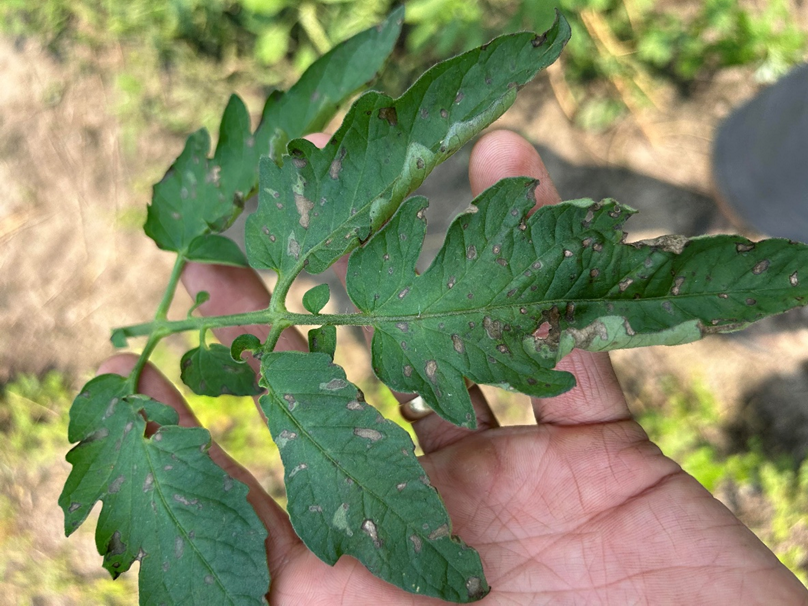
Gray Leaf Spot on Heirloom Tomatoes
From Clemson Plant Pathologist Tony Keinath Gray leaf spot has been found in a home garden in Greenville County and on a farm in Charleston County, South Carolina. This disease is the most common foliar problem on heirloom tomatoes. ‘Cherokee Purple’ is particularly susceptible. The recent hot, humid, rainy weather is ideal for the gray…
-

Weekly Field Update – 6/23/25
Keep an eye on the Upcoming Events tab periodically so you don’t miss any of our winter/spring meetings. Also, check out the latest episode of the SC Grower Exchange Podcast below. Don’t forget to look at our Resources tab for links to crop handbooks, helpful websites, and related blogs. Be sure to scroll all the…
-
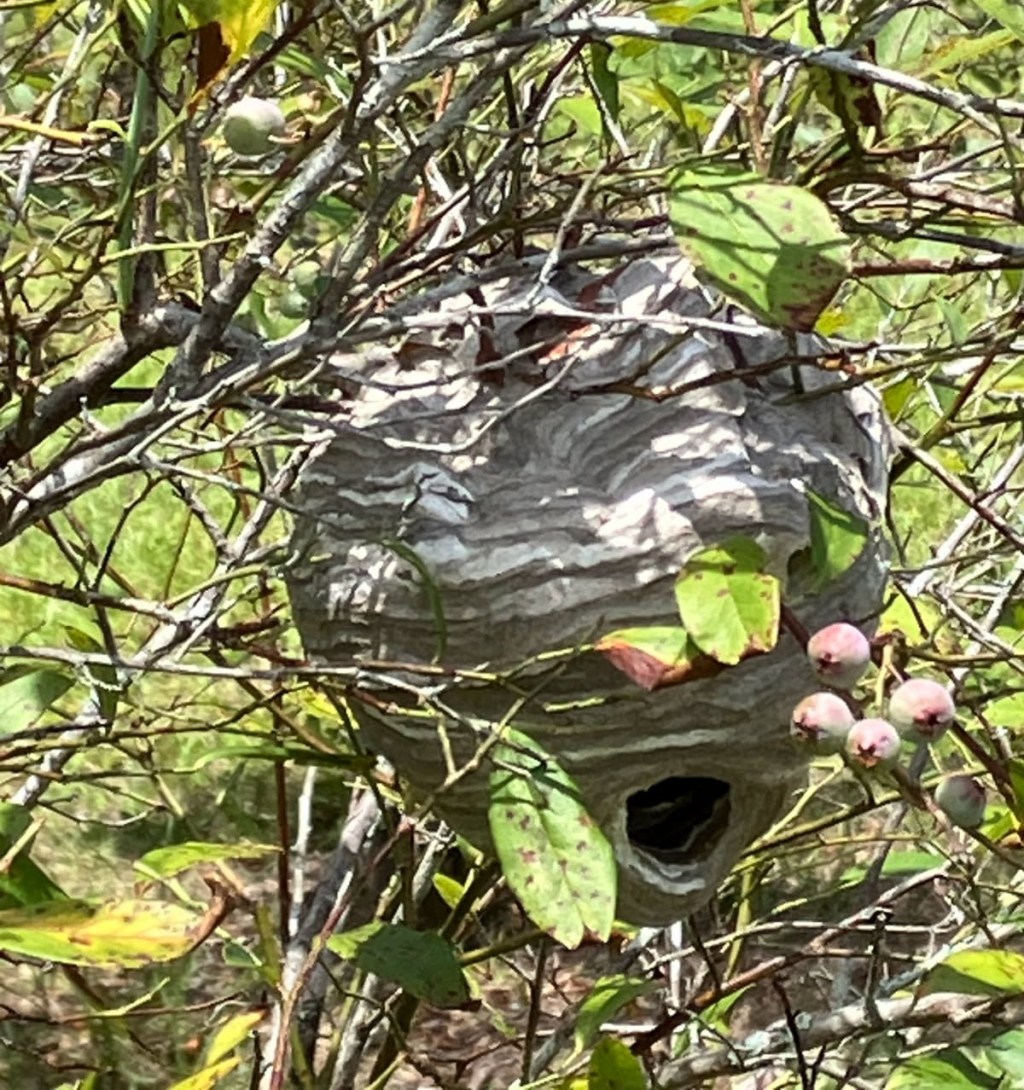
Question of the Week – Hornet Nest
Why did this blueberry grower put a purple martin house in his blueberry bushes? This is not a purple martin house. This is a hornet’s nest!!! Hornets, wasps, and yellow jackets look a lot alike. There is one true species of hornet in South Carolina (and North America), the European hornet. The European hornet is an introduced…
 The South Carolina Grower