
LATEST POSTS
-

Weekly Field Update – 10/7/24
Parts of the state continue to clean up damage from Hurricane Helene. Apples are being harvested in the Upstate and strawberry planting is just beginning. Disease is becoming more prevalent from the recent rain and heavy winds. See details below. Check out the 2024 SC and GA Strawberry Production Webinar for some timely tips for…
-
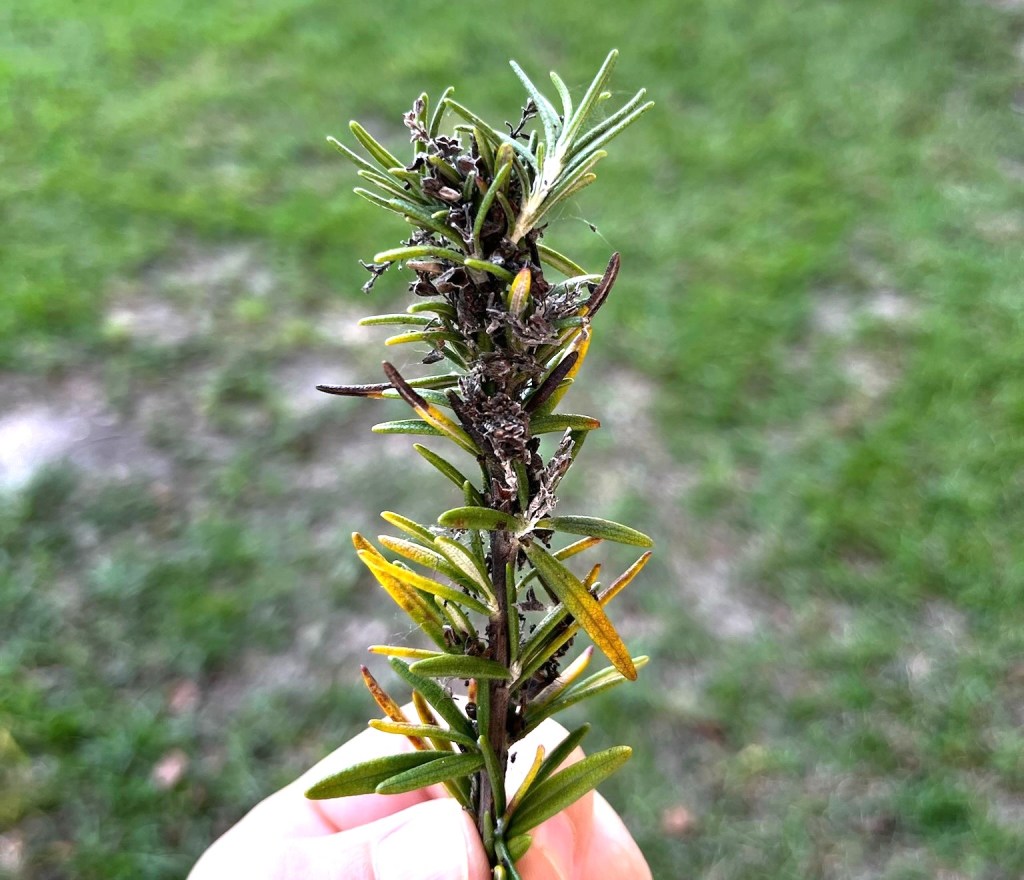
Question of the Week – Southern Purple Mint Moth
Where did all the webbing and frass on this rosemary come from? This is from the Southern purple mint moth caterpillar (Pyrausta laticlavia). This caterpillar has been seen on rosemary throughout the Charleston area for over 10 years. Commonly called “rosemary webworm,” this pest can affect the foliage on over half the plant and likely…
-
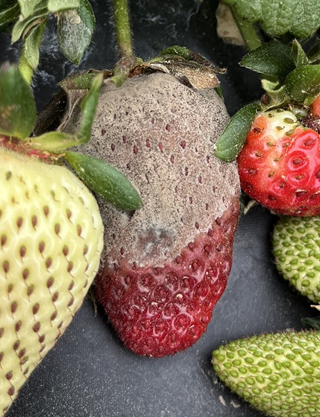
Efficacy Trials with Biofungicide Howler EVO against Strawberry Diseases
By Guido Schnabel, Jeffrey A. Hopkins, and Johanna Wesche Recently, the article Fungus-Based Biological Control Agents: How Useful Are They for Strawberry Disease Management? was published. The article reported our first experience with yeast-based biological control agents (BCA) against Botrytis fruit rot (BFR) and Anthracnose fruit rot (AFR) of strawberry. The trials were conducted at the…
-
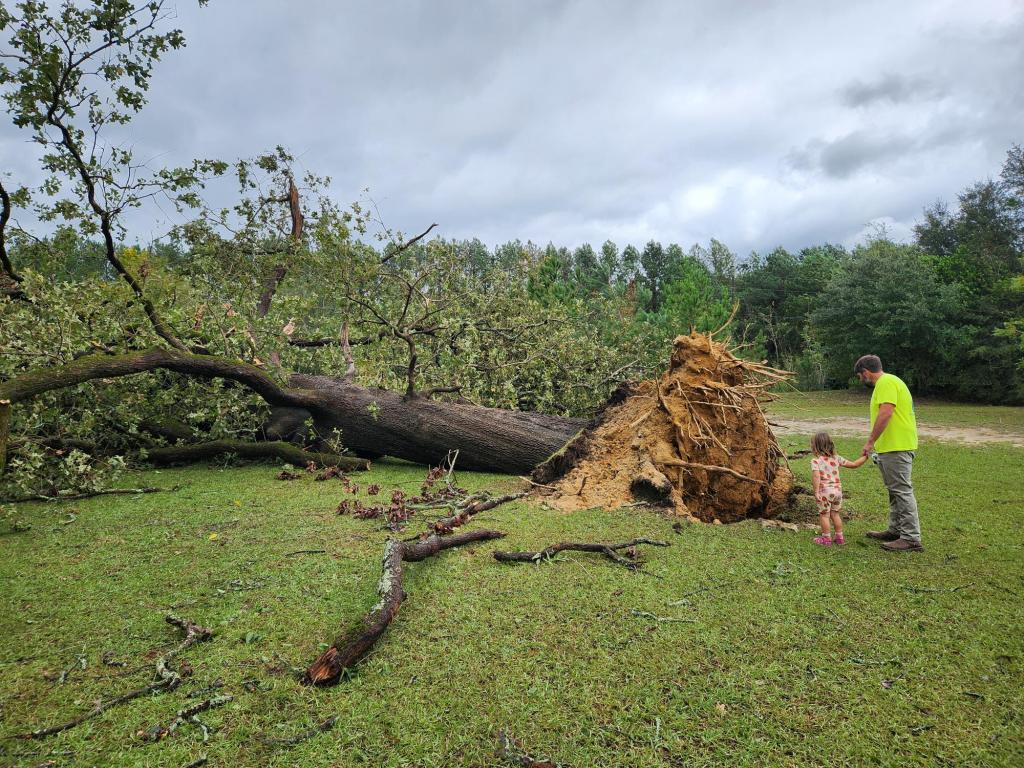
Weekly Field Update – 9/30/24
Hurricane Helene cast tropical storm forced winds over most of South Carolina Friday as she tore through Florida and Georgia. The western part of the state took the brunt of the damage and large areas there remain without power as of this morning (9/30). Rivers also continue to rise as floodwaters from western North Carolina…
-

Recommendations for Fall Treatments in Strawberry Crops with Known Presence of Neopest
Guido Schnabel, Clemson University; Phil Brannen, University of Georgia; and Bill Cline, North Carolina State University Whether or not Neopestalotiopsis will substantially harm your strawberries this season depends on many things, including the cultivar, sanitation practices, initial inoculum levels, weather conditions, the fungicides you apply, and application timing. This article focuses on chemical management options…
-
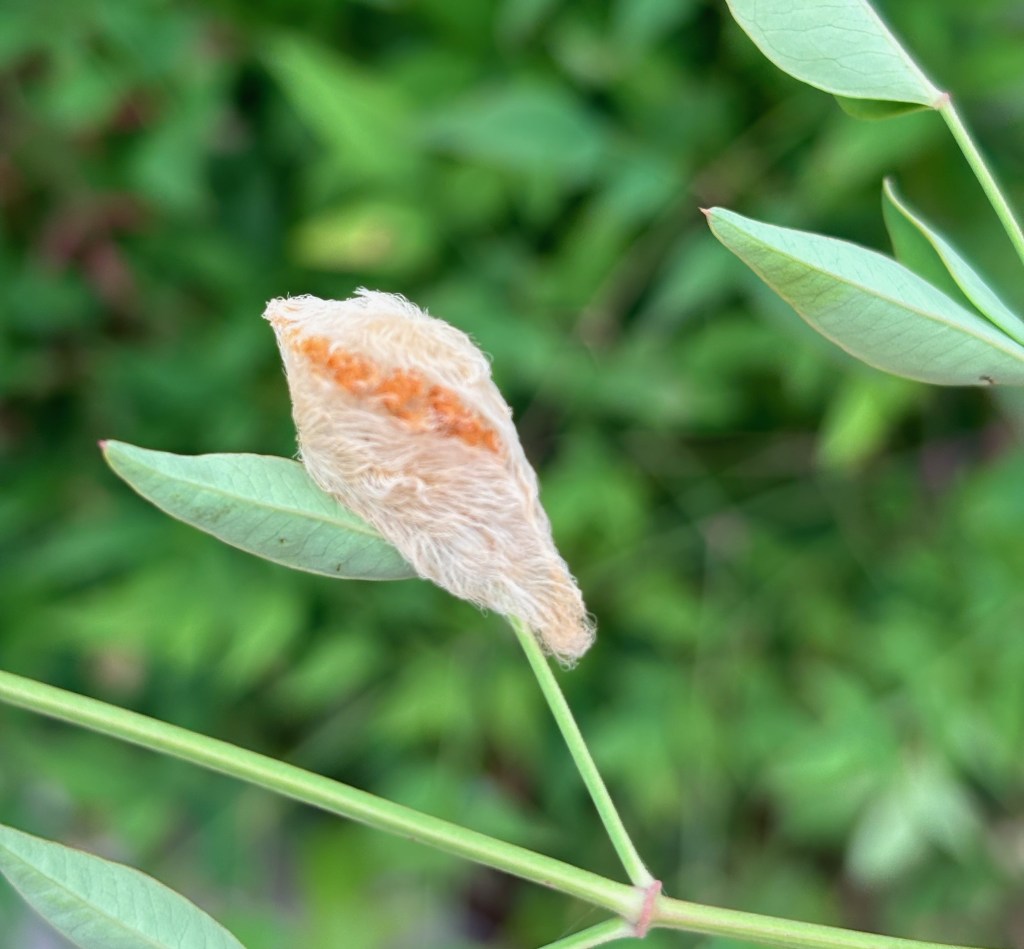
Question of the Week – Puss Caterpillar
What is this hairy-looking thing? This is a puss caterpillar (Megalopyge opercularis). While they may look huggable, puss caterpillars are one of the most venomous caterpillars native to the United States. Hidden amongst the hairs that cover the insect’s body are rows of venomous spines. Each spine is hollow with a venom gland at its…

