
LATEST POSTS
-

Question of the Week – Kiwi
What kind of fruit is this? These little fuzzy fruit are kiwis of the genus Actinidia, and were found growing on a hobby farm on Johns Island, SC. Kiwi hails from the grasslands of China and Russia. We normally think about kiwi being an Australian or New Zealand crop, as most of the production occurs there,…
-

Fruit Rots on Pumpkins, Gourds, and Winter Squashes
From Clemson Plant Pathologist Tony Keinath As part of a new grant on cucurbit anthracnose with the University of Georgia, we sampled 68 pumpkins, gourds, and winter squash from “cull piles” at 7 pumpkin patches and small farms in South Carolina in October, November, and December 2023. Two-thirds of the 10 types of cucurbits sampled…
-
Weekly Field Update – 7/29/24
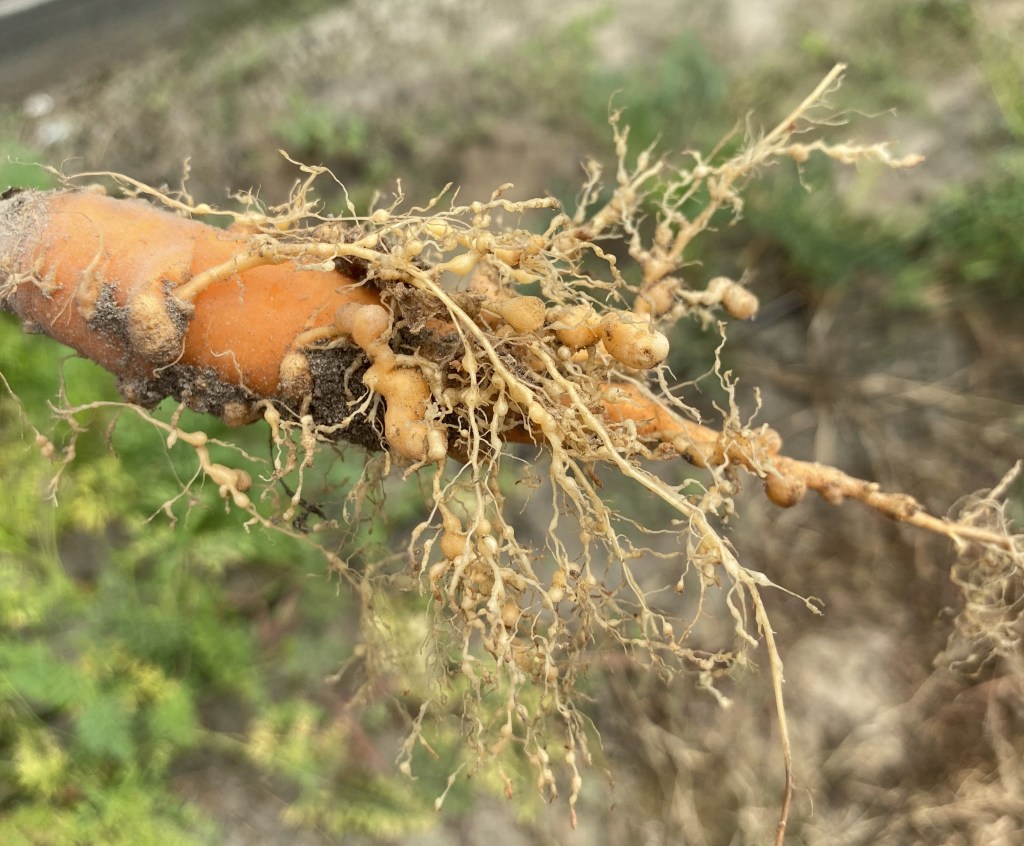
Lots of rain fell over parts of the state last week. Keep a close eye out for potential disease progression following all the moisture. Insect pressure remains high as growers make preparations for fall crops. See details below. Keep an eye on the Upcoming Events tab periodically so you don’t miss anything. Also, check out…
-
Question of the Week – Kudzu Bug
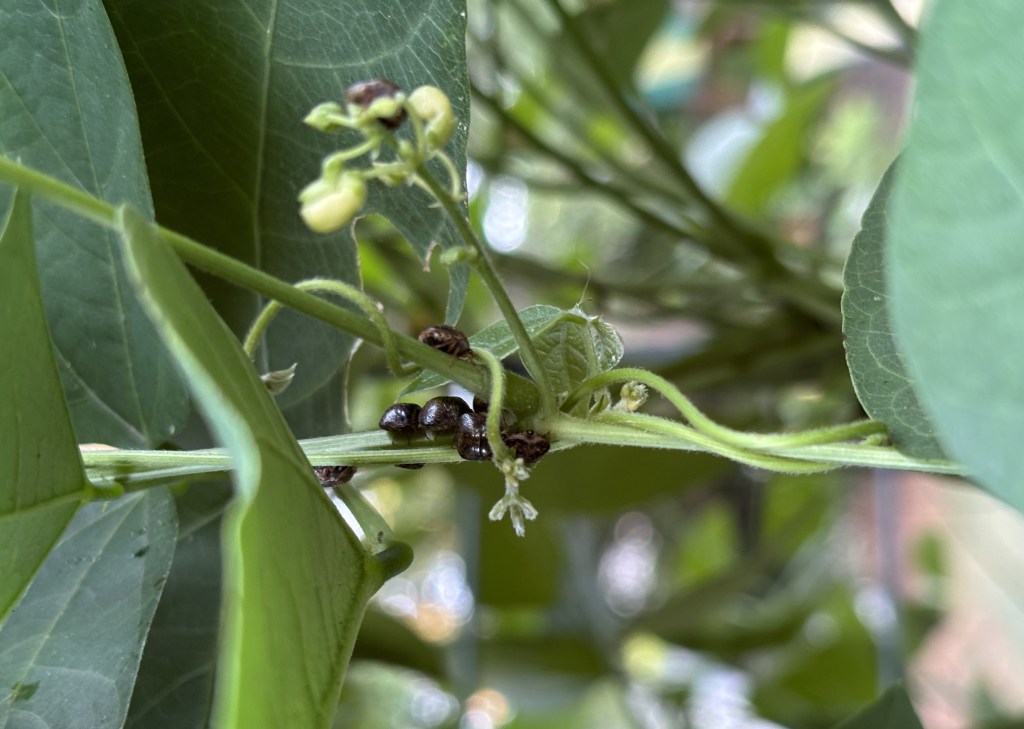
What are these insects on pole butterbeans? The insects pictured are bean plataspids, Megacopta cribraria (F.), commonly known as “kudzu bugs.” They are an invasive plant pest from Asia. First reported in the US in 2009 near Atlanta, GA, they are now found from Louisiana to Virginia and are reported from all counties in South…
-
Weekly Field Update – 7/22/24
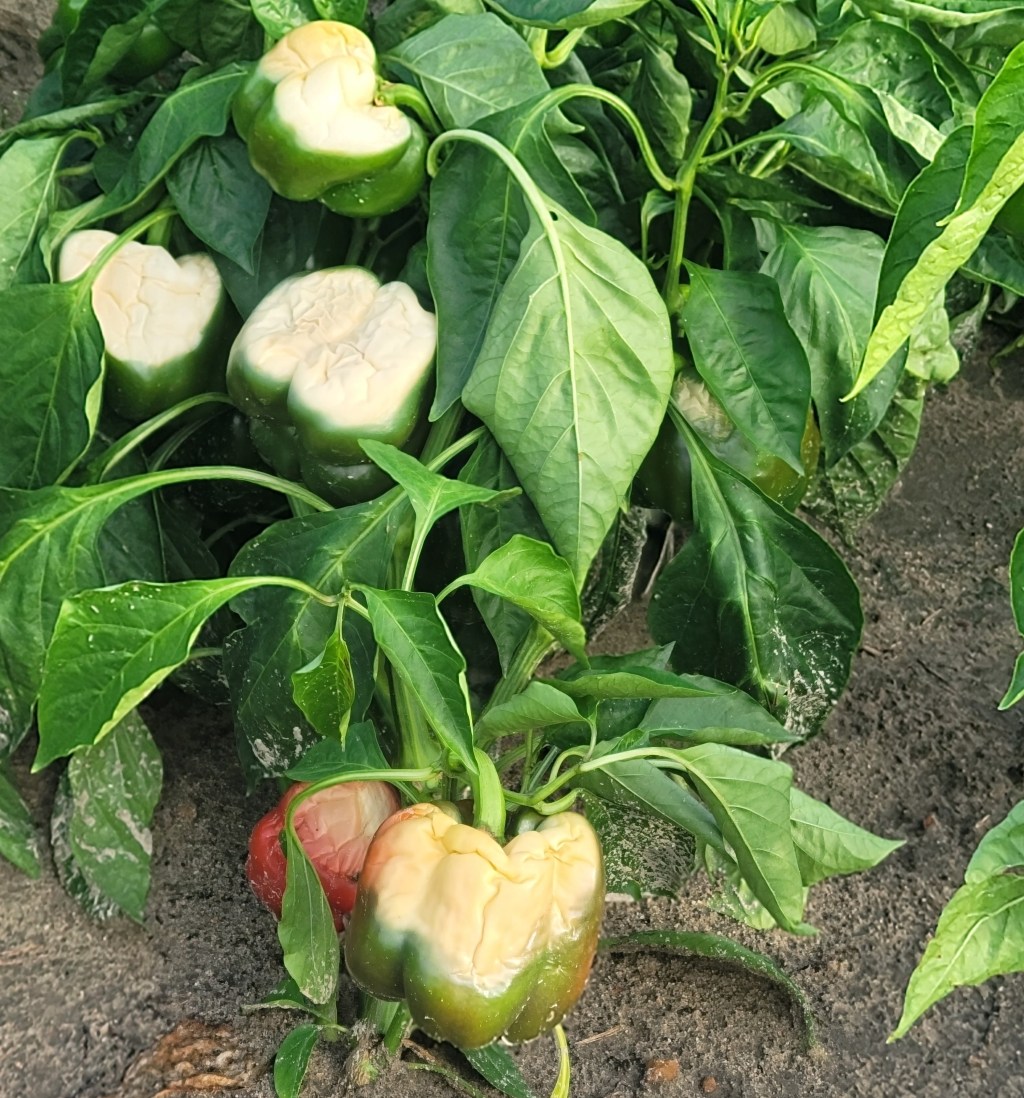
Scattered rain fell over the weekend. Peppers and okra are coming as watermelon harvest finishes up. Disease and insect pressure remains high, and planning for strawberry planting is beginning. See details below. Keep an eye on the Upcoming Events tab periodically so you don’t miss anything. Also, check out the latest episode of the SC…
-

Question of the Week – Planthopper
What left the fluffy, white deposit on this zinnia stem? This fluffy material was left by a flatid planthopper. Flatid planthoppers feed on a variety of ornamental plants. The ¼” long adults appear to be wedge shaped and laterally flattened when viewed from above. This appearance is created by their large, angular front wings which they…

