
LATEST POSTS
-
Damping-Off on Direct-Seeded and Transplanted Vegetable Crops
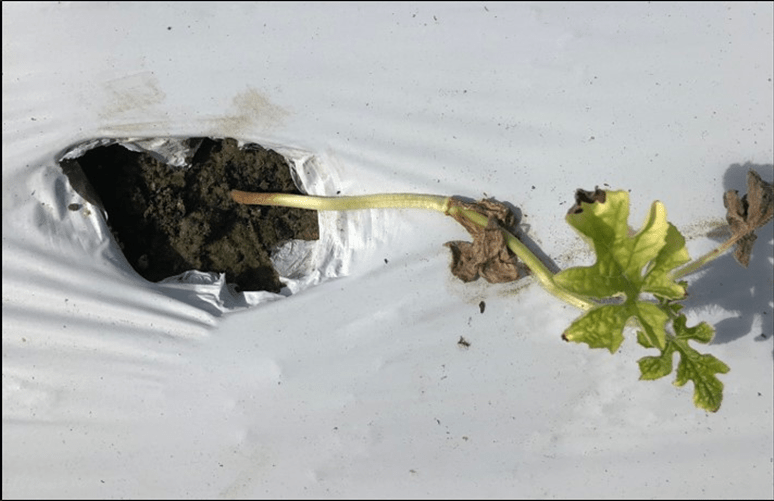
From Clemson Plant Pathologist Tony Keinath “Damping-off” refers to root and stem rot on young seedlings of direct-seeded crops. “Stem and root rot” is used to describe the same disease on transplanted crops. I will use the term “seedling disease” when information below applies to both types of crops. In South Carolina, the water mold…
-

Weekly Field Update – 2/19/24
We have lots of meetings coming up over the next few months, so be sure to keep a close eye on the Upcoming Events tab so you don’t miss anything. Coming up this week we have the Upstate Strawberry Meeting in Gaffney, and a Cucurbit Production Meeting in Blackville. Also, check out the latest episode…
-
Farmers Market Price Survey
Please consider helping Clemson’s Agribusiness team by filling out this short survey. The survey will help gauge the need for a farmers market pricing program that would gather sales prices of fruits and vegetables at farmers’ markets across South Carolina. This pricing information would be summarized and made into a publicly available price report. The…
-
Question of the Week – Fava Beans
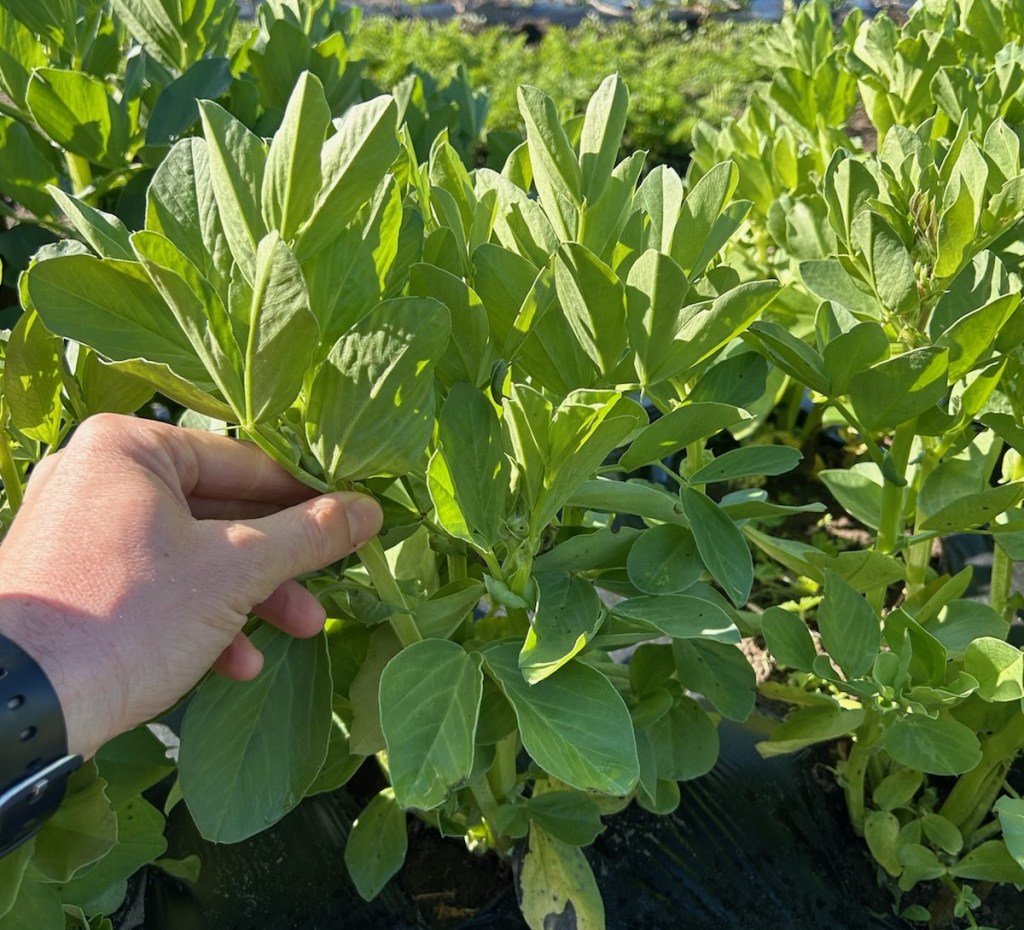
What is this crop that is growing on John’s Island in Charleston? Fava beans or broad beans are grown in small acreages in South Carolina. They are grown in the cooler times of the year and have a similar growing cycle to a sweet or English pea. They are a legume, so they add nitrogen…
-

White Mold on Kale and Other Cool-Season Vegetables
From Clemson Plant Pathologist Tony Keinath Sclerotinia white mold, a cool-season disease on several different vegetable crops, is present on collard and (probably) on kale. It is particularly common on over-wintered crops. The white mold fungus has a complex life cycle. The fungus, Sclerotinia sclerotiorum, survives long-term and over the summer as sclerotia in soil.…
-
Weekly Field Update – 2/12/24
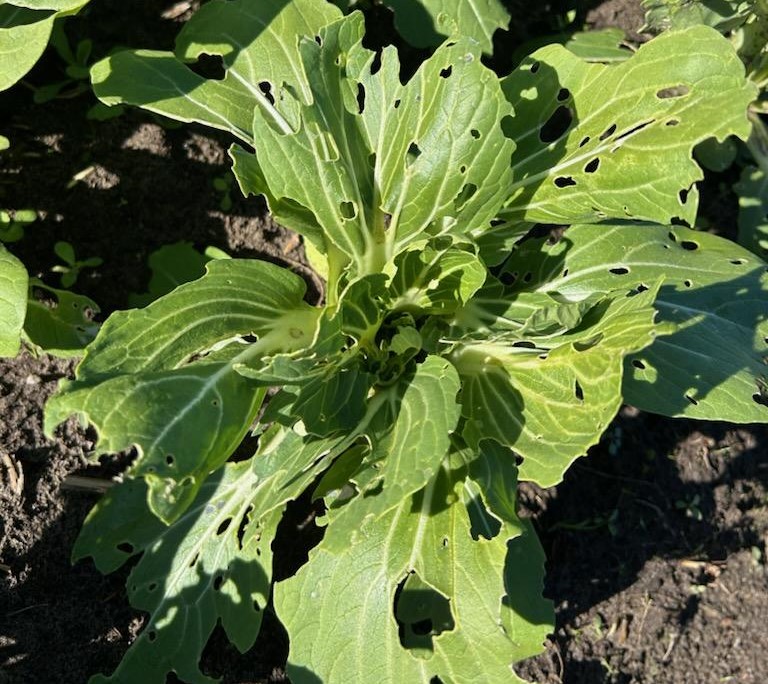
We have lots of meetings coming up over the next few months, so be sure to keep a close eye on the Upcoming Events tab so you don’t miss anything. Coming up this week we have an Anaerobic Soil Disinfestation Workshop in Charleston. Also, check out last week’s episode of the SC Grower Exchange Podcast…

