
LATEST POSTS
-

Happy Halloween!
We hope everyone had a safe and happy Halloween! Some of our fruit and vegetable agents had a great time last night dressing up their children (including fur babies) and themselves for some trick-or-treating. Take a look while you enjoy the candy you stole from your kids/grandkids!
-
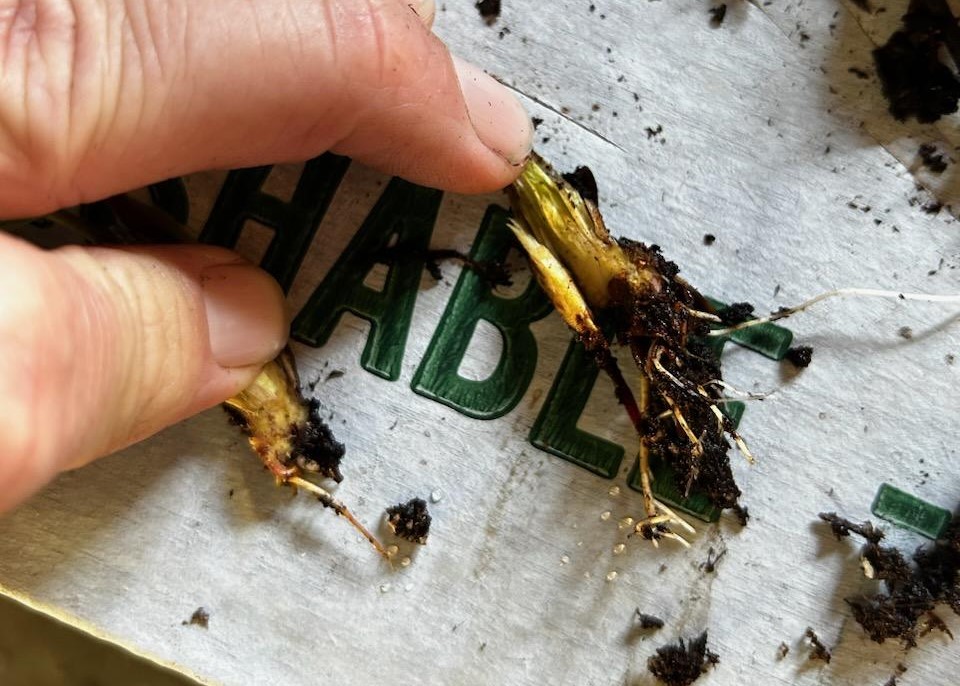
Weekly Field Update – 10/30/23
The final installment of the Strawberry Webinar Series will be available until next Monday (11/6). Don’t miss this presentation about managing cold events. NC State University is looking for cucumber growers to participate in a survey about experiences with common cucumber diseases and growers’ opinions about cucumber plant characteristics. The aim of this study is…
-

Question of the Week – Pineapple Guava
This week, the question was: What is this that was found growing on a bush in Charleston this past week? This is a pineapple guava. Pineapple guava is an incredibly tasty fruit that comes from an evergreen shrub, native to South America. The shrub grows well along the coast and is a great choice as…
-

Weekly Field Update – 10/23/23
Our Strawberry Webinar Series is still live. The second presentation will be available until 10/27, so don’t let this opportunity to earn pesticide credits slip away. Check out upcoming meetings on the Upcoming Events tab, and don’t forget to look at our Resources tab for links to crop handbooks, helpful websites, and related blogs. Also,…
-
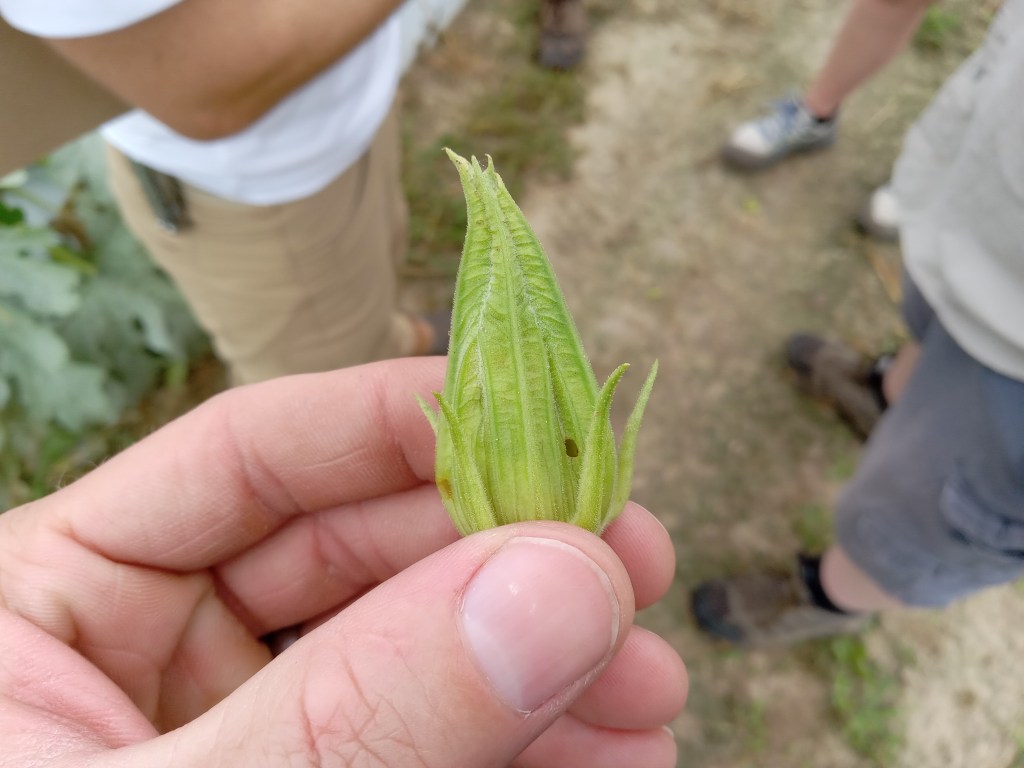
Question of the Week – Melonworm
This week, the question was: What made the hole in this squash blossom? This hole was most likely made by a melonworm. A hole this size is actually an exit hole chewed by the worm on its way out to pupate. Before that, the worm was inside the bloom feeding on the reproductive parts of…
-
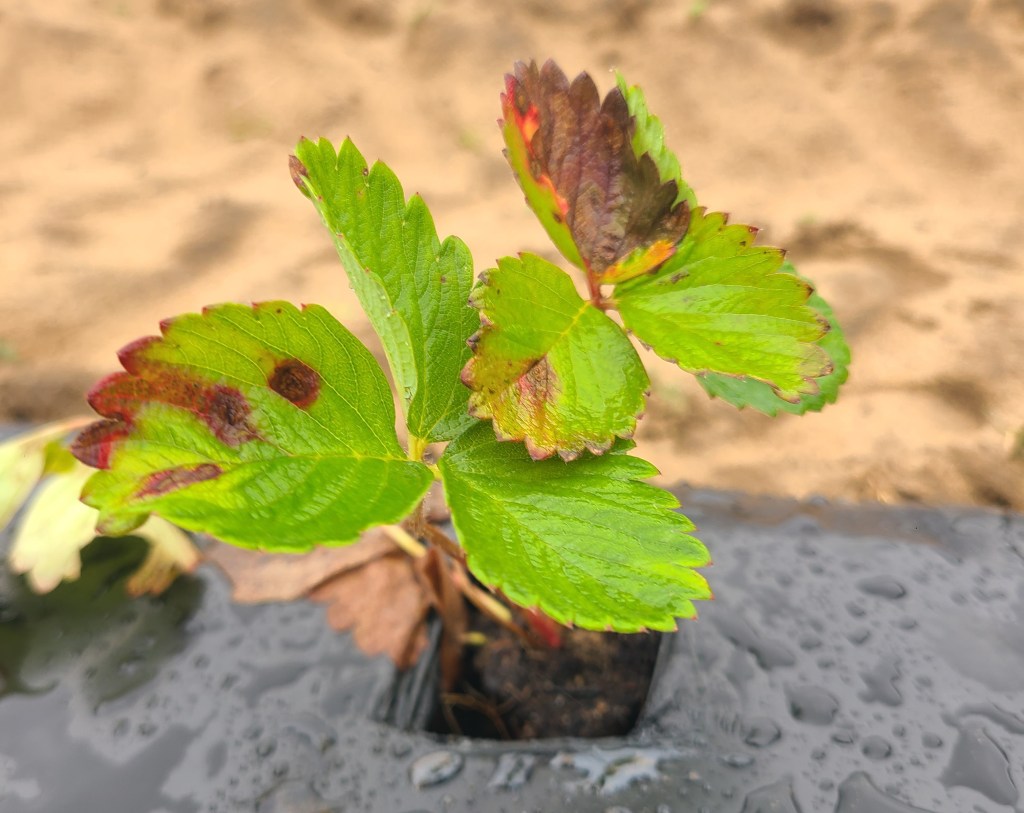
Weekly Field Update – 10/16/23
All three installments of our Strawberry Webinar Series are now live. The first presentation will be available until 10/20, so don’t let this opportunity to earn pesticide credits slip away. Check out upcoming meetings on the Upcoming Events tab, and don’t forget to look at our Resources tab for links to crop handbooks, helpful websites,…

