
LATEST POSTS
-
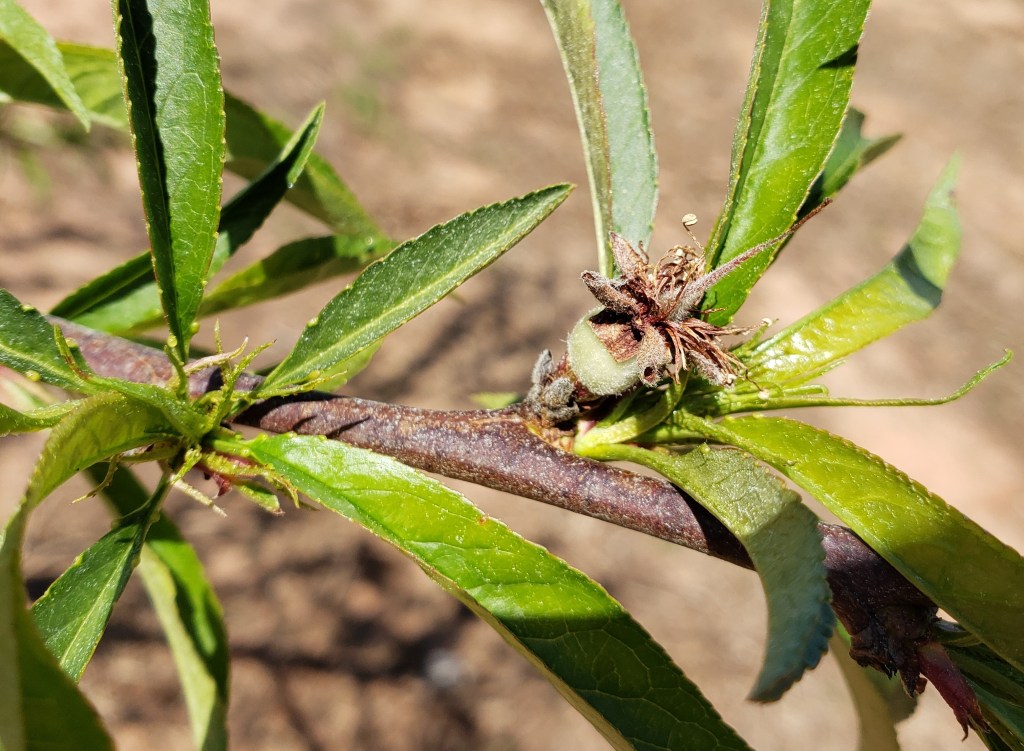
Weekly Field Update – 4/11/22
Coming up tonight is the Upstate Vegetable Grower Meeting. Click here to view more details. Be sure to scroll all the way to the bottom to see this week’s Question of the Week and check back on Thursday for the answer! Coastal Region Rob Last reports, “Crops are generally looking good In the area. Strawberries…
-
Question of the Week – Virus
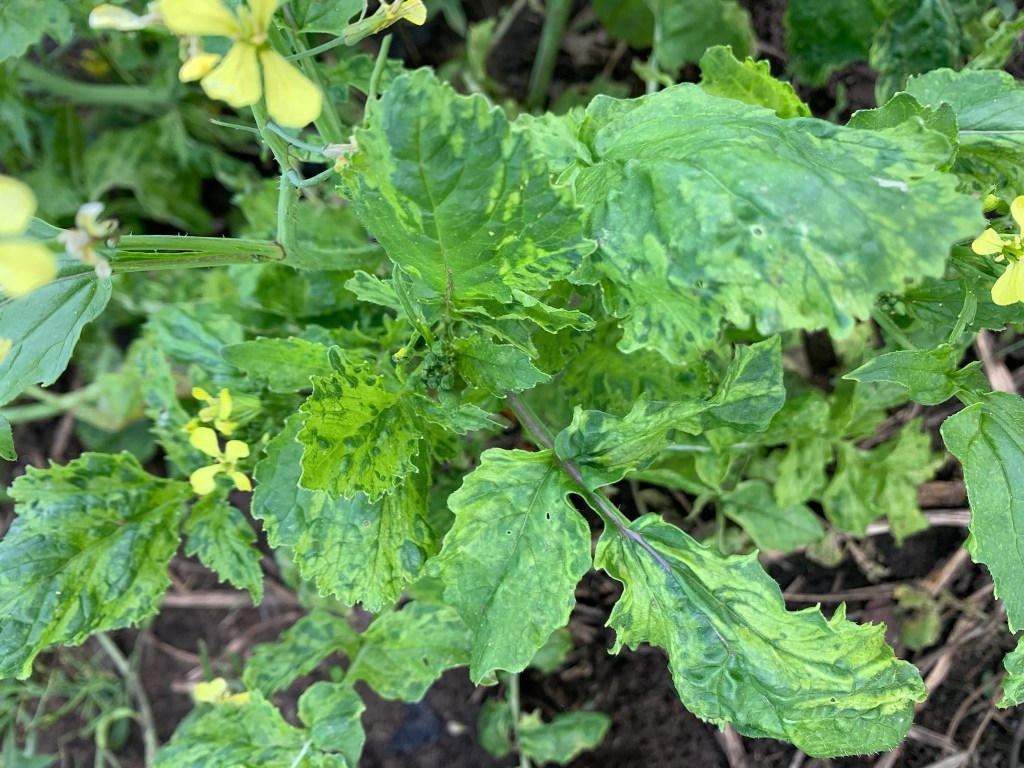
This week, the question was: What’s going on with this tie-dyed-looking wild mustard? This wild mustard is suffering from a virus. Numerous viruses affect plants in the brassica family and may be transmitted by aphids, flea beetles, cucumber beetles, or by seed. Viruses may cause a variety of symptoms including stunting, leaf distortion, mosaic patterns,…
-

Longtime Extension Agent Tony Melton Passes
After a hard-fought battle with illness, beloved, former Clemson Extension agent, Tony Melton, passed away Saturday (4/2/22). Though saddened by this great loss, those of us that had the privilege of working with “Uncle Tony” will always be comforted by stories and memories of his servant’s heart, infectious laugh, and hollow leg (“I eat one…
-

Weekly Field Update – 4/4/22
Coming up this week is the next webinar in the Farm Safety for Women Series on Wednesday, 4/6 at 1 pm. Sign up here. Be sure to scroll all the way to the bottom to see this week’s Question of the Week and check back on Thursday for the answer! Coastal Region Zack Snipes reports,…
-
Question of the Week – Cold Damage
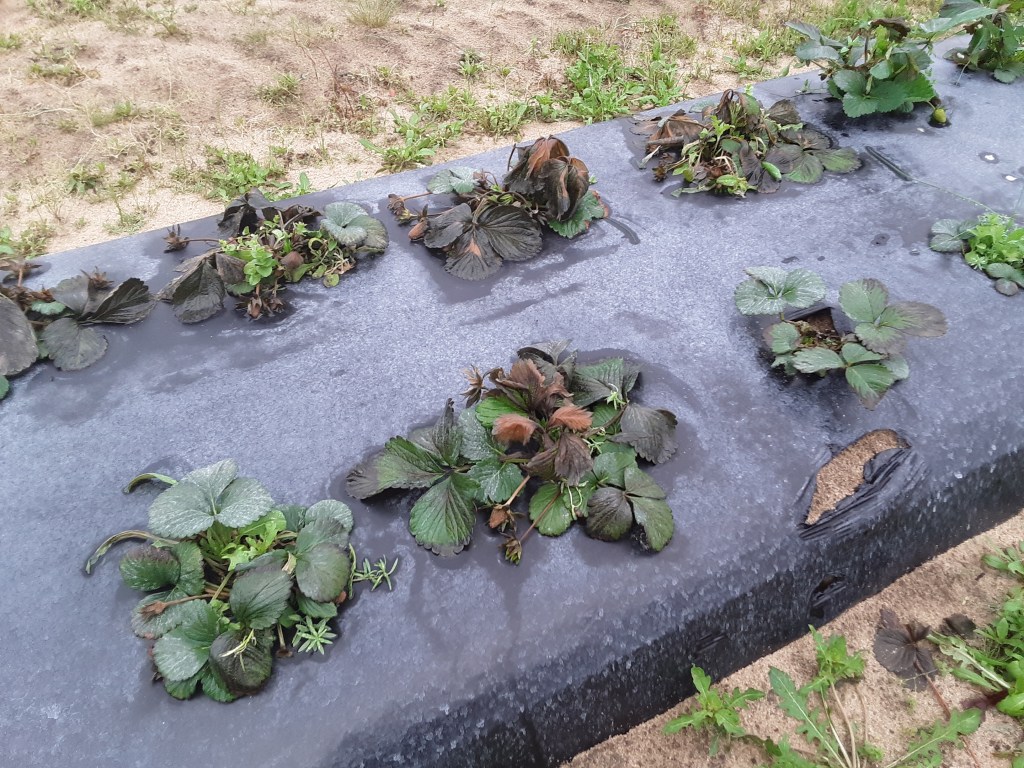
This week, the question was: What happened to these strawberry plants? This photo was taken just a couple days after the cold a few weeks ago. Weather stations near this field recorded a low of 22 degrees. These few plants were at the end of a row where the wind blew off the row cover.…
-
Fungicides to Manage Cercospora Leaf Spot on Beet
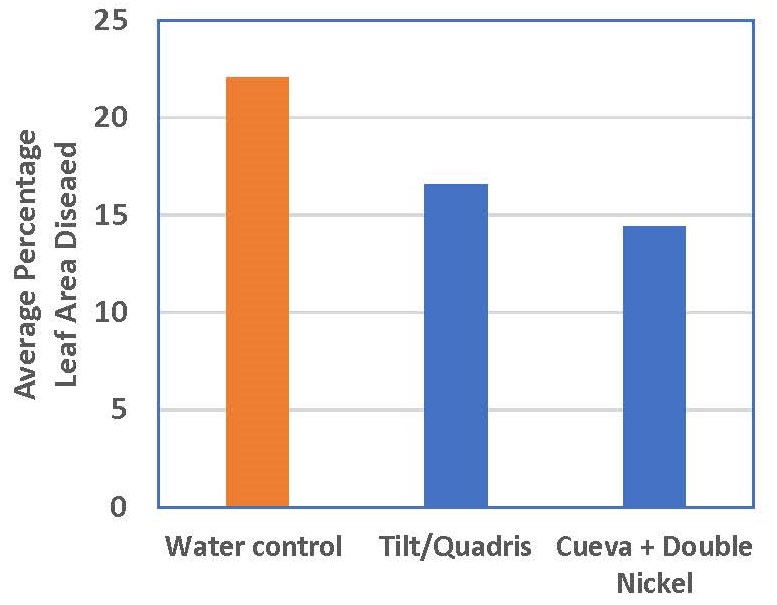
From Clemson Plant Pathologist Tony Keinath. Cercospora leaf spot is the most damaging disease on beet greens and bunched beets. This disease is one of the few diseases I have worked with that can be managed equally well by conventional and organic fungicides. Based on previous research in New York with processing beets, I tested…

