
LATEST POSTS
-

Question of the Week – Assassin Bug Nymph
This week, the question was: What is the little critter on these mint leaves? This is an assassin bug nymph (juvenile). Assassin bugs are beneficial, predatory insects. They have stout piercing/sucking mouthparts that they use to insert into their prey, inject digestive enzymes, and then suck out the bodily fluids. Most assassin bugs actively search…
-
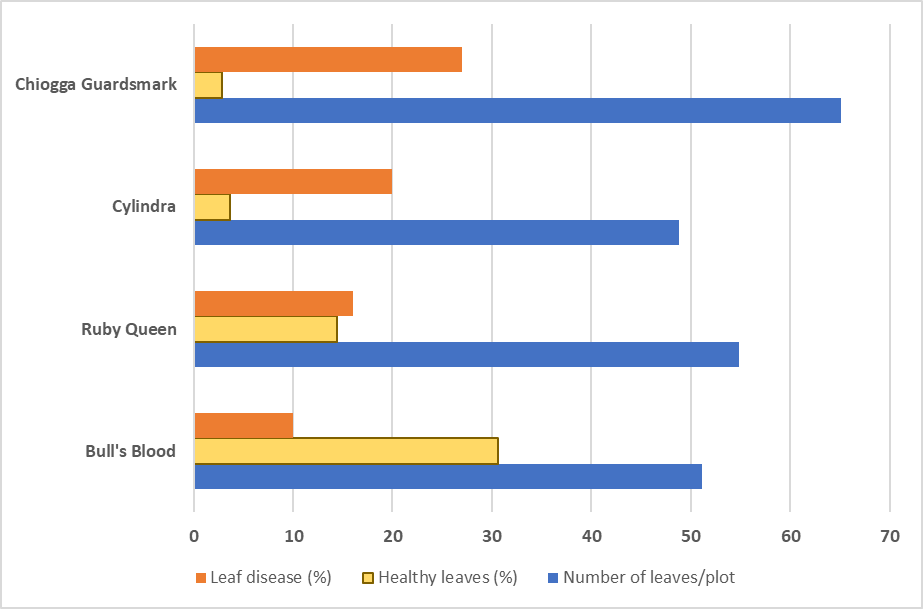
Beet Cultivars Tolerant to Cercospora Leaf Spot
From Clemson Plant Pathologist Tony Keinath. Once beets emerge from the ground, the biggest challenge South Carolina growers face is keeping the leaves free of Cercospora leaf spot. This disease is a problem wherever beets are grown for greens or bunching (roots sold with tops attached). Cercospora leaf spot does not affect the weight or…
-

Weekly Field Update – 3/7/22
Coming up this week we have the in-person Midlands Vegetable Meeting, Upstate Apple and Peach Meeting, and virtual Peach meeting. Don’t forget to check out the rest of our lineup of winter/spring meetings here. Be sure to scroll all the way to the bottom to see this week’s Question of the Week and check back…
-
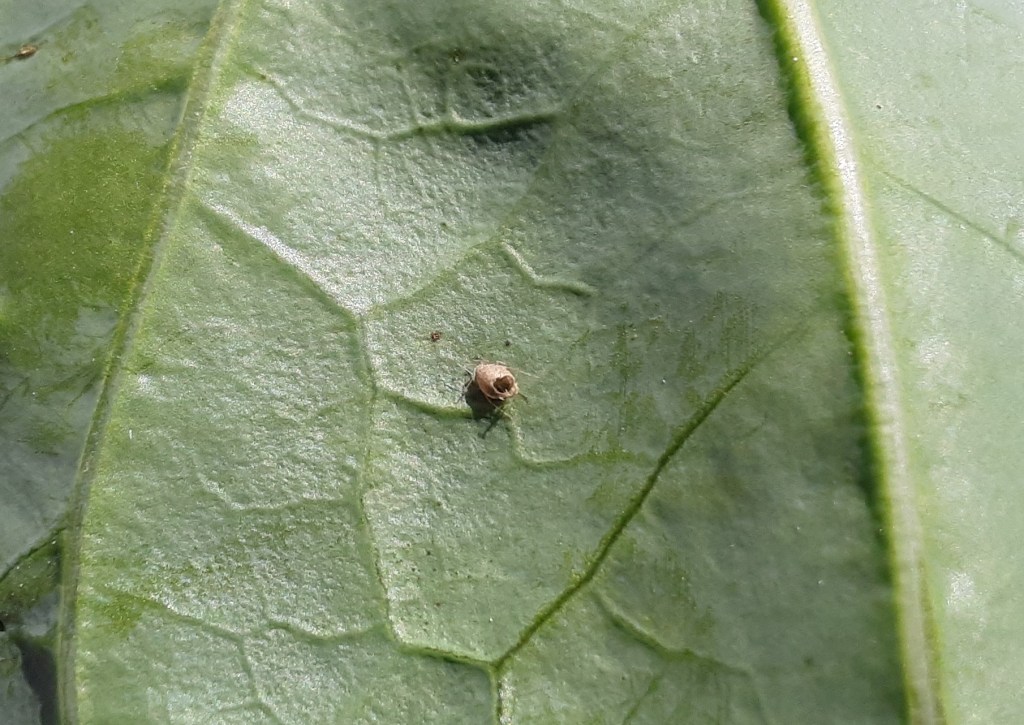
Question of the Week – Parasitoid Wasp
This week, the question was: Why is there a hole in the rear of this bloated-looking aphid? This aphid was parasitized by a tiny parasitic wasp. An egg was laid in the aphid by an adult female wasp using its ovipositor (stinger). Once the egg hatched, the wasp larva developed within the aphid, feeding on…
-

Weekly Field Update – 2/28/22
Coming up this week we have Part 2 of our virtual Brassica series. Don’t forget to check out the rest of our lineup of winter/spring meetings here. Be sure to scroll all the way to the bottom to see this week’s Question of the Week and check back on Thursday for the answer! Coastal Region…
-
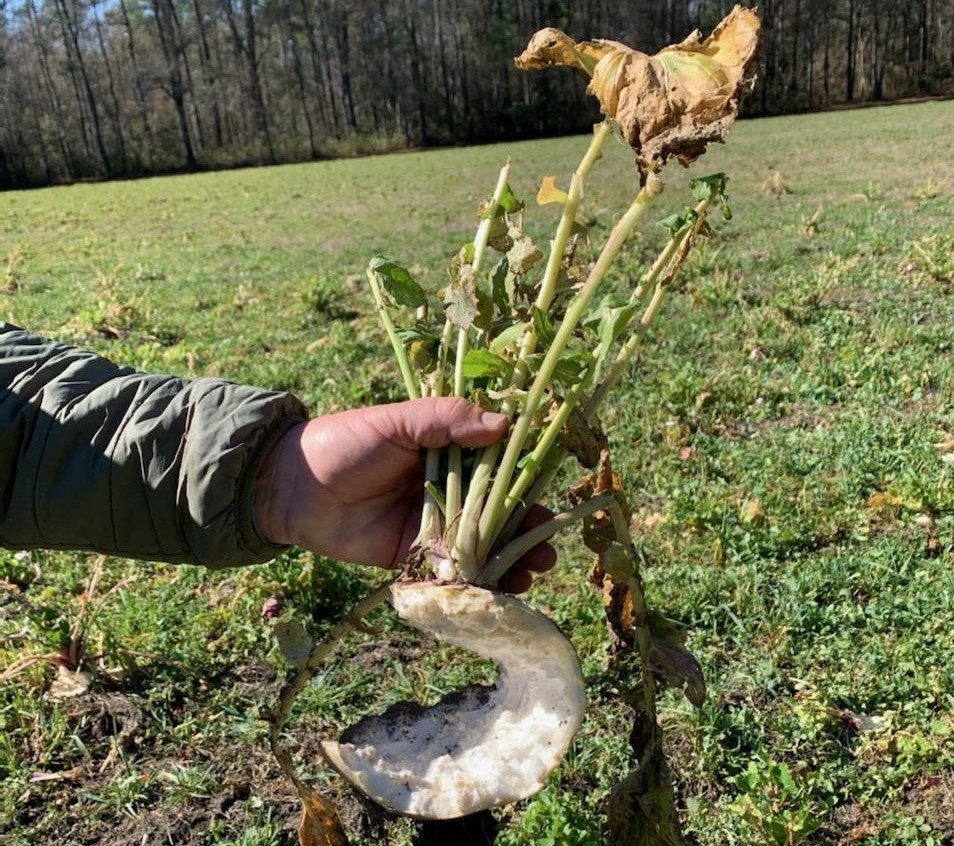
Question of the Week – Deer Damage
This week, the question was: What happened to this turnip? This turnip was eaten by a hungry deer (not Zack as was guessed in the comments). Deer feeding damage is a significant threat to yields in a number of produce and row crops. In addition, their presence in produce fields presents a risk to food…

