From Clemson Apiculture and Pollinator Specialist Ben Powell.
Recently, the Georgia Department of Agriculture reported that a specimen of the yellow-legged hornet (YLH) (Vespa velutina) was confirmed from Savannah, GA.
This native of southeast Asia is a predator of other insects, often attacking colonies of other social wasps and bees, including western honey bee colonies. It is closely related to the infamous northern giant hornet (aka “murder hornet”) that received so much attention recently, but the YLH already has a proven track record of invasiveness and damage to the beekeeping industry. Introduced into France in 2004, the YLH quickly spread across much of western Europe where beekeepers reported colony attacks and losses. Establishment of this exotic pest in the US poses a threat to our already embattled beekeeping enterprises.
The Clemson Apiary Inspection Program will be setting traps in the counties near Savannah to monitor for this exotic hornet and determine if it is established in SC. At this time, we do not have reason to believe that it is established here, but we are prepared to respond if it is located. Our program will assist with identifications and disseminating information as we receive it, and we remain in communication with USDA and our colleagues in Georgia to keep you updated.
We are asking for low country beekeepers to be vigilant for unusual hornet activity around bee hives. There also is a chance that this insect may be observed foraging on ripened fruits in vineyards and orchards. Clemson’s Department of Plant Industry has developed a reporting portal to receive reports of sightings and images of suspected hornets. Please direct all sighting reports to the portal here. Brad Cavin, with the Apiary Inspection Program, will follow-up with credible observations to the portal.
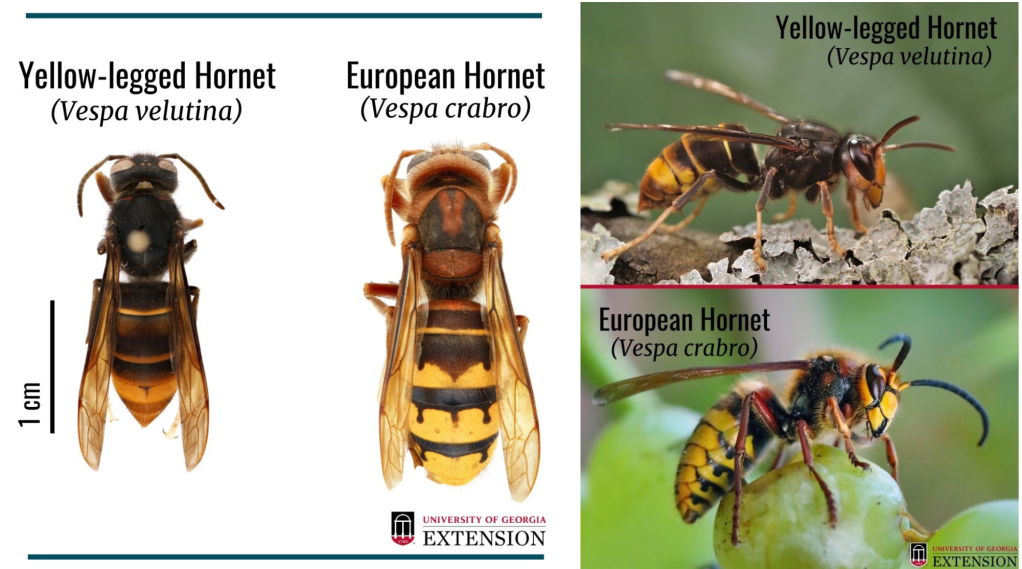
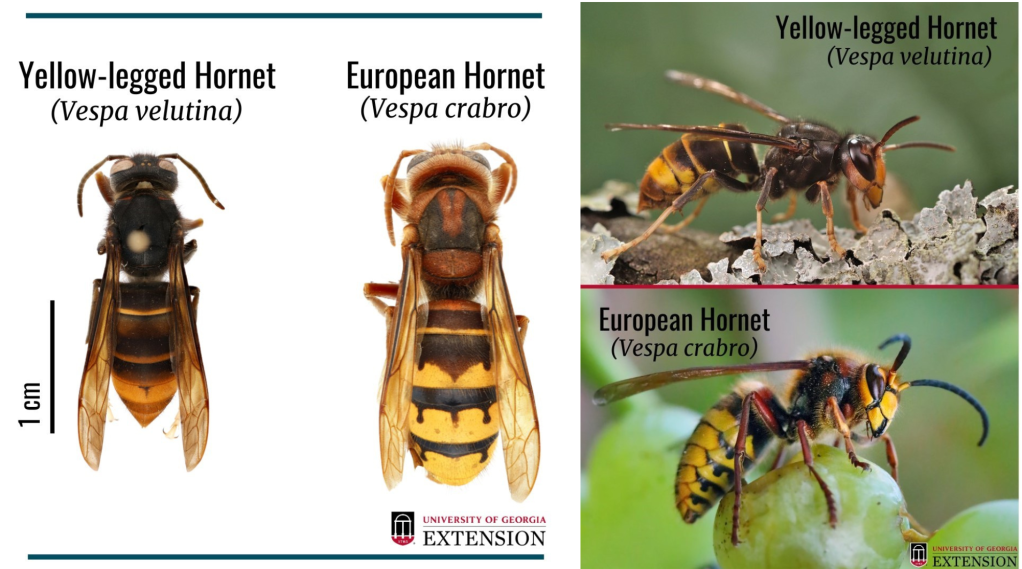
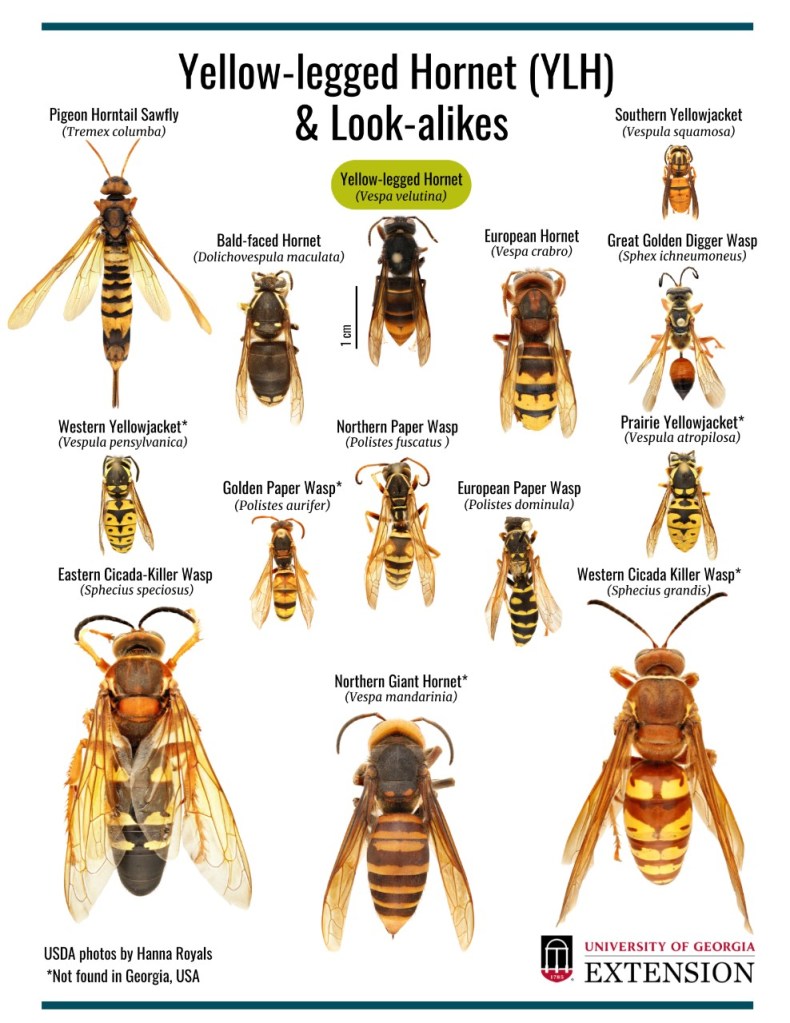
This insect may be confused for several native species and the already established European hornet. Please refer to this publication for more detailed information about this insect and how to differentiate it from the European hornet and other native look-alikes.
 The South Carolina Grower