Southern SARE is encouraging growers to submit proposals for the Producer Grant Program. “The maximum funding amount for a Producer Grant is $20,000 for individual farmers/ranchers and $25,000 for farmer/rancher organizations. Producer Grants are used to conduct sustainable agriculture research projects that solve agricultural production challenges farmers face and to develop information on what works and what doesn’t so that other farmers and ranchers facing those same challenges can benefit from the results of the funded project.” Learn more here.
Check out upcoming meetings on the Upcoming Events tab, and don’t forget to look at our Resources tab for links to crop handbooks, helpful websites, and related blogs. Also, check out the latest episode of the SC Grower Exchange Podcast.
Be sure to scroll all the way to the bottom to see this week’s Question of the Week, and check back on Thursday for the answer.
Midlands
Rob Last
- Following last week’s freeze event, I am seeing some freeze injuries, as can be expected for sensitive crops such as tomatoes. Further damage may become evident in the next few days. The freeze-damaged tissues can be more susceptible to fungal and bacterial pathogens from the creation of wounds.
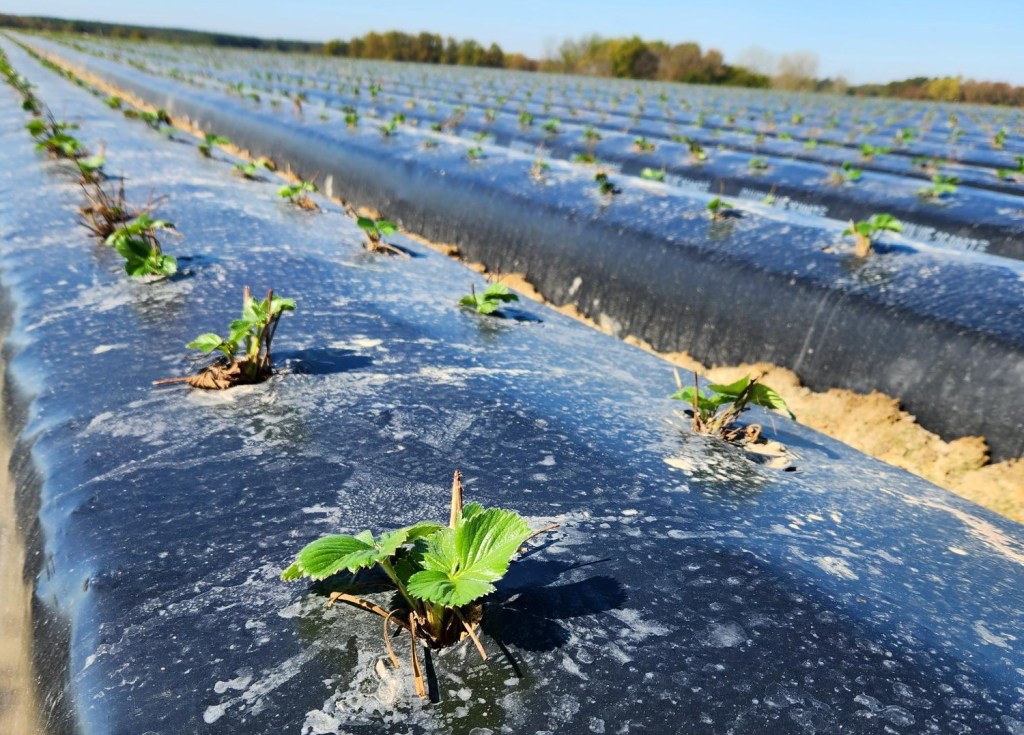
- Strawberries are establishing well and putting on new growth. Development rates may have slowed due to the cold spell, but growth rates will recover as temperatures warm up. Keep scouting and keep an eye out for spider and cyclamen mites.
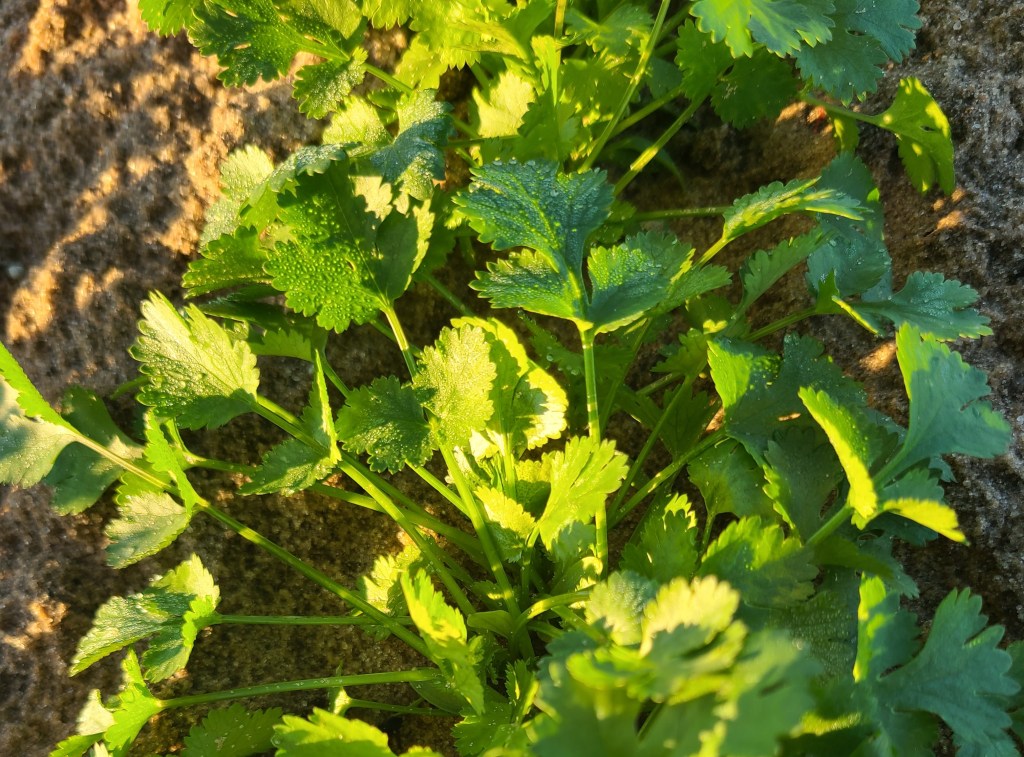
- Brassicas in the area are looking good. We are seeing a low level of purpling of the leaves due to reduced phosphorous uptake. As temperatures recover, phosphorous uptake will resume, and the purpling of the leaves will reduce. It is typically not necessary to apply additional phosphorous fertilizers.
Sarah Scott
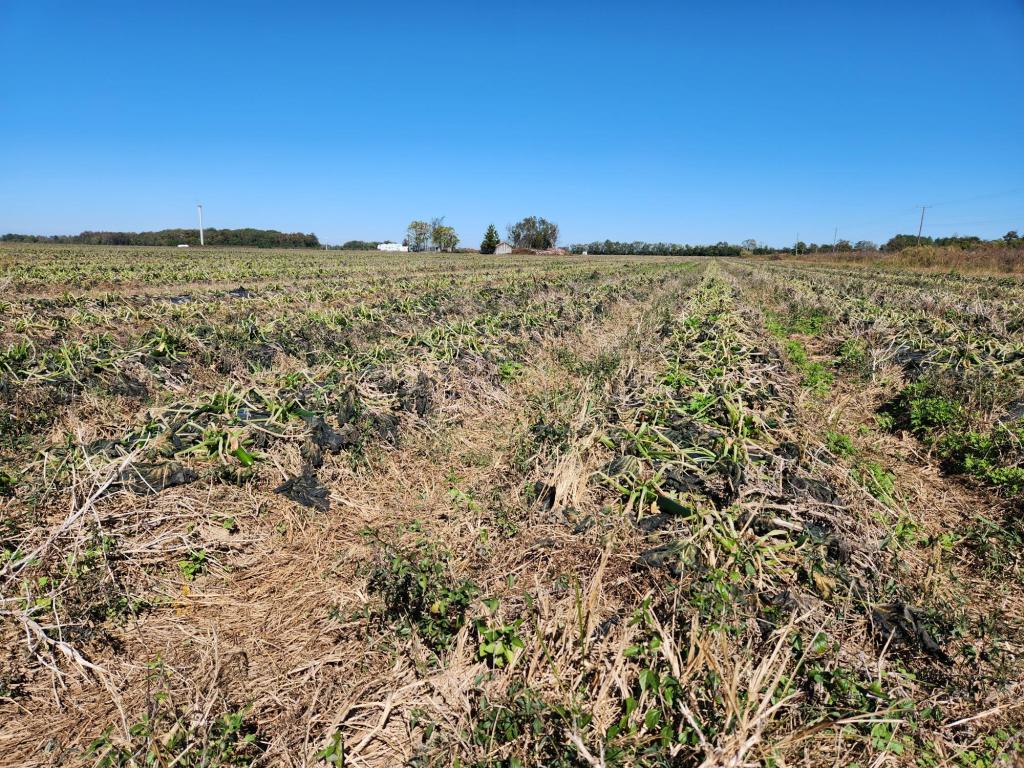
- We had a killing frost 2 nights in a row last week with temperatures in the high 20s. This brought an end to our late squash, tomato, and pepper crops.
- Brassica fields are seeing pretty low pest pressure from diamondback moths at this time. I have seen an uptick in cabbage aphids in some areas. Remember that weedy brassicas such as wild mustard can be a breeding ground for these pests and should be removed from the field and borders to lower pest population.
- Strawberry planting is complete and plants are getting established. We are extremely dry along the Ridge. Growers are pushing water to help those plants take root.
- Field preparation is underway for new peach orchards that will be planted this winter.
Pee Dee
Brittney King
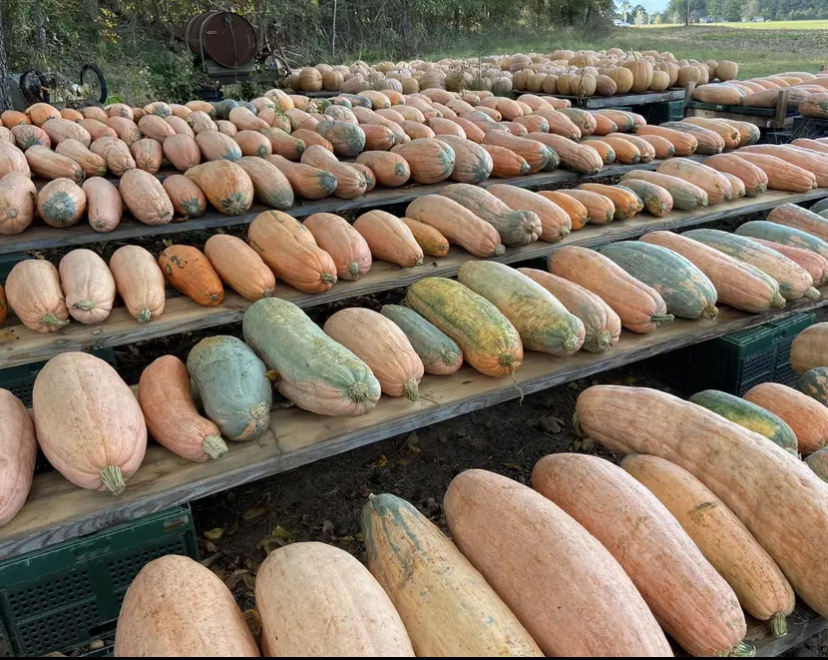
- We had a beautiful weekend here which seemed to make up for the very cold morning we had in the middle of the week. We saw a large harvest of native heirloom Candy Roaster squash last week! Most pumpkins have been harvested as well.
- I have gotten calls about pruning muscadine vines. The best time to prune is during dormancy between December and February. How mature and healthy your vine is will determine how you prune. Incorrect pruning can seriously harm your vine and reduce next season’s yield. Contact your local Extension Agent for advice on pruning muscadine vines if you have any questions.
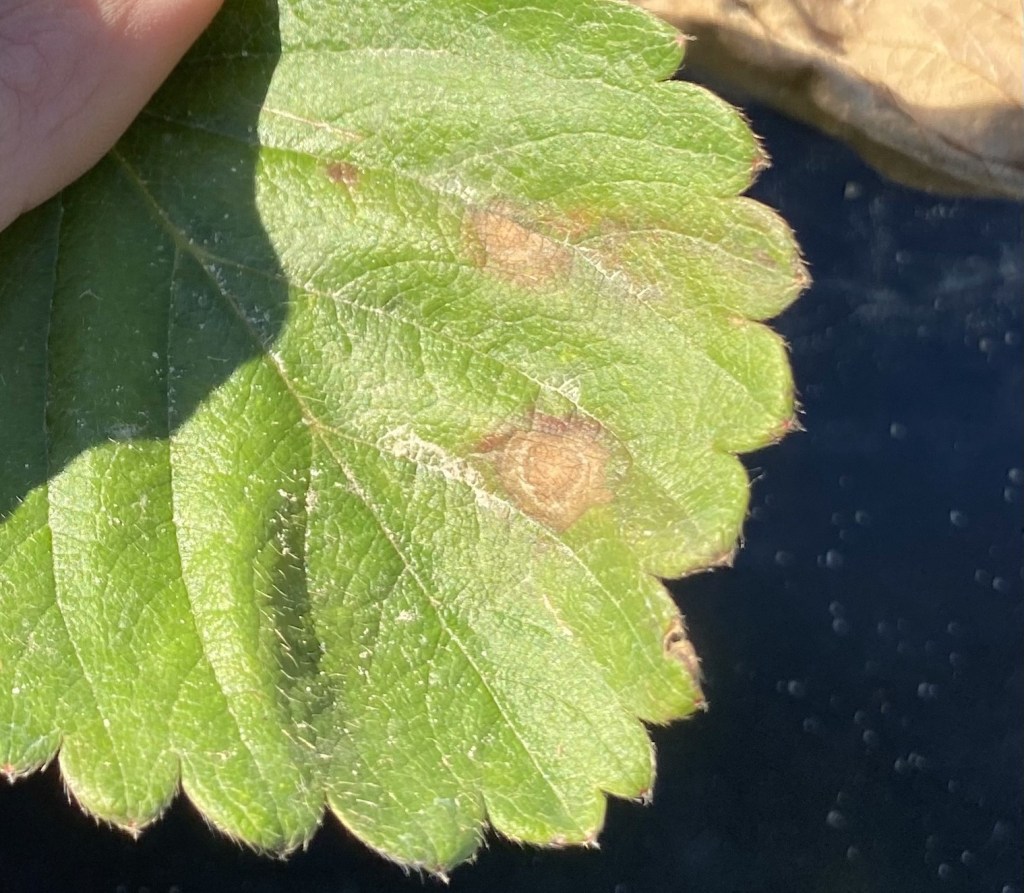
- I had a positive lab sample for Neopest last week in a strawberry field. Leaf wetness plays a critical role in this pathogen’s initial infection and spread. It is important to avoid working in the fields (harvesting, spraying) when plants are wet to prevent the spread between areas. Based on results from a field trial from Florida in 2020-2021, treatments with a combination of Switch and Thiram SC consistently performed the best. Be mindful if you have already or plan to use Switch to control Botrytis. Follow the label and keep applications limited to the maximum listed on the label. When trying to manage Neopest, make Switch applications around rainy weeks when leaf wetness is prolonged. DMIs such as Inspire Super, Rhyme, and Orbit are effective but should be used in rotation.
Question of the Week
What caterpillar is this that was found boring into a tomato?
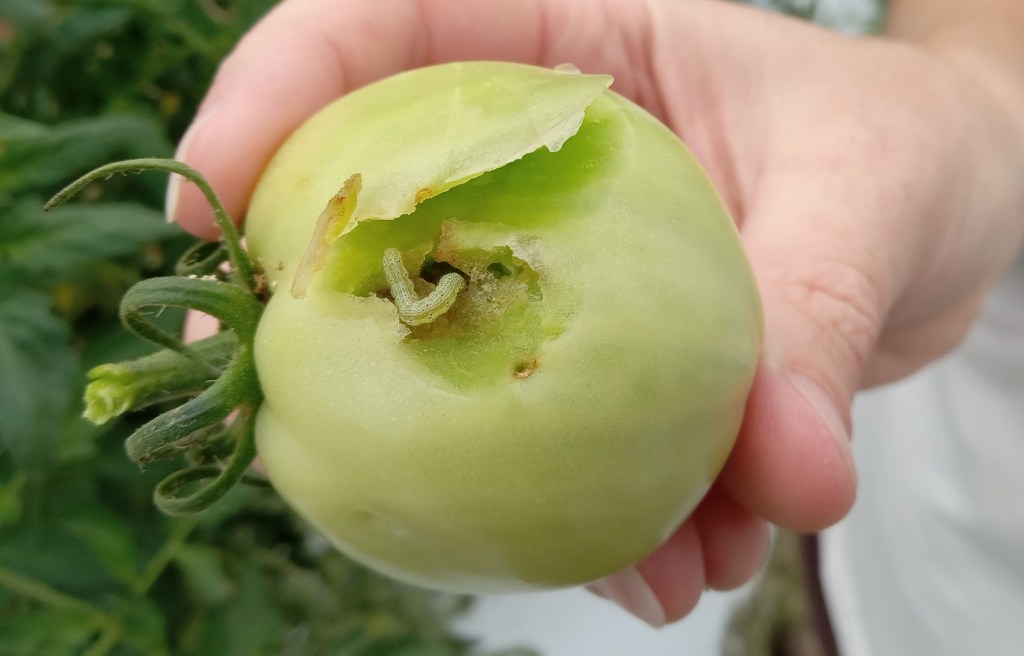
Answer in the comments below and check back on Thursday to see the answer.
 The South Carolina Grower