We have lots of meetings coming up over the next few months, so be sure to keep a close eye on the Upcoming Events tab so you don’t miss anything. Coming up this week is the Pea and Butterbean meeting in Manning.
Our recent Question of the Week post about the latrine from the War of 1812 received a lot of attention over the last week. Here is an article from the Charlotte Observer that provides a little more information on the find.
If you’ve ever considered planting wildflower strips on your farm to help attract and support beneficial insects, please consider taking this 5-10 minute survey.
The EPA recently published an updated list of chlorpyrifos products allowed for use on food crops. See that list here:
Also, check out the latest episode of the SC Grower Exchange Podcast below.
Don’t forget to look at our Resources tab for links to crop handbooks, helpful websites, and related blogs. Be sure to scroll all the way to the bottom to see this week’s Question of the Week, and check back on Thursday for the answer.
Coastal Region
Anna Sara Hill
- Spring is here, the weather is changing, and asparagus spears are being cut.
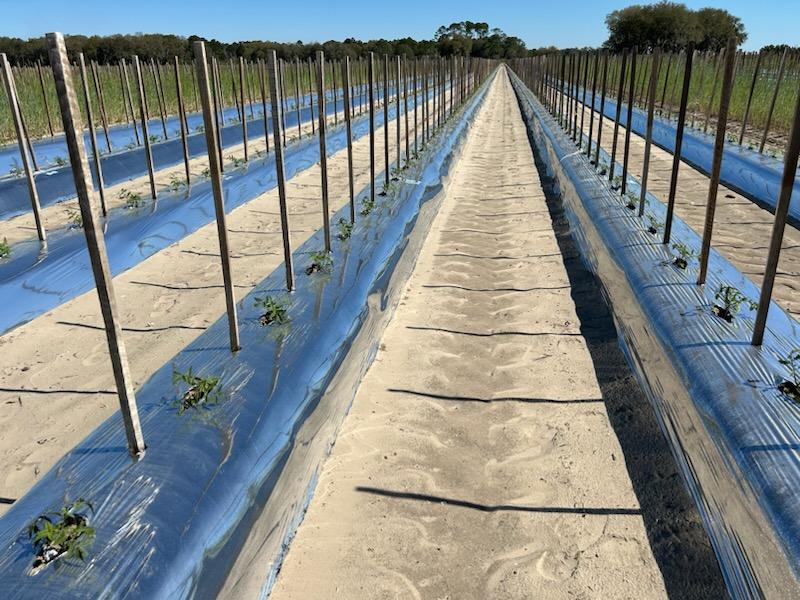
- Area growers are busy prepping fields, including laying plastic, repairing irrigation lines, spraying row middles for weed control, fertilizing and beginning to plant.
- Several watermelon growers already have plants in the ground under tunnels. Others will be planting this week or next.
- If there are any leafy greens that have bolted and have not been plowed under yet, now is the time to do it, as they are a haven for insect pests awaiting the opportunity to invade newly planted crops.
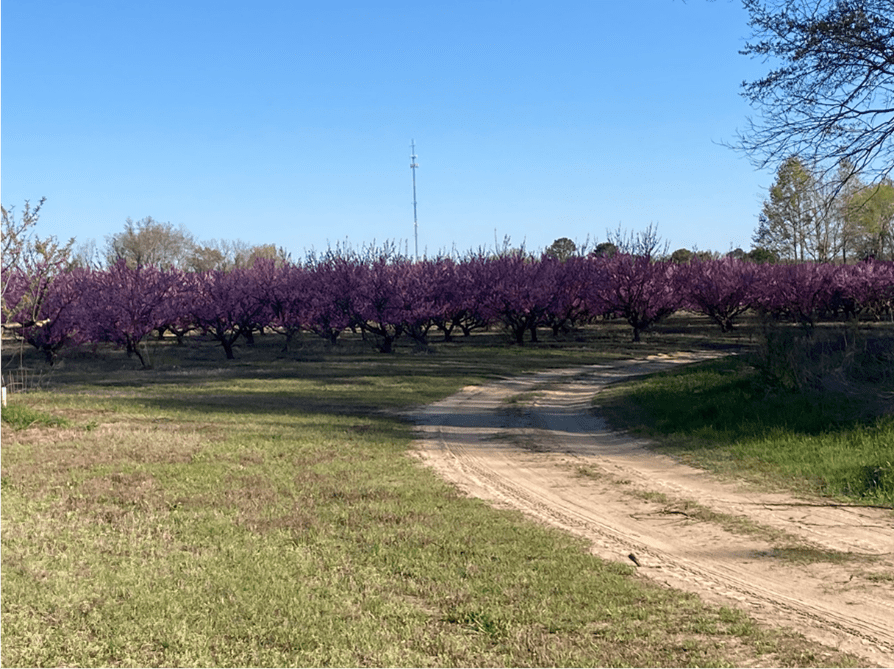
- Local peach trees are in full bloom, and it appears this could potentially be a “bumper crop” this year. Many of the trees will need to be thinned. Remember to wait until 7 days post-petal drop to begin applying insecticides.
- Keep an eye out for peach blossom blight as it can increase the chance of pre- harvest brown rot. Best recommendation practice is to spray 2 protectant sprays in peach blocks that had brown rot the previous season and in blocks that had brown rot cankers or mummies during dormant pruning. Use Captan or Chlorothalonil or a tank mix with thiophanate-methyl per label recommendations.
- Some pecans are beginning to bud out or will be soon, which is the time to begin spraying fungicides. Deploy traps along the edges of woods near your orchards to monitor for Ambrosia beetles. If beetles are present holes and sawdust will be observed, at which time begin spraying pyrethroids every 7 -10 days, maintaining a good MOA spray rotation.
Zack Snipes
- It was a windy week in the Lowcountry. I am seeing some stunting, yellowing, cold damage, and even wind/sand burn on some young plants this week. Early squash plantings look the worst with wind and sand burn but should pop out of it with warm weather and time.
- I saw at least a billion spider mites in one field of early squash last week. Not sure why they were so prevalent and active.
- I am also seeing an increase in mite pressure in strawberries. Our strawberries had our first big flush of fruit and are recovering. Make sure to get botrytis berries out of the field and spray for mites if you reach the threshold of 10 spider mites per leaflet.

Midlands
Rob Last
- Strawberries are developing well, and increasing volumes of great quality fruit are coming to market. Keep an eye on mites, even where applications have been made. Keep scouting for disease and maintain fungicide applications. As we get some ripened fruit, check for over-ripe and water-soaked berries. Removing these will help to reduce disease pressure. Thrips are present in the flowers. I am finding the native Eastern Flower thrips, which are not damaging and do not require treatment. The only way to determine thrips species present is to look under the microscope.
- Brassica transplants and leafy green are looking great. Keep scouting for diamondback moth, numbers are increasing. Where pesticides are being applied, remember to rotate the modes of action.

Sarah Scott
- We’ve had some cooler temperatures and rain this past week. Last Tuesday morning we reached lows right around 30 in Edgefield County, but the temperature quickly rose, and we do not suspect any cold damage to fruiting crops. Some weather station readings were a little lower in Aiken County, but again, the amount of time at those lower temperatures does not seem to be enough to worry about damage at this time.
- Peaches are moving along nicely, and we are already into post bloom stages on most varieties.
- Strawberry harvest has begun. Growers are picking lightly. The cooler temperatures and rain likely will slow things down a bit for a day or so but the forecast has much warmer temperatures by the week’s end, which will catch things up quickly. Still seeing heavy mite populations in spots. Will be keeping an eye out for botrytis on ripening berries as well.
Pee Dee
Brittney King
- I’ve seen a few instances of pushing too much nitrogen to strawberries this past week. In some fields, plants have 15-20 flowers, which will end up causing fruit size to be very small. If you have a large amount of flowers/fruit compared to leaves, it is recommended to decrease the nitrogen by 30%. Growers were able to get out protectant sprays before the rain started this weekend, which should help with any fungal issues, especially Botrytis and anthracnose. It is important to continue scouting for spider mites and cyclamen bud mites and contact your local Extension agent if you think you have either. Strawberry picking is now under way, mainly with the Camarosa variety, but I am seeing some Fronteras on market as well.
- I am seeing an uptick in diamondback moth, so it is a good time to scout and apply sprays. Bt is a great biological insecticide that will target caterpillar larvae and kill them within a few days.


Upstate
Andy Rollins
- Peach wise we a praying for continued favorable weather as temperatures have come close, but as of now have caused no significant damage in the Upstate. One Lauren’s grower did have some losses. We are looking forward to a great peach year, but are not out of the woods yet.
- Many peach growers have been trying labeled thinning product Accede to reduce bloom numbers. We have had varied success depending on concentration, variety, and conditions the material was applied under. This is an attempt to save on the exorbitant labor costs. Many have been wary of this practice because of loss potential. Growers need to look for entire fallen blooms on the ground, not just petals to get an idea of how well it is working.
- Some strawberry fields have let the ryegrass get too aggressive and need to consider killing it. When it gets above the shoulders of the beds, this is when we need to consider this. Clethodim is sold as Intensity One and Tapout by different companies. Both work well when used at the right rate and equipment is calibrated. Some growers are using turf type ryegrass varieties that are dwarfed and could be kept alive longer.
- I would encourage growers to scout for mites and make sure they are getting good coverage with protectant fungicides like Captan and Thiram. We are starting to pick, albeit slow starting.
- One last peach farm just planted and a new blueberry farm is going in this week.

Question of the Week
What is this critter that was found resting on a grill cover near the coast?
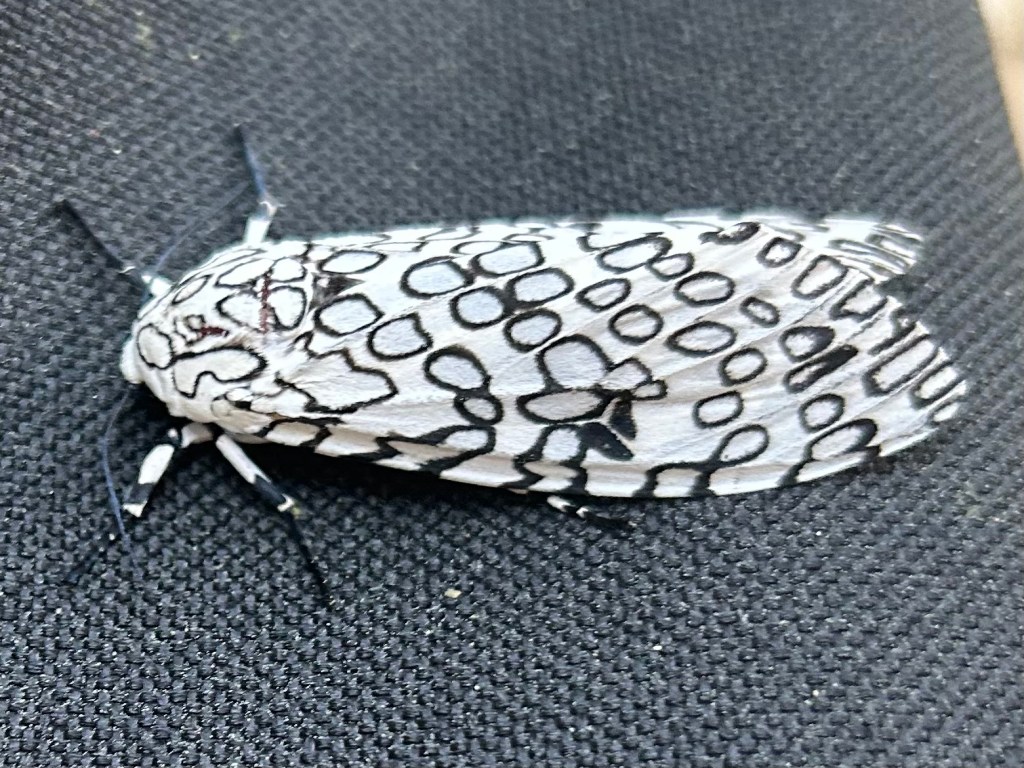
Answer in the comments below and check back on Thursday to see the answer.
 The South Carolina Grower