While the Pee Dee received some rain last week, other parts of the state remain dry. Insect pressure is creeping up, as is disease pressure. The recent cooler weather has fall crops looking great. See details below.
Check out the 2024 SC and GA Strawberry Production Webinar for some timely tips for the upcoming strawberry season. The webinar is available on-demand now through 10/15/24 and pesticide credits are available to participants. View Details and Register Here
Keep an eye on the Upcoming Events tab periodically so you don’t miss anything. Also, check out the latest episode of the SC Grower Exchange Podcast below.
Don’t forget to look at our Resources tab for links to crop handbooks, helpful websites, and related blogs. Be sure to scroll all the way to the bottom to see this week’s Question of the Week, and check back on Thursday for the answer.
Coastal Region
Zack Snipes
- Fall is in the air. Growers are busy putting in fall crops like greens and lettuce.
- We are beginning to harvest some squash and pumpkins as well.
- We are preparing ground for strawberries. It will be an interesting year in strawberries due to the disease issues coming out of the nurseries. I have heard of growers purchasing many varieties that Extension Agents have not seen in the field before. We will learn a lot this year. One trend I am seeing, and I am a huge fan of, is using double drip tape on strawberries. I have personally seen this investment pay off for growers in our sandy soils in the Coastal Plains. I say this every year but go ahead and put up your deer fences BEFORE you begin working your strawberry ground.
Midlands
Phillip Carnley
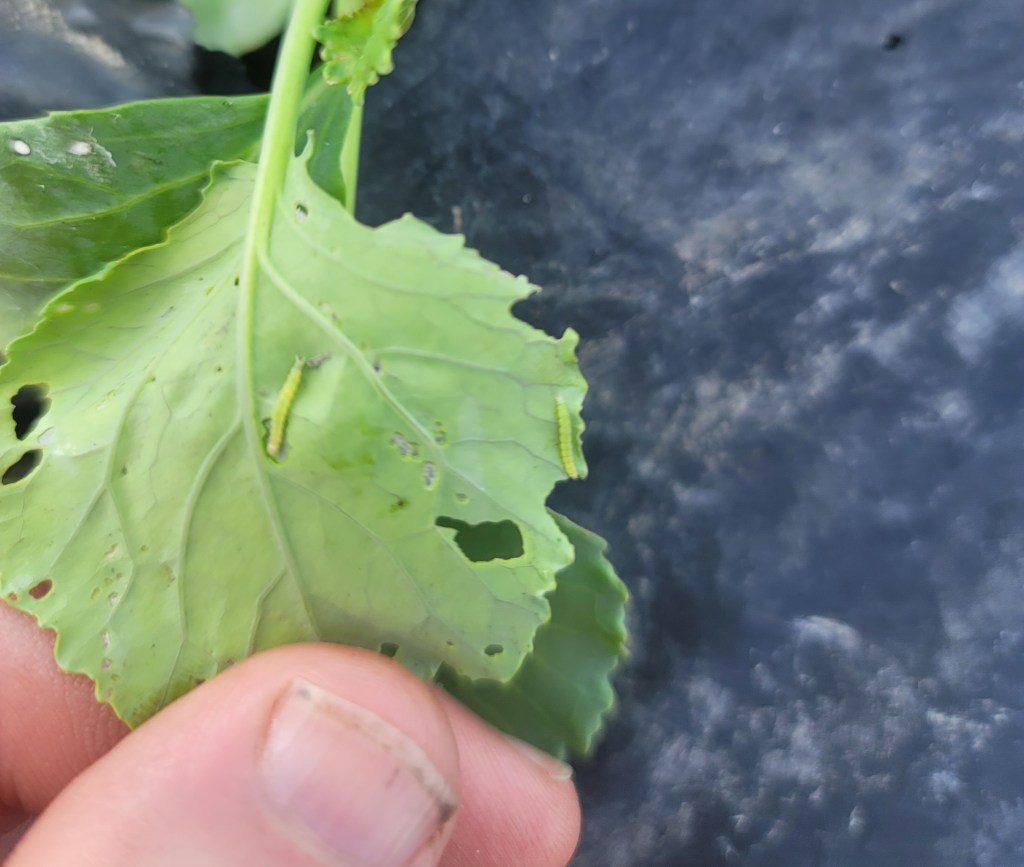
- We are still very dry throughout the Midlands but there were scattered showers for the lucky few. Leafy greens are doing well and were spurred into quick growth with the cooler temperatures last week. Diamondback moth is still the primary pest currently, even being found on freshly transplanted greens. Coragen has been our go to chemical for the first application after transplant for its longer residual followed by any application of Dipel or Xentari for maintenance.
- Green peanuts and being harvested with yields looking rather good, and most producers opting for hand harvest.
- Fall cucumbers are looking great, the drier weather coupled less cloud cover has seen improved yields and less disease compared to last season.
- Fall cowpea production is starting to see some curculio damage. A perimeter treatment of a pyrethroid at the first sign of bloom has been a great deterrent thus far.
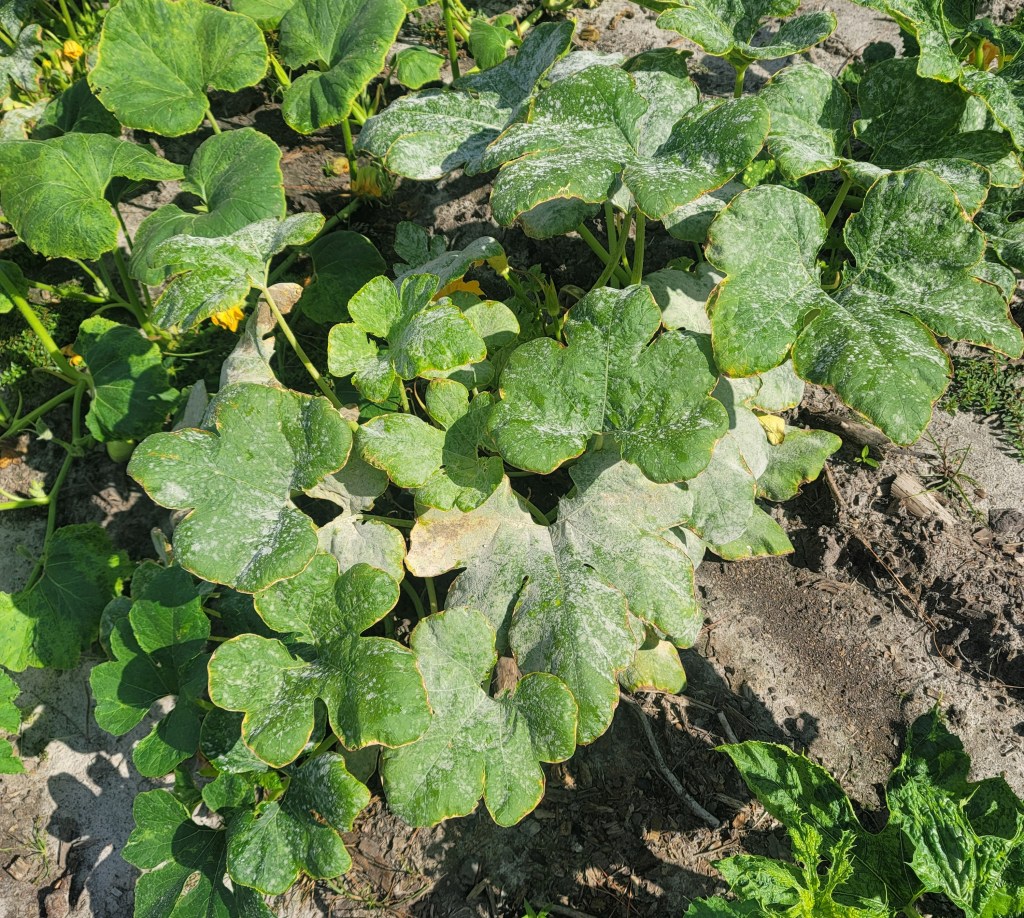
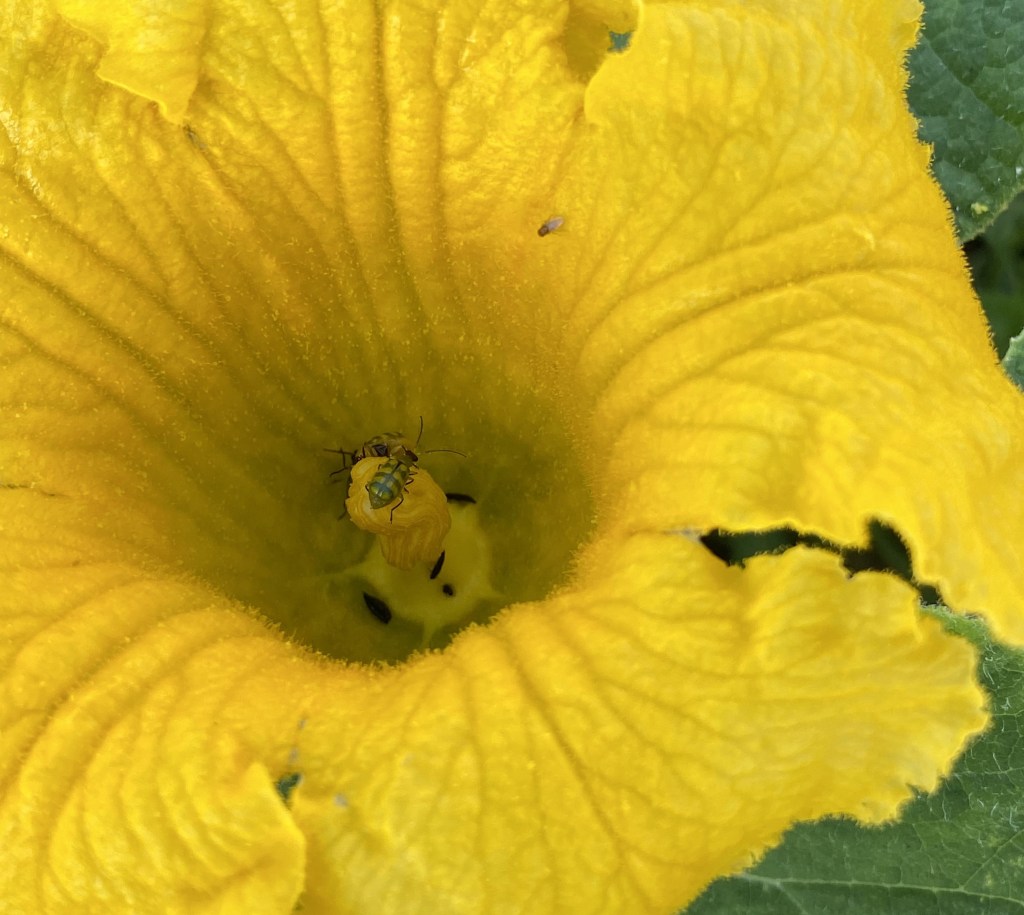
- Powdery mildew and various viruses are plaguing pumpkins. Striped and spotted cucumber beetle populations are also building in cucurbits with increased corn harvests.
Rob Last
- Crops in the Midlands are looking good.
- Tomatoes and peppers are fruiting well.
- Leafy green development looks fantastic right now.
- Foliar disease issues remain low, however keep scouting for any changes. Southern blight and bacterial wilt are showing up in tomato crops.
- Whiteflies and diamondback moths are active right now.

Pee Dee
Brittney King
- The Pee Dee thankfully received a downpour last week and had around 3.5 inches of rain in one day. Prior to this, most fields were really dry and in need of a good rain.
- Strawberry growers should be receiving their plants in the next few weeks. Make sure to inspect your plants when you get them and throw out any obvious signs of plant disease. There are a few agents doing on-farm, in-line fumigation applications and trials, so please get in touch with one of us if you are interested in learning more.
- Muscadine grapes are still producing with good volume and quality. I have seen fruit rots, mainly bitter rot and ripe rot. Bronze varieties are more susceptible to ripe rot than purple varieties. Resistance to FRAC 11 fungicides is an issue with ripe rot, so be sure to combine or alternate with different fungicides. Vineyards that have had severe fruit rot issues in the past should utilize fungicides like Manzate and Penncozeb early on, as these have 66-day PHIs. Once we get into harvest, we are limited to fungicides like Captan and Switch, which still have 7-day PHIs. Fruit rots are best controlled early in the season. Proper pruning and sanitation are also important in preventing fruit rots. As far as insects, I have seen leafminer damage to leaves, but those rarely cause enough damage to warrant treatment.
- Pumpkins are progressing very nicely, with anthracnose leaf spot and striped cucumber beetle being the main issues I see. Many varieties are sizing up, and U-pick pumpkin patches are opening up in the next 2 weeks. For striped cucumber beetle, a pre-plant application of Admire Pro or Scorpion will give you good control early in the season. Harvanta has a 1-day PHI and will be good to use in rotation with other insecticides since it can only be applied 3 times per year. Management for anthracnose in pumpkins should be started prior to the appearance of the disease. Multi-site fungicides like Manzate in the early season are essential in preventing this disease from occurring and spreading. In the past, resistance has been reported to FRAC 11, so again make sure you are alternating sprays to prevent resistance.

Question of the Week
What is this hairy-looking thing?
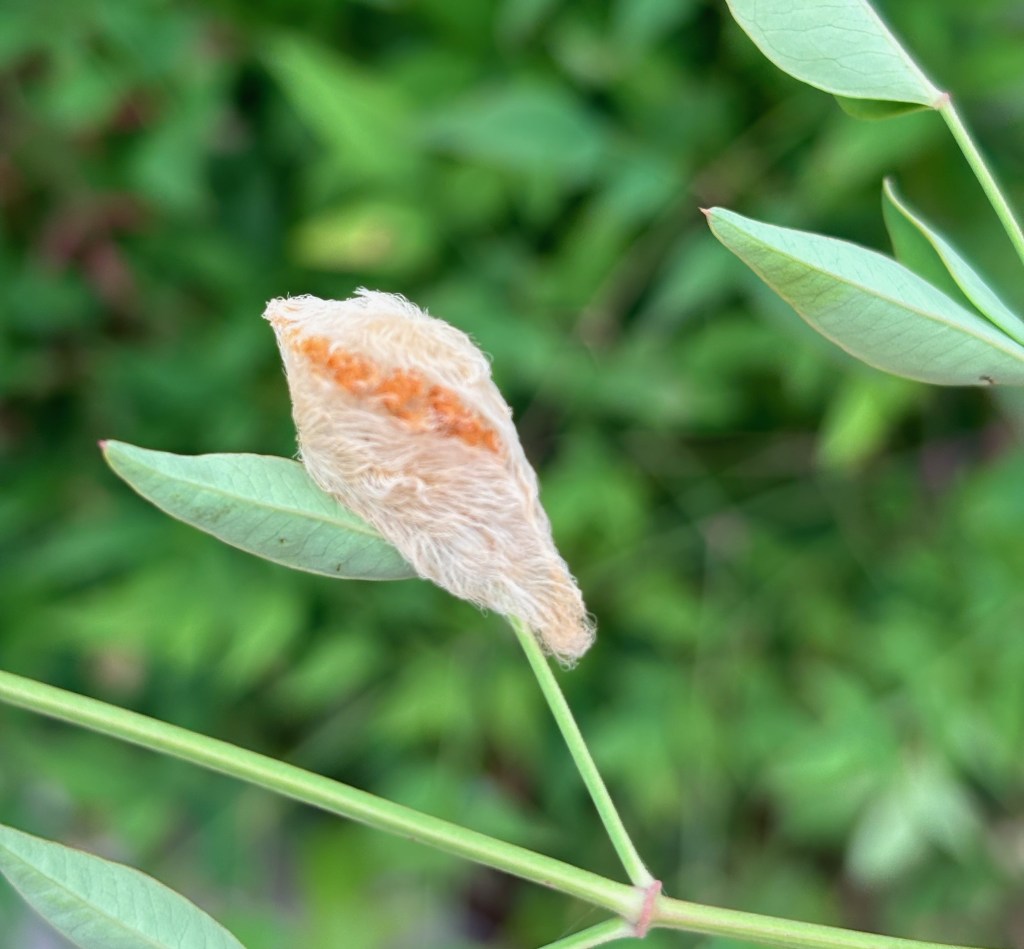
Answer in the comments below and check back on Thursday to see the answer.
 The South Carolina Grower