From Clemson Plant Pathologist Tony Keinath
For anyone who missed the Preplant Cucurbit Meeting on Feb. 7, 2025, at the Edisto Research and Education Center, here is a recap of the main points on scouting fields for cucurbit diseases.
Table 1 shows which diseases are most likely to show up on different crops. Use this chart to help narrow down the possible choices for a positive ID. Note that most crops have at least one major disease that occurs every year (marked with ***). Fungicide applications should be tailored to manage these diseases.

Five key steps to effective scouting:
- Start scouting early, no later than 3 weeks after transplanting. Check fields weekly.
- Drive through or around field and look for “hot spots” of discolored leaves or stunted plants.
- Get out and investigate! You can’t scout just from inside a pickup truck. Look closely for key symptoms (see Table 2).
- Snap a pic with your phone for reference or documentation of when a problem started.
- If you don’t recognize the disease, get help from your county Extension agent. They will gladly help with ID, but they can’t walk every field for you.
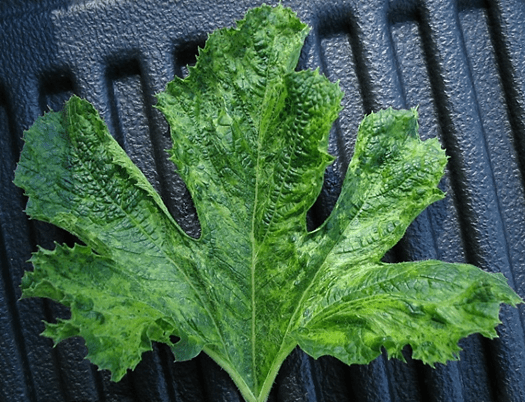
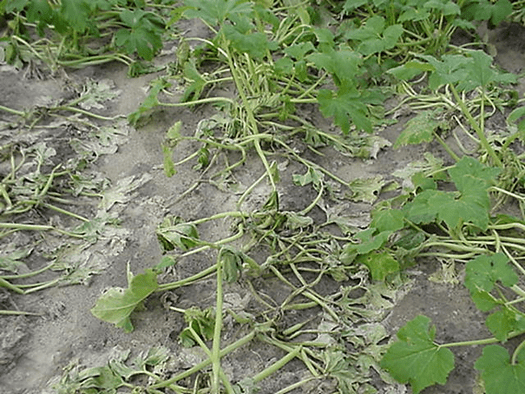
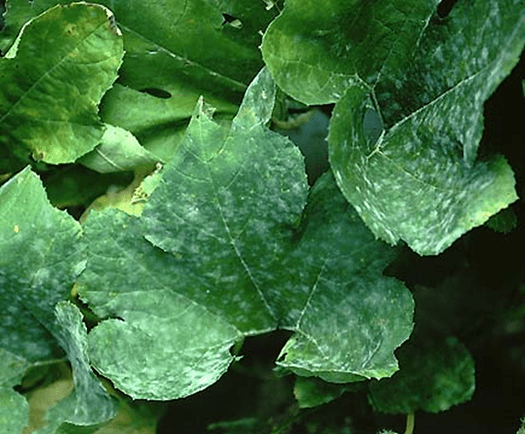
Table 2 gives key symptoms for common cucurbit diseases. If you see a symptom that matches this description, you can be 75 to 90% sure about the ID of the disease. Table 2 also has useful time-saving information: which crops to check first (if you grow multiple cucurbits) and where to look for symptoms.
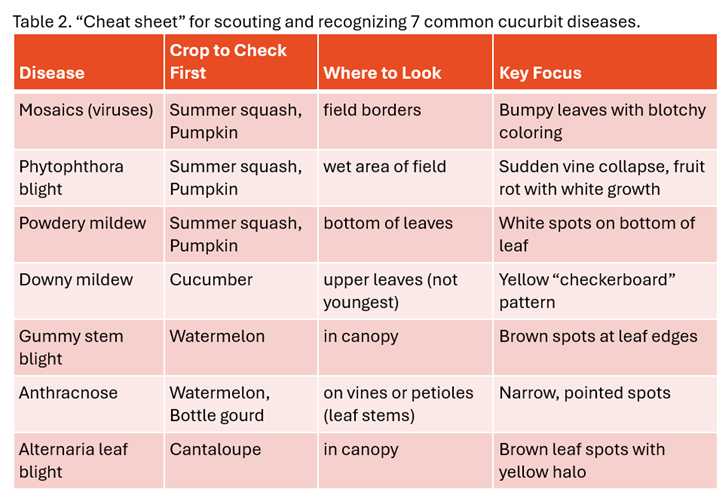
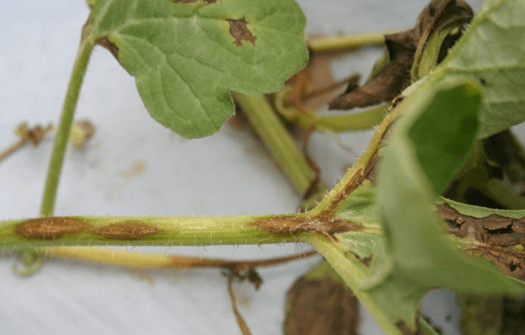
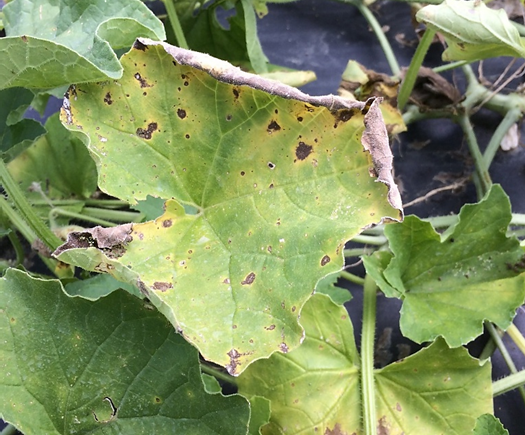
Here are a few photos of the common symptoms to look for while scouting.

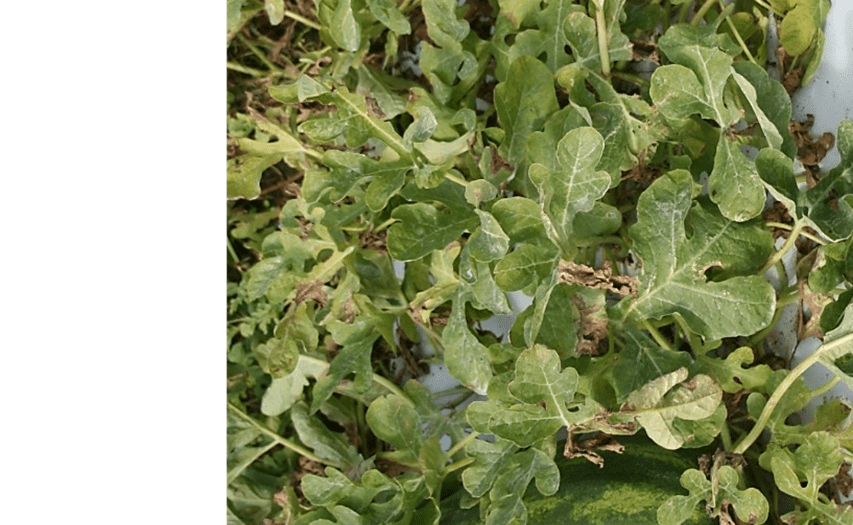
Gummy stem blight symptoms on watermelon foliage.
 The South Carolina Grower
One response to “Field Scouting and Identification of Diseases on Cucurbits in South Carolina”
[…] first symptomatic leaves are often hidden by the healthy foliage above them. This camouflage is why proper scouting must be done on foot by walking diagonally across the […]
LikeLike