Another hot, humid week has passed. Growers are prepping fields for fall crops, and some planting has begun. As dry weather has set in, mites are becoming a problem in places. Disease pressure remains high in a variety of crops. See details below.
Keep an eye on the Upcoming Events tab periodically so you don’t miss any of our winter/spring meetings. Also, check out the latest episode of the SC Grower Exchange Podcast below.
Don’t forget to look at our Resources tab for links to crop handbooks, helpful websites, and related blogs. Be sure to scroll all the way to the bottom to see this week’s Question of the Week, and check back on Thursday for the answer.
Coastal Region
Anna Sara Hill
- This past week, rain has been spotty across the area. Some farms have gotten daily showers, ranging from heavy to light rain with pop-up storms, especially near rivers. Other farms that have not gotten any rain are hot and dry.
- Watermelon harvest and other vegetables such as squash, eggplants, tomatoes and peppers are tapering off.
- Pecans have had a high incidence of scab this year. Scab is divided into leaf scab and nut scab. Early-season control should target foliar scab, and late-season control should target nut scab. Pecan scab can be managed with cover sprays of chemicals primarily in MOA groups 3 and 11. Scab resistance can be decreased by adding Diodine, TPTH, Miravis Prime, or Minerva Duo into the rotation or tank mixing one of these products with MOA 3 or 11. Applications should be made with a series of 7-10 fungicide sprays applied between budbreak (early April) through shell-hardening (mid-August). Always make applications per label rates and follow all label directions. See UGA Commercial Pecan Spray Guide for more treatment information. Commercial Pecan Spray Guide. Updated recommendations come out yearly and can be found online.
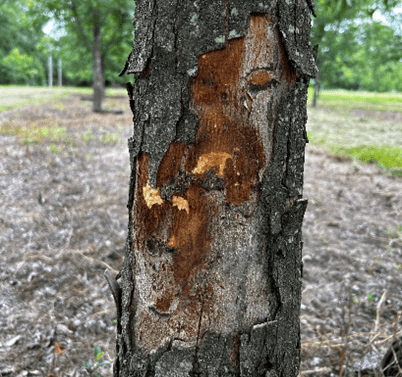
- In one pecan orchard, I noticed bark peeling on some trees, exposing a cinnamon-colored wood underneath. Bark peeling is not a cause of concern unless the white wood underneath is exposed. As the tree heals, the bark underneath will turn darker and eventually take on the characteristics of the outer bark layer.
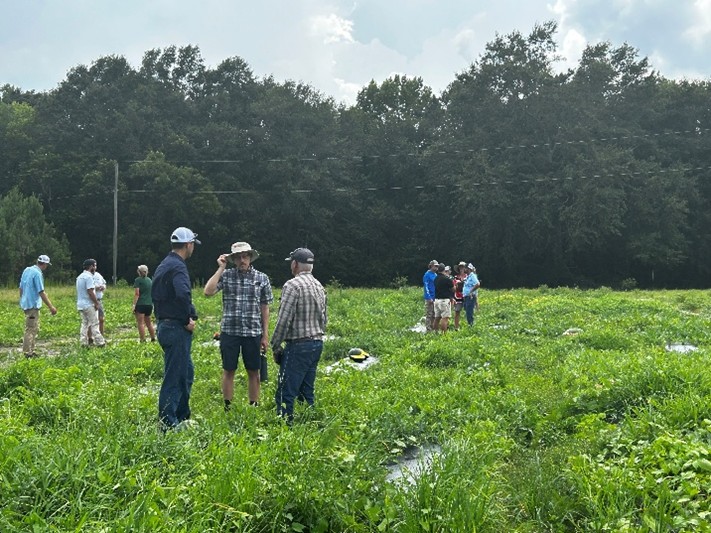
- The SC Watermelon Association and Edistro REC had Watermelon Field Days on 7/9 and 7/10, respectively. The Watermelon Association event featured 60 watermelon varieties and an interactive quiz on pest and beneficial insects and diseases of watermelons. Edistro REC event featured presentations on nutrient management, weed management, and pesticide efficacy. Both events were well attended.
Zack Snipes
- It was a scorcher of a week as we are in the middle of the dog days of summer. I did a little digging about the dog days and what that means. If you have a few minutes, give it a read. Apparently, other cultures from long ago didn’t love them either.
- We are wrapping up our summer harvests of tomato, watermelon, cut flowers, and sweet corn. Our peppers and okra are still going strong, and with the heat and rains, they should keep producing for a while.
- Many growers are laying white plastic and getting fields ready for fall crops. Squash, cukes, pumpkins, tomato, and melons have all been planted for the fall. Growing in the fall means increased insect and disease pressures. Using Bt corn, downy mildew resistant cukes, and nematode resistant tomatoes can really help with growing fall crops.
- I have seen lots of nematode issues this year, so sending in some soil and root samples for analysis can help in avoiding certain fields for next season.
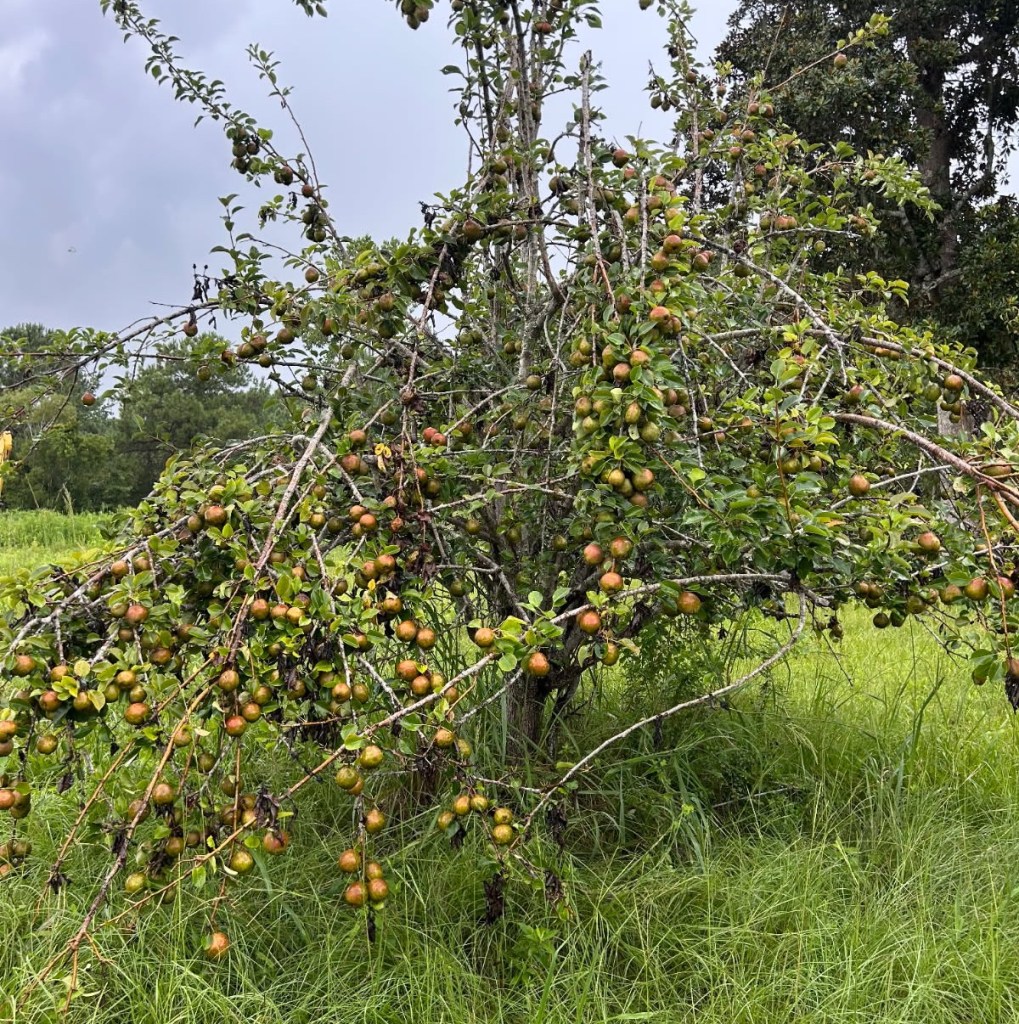
- Pears have loaded up with so much fruit this year that limbs are breaking.
Midlands
Rob Last
- Another very hot week here in the Midlands with extreme heat warnings in place for the next few days. Take precautions to protect yourselves and employees from the adverse effects of excessive heat.
- Preparations for fall plantings are in full swing. Remember to make sure there is sufficient moisture when forming beds to create a firm bed. Taking time to ensure good bed conditions will pay dividends for the crop performance.
- Diseases and pests are showing up in most crops given the humidity and higher temperatures.
- Remember to keep scouting and destroy harvested crops promptly to minimize pest and disease carry over.
- In general, muscadines are looking great. Remember to keep up with fungicide applications to minimize fruit diseases.
- Pumpkins in the Midlands are setting fruit, with evidence of pickle worm. These crops are more advanced than most, due to being early-planted and a breeder cultivar trial under high disease pressure situations.

Pee Dee
Brittney King
- Things have been hot and humid in the Pee Dee this past week. Overall, I am seeing more disease and insect pressure, most likely due to the weather conditions.
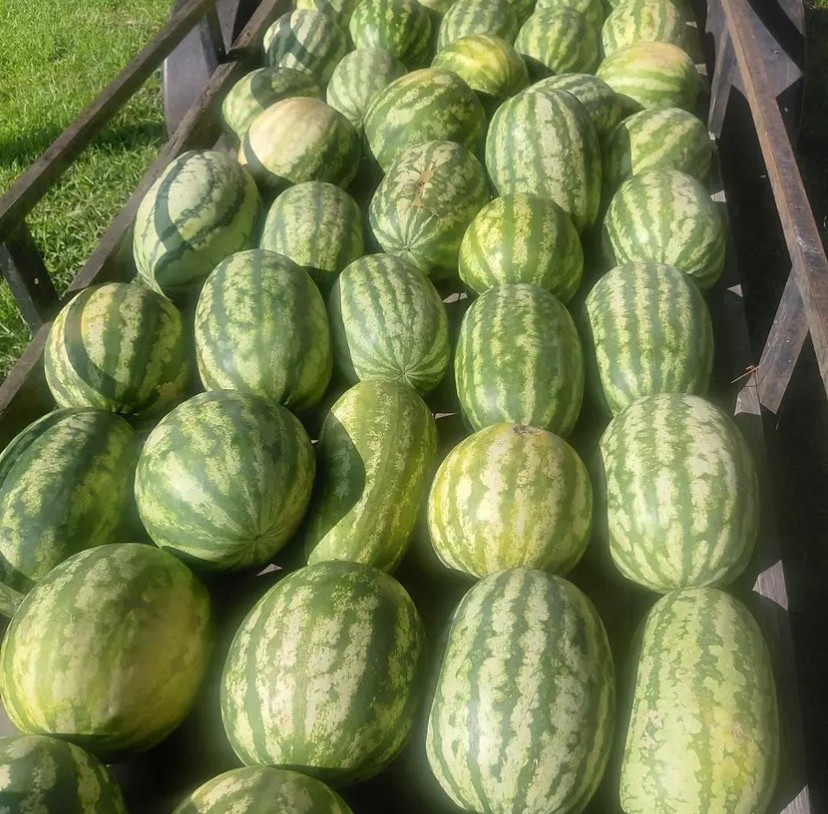
- Summer crops like tomatoes, peppers, and watermelon are still being harvested but gummy stem blight and anthracnose are very present. I expect these crops to start slowing down in the next week or two, especially if we get the rain that is forecasted for this week. Sunscald has also been an issue with these crops.
- I have gotten some questions about planting fall watermelon behind the spring crop. Disease carryover and insect pressure will be highly increased going into the fall season so that is something to take into consideration when looking at planting melons again, especially with pesticide costs. Any diseases and insect issues you had in the spring/summer will most likely be amplified in the fall crop.
- Okra is really loving this weather and harvest is going great.
- Cowpea harvest is going great this year with cowpea curculio causing some issues, but not as much as last year.
- Pumpkins have been planted and are progressing well so far.
- Peach harvest is still in full swing with the Big Red and Summer Red varieties being ready to pick in the next week or two. The last of the Cresthaven variety was picked this weekend.
Upstate
Andy Rollins
- Extreme heat and drought has set in.
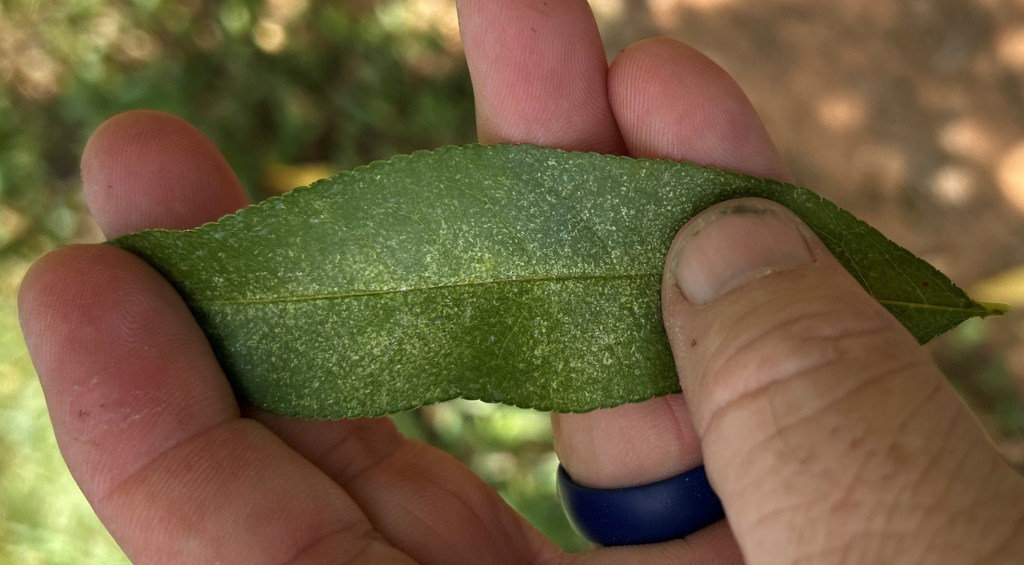
- I recently visited a block of Flameprince peaches that had randomly distributed yellowed trees. All were under drought stress as evidenced by grass in row middles wilting mid-morning. The grower irrigated on Saturday during which a short 0.3” rain event occurred as well. Trees have already responded to the water, as well as the grass middles. This was not the only problem. There were also leaves with bronzing symptoms on the tops of the leaves (pictured) and two spotted spidermites were present on the undersides of the leaves. Growers need to use a 10x doublet or triplet loupe to see them. I recommended usingAcramite 50WP at 1lb per acre as per label instructions. It shouldn’t be combined with other products when applied. The California red mite is also found in our area, but I haven’t identified it this year.
- Ironically, 30 miles east of that farm, I have a large pepper farm with the opposite issue. He has had excessive rain combined with excessive heat and high humidity. This is shutting down transpiration in the peppers and causing blossom end rot. I found multiple secondary infections, including anthracnose, bacterial soft rot, and what looked like a species of Choanephora. This is a common disease on cucurbit plants displaying a black spore on the end of a white projection. It is often found on the blossom end of squash and zucchini, even more so with poor pollination.

Question of the Week
What is developing at the base of this peach tree?
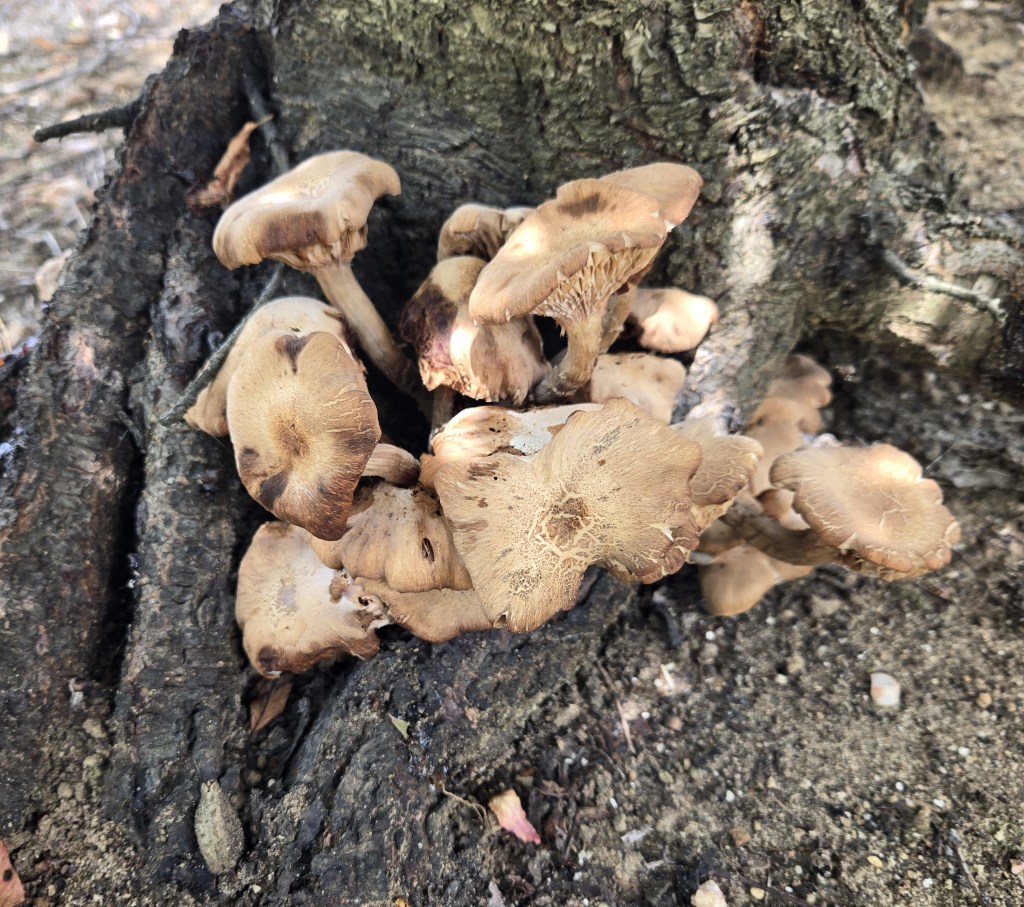
Answer in the comments below and check back on Thursday to see the answer.
 The South Carolina Grower