Well, its hot. Parts of the state received rain this past week, while others have been dry for most of the month. Some growers are applying kaolin products to reduce sunscald on developing fruit. Fall crops are beginning to go into the ground. See details below.
Keep an eye on the Upcoming Events tab periodically so you don’t miss any of our winter/spring meetings. Also, check out the latest episode of the SC Grower Exchange Podcast below.
Don’t forget to look at our Resources tab for links to crop handbooks, helpful websites, and related blogs. Be sure to scroll all the way to the bottom to see this week’s Question of the Week, and check back on Thursday for the answer.
Midlands
Rob Last
- It has been a very hot, dry week here in the Midlands with severe heat warnings in effect for the early part of the week. That being said, it does appear we may get some respite from the high temperatures as we move into the latter part of the week, and hopefully some rainfall.
- Crops on the whole are fairing reasonably well, with fall plantings of tomatoes and peppers going into the ground.
- Sunscald is a common problem on many fruiting crops, such as peppers, and can be reduced through applications of kaolin clay products.
- Maintaining soil moisture for all crops is challenging given the heat, so keep checking soil moisture and adjust irrigation run times accordingly.
- Monitor new plantings for signs of stress or leaf scorch.
- Applications of crop protection materials in the heat of the day can increase scorches. To minimize the damage, make applications in the very early morning or evening, Adjusting the time of applications can also help operators avoid heat-related illnesses.

Pee Dee
Brittney King
- Last week was very hot for the Pee Dee with an extreme heat advisory being put in place for most of the weekend through tonight (7/28). Fall planting is underway so please be sure to stay hydrated and watch for signs of heat stress and exhaustion in yourself and your employees.
- We did get some much-needed rain in areas of the Pee Dee last week, but some areas still haven’t received much rain at all and are very dry.
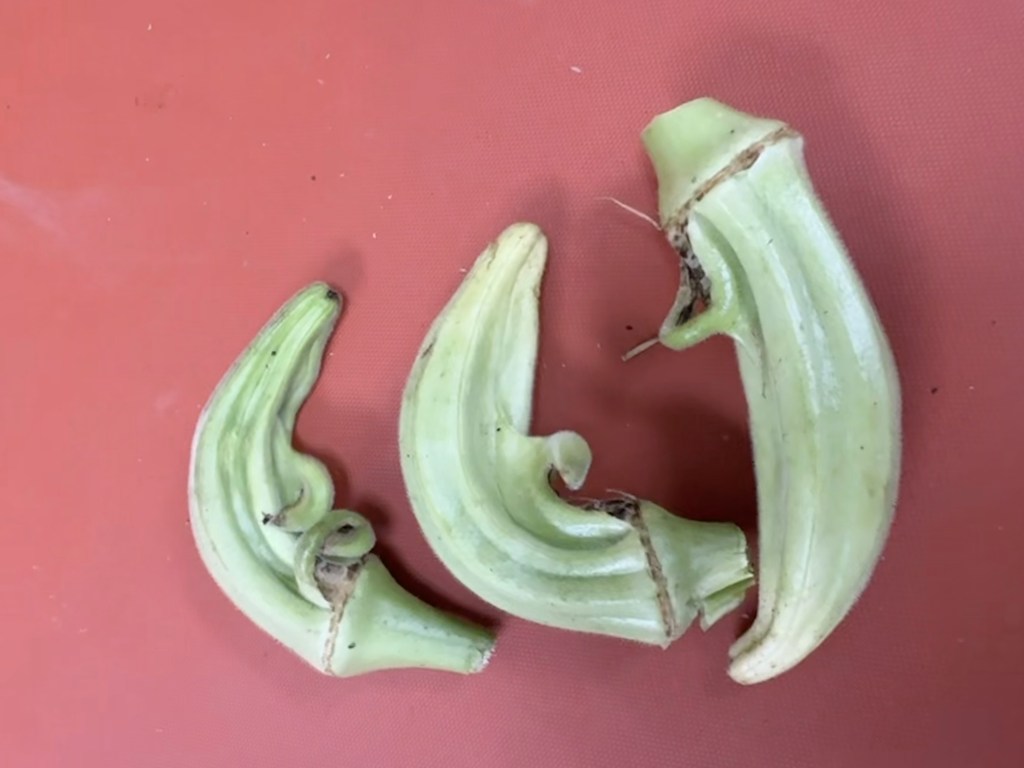
- Okra and peppers are loving the heat and the rain seemed to help as well. I am seeing stink bug damage on okra and sunscald to peppers, but otherwise, no issues.
- Some varieties of watermelon are still producing. Gummy stem blight is really taking over at this point, and I expect harvest to stop soon.
- Blackberry season is mostly over except for those who have primocane varieties. These will push another crop into the fall. Late-season blueberries are starting to wind down but yields and quality have been great this year!
- Reminder to all strawberry growers to get your orders in, if you haven’t already. Many growers have been able to get the varieties they want this year. Now is also a good time to stock up on chemicals and make sure your equipment is functioning right.
Upstate
Andy Rollins
- Peppers in Upstate are still under extreme heat stress. Products like “Screen-It” are being used to help protect crops from sun/heat damage. This product, unlike others that have a kaolin clay base, doesn’t leave a residue. I am unsure if this new product will actually help. I have encouraged growers to keep plants watered properly, but not excessively. Many areas of vegetable production are low lying lands near creeks and rivers. Excessive watering can cause more problems than it helps. Irrigating more frequently, rather than just increasing run time, will be more helpful.
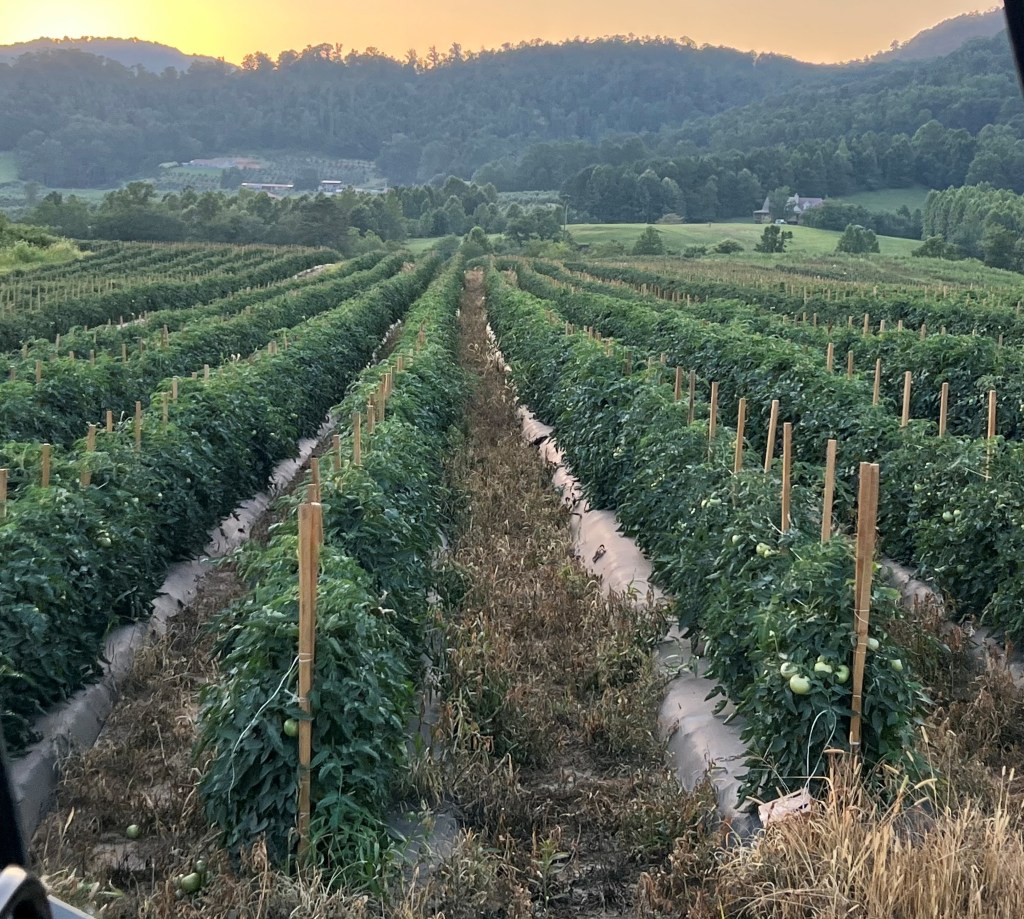
- Weeds in the row middles got out of hand in the field pictured below. I recommended the grower spray 1 quart of Gramoxone per treated acre and to add 10 lbs of spray grade ammonium sulfate per 100 gallons water. This gives additional burn down when weeds have gotten out of hand.
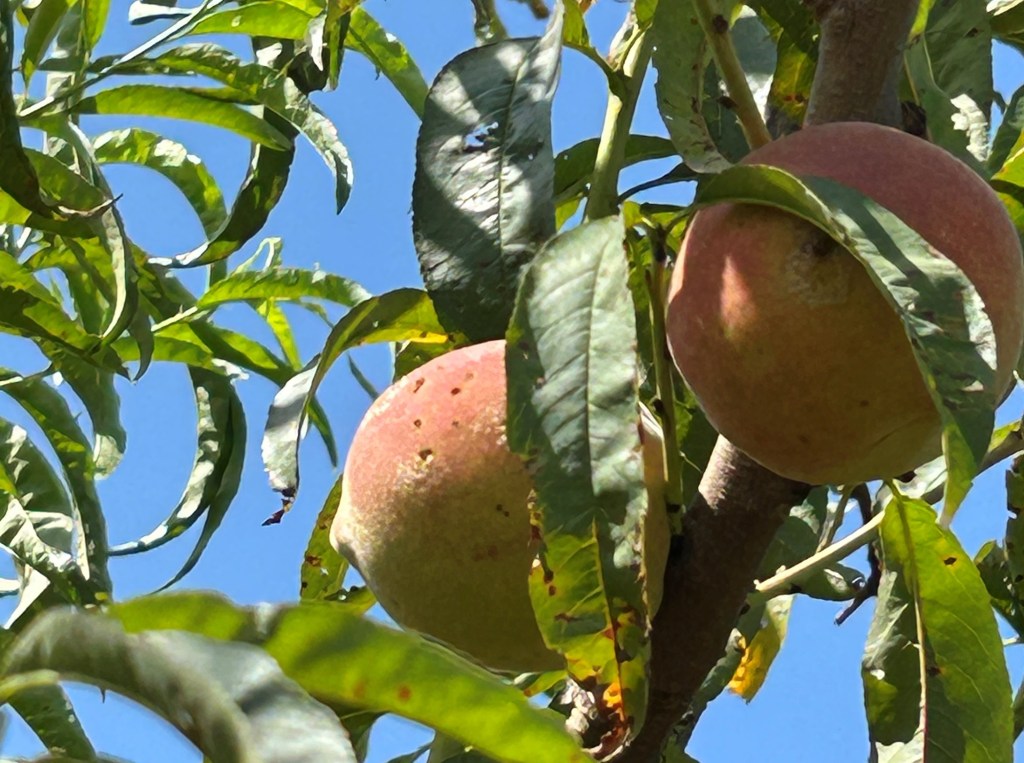
- Several peach growers have major bacterial spot on some of late varieties like Big Red, Ohenry, September Sun, and September Sweet. Excessive rains in April and May are thought to have caused this. Researchers are working with samples looking for resistance issues. Management changes are recommended for next year. Dr. Hehe Wang recommended growers with these extreme populations make 2-3 applications of 3-4 lbs of 50% copper products (2 lbs MCE) in the fall at leaf drop. This is to help reduce pathogen populations for next year.
Question of the Week
What is going on with this cucumber?
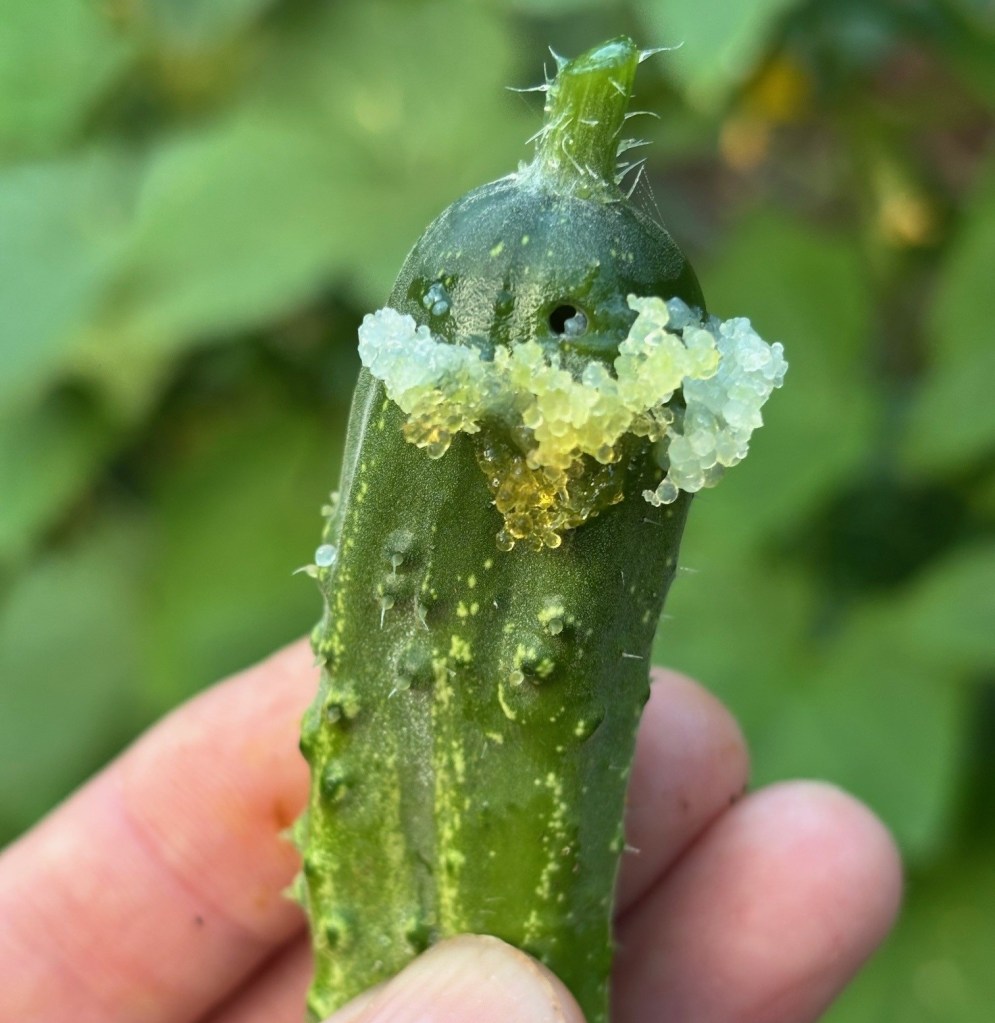
Answer in the comments below and check back on Thursday to see the answer.
 The South Carolina Grower
One response to “Weekly Field Update – 7/28/25”
the nasty “pickleworm” !
LikeLike