Rain and cooler temperatures continued for most of the week. As a result, disease pressure is high right now, so be sure to stay on top of management programs. The invasive two-spot cotton leafhopper was found in multiple crops near the coast last week. See details below.
Keep an eye on the Upcoming Events tab periodically so you don’t miss any of our winter/spring meetings. Also, check out the latest episode of the SC Grower Exchange Podcast below.
Don’t forget to look at our Resources tab for links to crop handbooks, helpful websites, and related blogs. Be sure to scroll all the way to the bottom to see this week’s Question of the Week, and check back on Thursday for the answer.
Statewide
Tom Bilbo, Entomologist
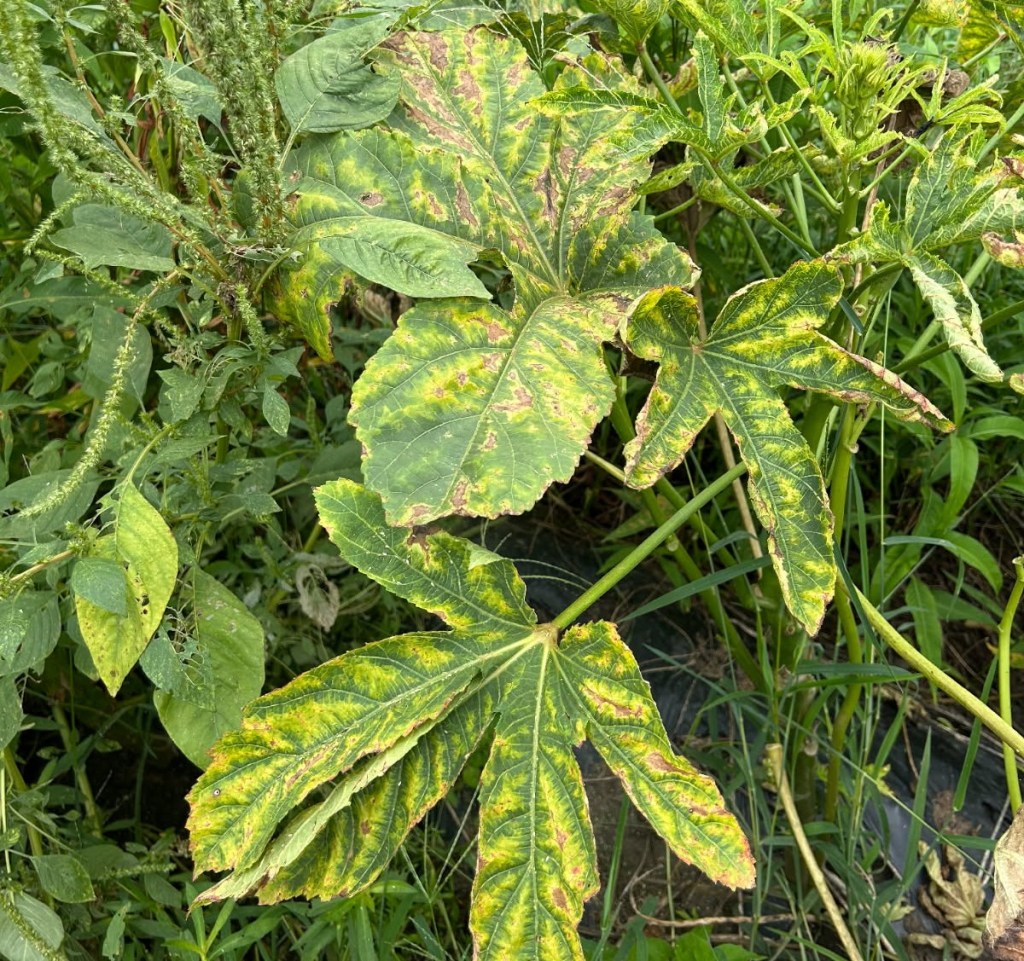
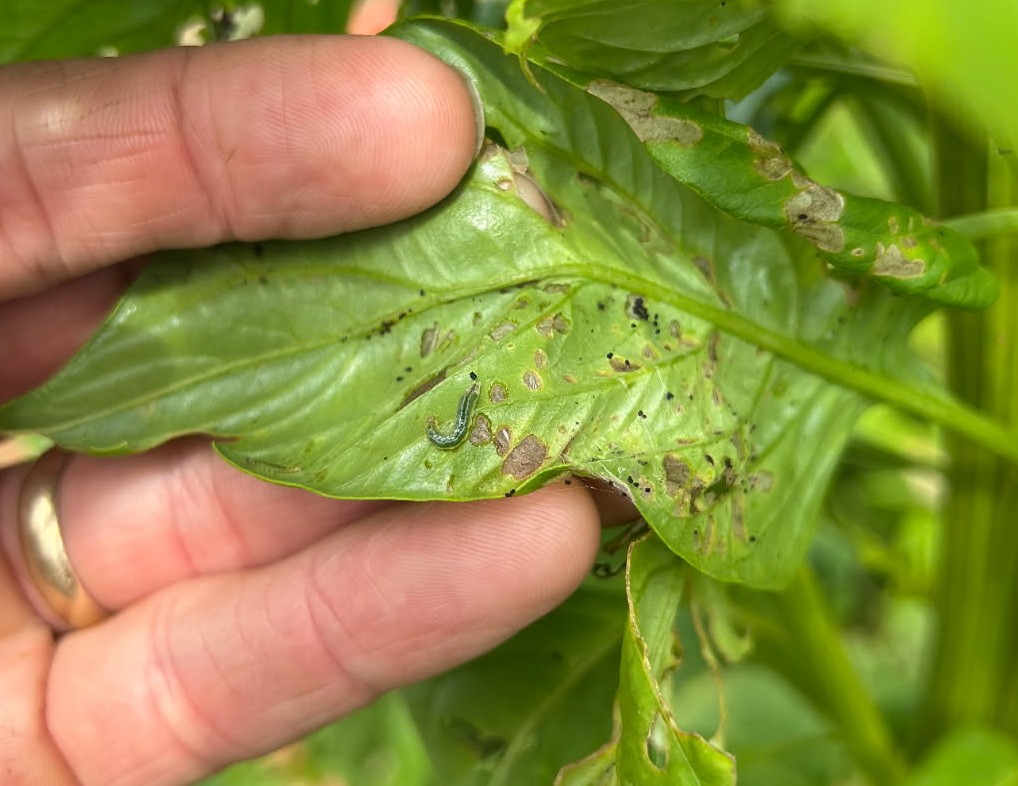
- Last week we confirmed the presence of the newly invasive insect pest, Two-spot cotton leafhopper (TSCL), across multiple farms in Charleston County. This insect now appears to be widely distributed and established throughout (at least) the lower half of SC, based on initial reports from Clemson personnel across numerous counties. In Charleston County, Zack and I have found this leafhopper on every suspected host plant species we searched across numerous vegetable farms—okra, eggplant, sunflower, as well as pigweed and smartweed. One okra grower had significant TSCL pest pressure and sprayed flonicamid (Beleaf) with good success so far. The exact pest status of this insect on each vegetable crop in SC is unclear. Pest pressure on okra has been the highest by far and was almost certainly reducing yield from what we saw. Pest numbers on eggplant and sunflower were far lower, although foliar damage (“hopper burn”) on eggplant was apparent. Dr. Jeremy Greene and others are working to understand the pest status and control options in cotton.
- Please scout your okra and eggplant and report any findings of this insect to your county Extension agent.

Matt Cutulle, Weed Specialist
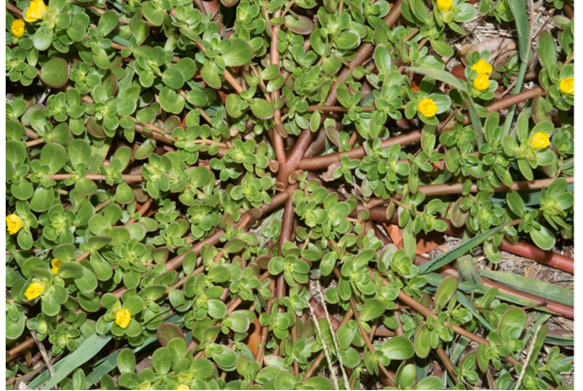
- Common Purslane biotypes In the Midlands are becoming very aggressive. We have noted purslane that emerged as the dominant species after Vapam fumigation. Additionally, PPO inhibiting herbicides (Reflex, Spartan and Valor) appear to be less effective when compared to years past.
- Options for managing these populations could include increasing the frequency of stale seed bed events prior to planting, rotating to crops that use plasticulture, rotating to crops with robust herbicide options (sweet corn or row crops) for next year. Being aggressive this year and burning down or rogueing purslane plants in the field before seeds are produced would help as well.
Coastal Region
Zack Snipes
- We had some cooler weather this week combined with some rains. The combination seems to have really helped out our summer crops as they have really pushed growth and fruit in the past week.
- The rain also helped establish some of our fall planted crops like cabbage, collard, squash, tomatoes, and peppers.
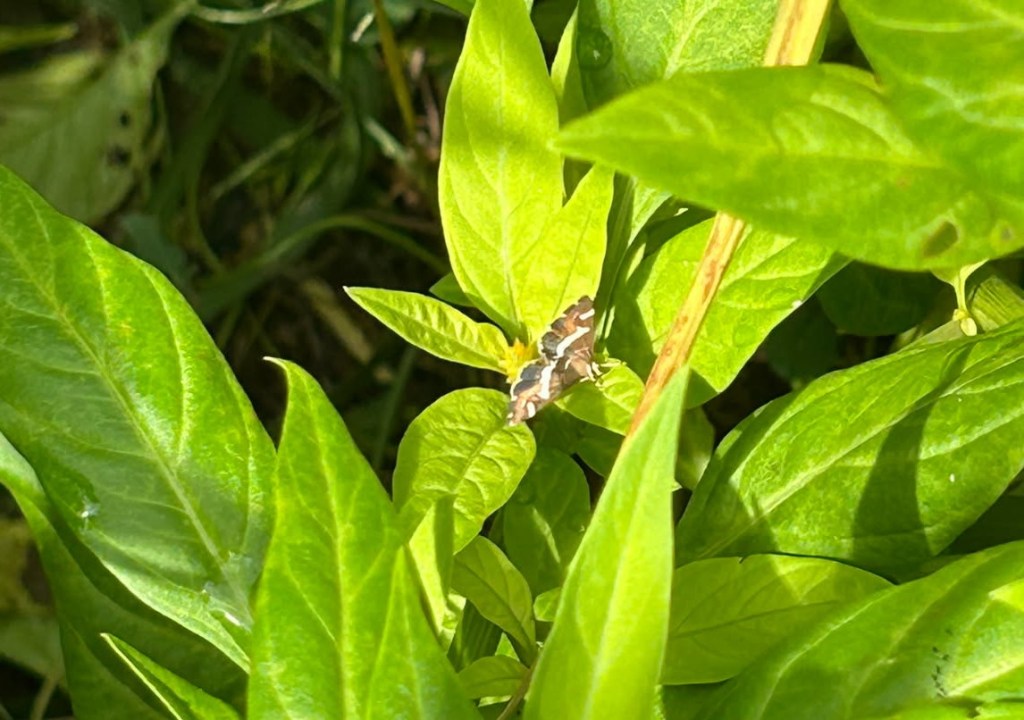
- Unfortunately, I found an invasive species on several farms and on several crops this week. We have been keeping our eyes open for the two-spot cotton leafhopper. I found the pest in very high numbers on okra and lower populations on eggplant. See Dr. Bilbo’s report from last week for more information on the pest. One grower noticed issues last week and sprayed Beleaf, a group 29 insecticide, and it seems to have cleaned up the problem for now. If you have okra, eggplant, peanut, soybean, cotton, or sunflowers, be on the lookout for this pest.
Midlands
Rob Last
- What a difference a couple of weeks makes, going from extreme heat to very wet and cooler than normal. Looking forward, temperatures will begin to climb to seasonal norms, but still with a good chance of rainfall.
- Given the wet soil conditions, and increasing temperatures, anthracnose in cucurbits becomes a significant risk. Anthracnose (Colletotrichum orbiculare) is being found readily on cucurbit foliage, characterized by a tan or brown, angular to round margin, with the lesions often restricted by the leaf veins. Anthracnose can affect stems and petioles and often displays an angular, dark tan lesion that appears sunken. The pathogen requires a period of at least two hours of leaf wetness to establish infection. Later in the season, and with favorable conditions of high temperatures, rainfall, and high humidity, the pathogen can infect the fruit either pre- or post-harvest. Conidia (spores) are sticky and can be moved via human activity in the field, rain splash, or wind movements. If you are overhead irrigating, time the applications for early morning to avoid prolonging the free moisture on the leaves.
- Some conventional fungicides with anthracnose activity include Mancozeb (Manzate), chlorothalonil (Bravo), azoxystrobin (Qadris), thiophanate-methyl (Topsin M), and cyprodinil and fludioxinil (Switch). Prothioconazole (Proline) is the only FRAC 3 active ingredient demonstrating any activity against the pathogen. With group 11 chemistry, such as azoxystrobin, there is a high risk of resistance developing, so always rotate the FRAC Codes. Organic options are much more limited to cultural practices and applications of polyoxin Zinc (OSO products).

Pee Dee
Brittney King
- The Pee Dee finally got some sunshine over the weekend, but other than that it has been very cloudy with spotty rain throughout the entire week. Some areas got up to three inches of rain last week. Overall, disease pressure is increasing due to weather conditions, so I highly recommend getting protectants out ahead of the rain this week.
- I am seeing early blight, Southern stem blight, and anthracnose on tomatoes being harvested right now and lots of splitting on the fruit due to the rain. Check out page 295 of the 2025 SE Vegetable Crop Handbook for a tomato spray program.
- Cucurbit crops are starting to show signs of decline from the rainy weather we’ve been having. Seems like a lot of these crops could really use a couple sunny days. It is very important to be sticking with a fungicide spray program for your cucurbits, especially with the current weather conditions.
- Peas are still being harvested and planted in certain areas. Yields have been great this year with the rain we’ve been getting. I have been seeing anthracnose on the leaves so it would be a good idea to get a fungicide like Quilt Xcel out before we get another rain. Cowpea curculio and stinkbugs are the only insects I have seen in fields so far.
Question of the Week – Grower Spotlight
Where is Briana visiting this week?
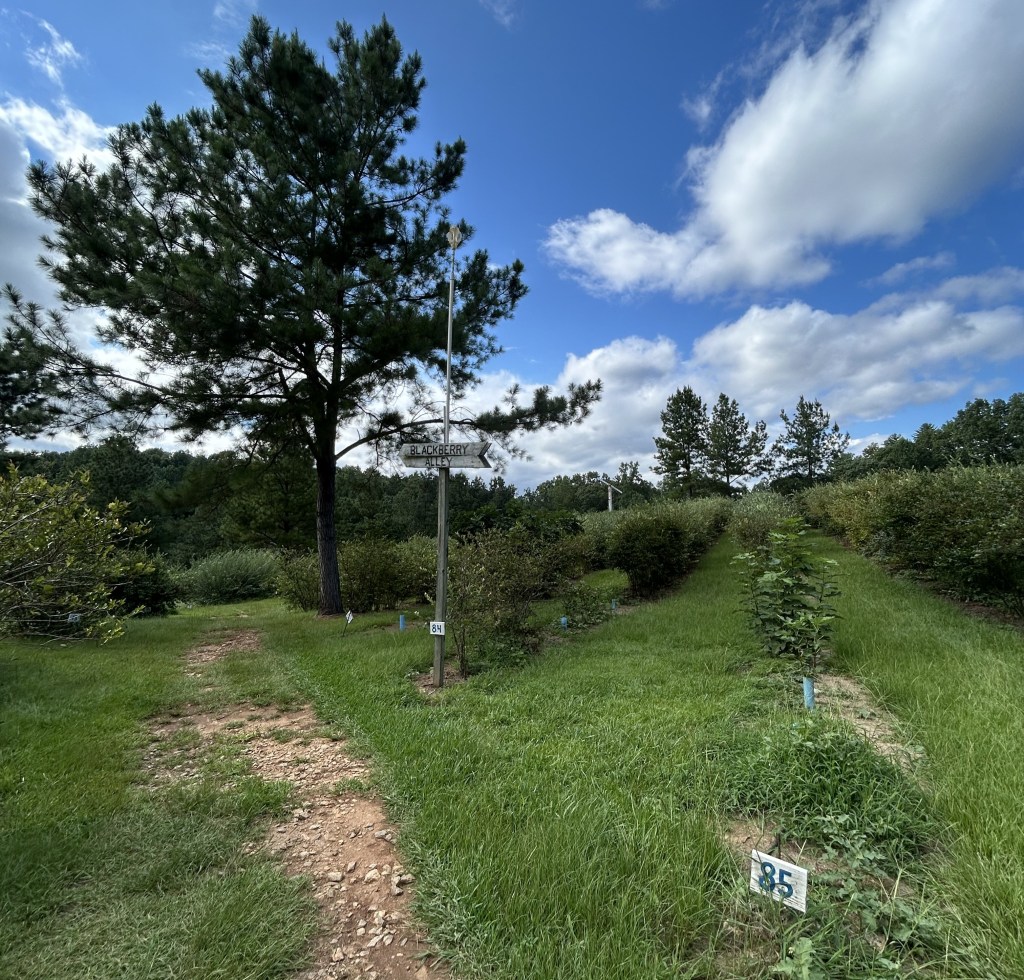
Answer in the comments below and check back on Thursday to see the answer.
 The South Carolina Grower
One response to “Weekly Field Update – 8/11/25”
[…] I looked at a field of okra that was decimated by the two-spotted cotton leafhopper. The plants were almost completely defoliated. Leaves that were hanging on had hopper burn and were covered with all stages of the leafhoppers. It is important to scout and treat before populations get out of control. See Tom Bilbos’ post on 8/11/25 for more information. […]
LikeLike