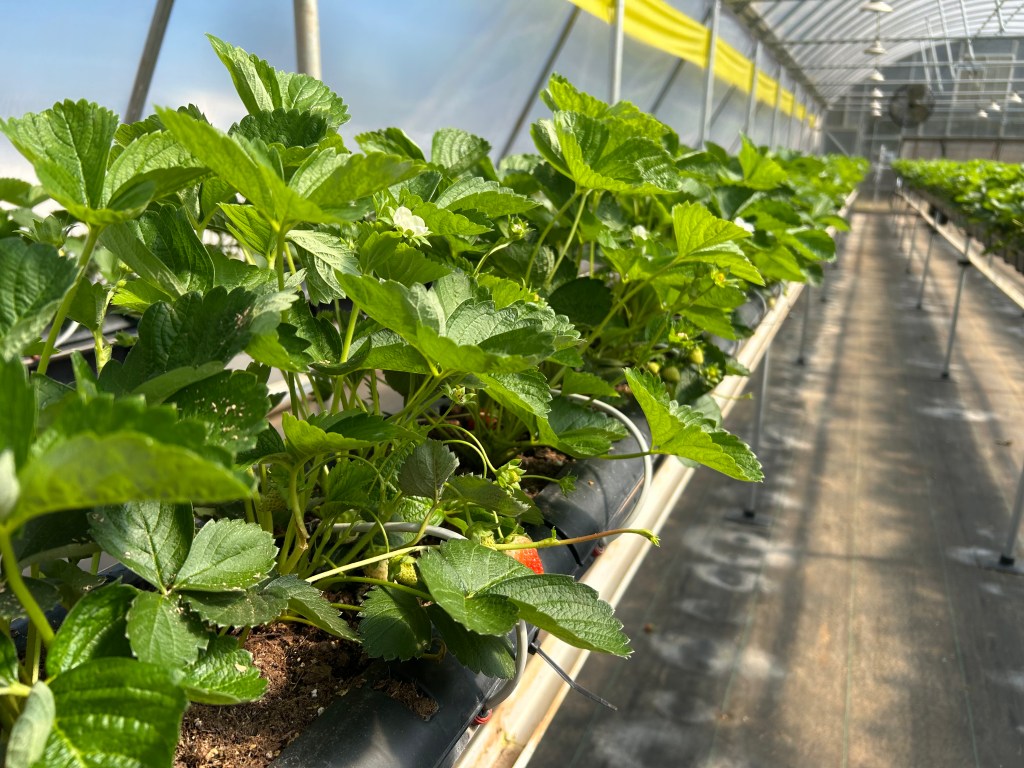
As we get into strawberry season, check out this year’s Strawberry Webinar Series to brush up on disease management, bed formation, and insect management. SC pesticide applicators can earn 1.5 pesticide credists. The webinar is available now through 11/15. View Details and Register Here
Keep an eye on the Upcoming Events tab periodically so you don’t miss any of our winter/spring meetings. Also, check out the latest episode of the SC Grower Exchange Podcast below.
Don’t forget to look at our Resources tab for links to crop handbooks, helpful websites, and related blogs. Be sure to scroll all the way to the bottom to see this week’s Question of the Week, and check back on Thursday for the answer.
Statewide
Tom Bilbo, Entomologist
- A brief update regarding the new invasive two-spot cotton leafhopper (TSCL) that we have discussed here several times over the last 2 months. Of vegetables, okra appears to be the most susceptible and some growers have witnessed significant damage when fields were left unmanaged. Since this is a new pest there are no labelled pesticide products, and efficacy of insecticides (in the US) is not yet established either. But some products that work against aphids or other leafhoppers, such as Beleaf, appear to also provide some control.
- I’ve received multiple reports of seeing TSCL on cucurbit crops. I can confirm from sampling plots in Charleston that this pest is using cucurbits as a host and is most likely able to reproduce on it (based on presence of adults and nymphs). They do not appear to be a pest of cucurbits, but this is something we will keep an eye on, as well as if any viruses start showing up. Please report any virus symptoms to your local Extension agent so we can follow up.
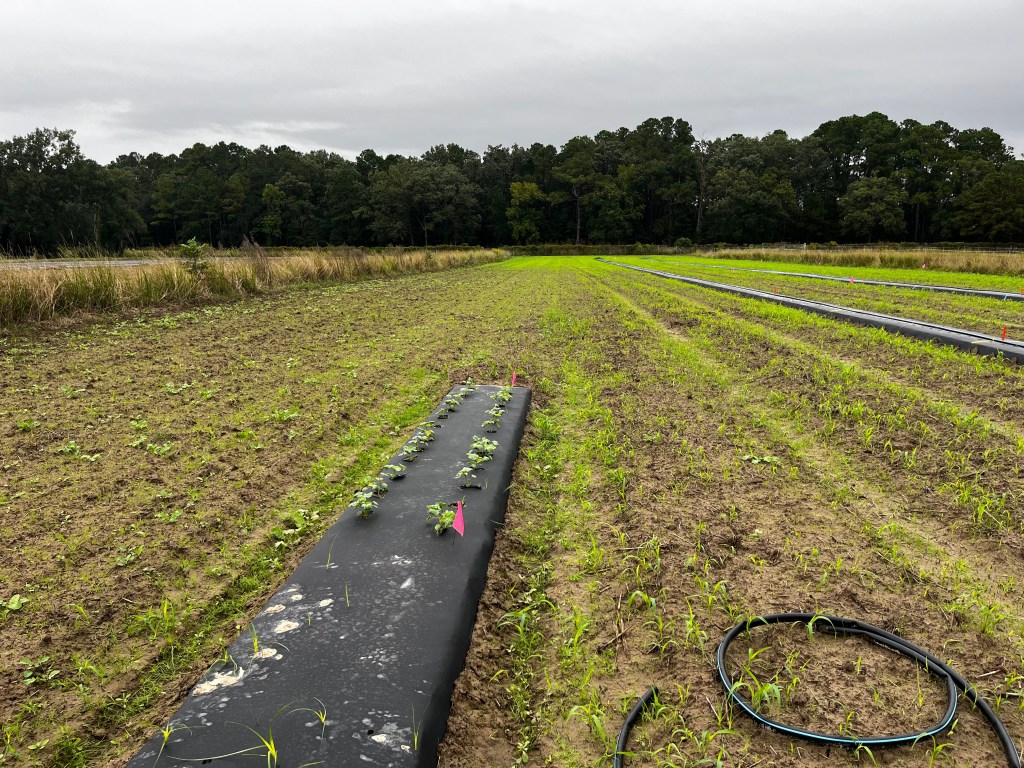
- What is important about them using cucurbits as a host is that it provides yet another host plant for TSCL to reside on where it can move from to infest okra, cotton, etc. TSCL is proving very capable to quickly find new plantings of okra. I planted two separate ~50 sq ft okra plantings in Charleston and by the 3rd leaf the plots had been severely infested. One plot was fairly isolated (see picture. 2500ft from nearest okra/eggplant and 400ft from infested cucurbit field) and I was surprised to see it infested so quickly. My isolated home garden okra was also recently infested with TSCL.
- We don’t yet know how TSCL will overwinter in SC. If it overwinters easily then expect spring crops to be readily infested, especially if you had infested crops nearby this year. As always, make sure to be getting out into fields regularly to scout for pests before problems get out of control.
Matt Cutulle, Weed Specialist
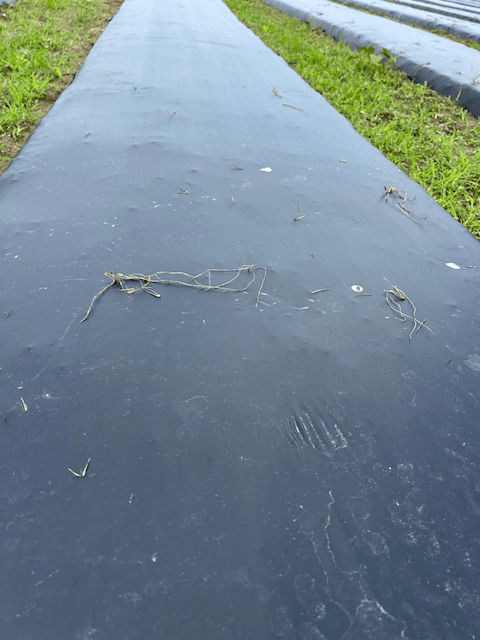
- To clean up nutsedge now is a good time to apply a systemic herbicide such as glyphosate or halosulfuron. The nutsedge will start to go dormant in a few weeks so it is important that the herbicide gets to the underground structures (tubers /rhizomes)
Coastal Region
Zack Snipes
- We finally got the rain I’ve been complaining about this past week. We received a slow and steady (for the most part) rain which we desperately needed.
- Strawberry plants should begin arriving this week on most farms. Remember to check plants for diseases including root rots. Most growers will be doing pre-plant dips of both plugs and bareroots before they go in the field.
- Stay on top of your planting crews. Mistakes such as “J”-rooting, planting too deep or shallow, or not watering plants in adequately can have drastic yield reductions later in the season. One of my favorite sayings is “slow is steady and steady is fast.”
- After all this rain passes, be sure to get out in your fields and scout. I would bet money on it that we will see a spike in diseases this week.
Midlands
Sarah Scott
- Like most areas of the state, we finally received some rain and have even had some fall-like temperatures. With rain and cooler temperatures may come disease issues so stay on top of planted fields to monitor issues.
- Strawberries are still going in the ground but we are wrapping up planting soon.
- Vegetables like bell pepper, eggplant, tomatoes and squash continue to be harvested.
- Fall brassicas are in the ground and I’m seeing a good number of cross striped cabbageworms in some fields with a lighter pest management approach.
Question of the Week – Grower Spotlight
Where is Brittney visiting this week?
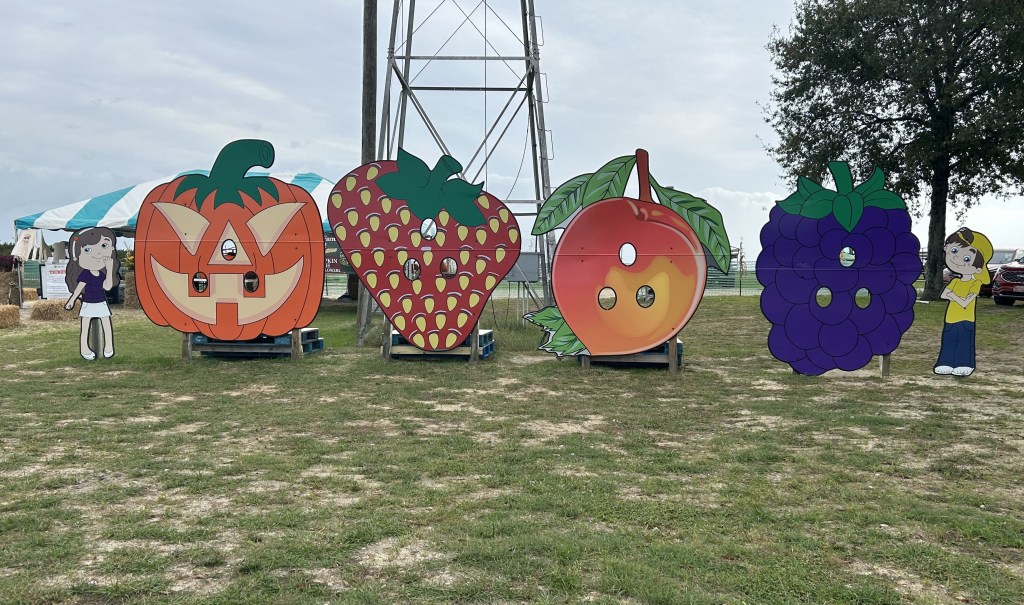
Answer in the comments below and check back on Thursday to see the answer.
 The South Carolina Grower