The weather has quickly turned cold after a fairly warm week. Fall tomatoes, peppers, and cucurbits will be finished off this week. Strawberries are looking good so far with few disease or establishment issues. See details below.
As we get into strawberry season, check out this year’s Strawberry Webinar Series to brush up on disease management, bed formation, and insect management. SC pesticide applicators can earn 1.5 pesticide credists. The webinar is available now through 11/15. View Details and Register Here
Keep an eye on the Upcoming Events tab periodically so you don’t miss any of our winter/spring meetings. Also, check out the latest episode of the SC Grower Exchange Podcast below.
Don’t forget to look at our Resources tab for links to crop handbooks, helpful websites, and related blogs. Be sure to scroll all the way to the bottom to see this week’s Question of the Week, and check back on Thursday for the answer.
Statewide
Tony Keinath, Plant Pathologist
- A newly identified plant pathogen (Pythium deliense) is threatening pickling cucumber crops in South Carolina. This is the first report of Pythium deliense as a cause of cottony leak on cucurbit fruit in the United States. Read more about this new pathogen and its impact on management in this recent press release.
Coastal Region
Anna Sara Hill
- According to the forecast, we can expect sudden temperature fluctuations this week. This past weekend was nice and warm. Today it is windy, and temperatures are dropping. It is expected to continue dropping to below freezing, followed by a warm-up at the end of the week.
- The wind will dry out the plants and soil. It is essential to keep the soil moist, as plants with sufficient moisture content will have a better chance of surviving the freeze and windy conditions than those in dry, depleted soil.
- Have the row covers ready to put over the strawberry plants if the wind stops. Those tender new shoots need to be protected from the freeze.
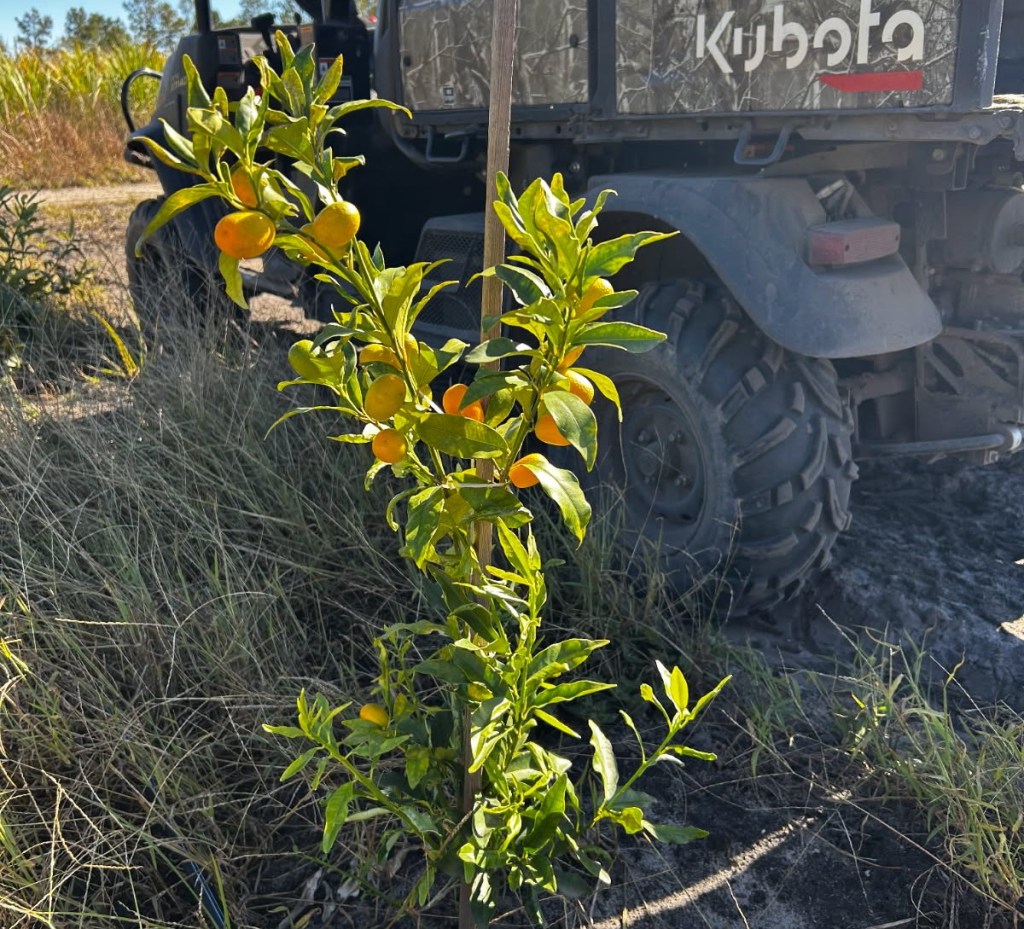
- Also, protect those citrus trees. The most critical part to protect is the graft.
- If using overhead irrigation to frost protect, ensure that your pumps and wells have sufficient capacity to run all night and through the morning until the sun comes out and/or temperatures rise above freezing.
- Fruit and vegetables that are ripe or nearly ripe should be harvested before the freeze.
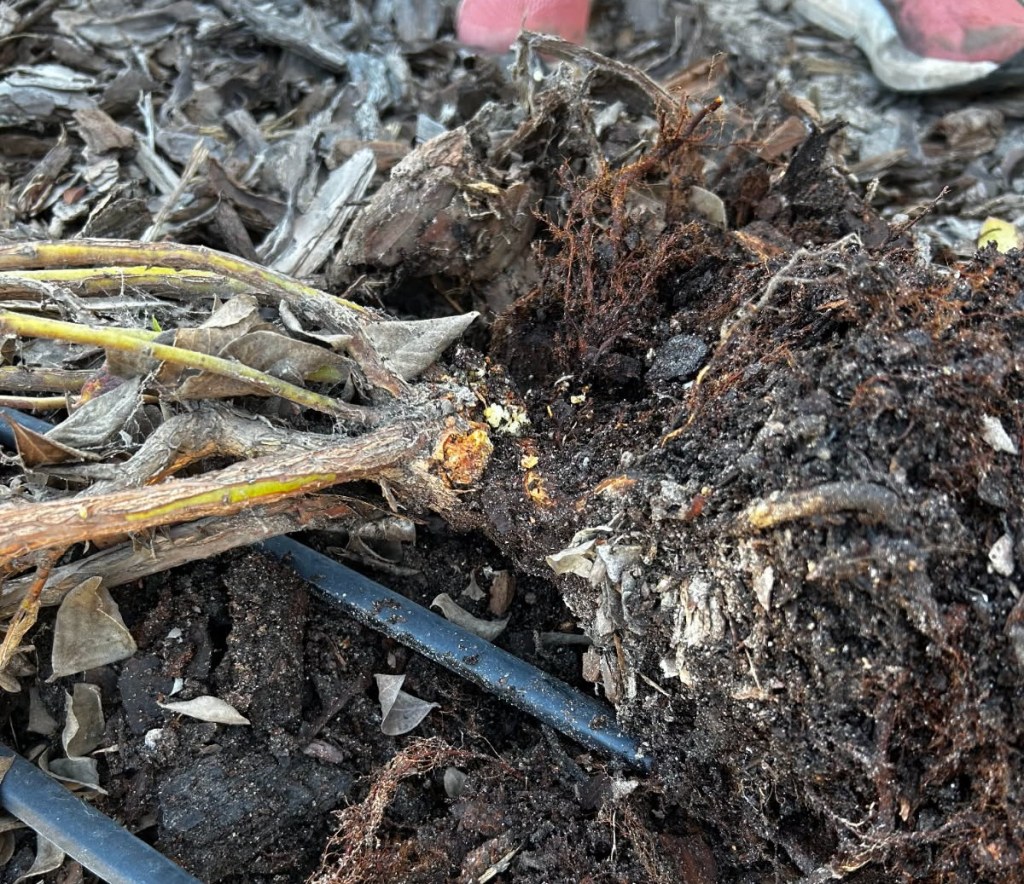
- I noticed a blueberry plant damaged by fire ants this week. The damage was on the trunk just below the soil line. Fire ants live in pine bark-amended beds. Methoprene is a good bait to use in conventionally grown blueberries.
Midlands
Rob Last
- After a cool week, crops are looking good; however, we are forecasting a freeze for Monday night into Tuesday morning.
- Given the forecast for the next few nights, harvesting the last of the summer crops, including peppers, eggplants, and tomatoes, could potentially maximize returns on these crops.
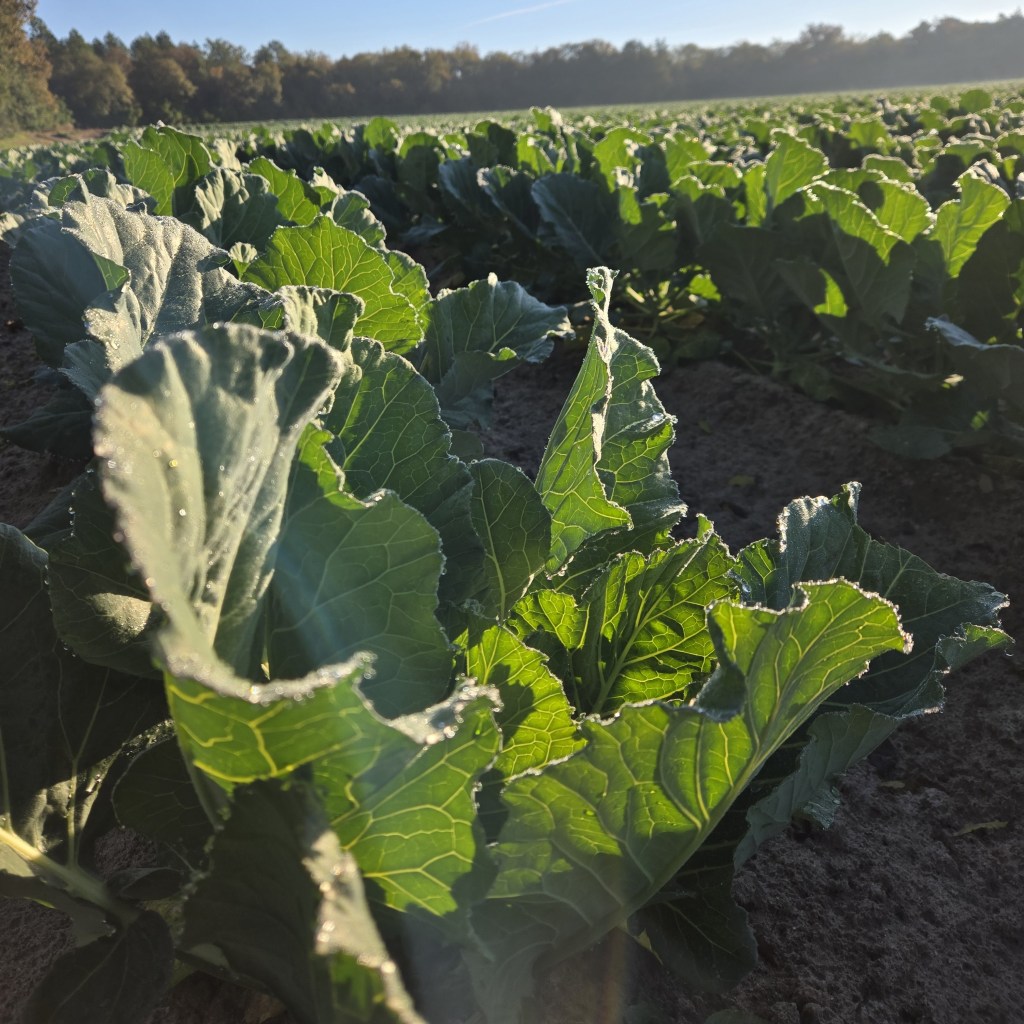
- Brassicas look great; however, I am seeing some diamondback moth activity in crops. Keep scouting and monitoring crops carefully. With the rapid cooling forecast, I expect to see some purpling occurring to the leaves of brassicas. This phenomenon is normal in response to rapid temperature changes and is related to reduced phosphorus uptake. There is no need to apply additional phosphorous fertilizers, as temperatures recover, then uptake will resume correcting the color change.
- Other leafy greens look fantastic right now with few pest and disease issues.
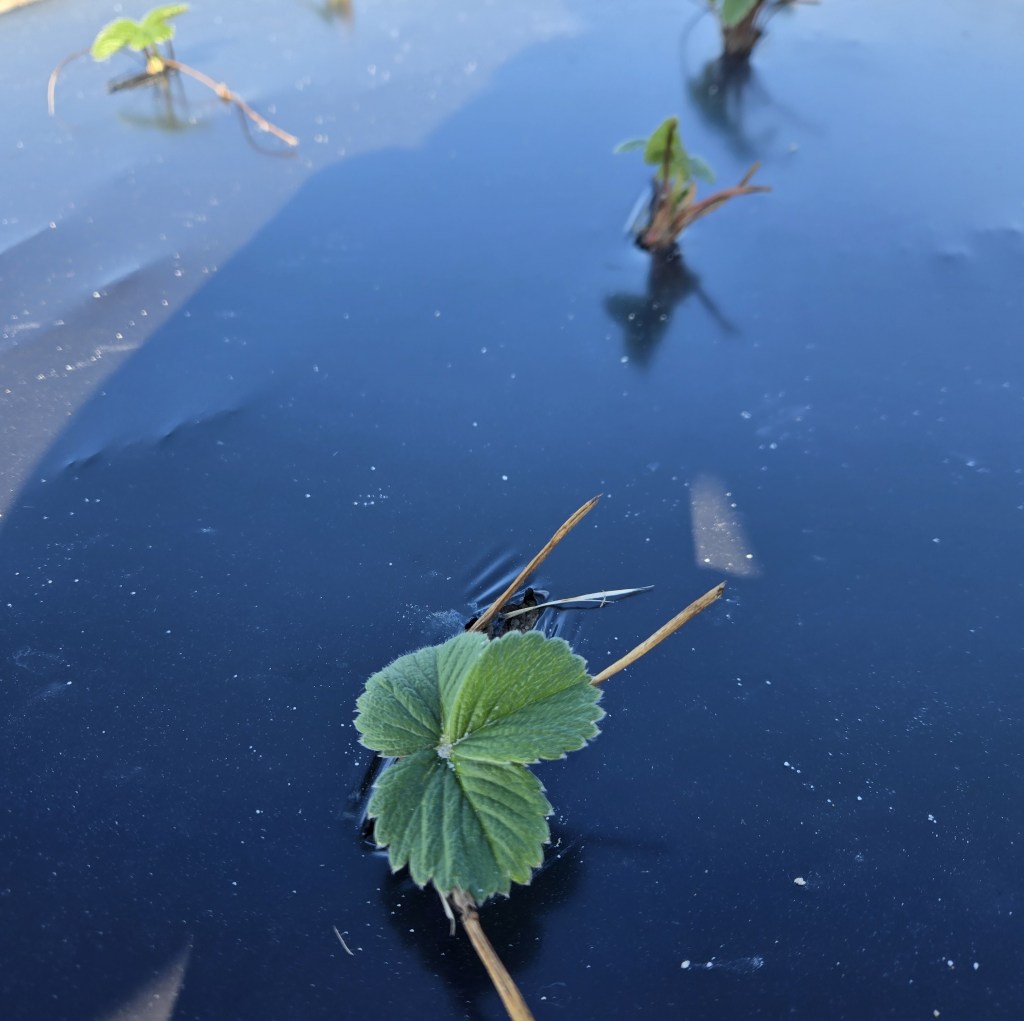
- After a delayed start to planting, strawberries are beginning to establish new roots and leaves, with no observed pest or disease issues. Establishment is a little slower than normal based on the cooler conditions after planting and in some cases smaller crowns being delivered. I expect growth to slow again this week due to the current temperatures, but it will recover once the temperatures warm.
Sarah Scott
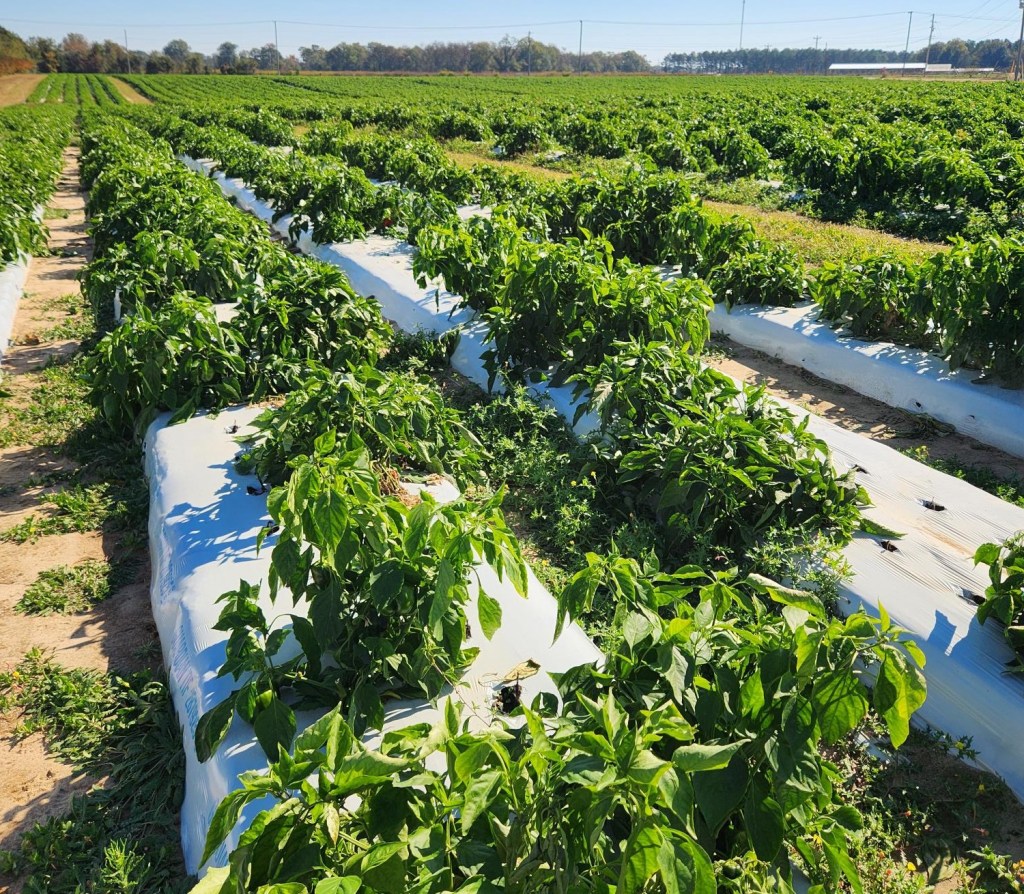
- Crops like pepper, zucchini, eggplant, and tomato have been looking good up to this point. Tonight’s weather will put an end to those crops.
- Strawberries are establishing well and looking good so far.
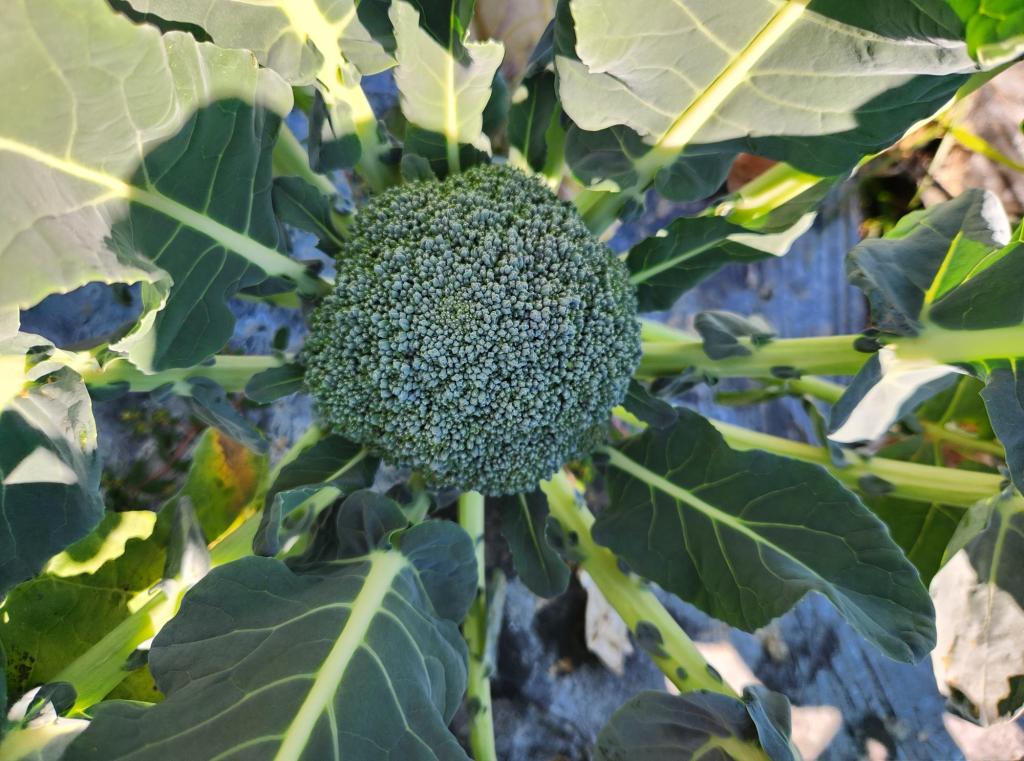
- We have been harvesting nice-sized broccoli and will continue for a few more weeks.
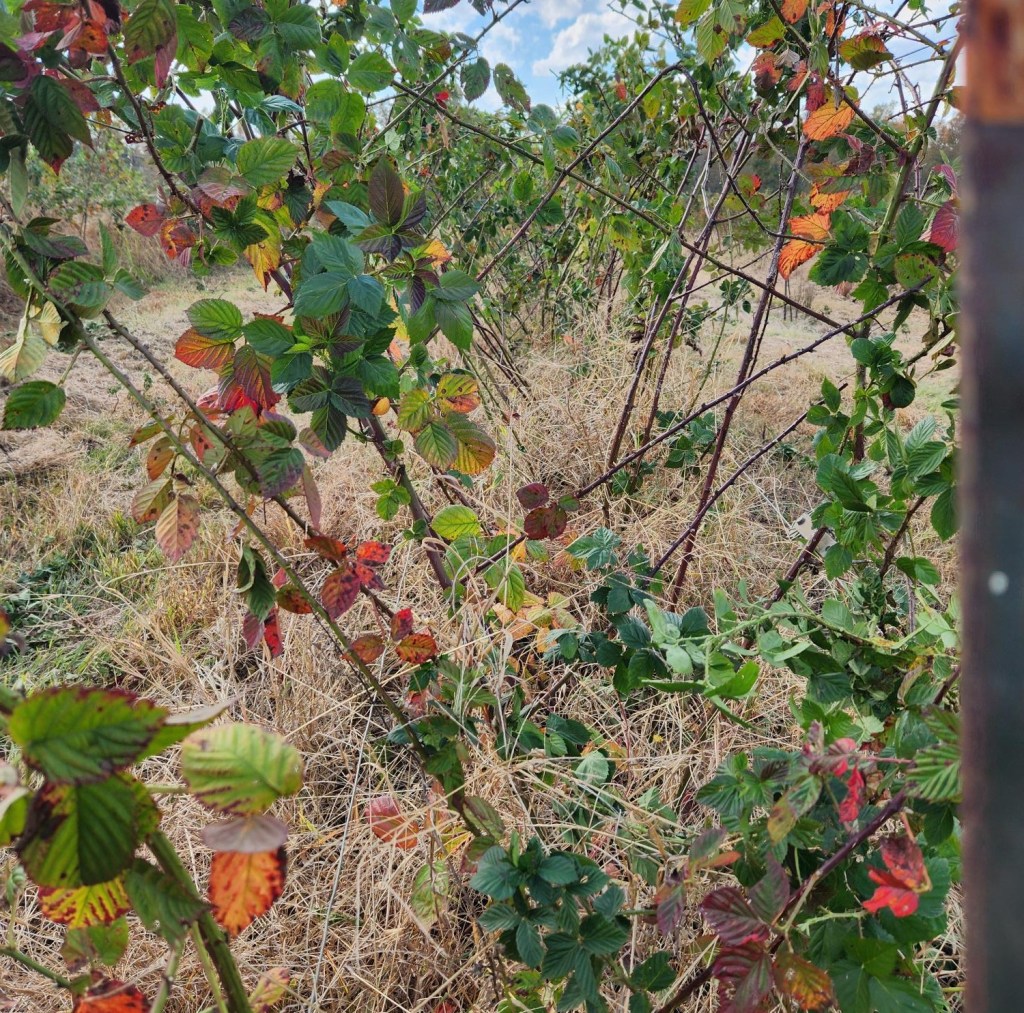
- Pecans are looking good this year with some reports of slightly less production than last year. Last year’s yield would have been higher, but many trees were damaged from Hurricane Helene.
Pee Dee
Brittney King
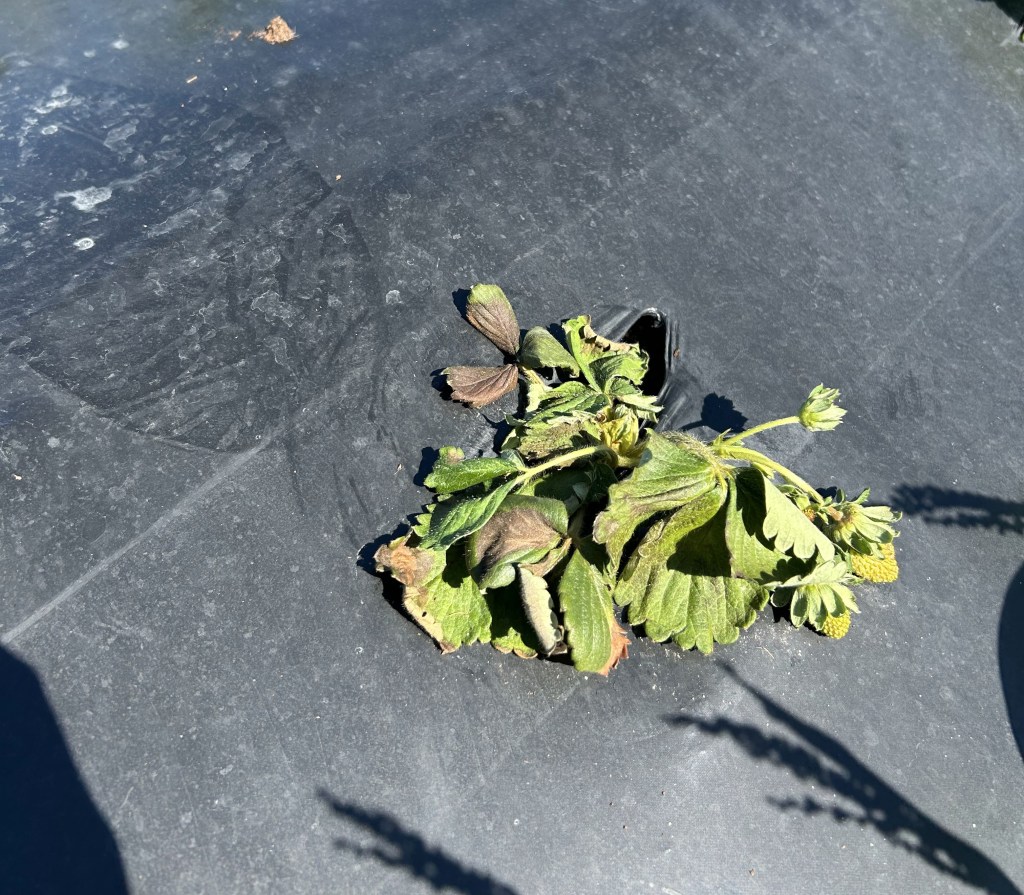
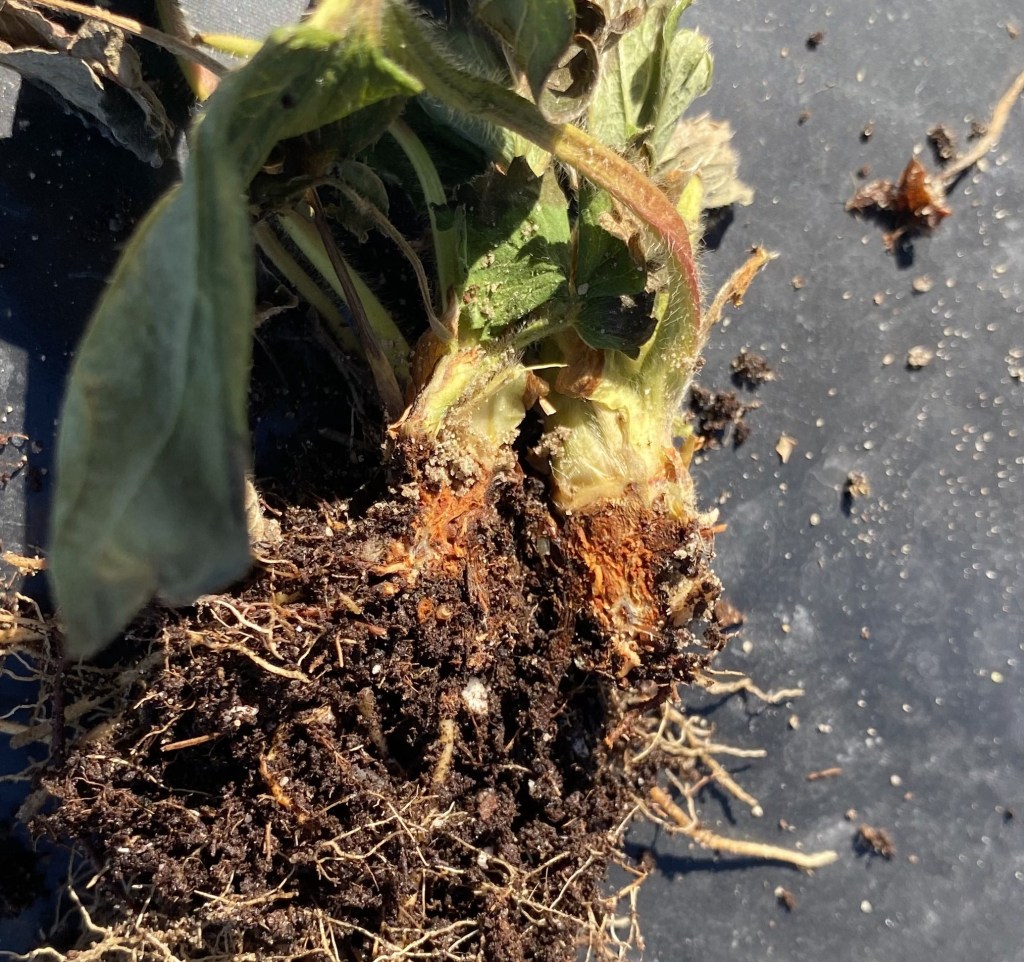
- Strawberries are progressing well overall in the Pee Dee. Initially, it seemed like cut-offs were a little behind on getting established, but they have since started to put on new roots and leaves. I have had one confirmed anthracnose crown rot diagnosis in the San Andreas variety, but other than that, disease pressure is low. The anthracnose crown rot is causing plants to collapse in the field. When the crowns are cut open, you can see the discoloration in the crown. Captan and Topsin M are both effective against this disease. As always, remember to rotate MOA to prevent fungicide resistance! The cooler weather has kept insects like spider mites and aphids away, so insect pressure is low currently.
- The cooler weather has also been very kind to crops like collards, turnips, rutabagas, and other leafy greens. Many are being harvested right now in good volume.
- The biggest issue in brassicas this fall have been diamondback moth caterpillar and cucumber beetle feeding damage. Black rot was observed on some young plants early after planting but thankfully the drier weather has held it back from progressing.
Question of the Week – Grower Spotlight
Where are Lacy and Jhessye visiting this week?
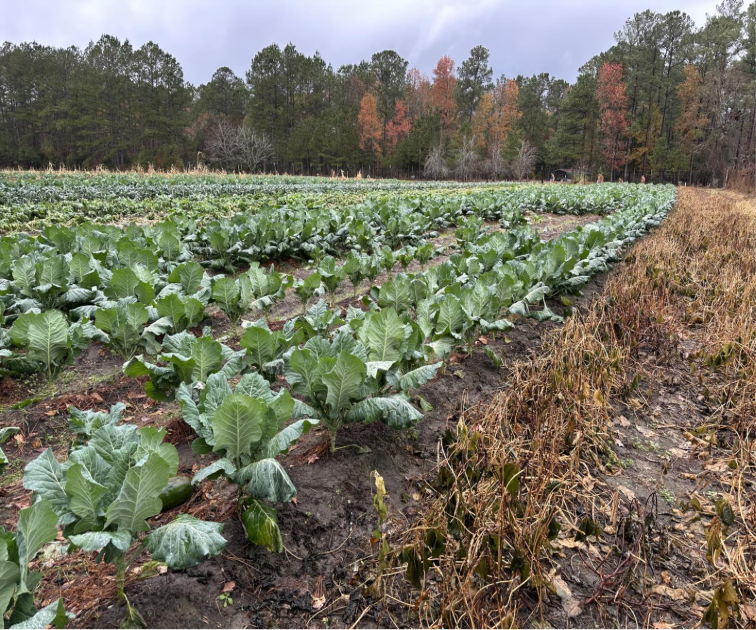
Answer in the comments below and check back on Thursday to see the answer.
 The South Carolina Grower