Warm weather and rain will have crops growing quickly this week. This is also a recipe for disease development. As strawberries, blueberries, and other small fruits progress, stay on top of disease management and scout closely. See details below.
Keep an eye on the Upcoming Events tab periodically so you don’t miss any of our winter/spring meetings. Also, check out the latest episode of the SC Grower Exchange Podcast below.
Don’t forget to look at our Resources tab for links to crop handbooks, helpful websites, and related blogs. Be sure to scroll all the way to the bottom to see this week’s Question of the Week, and check back on Thursday for the answer.
Coastal Region
Zack Snipes
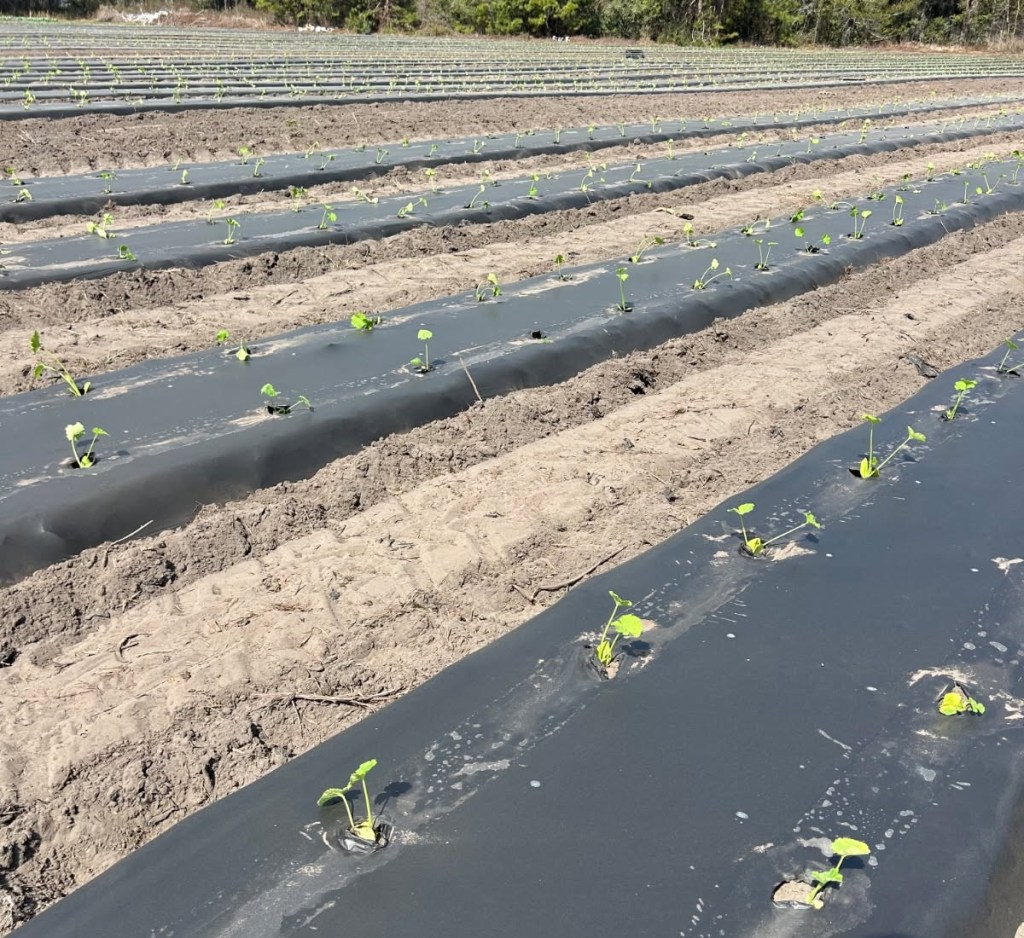
- Last week was a very busy week in the Lowcountry as most were planting crops. This past week, our first rounds of tomato, watermelon, and squash were being planted on the sea islands. Last week’s warm temperatures and last night’s rain will have plants running out of the gate.
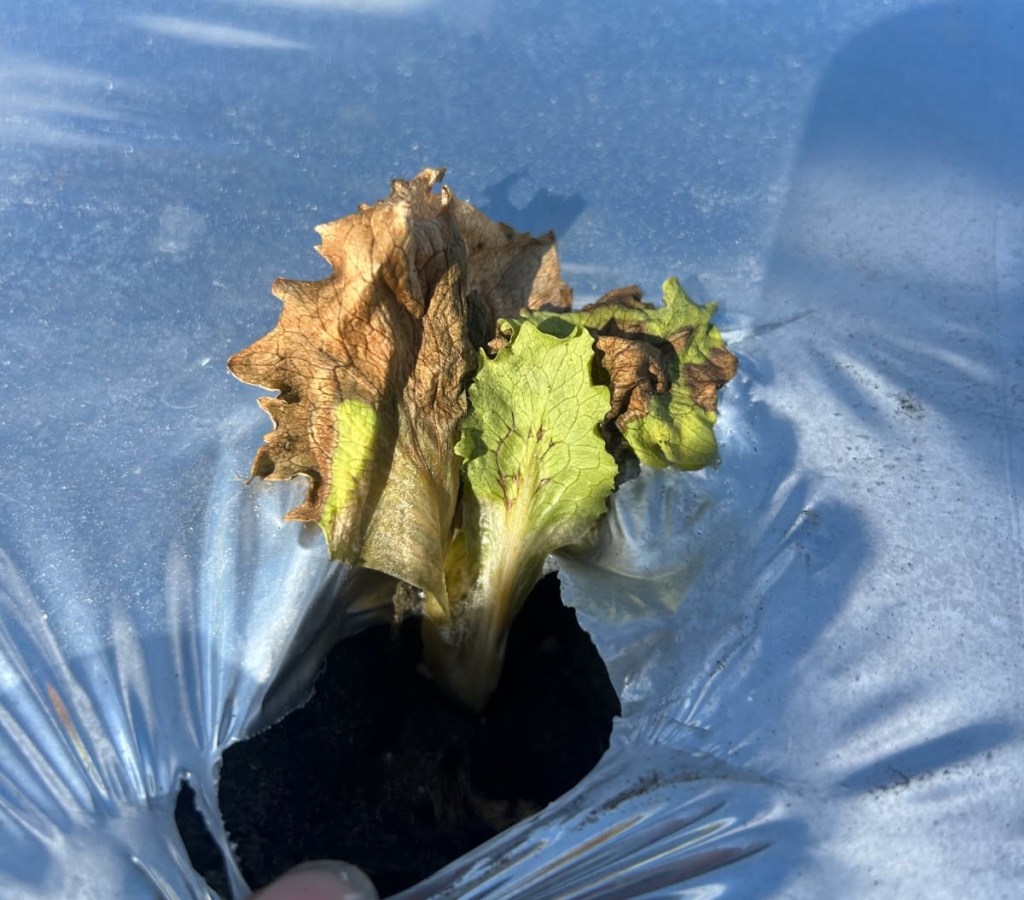
- I saw some lettuce with sclerotinia (aka lettuce drop) last week on several farms. This pathogen is triggered by very cold conditions, which we had several weeks ago. Products containing the active ingredient boscalid (FRAC 7) are the best way to slow this pathogen. Fields containing this pathogen should be rotated away from for several years, as the survival structures of this pathogen can last years in the soil.
- Strawberries are finally starting to push blooms and really move. I have heard reports of increased spider mite activity across the state, but have not found that many down my way. That means I am getting older and my eyes don’t work as well, so you should get out and scout. Hopefully, folks got out their protectant fungicide and possibly a group 9,7,11, or 12 fungicide before the rains last night.
Midlands
Daniel Lyon
- Strawberries are coming along really well in my area. I have not seen much spider mite pressure. I have seen a few aphids, but they are being controlled by beneficial insects. It is ill-advised to spray a pyrethroid because it will also harm beneficials that are eating aphids, which in turn will actually allow aphid pressure to increase unchecked.
- It is important to scout for insects and diseases. I have seen a bit of Botrytis developing on blooms killed by the cold. Remember to remove all dead leaves and blooms from the field entirely to discourage the spread of pathogens.
Upstate
Samantha Brown
- The weather forecast this week is a challenging one to keep up with. The early part of the week is expected to be warm and rainy, followed by a chance of frost toward the end of the week. These changing conditions will keep many farmers closely monitoring the forecast and making field management decisions throughout the week.
- For strawberry growers, now is a good time to scout fields and determine the stage of your blooms. Open blossoms and fully opened flowers may need protection due to the possibility of frost on Friday. In addition to frost concerns, the rain and humidity early in the week could increase the likelihood of spider mite activity. The warm temperatures will also begin to push new plant growth, so monitoring plant color can help identify any potential nutrient deficiencies.
- Early varieties of blueberries and peaches are beginning to bloom well. With the potential for frost later in the week, it is important to remain vigilant and prepared, as these crops are in a more vulnerable stage of development. Fortunately, current forecasts do not suggest extremely low temperatures, so we are hopeful that conditions will remain favorable.
Andy Rollins
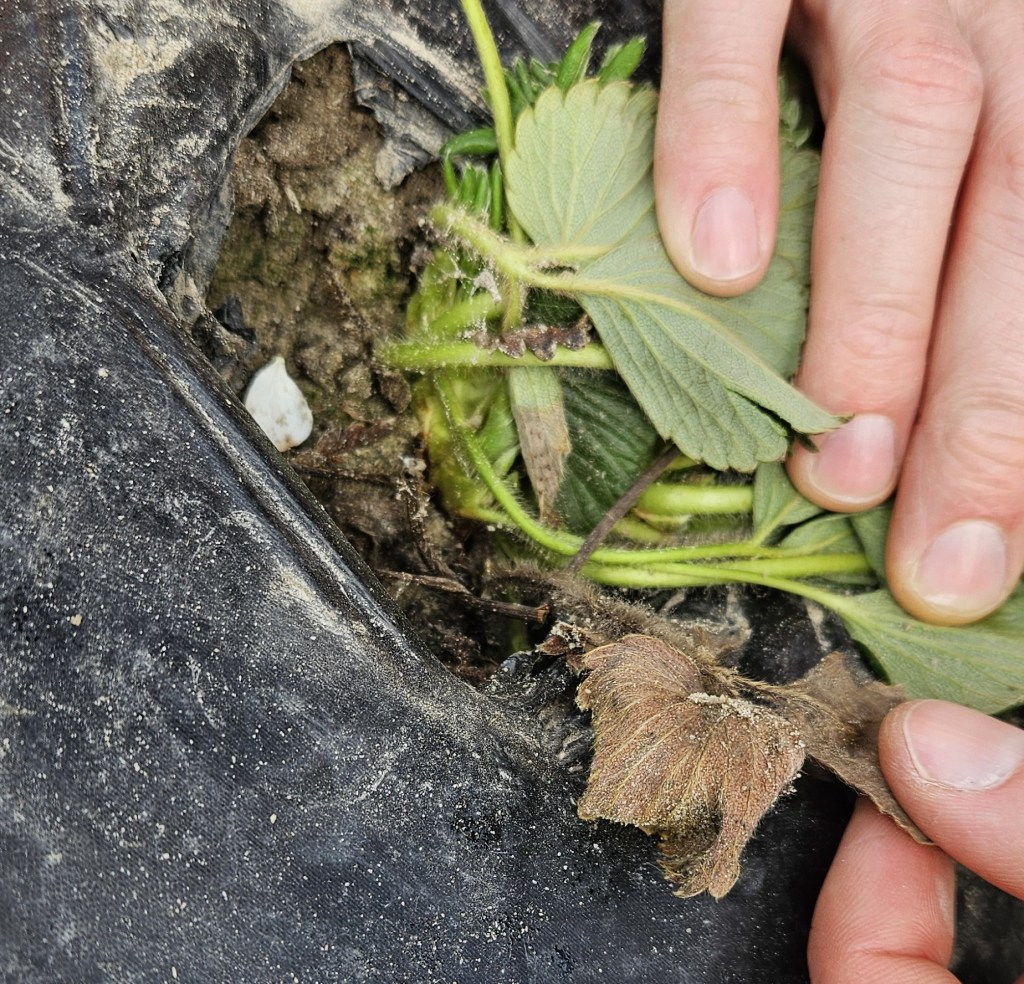
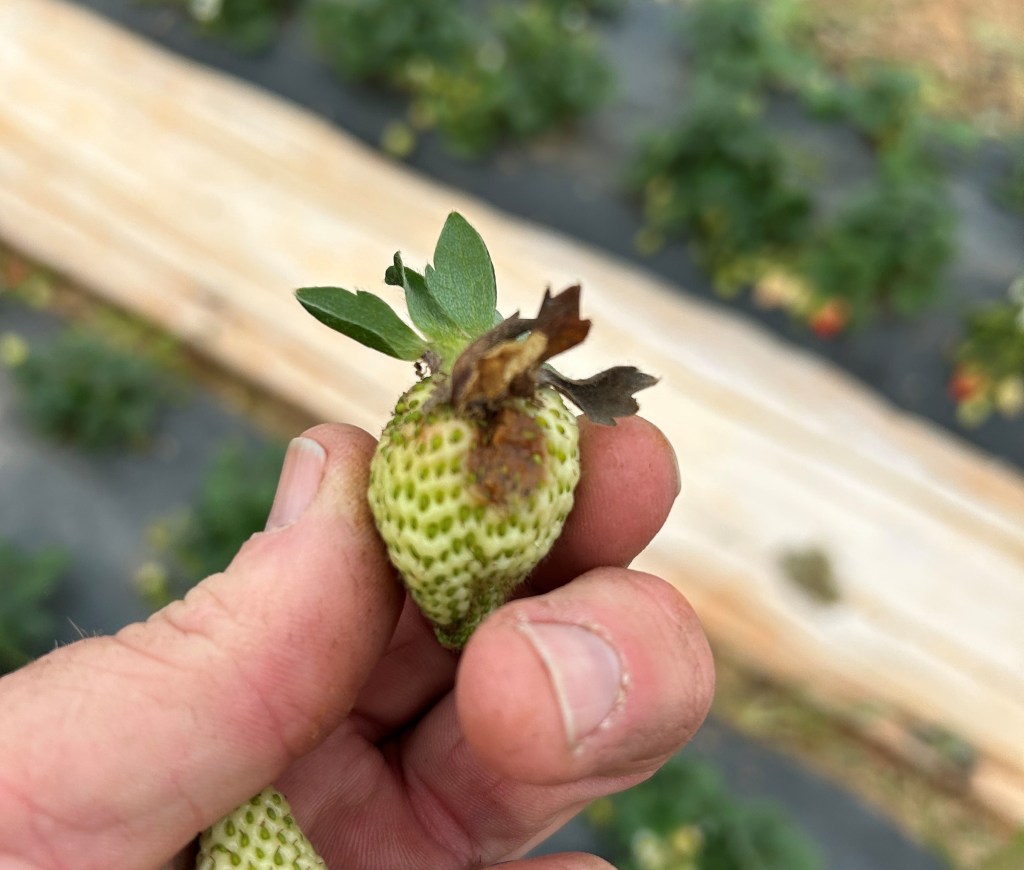
- We’re still finding some botrytis in the calyx of strawberries. Normally, this could be confused with angular leaf spot caused by the bacterium Xanthomonas. However, there were no angular lesions on the leaves that would have indicated the bacterial disease. With continued rain this weekend and higher temperatures, growers need to keep applying protectants like Captan and Thiram. We are getting into a stronger bloom at this point. Some growers may want to add a systemic fungicide for added control.
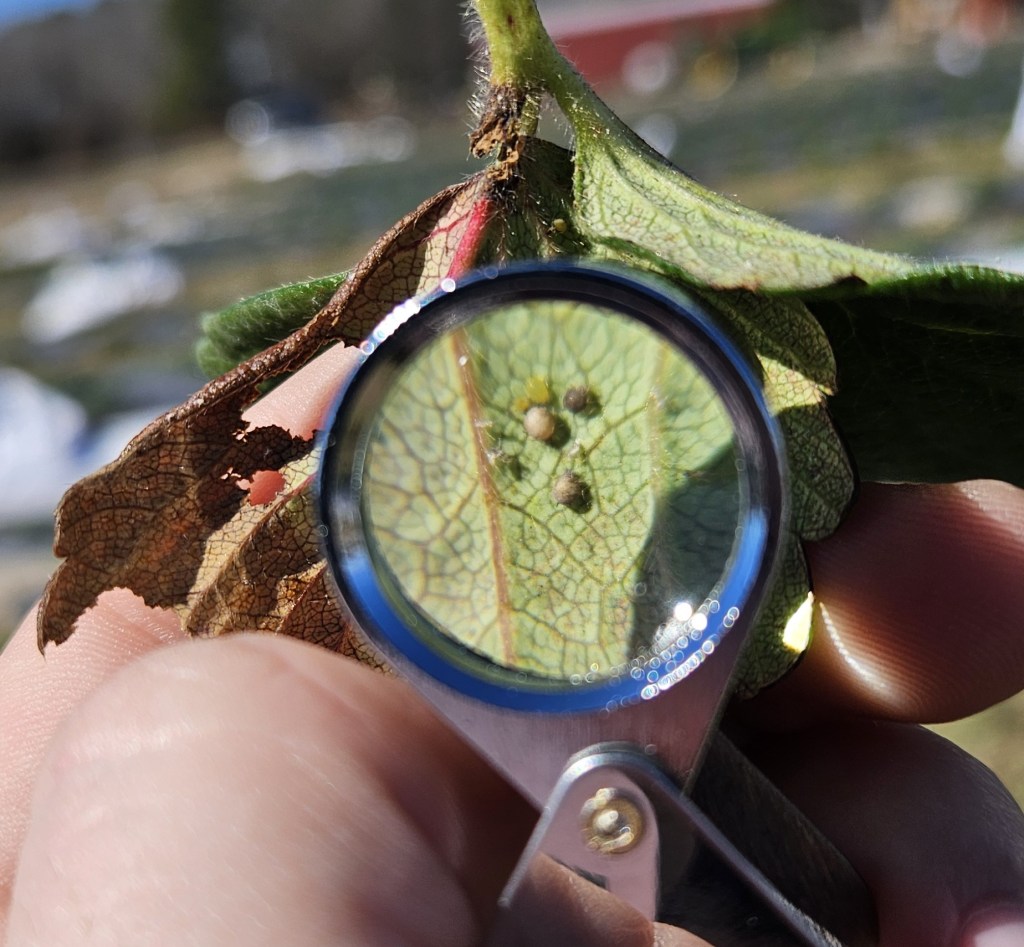
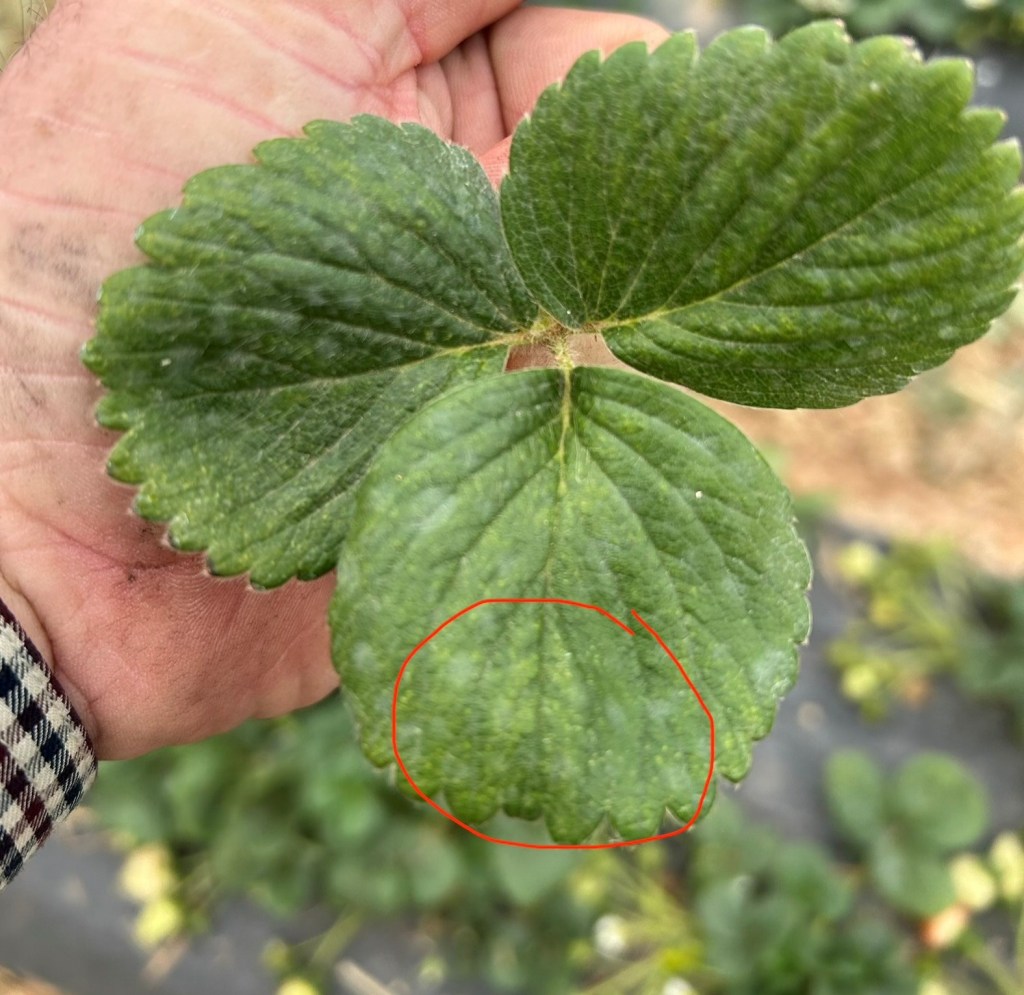
- I would encourage growers to scout strawberries closely for spider mites. They are difficult to see, so take your time and use a 10x magnifier to identify them. I also encourage full-leaf and petiole tissue samples now. The leaf sample will help identify the current nutrient status, and the petiole nitrate sample will help with nitrogen management.
- Peaches are beginning to bloom now, especially in early cultivars like Flavorich. At 10-25% bloom, Bravo/Chlorothalonil remains a great fungicide choice, providing a very long period of protection. If growers choose to use the systemic fungicide Tilt/propiconazole, it would be much better to include captan with it to provide longer protection and help prevent resistance progression.
Question of the Week – Grower Spotlight
Where is Andy visiting this week?
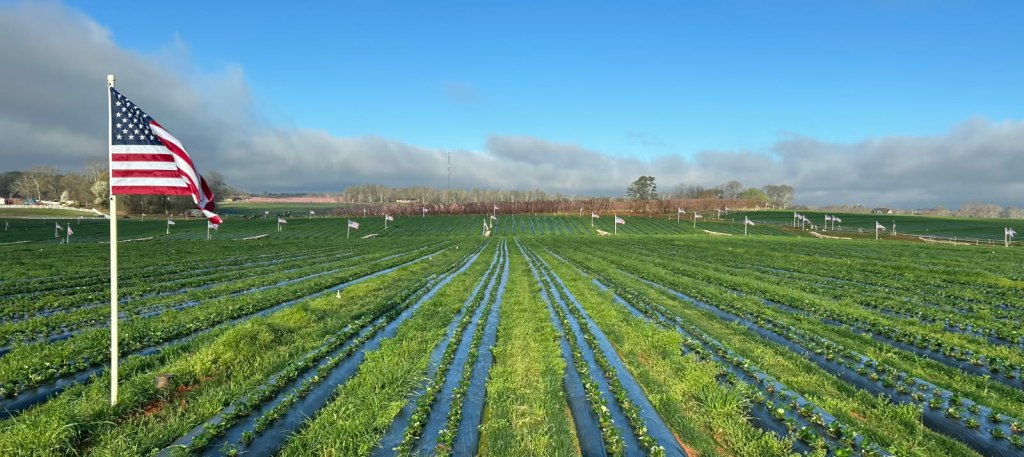
Answer in the comments below and check back on Thursday to see the answer.
 The South Carolina Grower