Parts of the Upstate saw some cold damage to fruit crops last week, while the rest of the state largely escaped. Strawberries are ripening well, and harvest is beginning in places. Spring vegetable planting will begin on a larger scale soon.
Key Takeaways for Growers This Week
- Cold affected some peaches and small fruits – assessments continue this week
- For cold-damaged strawberries: remove damaged tissue ASAP
- Strawberry picking is beginning – U-Picks will open soon
- Conditions are favorable for mites and disease – stay on top of scouting and spraying
The latest episode of the SC Grower Exchange Podcast is available now.
Lowcountry Report
Anna Sara Hill
- Last week brought another cold snap along with strong winds across the area. A brief, mini-tornado touched down in part of Bamberg County, though damage was limited and isolated.
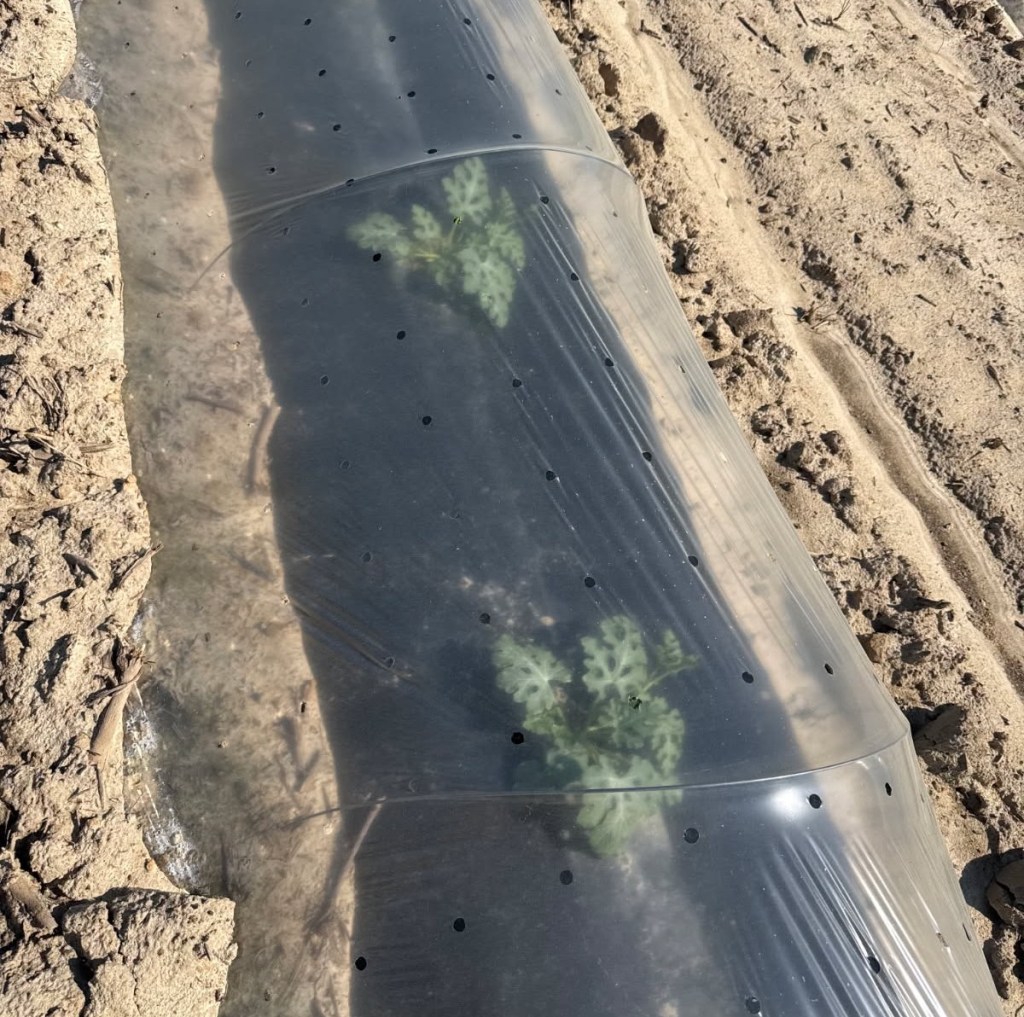
- Watermelon season is quickly approaching, and most growers are holding off on planting until April 1 to avoid additional freeze events. One grower did experiment with planting watermelons under plastic row covers. Fortunately, despite the high winds, the covers remained intact. Some of the frames were slightly bent, but overall, the trial held up well.
- Peaches, pears, and blueberries are now in full bloom. Research shows that honeybees can significantly improve blueberry pollination and yields, and one grower has placed hives throughout his blueberry fields to support pollinator activity.
- Strawberries that struggled to establish earlier in the season responded well to the warm weather in early March. Plants are growing well and setting fruit. Some fruit may be ripe in time for Easter.
- Carrots are beginning to germinate in some fields. Recently transplanted leafy greens are growing well. Peppers, tomatoes, and other vegetables currently growing in greenhouses should be ready for field transplanting soon.
- Several fruit trees have also been planted within the last month. When planting fruit trees, it’s important to set them at the proper depth. The graft union should remain above the soil surface and not be buried. Trees should be watered thoroughly immediately after planting, and pruning is recommended to encourage strong growth and proper structure.
Midlands Report
Rob Last
- After a week of variability with freeze risks and warm temperatures, the next week looks to be a more settled, warmer affair.
- Spring plantings continue at a pace, with lettuce and brassica crops going into good conditions and establishing well.
- Strawberries are progressing, with some early-ripening fruit. Remember to keep scouting for mites and applying multi-site fungicides to protect the fruit.
- Removing any freeze-affected flowers can help to reduce gray mold inoculum.
- Blueberries look to have survived the cooler temperatures, with little effect on green fruit. Cutting some flowers open revealed some damage to the embryo, isolated to the open flowers. Buds looked to have fared better. Further assessments will continue this week.
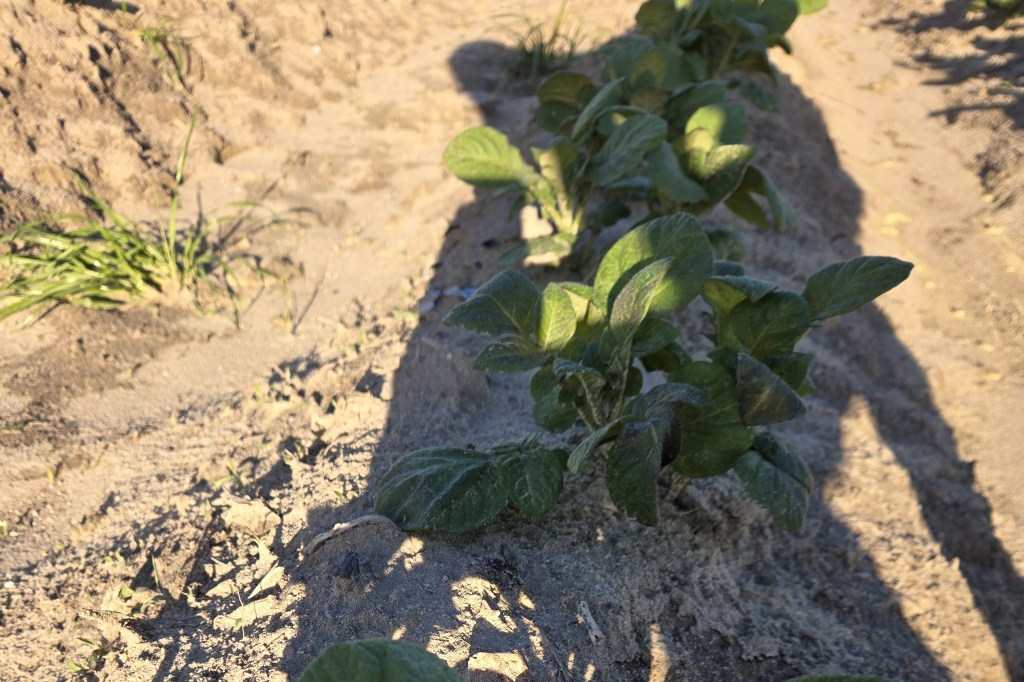
- Irish potatoes are showing blackening on some exposed leaves, which is typical for cool-weather exposure, and the crops will rapidly grow out of the damage.
Sarah Scott
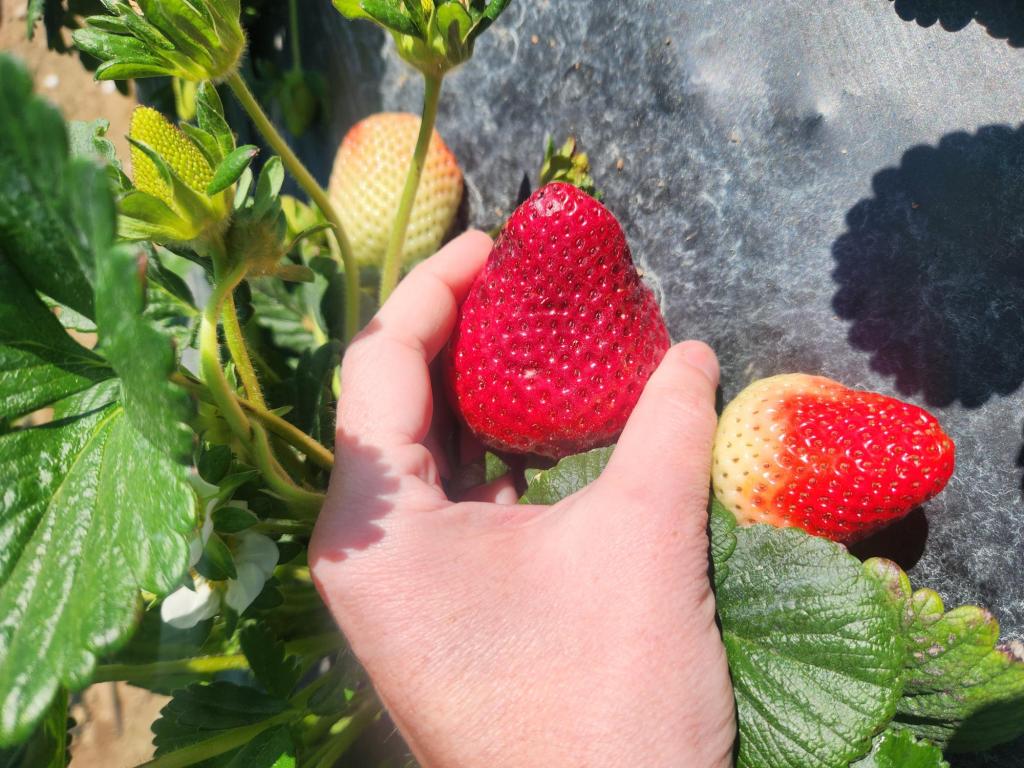
- We are officially picking strawberries following 3 nights of stressful freeze protection. Early last week, temperatures dipped into the high 20s, and growers pulled covers or ran overhead irrigation to protect the plants, which were full of blooms. After the cold, temperatures have jumped into the 80s, and berries are coming off.
- We have also had plenty of rain, so the fields are a bit muddy, and we are keeping a close eye on botrytis and other issues that are emerging. If you are treating but not seeing good results for your botrytis control, consider a botrytis fungicide resistance test.
- Peach trees are quickly turning green as we have had a relatively quick bloom this year. We have not been thinning in the fields, so the cold weather likely did some natural thinning for us. We have seen some cold damage, and some varieties will have significant losses, but overall, this was not a catastrophic event. Things are looking good for a nice peach season.
Pee Dee Report
Brittney King
- Things in the Pee Dee are really picking up after the warm weather and rain we received last week.
- Strawberries are in full bloom, and fruit set is great this year. There are not many disease or pest issues at the moment, which is great! It will be important to continue scouting as we continue to have hot weather with chances of rain. Spider mites are present, and it looks like there are a lot of eggs right now, so make sure you apply a miticide that targets younger life stages.
- Early blueberry cultivars are loving the weather and are blooming like crazy. Make sure you have plans in place to protect those blooms in case we have another frost.
- Peaches seem to have escaped frost or freeze damage in the Pee Dee, aside from a few buds on some early varieties.
Upstate Report
Andy Rollins
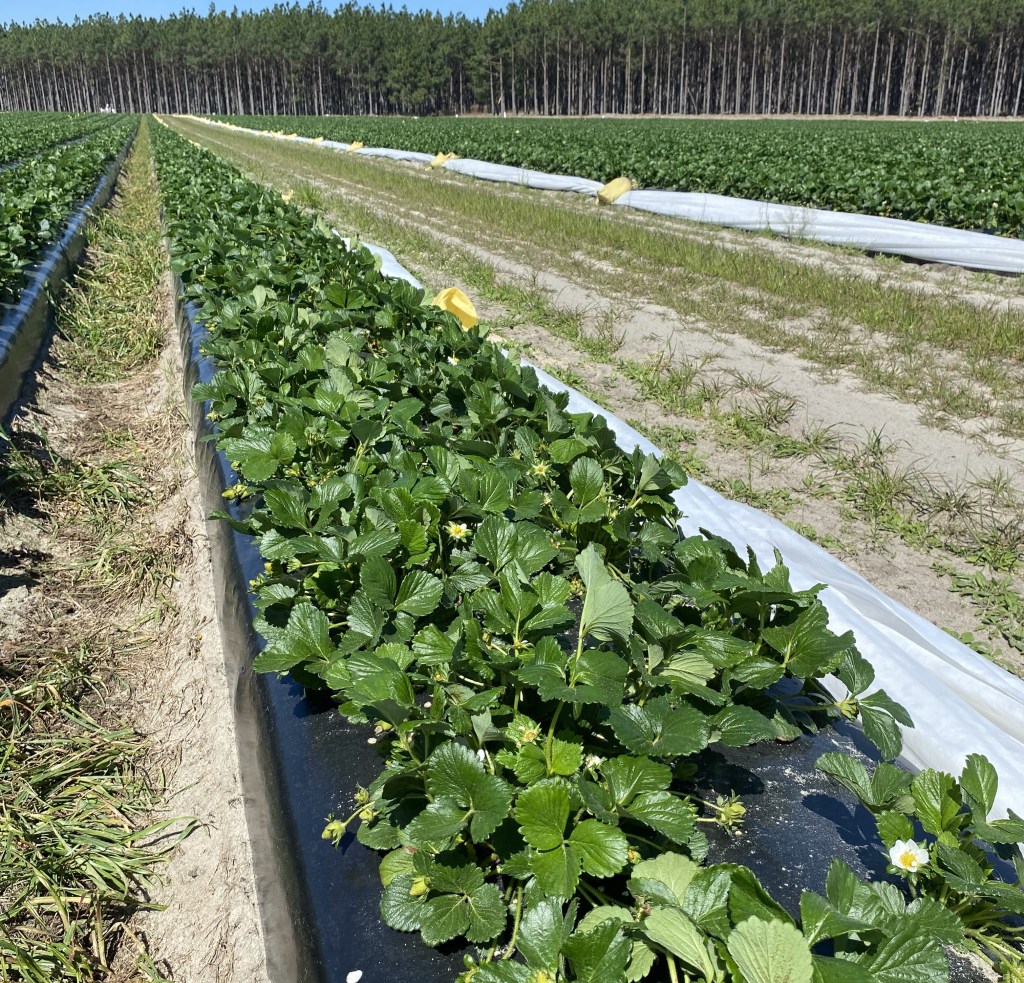
- Multiple days of lower temperatures last week damaged several crops. Thankfully, most growers covered their strawberry crops with row covers. Unfortunately, even though we were covered, we still took some damage.
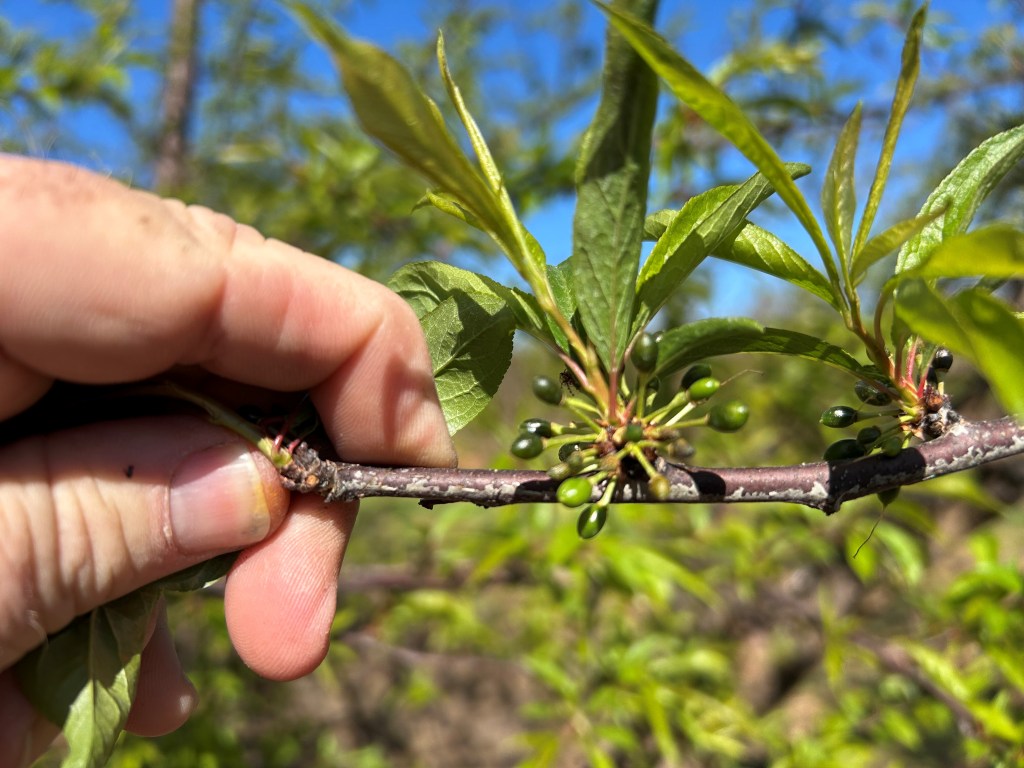
- The peach crop sustained varying degrees of freeze damage by location. There is still enough fruit for a full crop, but we have had significant thinning in places. All of the late-opening flowers remain undamaged, as do a great majority of buds lower on the fruiting wood, while those buds past petal fall and into shuck split sustained more damage.
- Plums seem to be more significantly damaged, I believe, because of the stage they were in. I recommend suspending pruning and fruit thinning efforts till we know what we have.
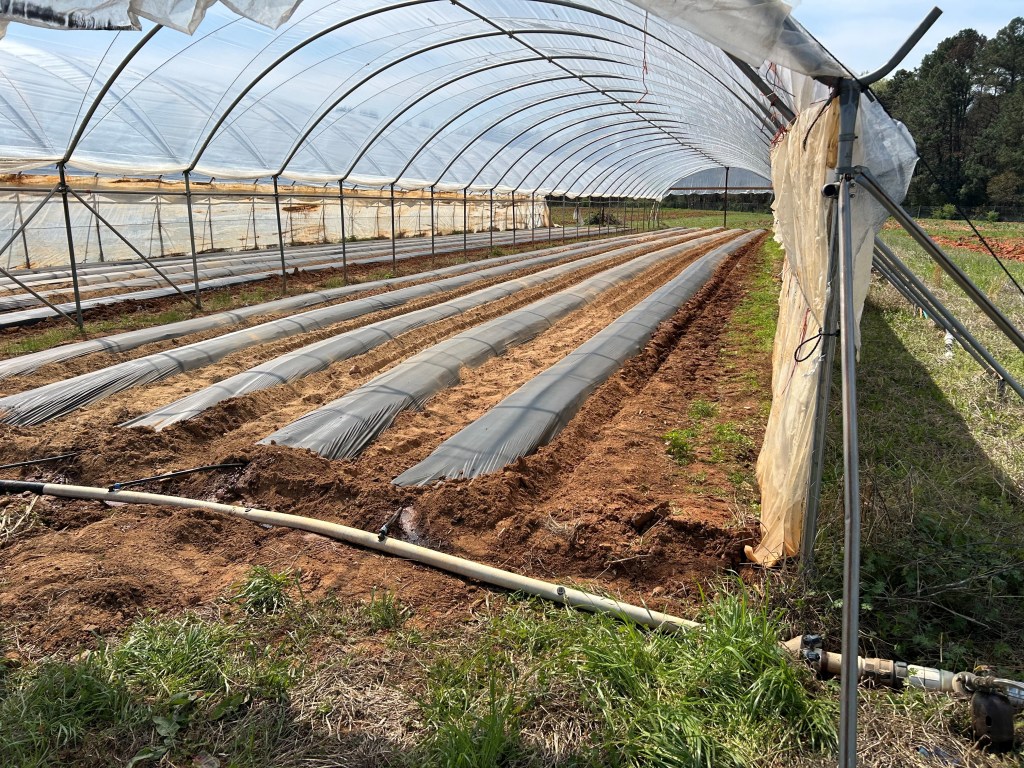
- I assisted two growers last week with inline fumigating. One was for a high tunnel tomato planting. By using the drip tape to apply the fumigant, we avoid the dangers of enclosed-area fumigation.
Question of the Week
What is on the back side of this strawberry leaf?
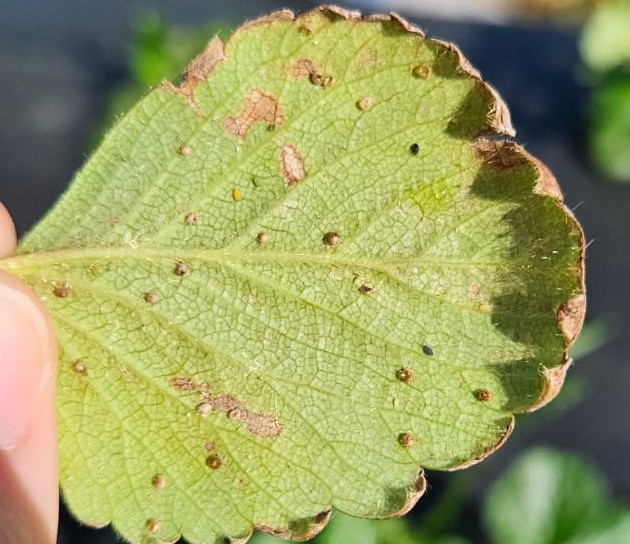
Answer in the comments below and check back on Thursday to see the answer.
Don’t forget to look at the Resources tab for links to crop handbooks, helpful websites, and related blogs. Have a great week!
 The South Carolina Grower