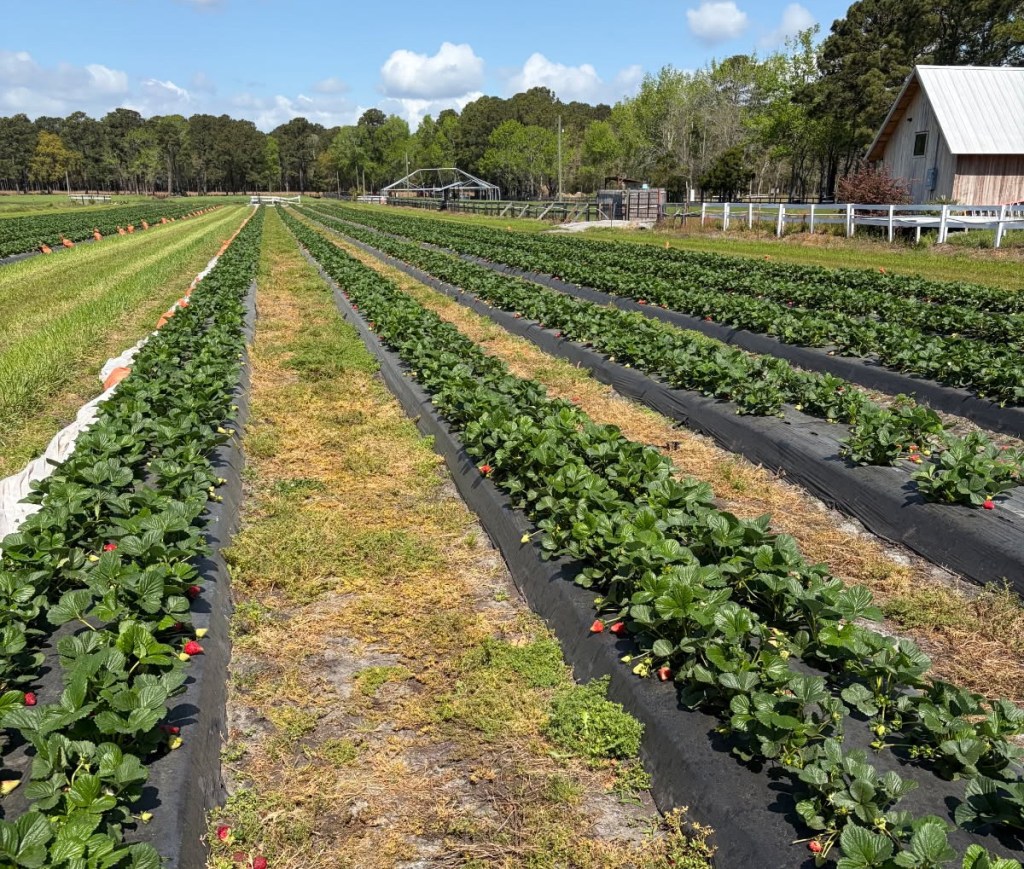
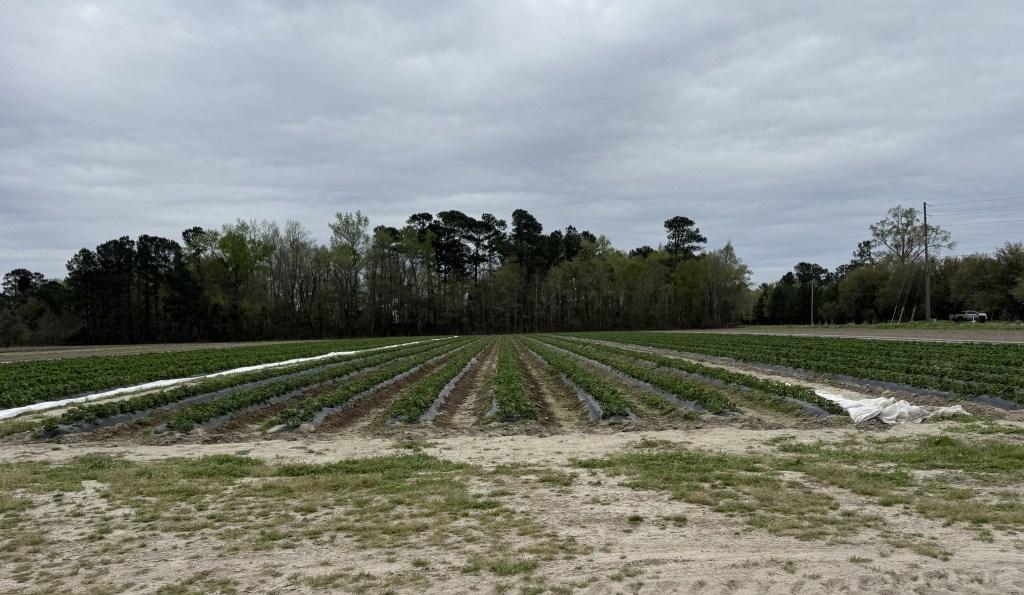
After a cooler weekend, warm weather will return this week. It’s been very dry, and we’re looking forward to a little rain later this week. More of the state is beginning to pick strawberries, though we aren’t in peak production yet. Spring vegetables are being planted now and are looking good so far.
Key Takeaways for Growers This Week
- Rain forecasted later this week – get a fungicide out on strawberries
- Strawberry picking is beginning – much of the state will have Easter berries
- Some blueberries were damaged by the cold – it doesn’t appear yield will be significantly affected
- Vegetable transplants are being planted – watering is really important right now to get plants established
The latest episode of the SC Grower Exchange Podcast is available now.
Lowcountry Report
Zack Snipes
- We have had a weather roller coaster lately, with perfect warm days followed by cold, windy ones. The biggest issue right now is how dry it is. We haven’t had much, if any, rain in a while.
- Because of the lack of rain, our disease pressure on all crops is very low right now. I have seen very little gray mold or anthracnose on strawberries.
- I almost get tired of saying it, but spider mite pressure is ramping up, and growers should target an application early to mid-week this week so strawberries can be harvested later this week. It looks like we have great weather leading up to Easter for picking.
- Lettuce, brassicas, and spring onions are looking amazing right now. Tomatoes and peppers look ok, but could use the wind lying down and some rain to get them into gear.
Midlands Report
Rob Last
- After a cool weekend, temperatures are expected to rise again, with a chance of some rainfall later this week.
- Crops continue to develop, with strawberries ripening well and some U-Picks beginning to open.
- Spider mites remain present and are increasing in many crops, though I am observing more predatory mites.
- As strawberries ripen, remove overripe berries to reduce the inoculum of pathogens. I am seeing low incidences of gray mold. Keeping up with protectant fungicide applications, based around thiram (where available), Captan, and the inclusion of Switch can be beneficial.
- Blueberries appear to have fared well following the freezes last week. There is evidence of 10-15% fruit and flower damage in many crops, but the loss of these fruits is likely to be compensated for through larger fruit.
- Leafy greens look great, but I am observing some older cold damage, characterized by windowpane effects, on the older exposed leaves. Typically, this effect is transient, and crops will grow through it.
- Aphids are active in many crops, so scouting remains important.
- Cucurbits are being transplanted and appear to be moving well, albeit with some evidence of transplant shock.
- Solanaceous crops are also being transplanted in the area, with evidence of some transplant shock to the older leaves. Again, this should grow out given some warmer temperatures this week.
- Keep an eye out for Colorado potato beetles in Irish potatoes; they are active. Spinosad and spinetoram can be useful materials against hatching larvae, and the neonicotinoids can be useful foliar sprays that help manage aphid populations, too.
Daniel Lyon
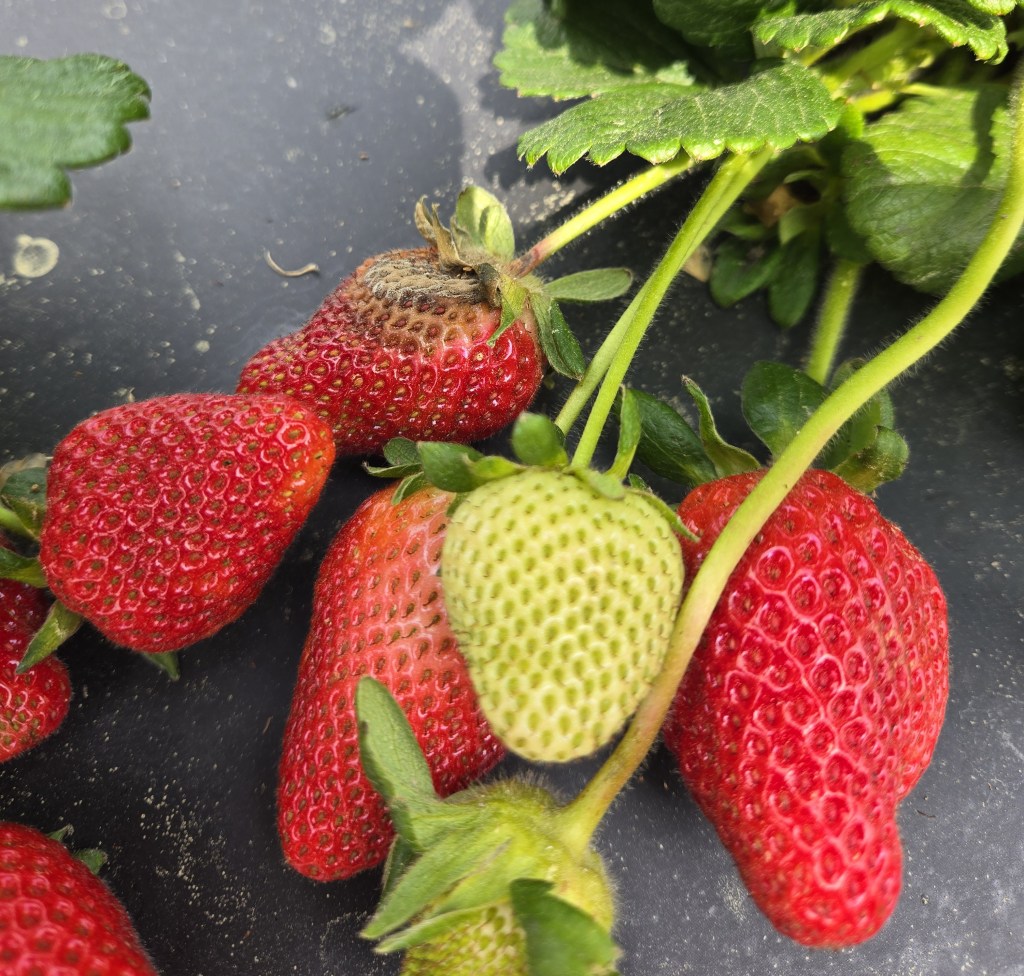
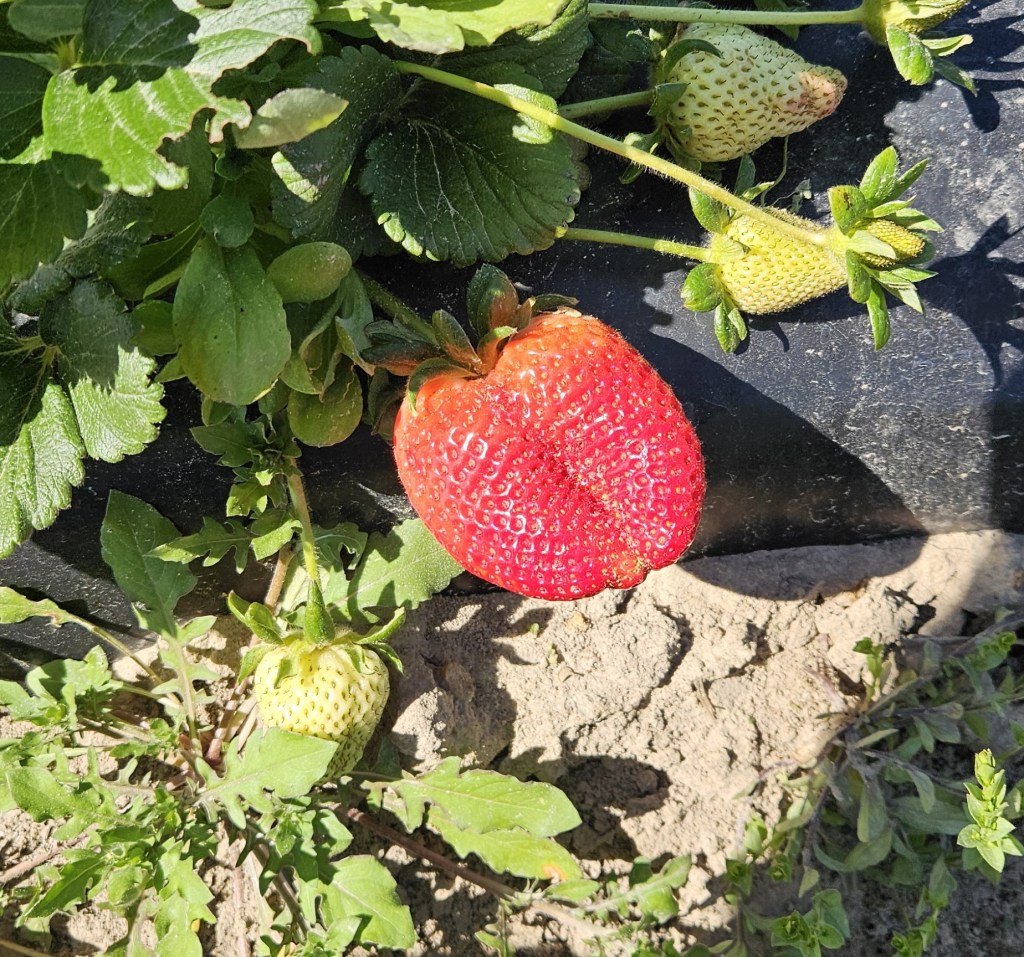
- Strawberries are starting to ripen across my area. A couple of growers have already opened u-pick strawberry stands and sold a couple of quarts. I have seen minimal spider mite pressure in my area. Sprays should be less frequent anyway because strawberry plants can withstand much higher spider mite populations during fruiting than in the early season. I have also seen minimal botrytis and other disease pressure, even after the last cold snap a few weeks ago. I have had a few questions about cat facing. Deformity in early-season strawberries is fairly common and is caused by poor pollination or variable spring temperatures. If the deformities persist, take a tissue sample to rule out micronutrient deficiencies.
- Many blueberry growers were protecting blooms during the last freeze a couple of weeks ago. By now, we are seeing the effects of that damage. In my area, the effects are minimal. In some cases, a light frost can help thin the berries and encourage a better crop among those that survive.
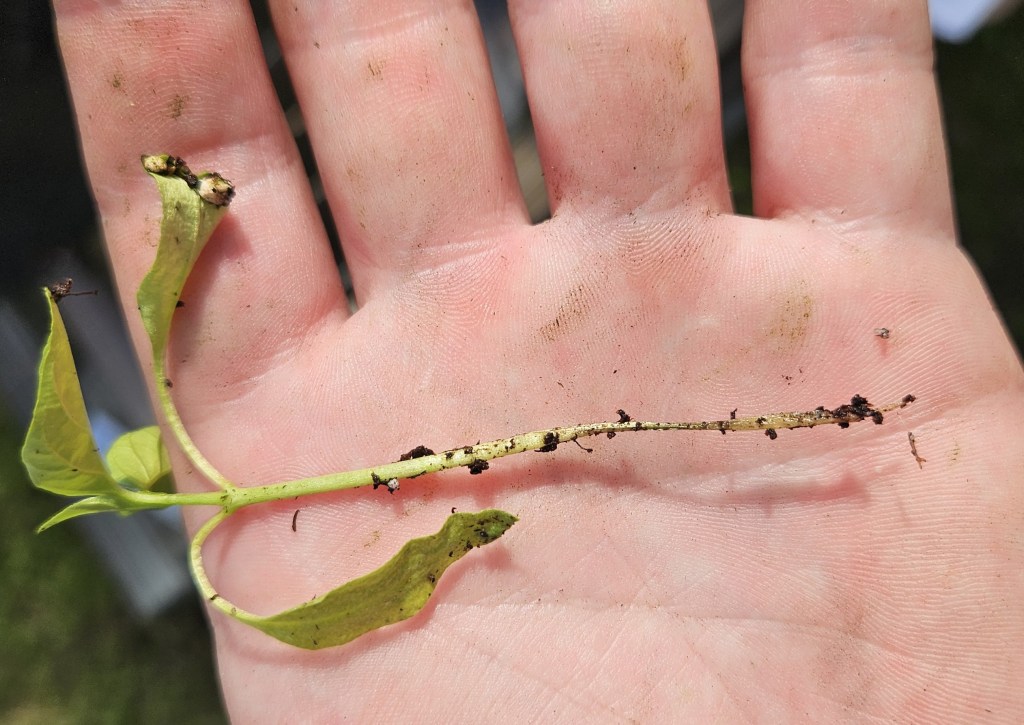
- I looked at transplanted peppers and tomatoes in a greenhouse the other day. They appear to be suffering from Pythium (damping-off), although the samples have not yet been confirmed. Several plants were wilted and showed signs of crown rot. Some plants survived past 2-3 true leaves but appeared stunted compared to unaffected plants. This disease was most likely caused by a poorly-draining potting mix. When transplanting seedlings to flats, it is important to use a well-drained seedling mix. There are no control options for Pythium in greenhouses. Sanitization will be your best form of defense, and changing potting media. You could also try adding sand or perlite to the media to improve drainage.
Pee Dee Report
Brittney King
- With warmer weather and the threat of frost hopefully behind us, it’s nice to see blueberries in bloom and strawberries being picked.
- I haven’t seen any major spider mite issues on strawberries, but it is always important to keep a close eye out.
- While I did see a small amount of gray mold on a couple of berries recently, it seems like fungal issues aren’t a major problem at the moment. Keep in mind that can change rapidly with the weather, so it’s important to stay on top of fungicide applications.
- Vegetable crops should start coming along nicely with the warm weather, but moisture may be an issue due to the fairly dry conditions lately. Use irrigation to maintain consistent moisture levels throughout the growing season.
Question of the Week
What type of moth is this?
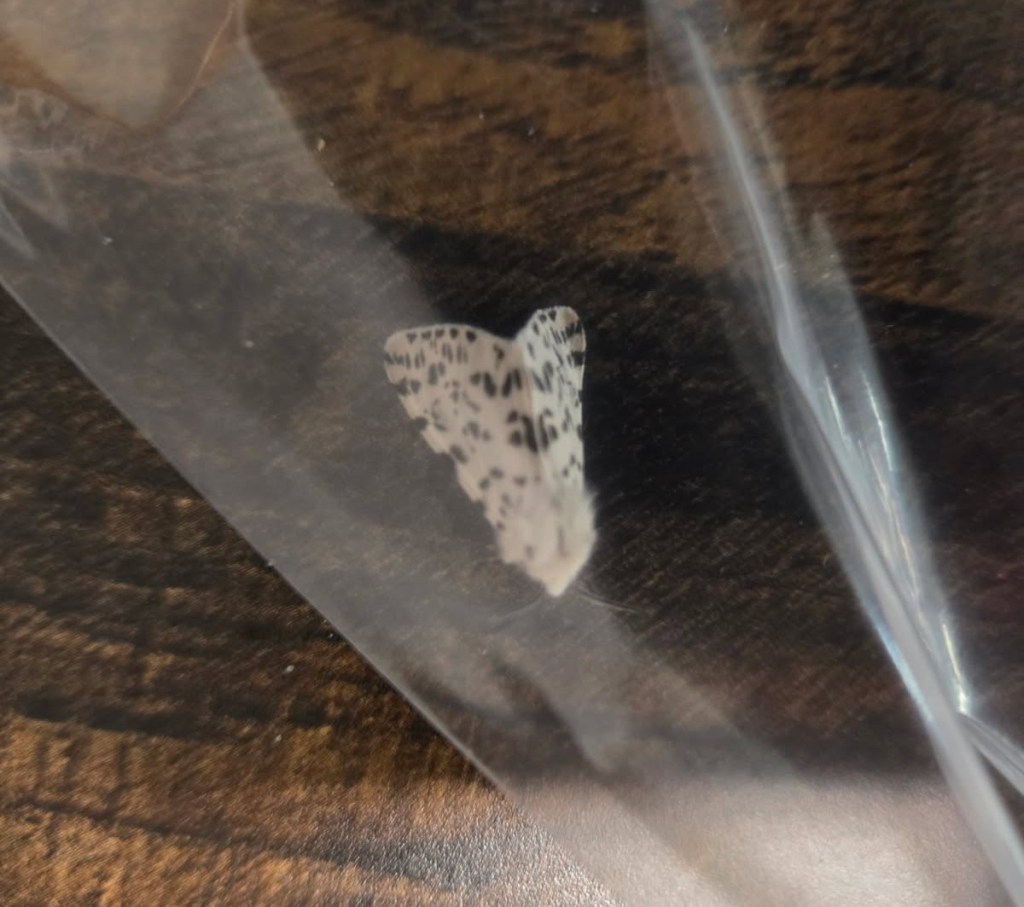
Answer in the comments below and check back on Thursday to see the answer.
Don’t forget to look at the Resources tab for links to crop handbooks, helpful websites, and related blogs. Have a great week!
 The South Carolina Grower