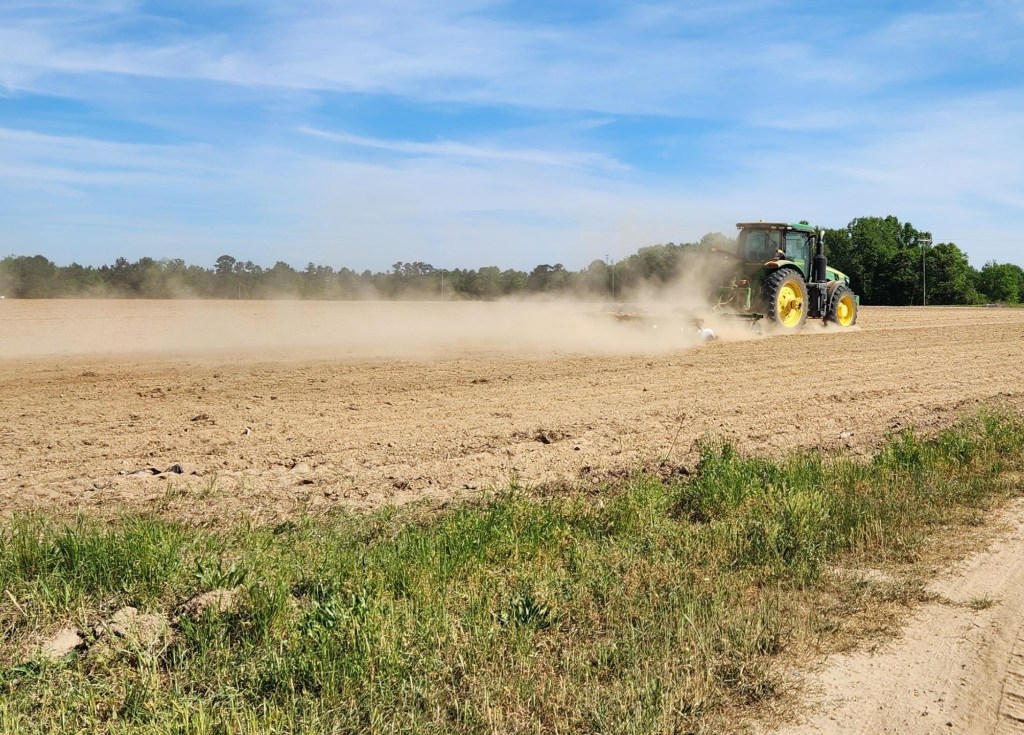
Dry, dusty conditions continue as near-record heat sets in this week. Though overall disease pressure is low, powdery mildew is appearing in multiple crops. The weather conditions are allowing insects and mites to thrive.
Clemson Extension agents have been working hard the past year writing a cut flower manual. The new manual will be available as a free downloadable PDF from Clemson Extension Horticulture. Printed copies are available on Clemson University Marketplace.
Key Takeaways for Growers This Week
- Record heat expected this week – conditions remain dry and dusty
- Powdery mildew is showing up – multiple crops are affected
- Insect pests are enjoying dry weather – including aphids, thrips, and mites
- Peaches look good – the cold damaged some, but we still have a decent crop
The latest episode of the SC Grower Exchange Podcast is available now.
Lowcountry Report
Anna Sara Hill
- There is no rain in sight, and the fields are dry and dusty as the drought continues.
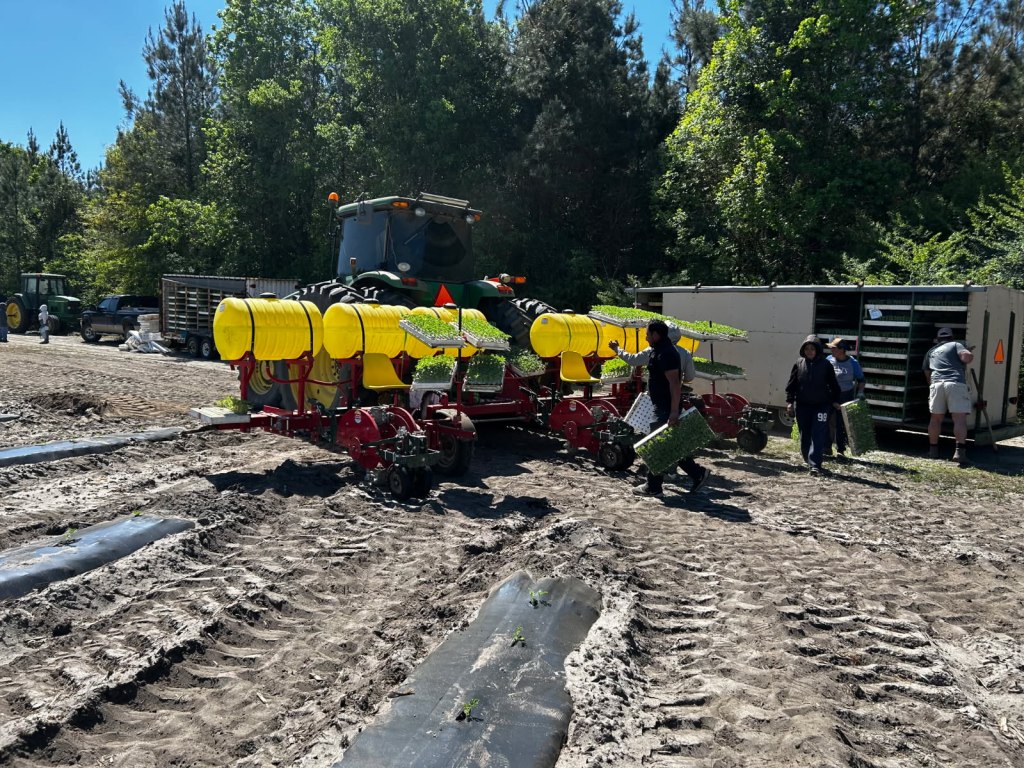
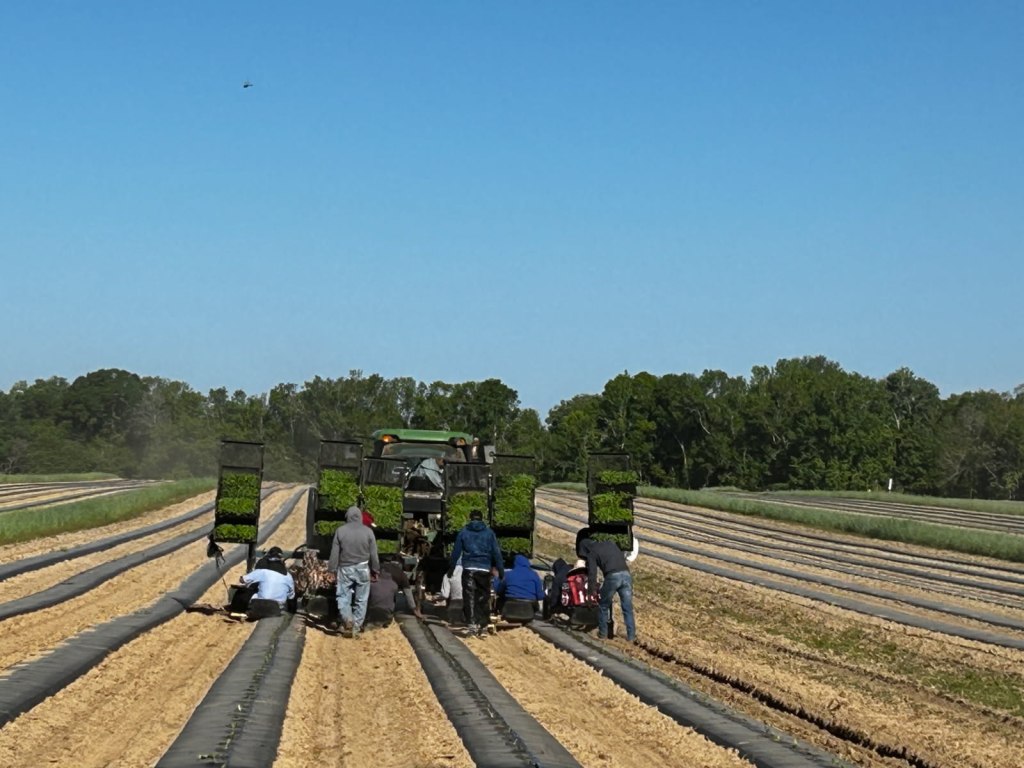
- Most of the watermelon growers who had been holding off on planting in hopes of rain finally “bit the bullet” and planted this week.
- It has been so dry that a few growers have been unable to get into the field to lay plastic, so they are going to wait for rain to plant, even if it is late.
- Blueberries took a hit with dormancy breaking early, followed by the cold snaps in February and March, but it looks like there will still be a harvest.
- Blackberries are sparsely blooming.
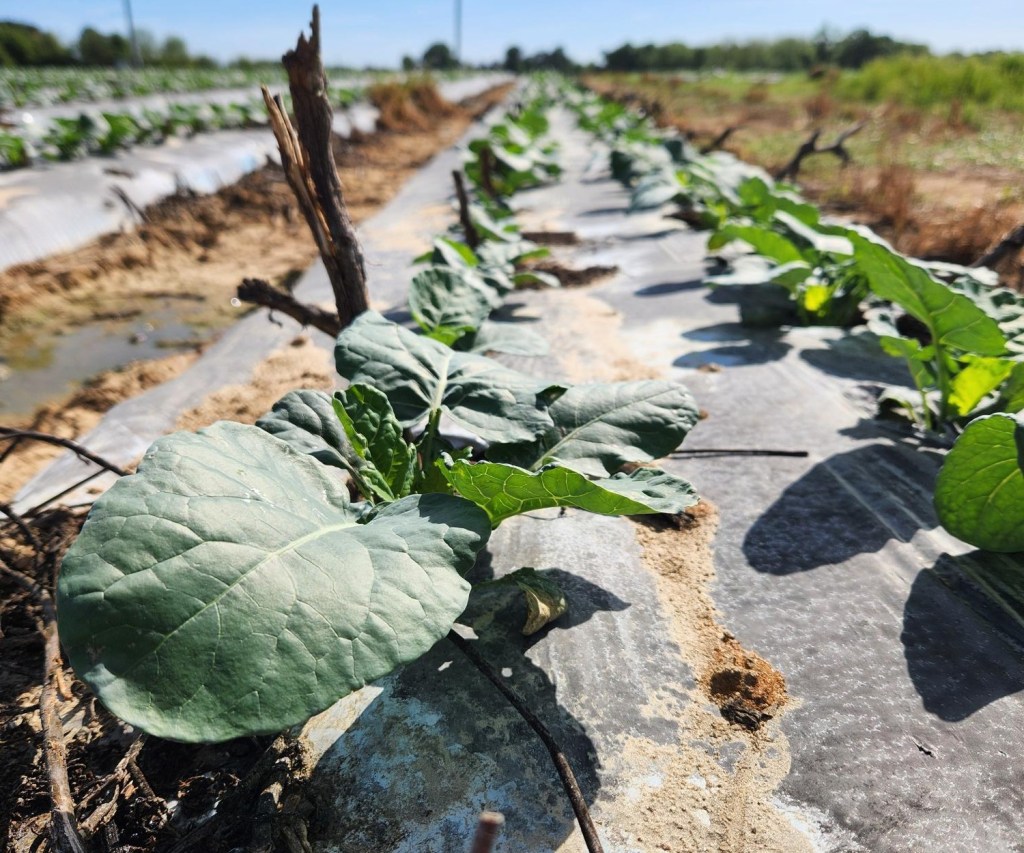
- Vegetables and strawberries appear to be growing well despite the dry conditions.
- The cooler weather should help keep insect pressure low, but stay on the lookout as things warm up, as many insects thrive in hot, dry conditions.
- At least one grower has already observed that the dry conditions are making coyotes and raccoons desperate for water, resulting in chewed-off drip lines.
Zack Snipes
- Another dry week in the Lowcountry. We desperately need prolonged rain in the region. It was very windy last week, which further stressed plants.
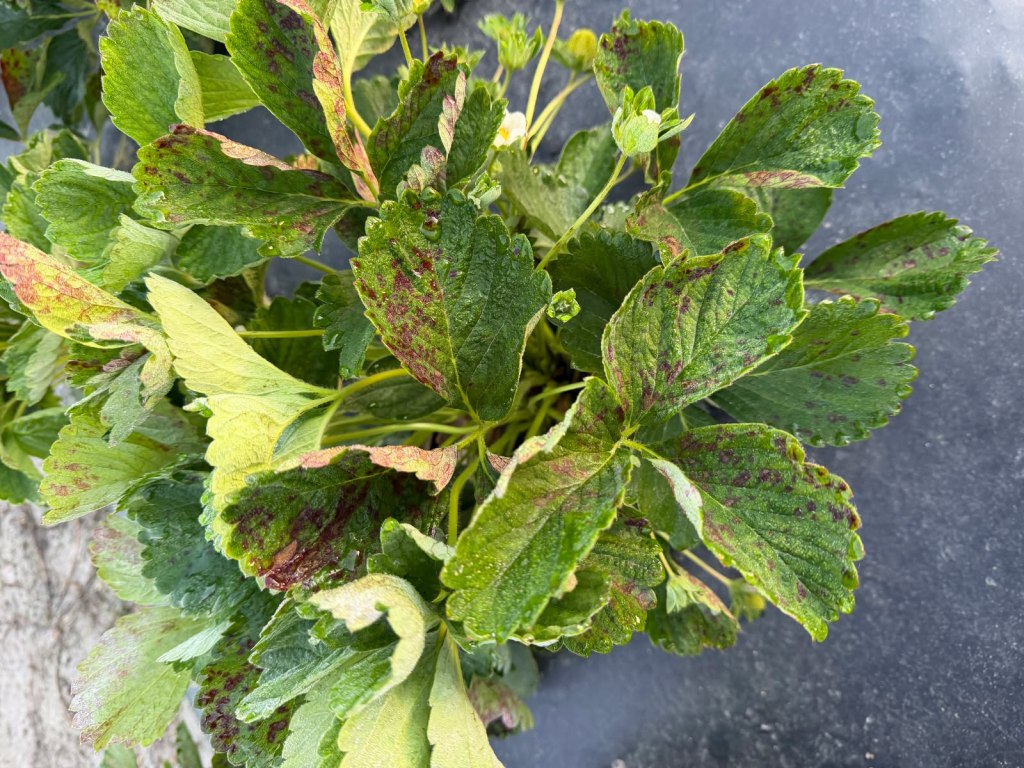
- I am seeing powdery mildew on the strawberries, which does not surprise me, considering the dry weather we have had. We need to manage this pathogen. Don’t just assume the purple dots will go away.
- We are also seeing lots of runners on strawberries. This is uncommon for this time of year, but many farms across the state are experiencing it, so you are not alone. My best advice is to give the plants all they need to be happy and clip (do not pull) the runners. If you pull or pinch the runners, you are likely to create another stress or wound on the plant.
- Other crops are looking ok considering the wind and lack of rain. Onions, lettuce, carrots, radish, and leafy greens look great right now.

Midlands Report
Rob Last
- As we head into a new week, conditions remain very dry, with some record-high temperatures forecast.
- With high temperatures in the forecast, be mindful of heat stress. Drink plenty of water, keep out of the heat of the day, remember sunscreen and try to schedule strenuous tasks in the cooler times of the day.
- Crops, on the whole, look fantastic, with little in the way of disease activity.
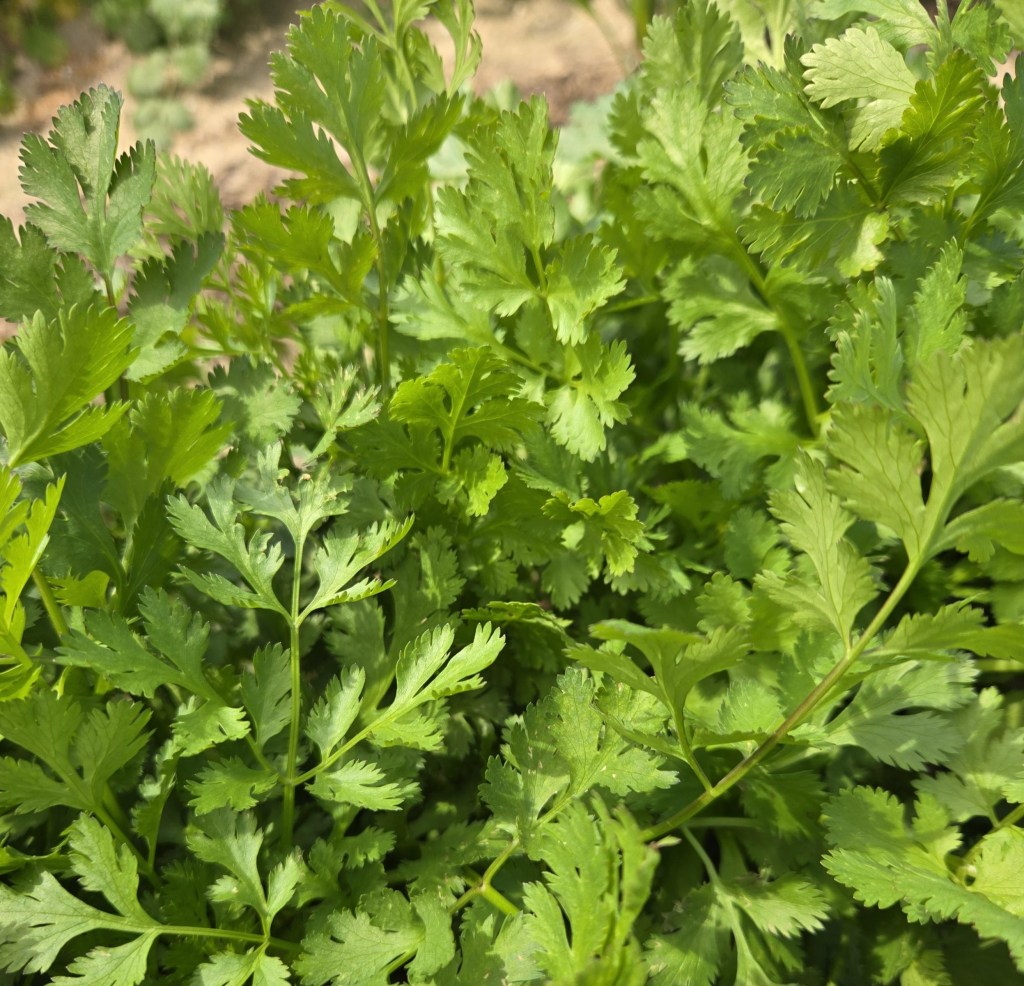
- Keep monitoring for pests. Aphids are very active and are present in many crops.
- Monitor soil moisture in beds. Irrigation strategies may need to be adjusted.
- Keep scouting for disease. Powdery mildew may become a problem as warm, dry conditions continue.
Sarah Scott
- Much like everywhere else, we are extremely dry in the Midlands. Field work is very dusty as farmers prepare the soil for laying plastic and planting summer crops. What is in the ground is growing well with controlled irrigation, and the lack of moisture is leading to less disease.
- Cooler night temperatures last week slowed strawberry ripening, but the forecast calls for warmer days ahead, and fruit will catch up quickly.
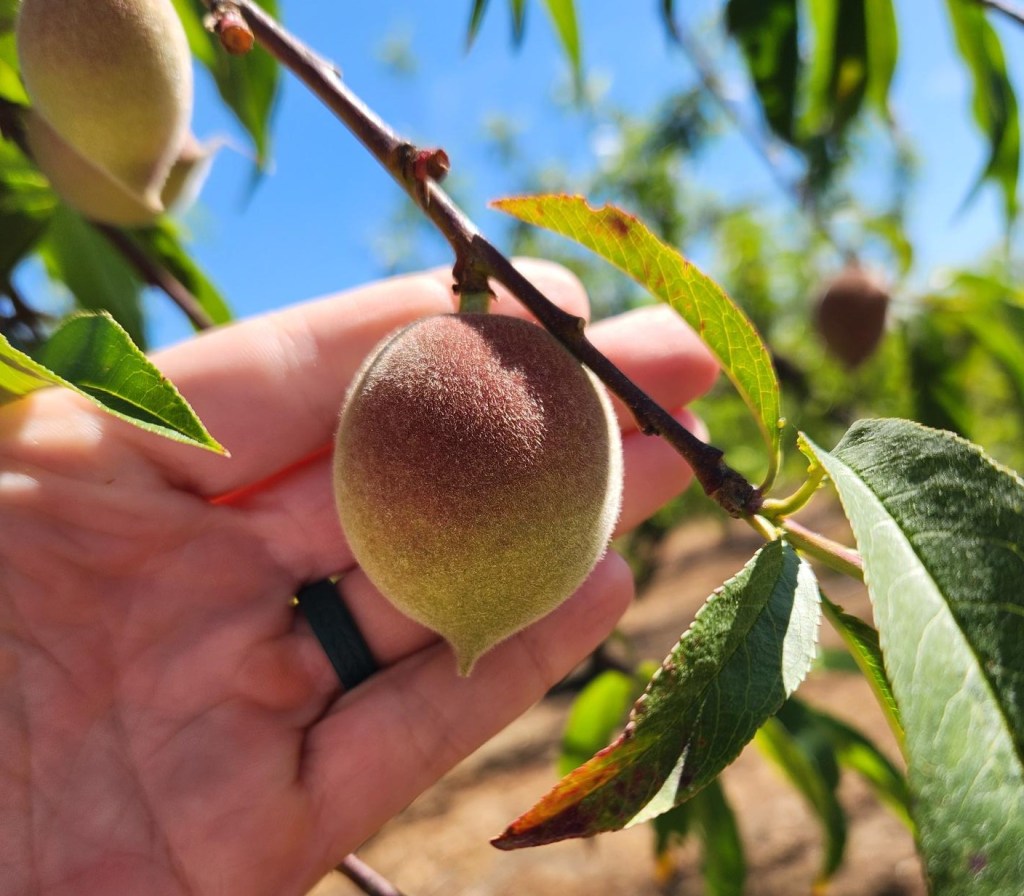
- The peach crop is looking good overall. We are seeing damage from earlier cold events in some varieties here and there, where pockets of colder temperatures may have settled. Hand thinning is being done now to ensure the fruit can size properly on the tree. With the lack of rain, we are also irrigating trees where we can, so they do not become stressed early on. Dry conditions are affecting the application of fertilizer (such as calcium nitrate) and herbicides, as both require moisture to activate.
Pee Dee
Brittney King
- We are still really dry here in the Pee Dee with no signs of rain throughout the next week. Overall, the dry conditions are keeping most disease issues at bay, but insect populations are becoming more prominent.
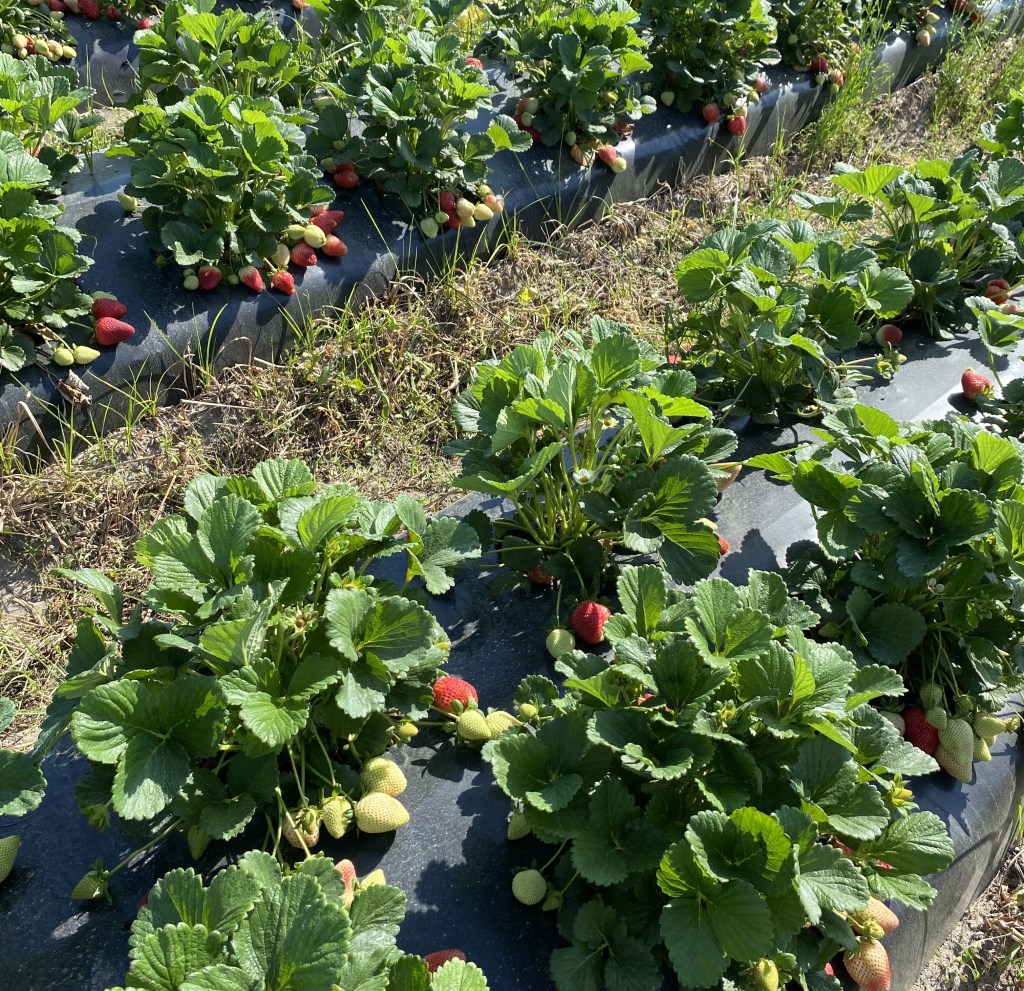
- Strawberries are putting on a heavy crop load this year, and so far, harvest is going really well. The dry weather has lowered disease pressure but increased spider mite populations. Make sure you use a miticide that targets the insect’s different life stages.
- Spring crops such as cucurbits, leafy greens, and tomatoes are also progressing well in our dry weather. Aphids and spider mites remain an issue in these crops during dry weather. Remember, do not use broad-spectrum insecticides like pyrethroids to control aphids and spider mites, as they will kill beneficial insects and cause a flare-up of the target pests. I have noticed a good number of beneficial insects in fields this year, so we want to preserve those if we can.
- Onions are chugging along nicely and should be ready to harvest in the next couple of weeks.
- Blueberries seemed to come out of the cold snaps well this year. There was a late light frost that caused some damage, but it likely will not reduce yield and instead will result in bigger berries due to fruit thinning.
Upstate
Andy Rollins
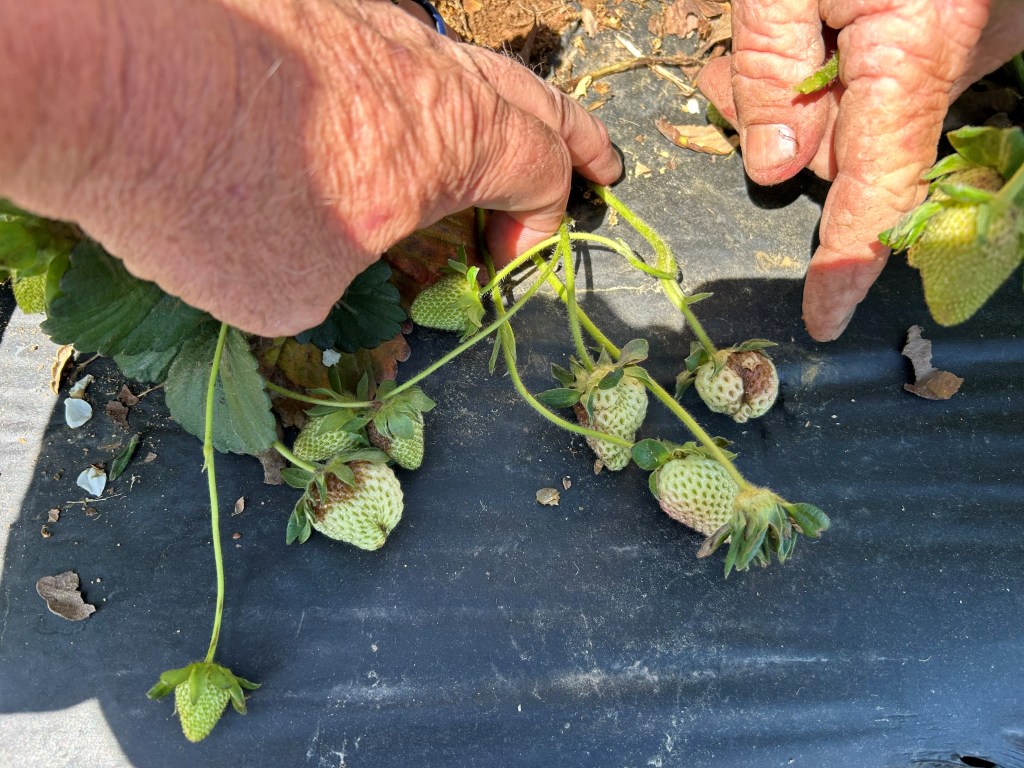
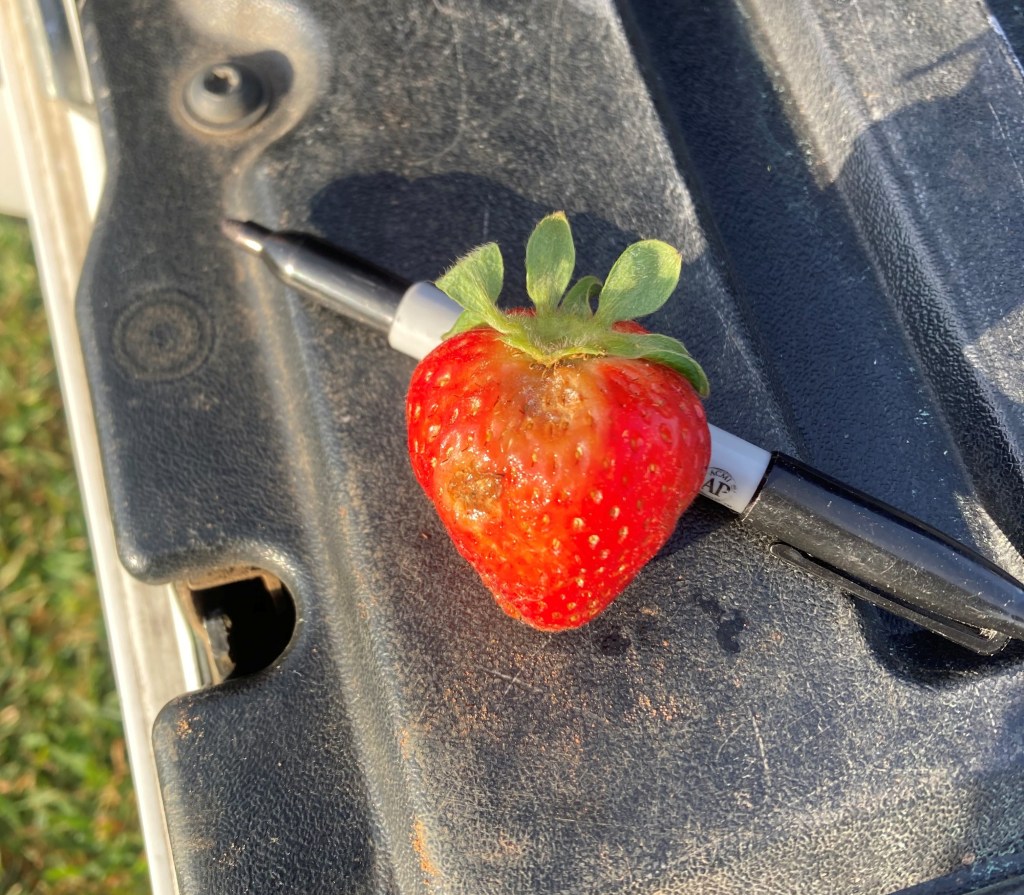
- In strawberries, we are having some trouble with disease just under the calyx and the calyx itself on several farms. Most of it is grey mold (Botrytis), but we have found some anthracnose fruit rot. The unusual thing is that we have been in a major drought with very little leaf wetness. The farms where I found this have had robust disease-spray programs. I recommended they increase their spray pressure to 250-300 psi and use a different mode of action fungicide. On a separate note, while dissecting many berries, I have found extremely high adult thrips levels on multiple farms, which are causing fruit to have an orangish coloration, especially on the side of the fruit touching the plastic. I also found thrips larvae underneath multiple calyces. Please inspect your fruit and plants for thrips and mites. On these farms, I recommended using Radiant, then alternating with Exeril.
- Peach-wise, we have a large separation in the fruit we have left, which will extend the picking of each variety significantly. Thankfully, we still have a crop, and most of the severely cold-damaged fruit has dropped. We are currently in a drought and could definitely use some rain.
- Growers need to be looking out for powdery mildew showing up soon, with how dry it’s been. I have seen some bug-damaged fruit. Please remember to rotate your insecticide groups.
- The blueberry crop is in good shape, although some cold damage was sustained, especially on the ends of the branches.
Question of the Week – Grower Spotlight
Where is Brad visiting this week?
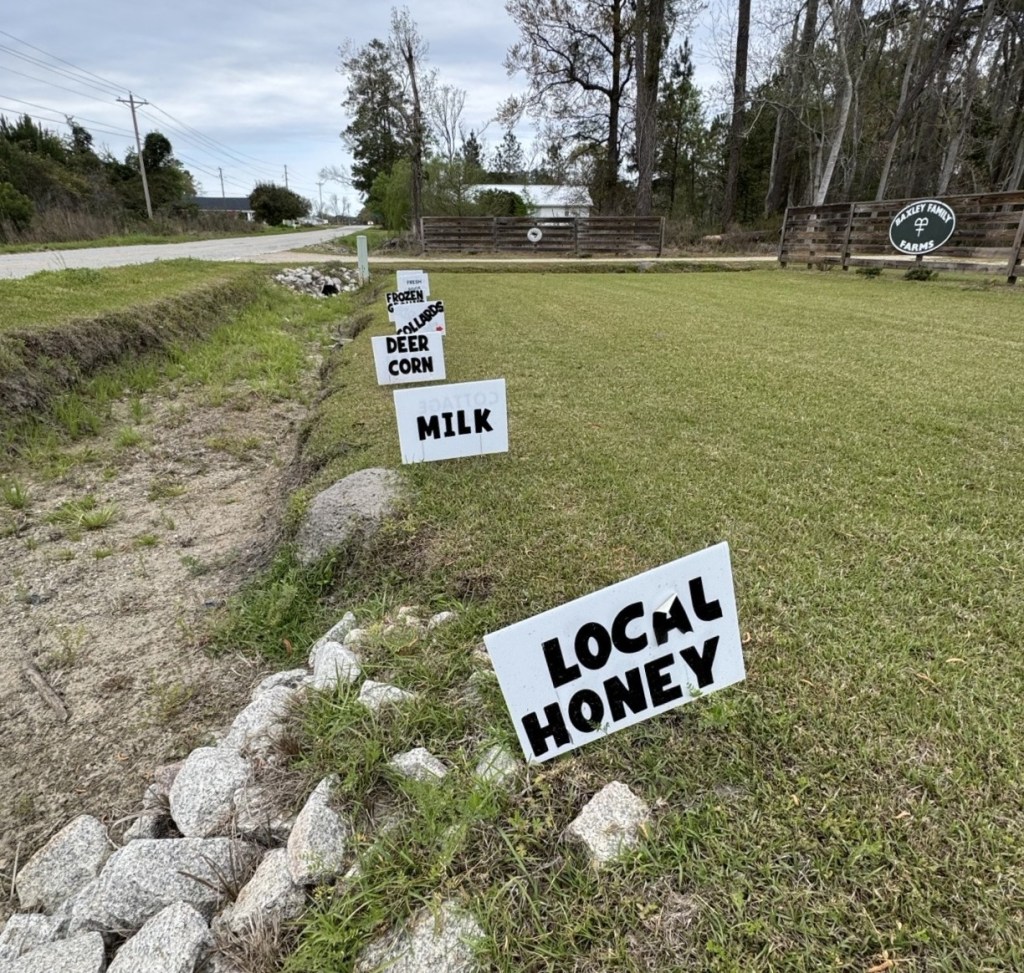
Answer in the comments below and check back on Thursday to see the answer.
Don’t forget to look at the Resources tab for links to crop handbooks, helpful websites, and related blogs. Have a great week!
 The South Carolina Grower