Category: Question of the Week
-
Question of the Week – Bad Chickens

This week, the question was: What happened to this poor collard plant? I routinely scout the collards in my yard for insect pests and enjoy watching wasps parasitize worms and aphids. I walked out the other day and thought the wasps must be taking a break from parasitizing because I have serious damage. Upon further…
-
Question of the Week – Phytophthora Crown Rot

This week, the question was: What has caused the dark brown discoloration in the crown of this strawberry plant? This dark reddish/brown discoloration in the crown is a typical symptom of Phytophthora crown rot. The first observable signs of this disease include wilting and browning of the leaves in the field. Phytophthora is most serious…
-
Question of the Week – Spider Mites

This week, the question was a two part question: What is causing the stippling effect to these strawberry leaves? Photo Credit: T Bilbo, Clemson Extension. The stippling effect seen on the upper surface of this strawberry leaf is caused by two-spotted spider mite feeding damage. When the mites pierce the epidermis of the leaf to…
-
Question of the Week – Sunlight Exposure
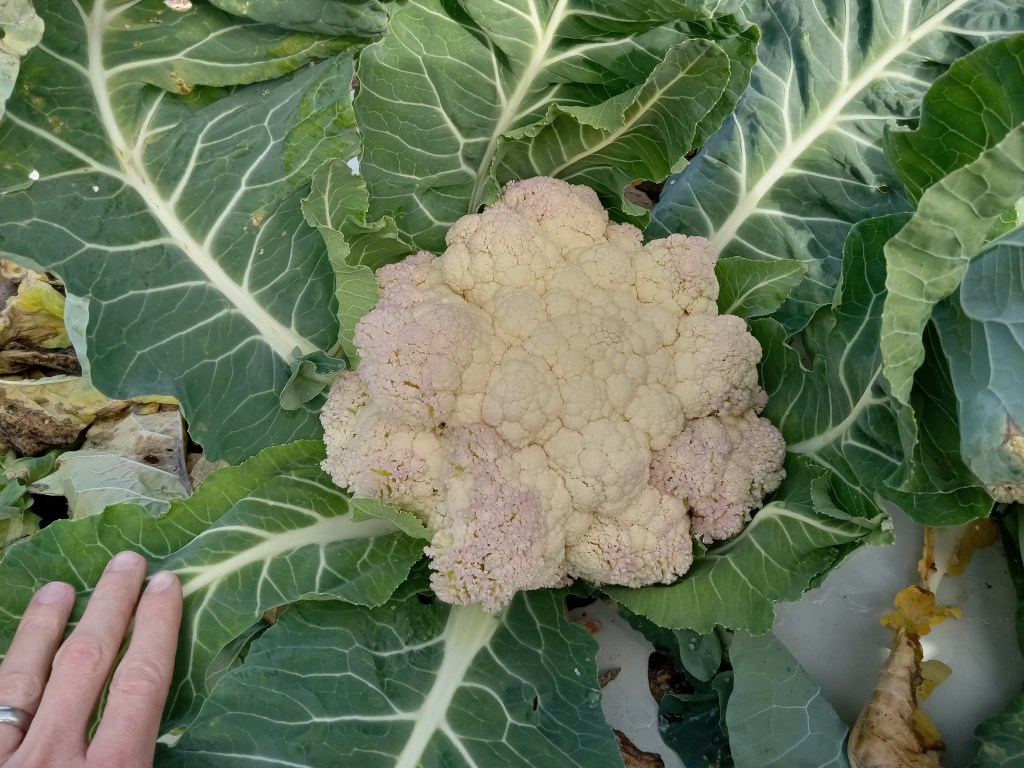
This week, the question was: What has caused parts of this cauliflower head to purple? This cauliflower has some purpling/reddening caused by exposure to sunlight. It is important to have enough healthy leaves on the plant to cover the head as it develops. If for any reason the leaves do not cover the head (poor…
-
Question of the Week – Citrus
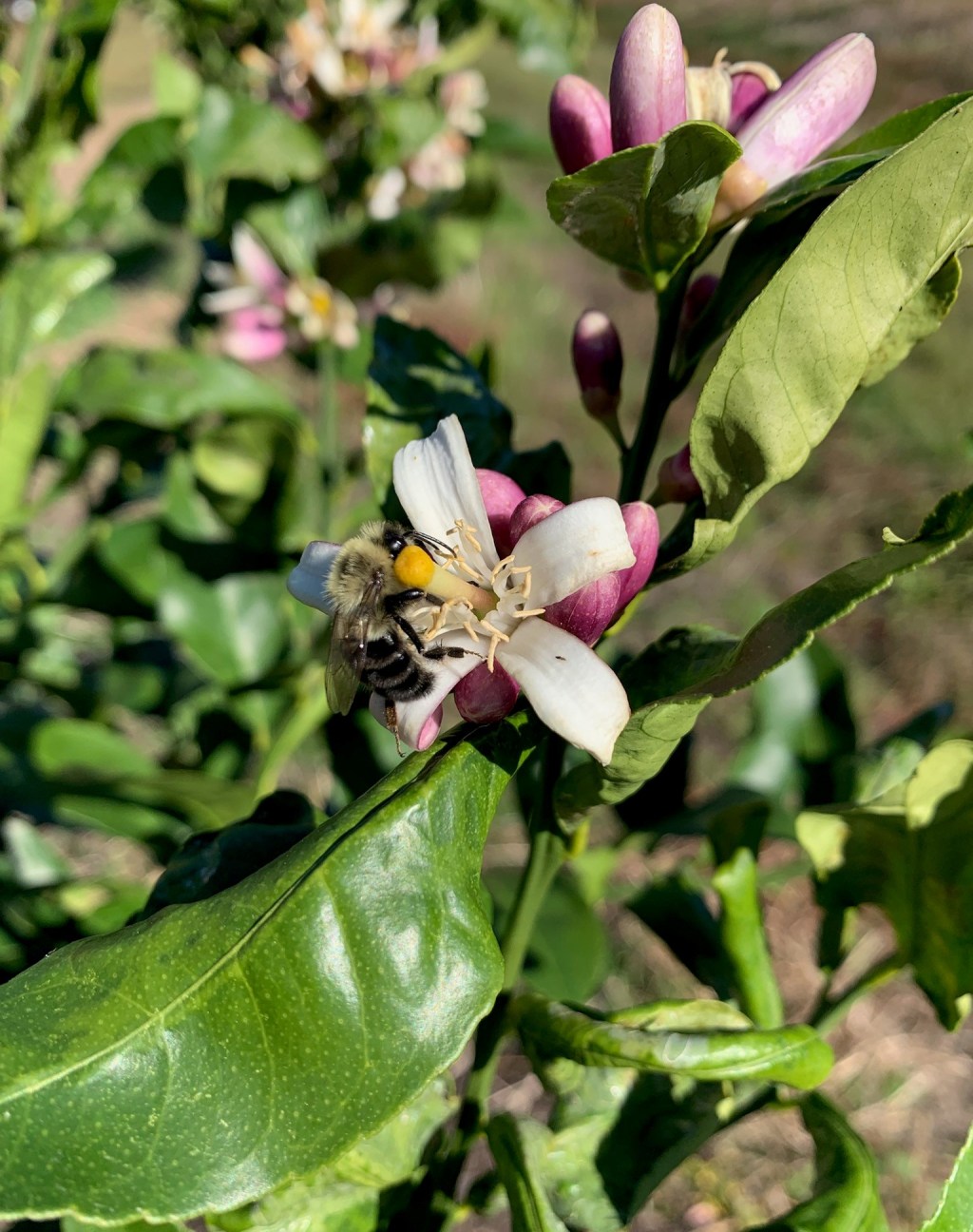
This week, the question was: What is this plant that is blooming right now (late fall) and providing forage for bees? This is a Meyer lemon tree. This tree is part of an ongoing trial at the Coastal REC to evaluate the cold tolerance of several citrus varieties. In a tropical environment, this variety of…
-
Question of the Week – Cudweed

This week, the question was: What is this cool season weed? This is a species of cudweed (Gnaphalium sp.). Cudweed grows in a rosette form through most of the winter until the weather warms up, allowing it to produce inflorescence. Inflorescence may appear in the fall as well. The undersides of the leaves are light-colored,…
-
Question of the Week – Predatory Stink Bug

This week, the question was: What is going on here? This is a Florida predatory stink bug (Euthyrhynchus floridanus) feeding on a species of plant-feeding stink bug. The photo shows the predator’s piercing/sucking mouthparts inserted into its prey. Predatory stink bugs have much more robust mouthparts than their plant-feeding counterparts because they must be strong…
-
Question of the Week – Glyphosate Injury
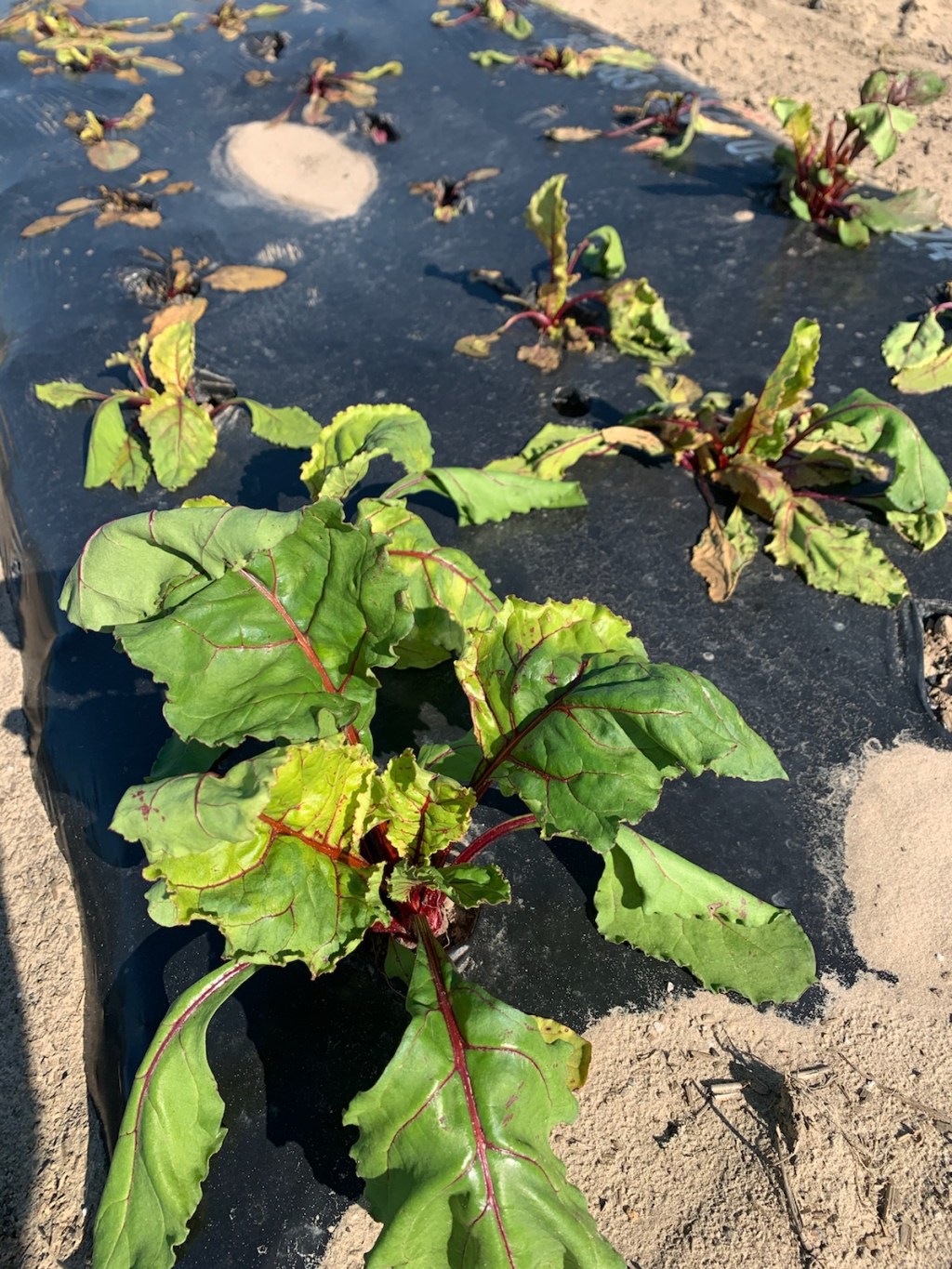
This week, the question was: What happened to these beets? Only the last 6′ of 6 beds are affected. These beets were injured by glyphosate overspray. The applicator was spraying the row middles and forgot to turn off the sprayer while turning around at the end of the row. The most heavily sprayed plants have…
-
Question of the Week – Imperial Moth

This week, the question was: What will this giant caterpillar become when it grows up? This is the caterpillar of the imperial moth (Eacles imperialis). This is one of our largest moths in the Southeast. The caterpillars feed on the foliage of pines, oaks, maples, sweetgum, and sassafras as they develop. When they are ready…
-
Question of the Week – Autonomous Laser Weeder
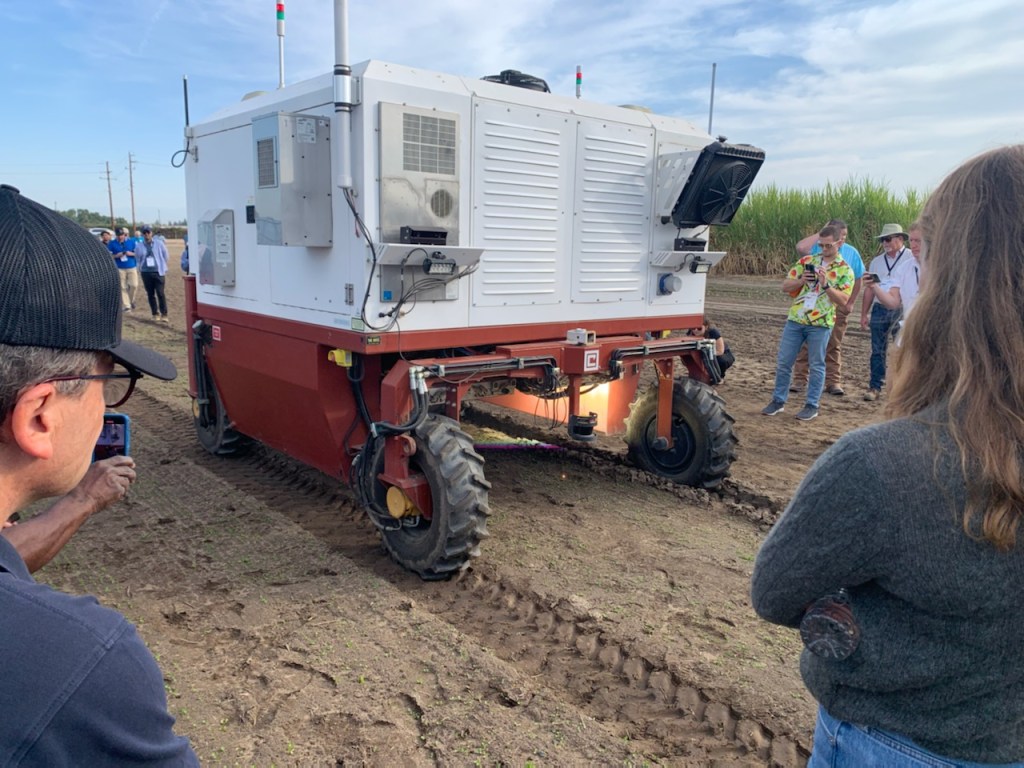
This week, the question was: What is this contraption? This is a fully autonomous robotic laser weeder. The weeder creeps through the field without a human driver, using GPS, Lidar, and multiple sensors. The machine detects weeds in the planted crop. When a weed is detected, a laser zaps the weed, leaving the crop safely behind.…
 The South Carolina Grower