Tag: caterpillar
-
Question of the Week – Banded Sphinx Moth
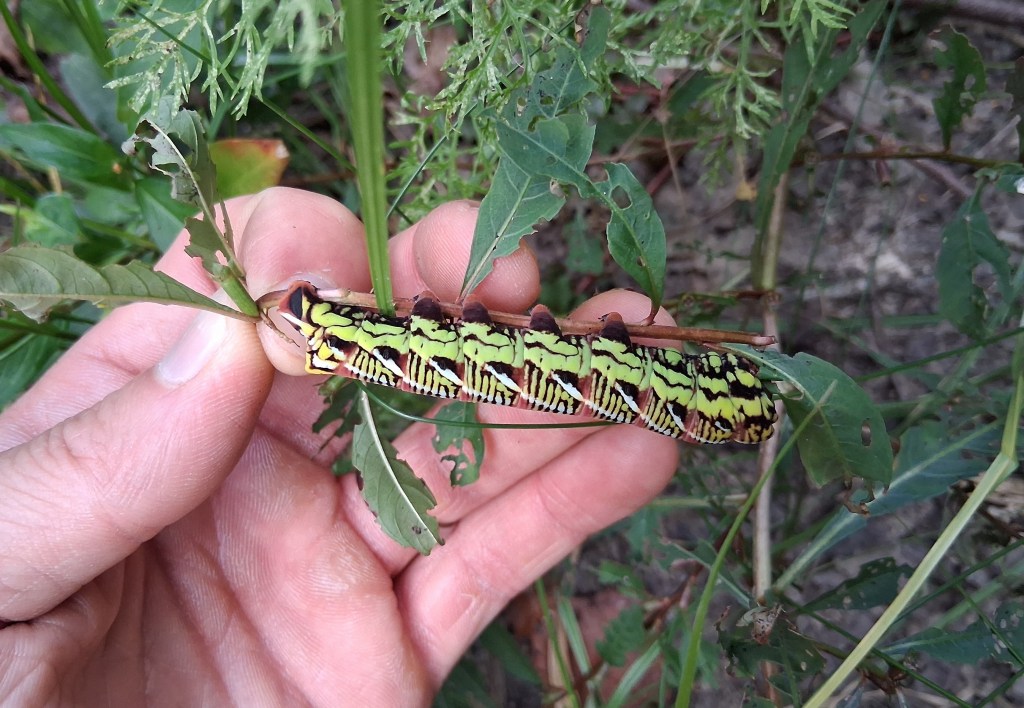
What is this large, colorful caterpillar? This is the caterpillar of the banded sphinx moth, Eumorpha fasciatus. The banded sphinx moth is a close relative (in the same family, Sphingidae) as the tomato and tobacco hornworms and catalpa worms. The earlier larval stages have a prominent horn, like other hornworms, but the horn is greatly…
-
Question of the Week – Walnut Caterpillar
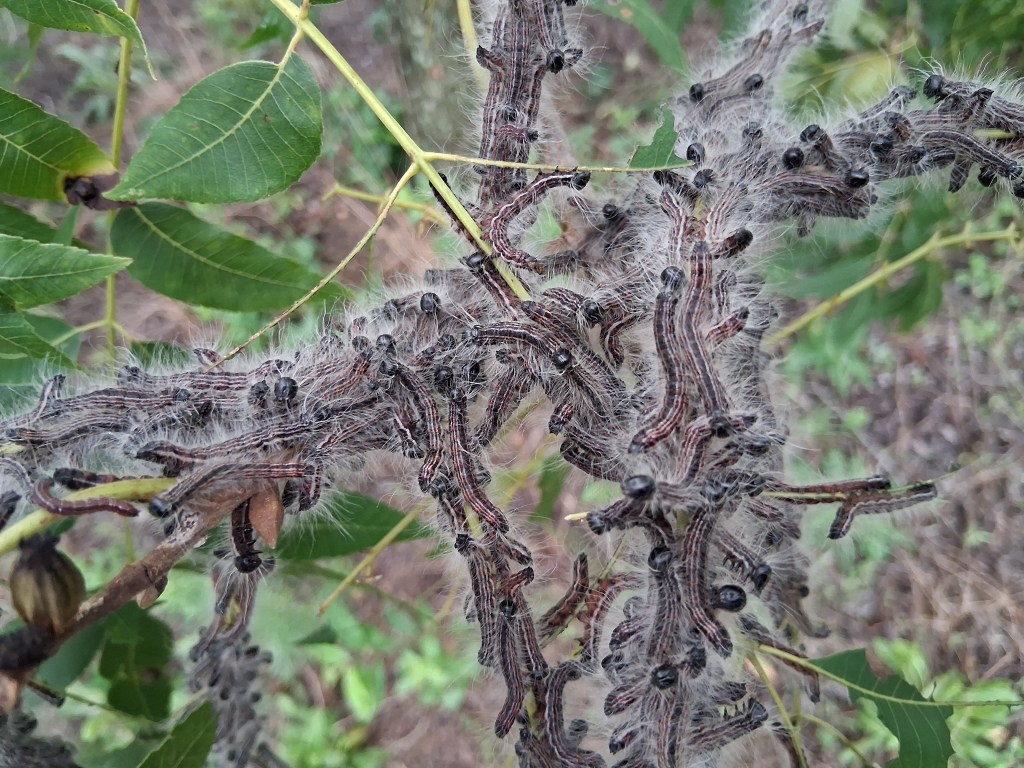
What kind of caterpillar is this that was found munching on the leaves of a pecan tree? These are walnut caterpillars (Datana ministra). Walnut caterpillars are native to the US and are common in the Southeast. Eggs are laid in masses and the larvae remain congregated throughout their juvenile stages. Though they bare a slight…
-
Question of the Week – Pickleworm
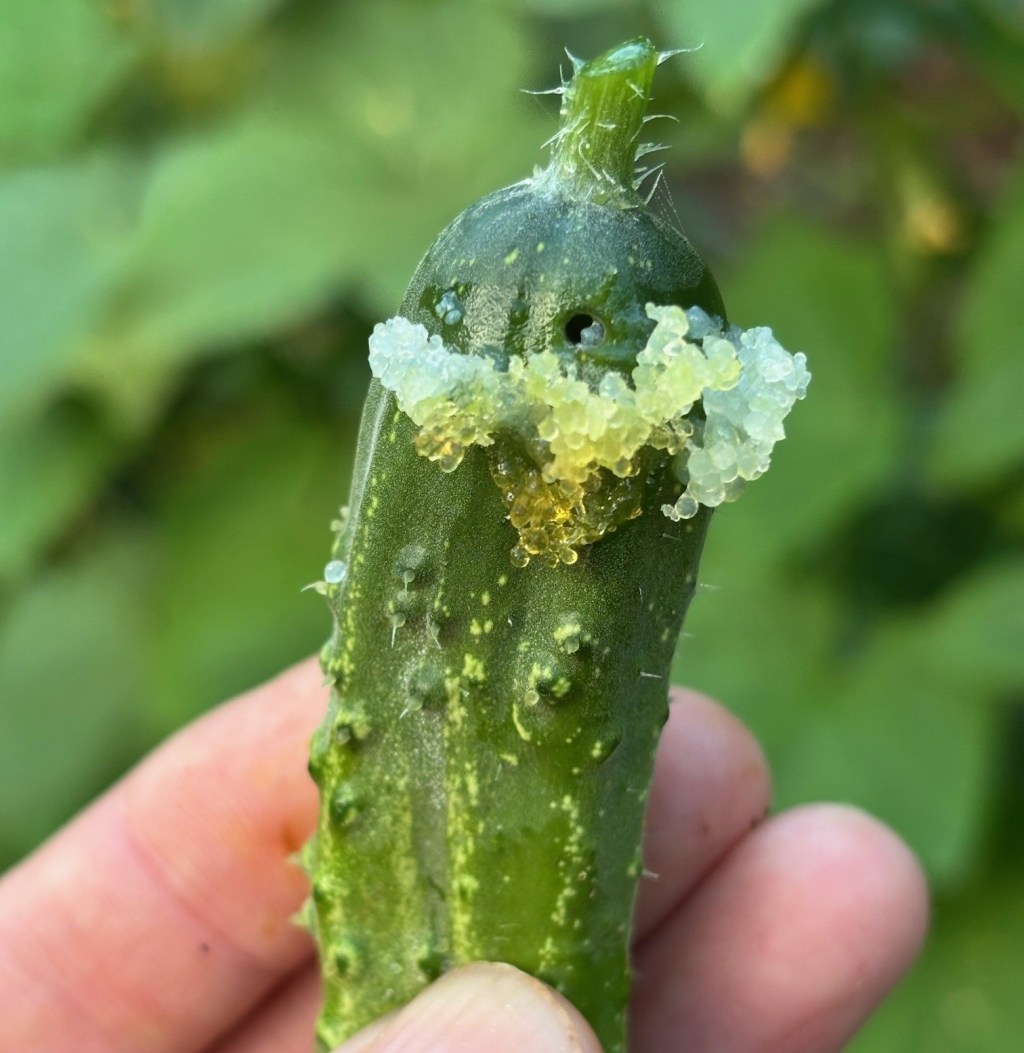
What is going on with this cucumber? The hole and gelatinous material are clear evidence that the cucumber was recently attacked by a pickleworm. Pickleworms are caterpillars and the larva of pickleworm moths (Diaphania nitidalis). They feed on the flower buds and fruits of cucurbit crops including cucumbers, squash, zucchini, and melons. The young caterpillars…
-
Question of the Week – Southern Purple Mint Moth
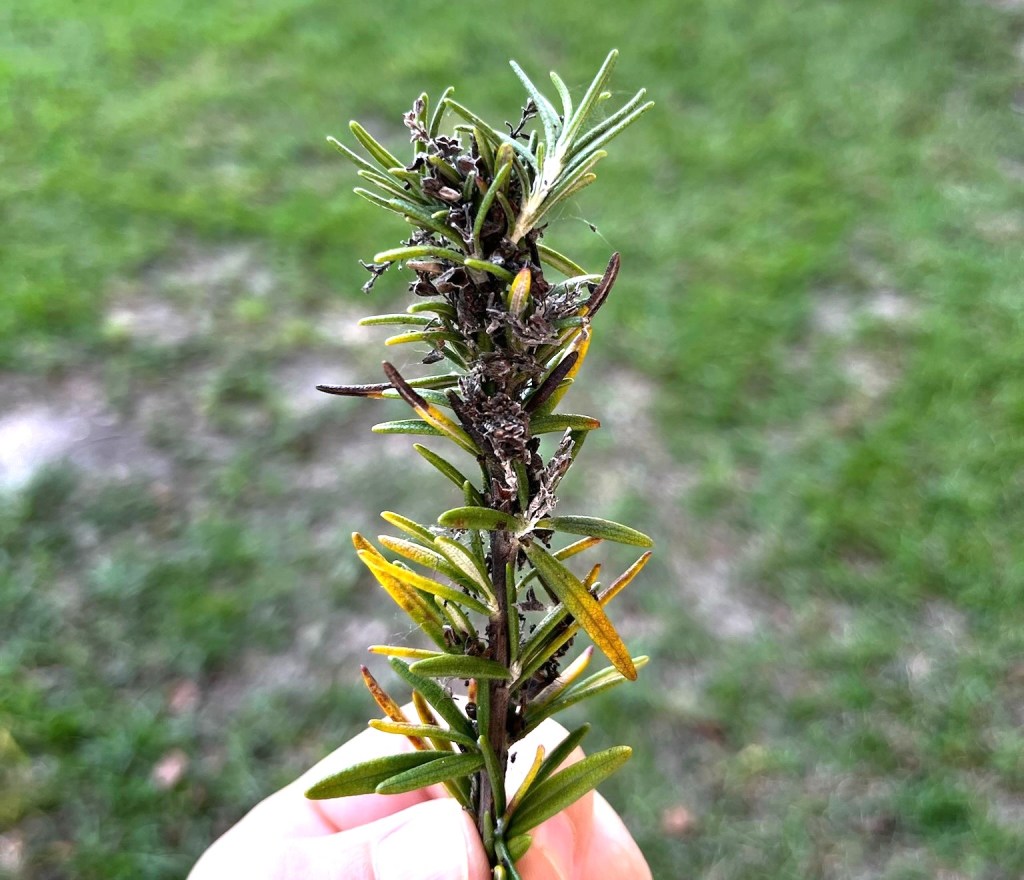
Where did all the webbing and frass on this rosemary come from? This is from the Southern purple mint moth caterpillar (Pyrausta laticlavia). This caterpillar has been seen on rosemary throughout the Charleston area for over 10 years. Commonly called “rosemary webworm,” this pest can affect the foliage on over half the plant and likely…
-
Question of the Week – Puss Caterpillar
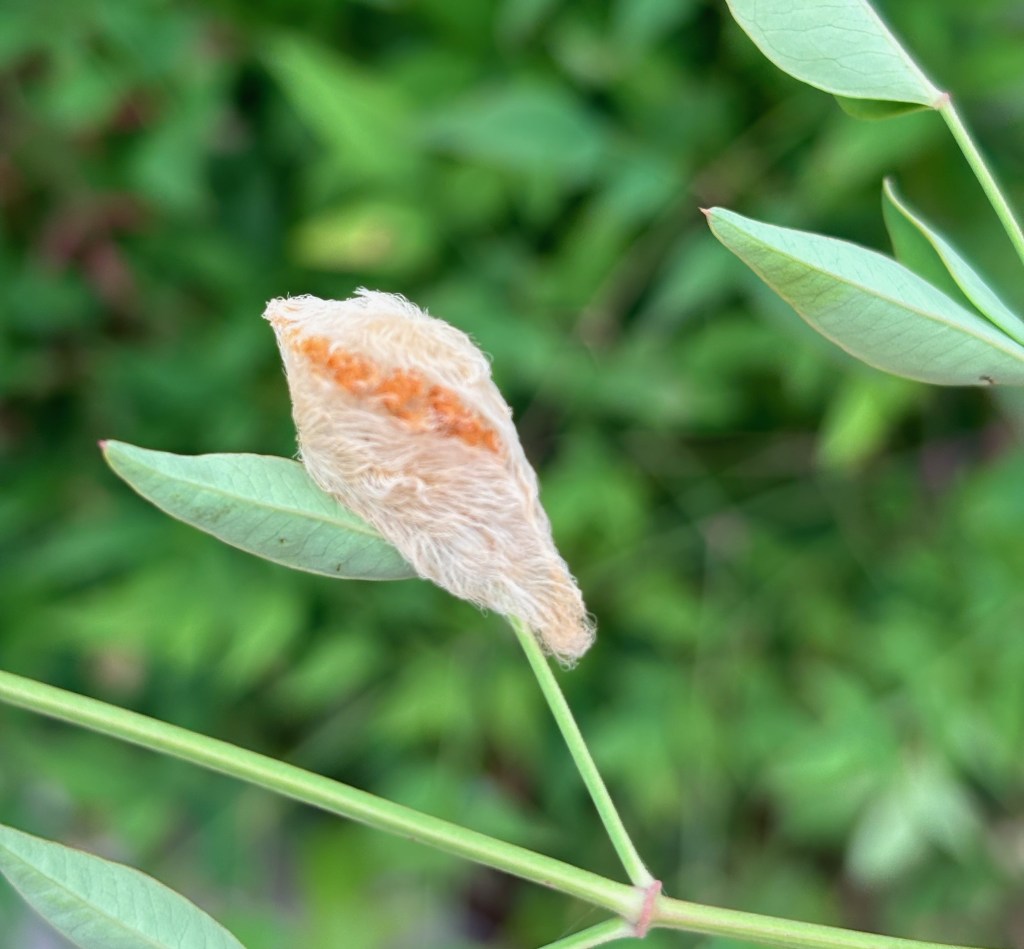
What is this hairy-looking thing? This is a puss caterpillar (Megalopyge opercularis). While they may look huggable, puss caterpillars are one of the most venomous caterpillars native to the United States. Hidden amongst the hairs that cover the insect’s body are rows of venomous spines. Each spine is hollow with a venom gland at its…
-
Question of the Week – Milkweed Tussock Moth
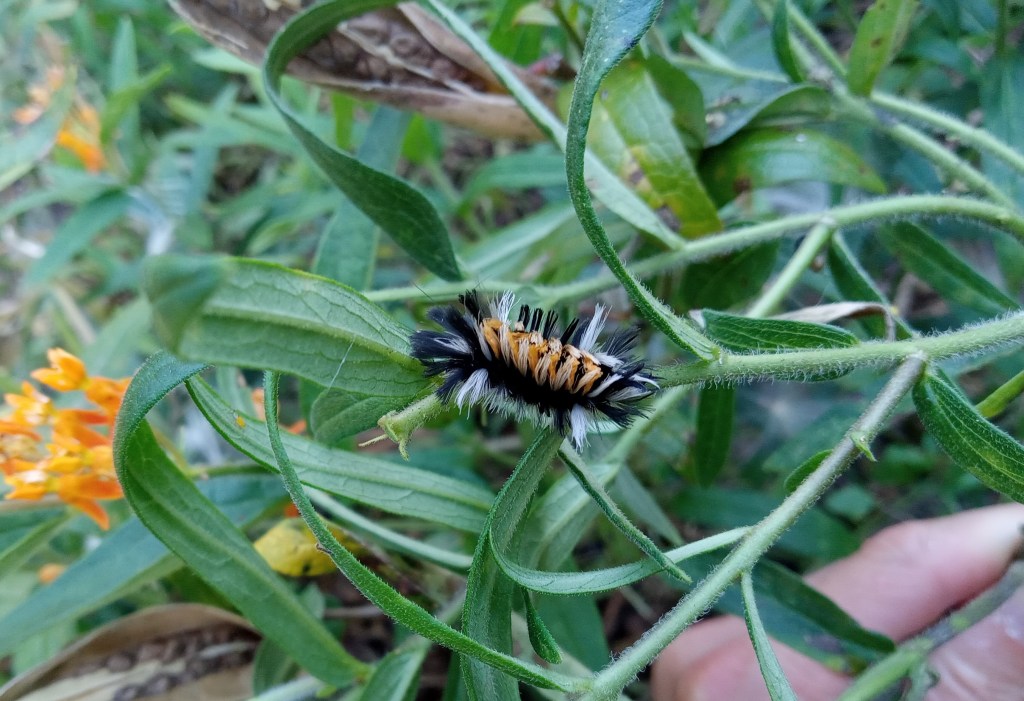
What is this crazy-looking thing found on butterfly milkweed? This hairy thing is the caterpillar of the native milkweed tussock moth (Euchaetes egle), also called the milkweed tiger moth. Like the monarch butterfly, the milkweed tussock moth lays it’s eggs on milkweed for its larvae to feed and develop on. The hairs on this caterpillar…
-
Question of the Week – Morning Glory Prominent
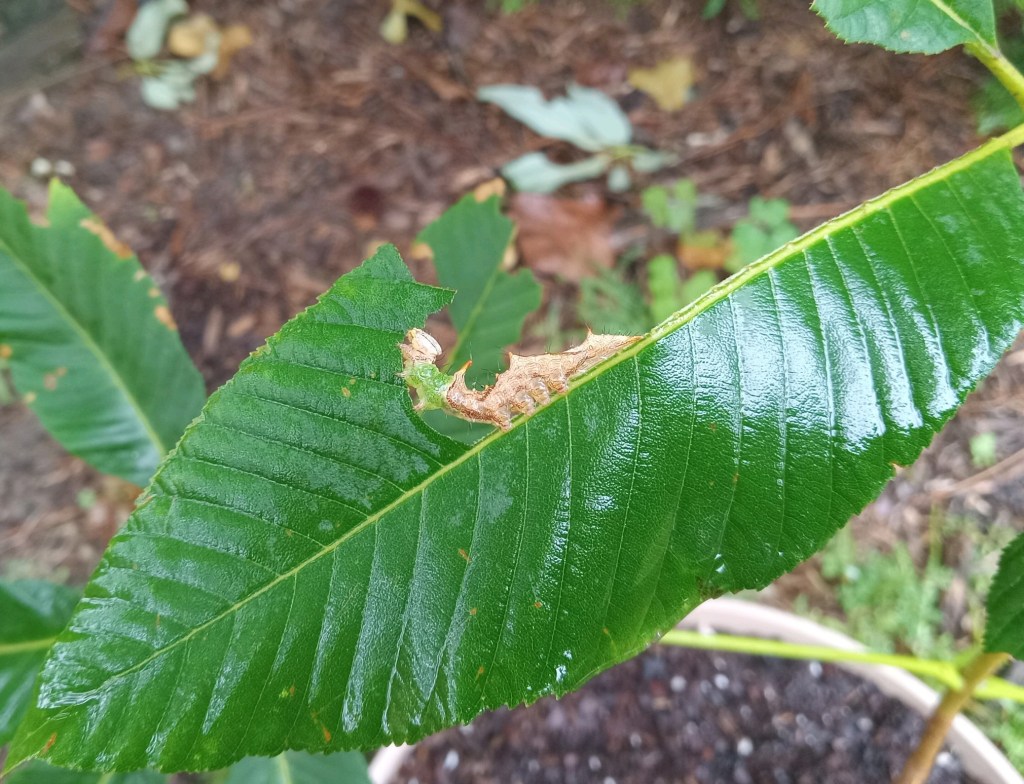
What kind of caterpillar is feeding on this buckeye leaf? This is the caterpillar of the morning glory prominent moth (Schizura ipomaeae). While the adult moth is rather nondescript, the caterpillar is very interesting. It is quite well camouflaged, and from a distance, it could be mistaken for necrotic tissue along the margin of a…
-
Question of the Week – Black Swallowtail
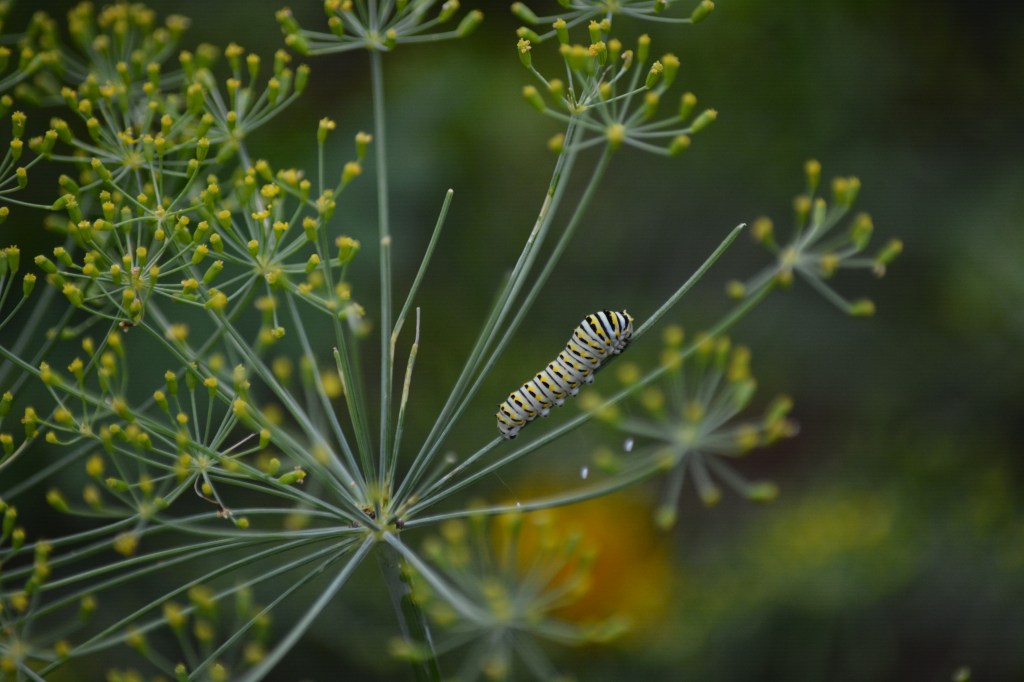
What is munching on this dill? This caterpillar is the larval form of the Eastern black swallowtail (Papilio polyxenes asterius). This is a beautiful species of butterfly that is common in the Southeast. Host plants for black swallowtails include members of the carrot family (Apiaceae), such as dill, parsley, celery, and fennel, as well as…
-
Question of the Week – Armyworm Egg Mass

This week, the question was: What is this on this tomato leaf? This is an armyworm egg mass, possibly from the beet armyworm (Spodoptera exigua). The beet armyworm is a pest of vegetables across the Southern US. In warm weather, these eggs will hatch in only 2-3 days. Young caterpillars are slow to disperse and…
-
Question of the Week – Corn Earworm
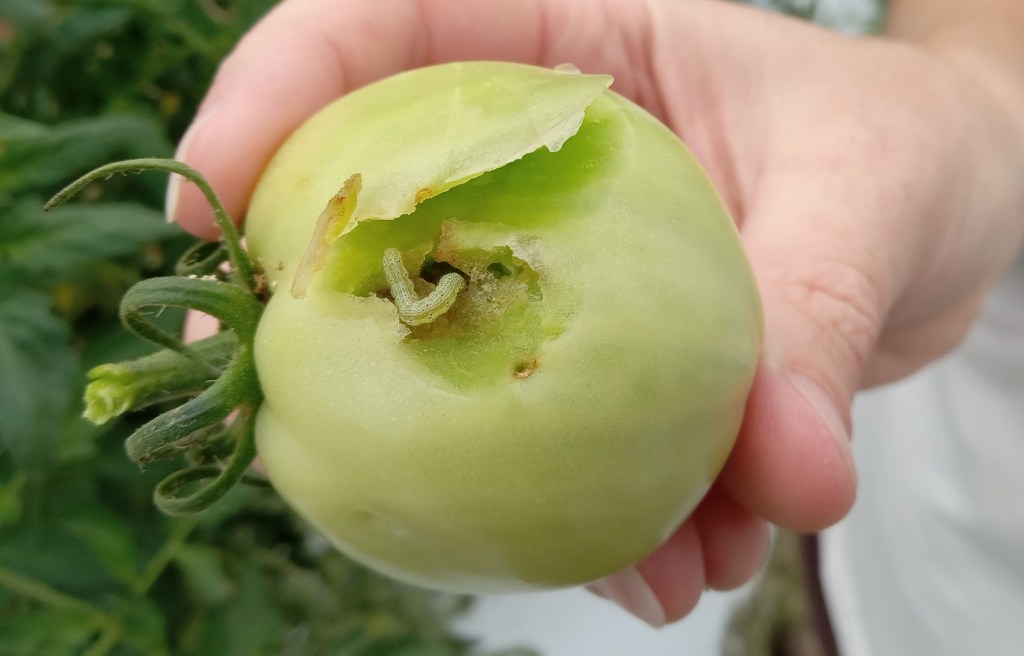
This week, the question was: What caterpillar is this that was found boring into a tomato? This is a corn earworm (Helicoverpa zea). This common caterpillar pest is known by other names, including tomato fruitworm, cotton bollworm, and soybean podworm. Corn earworms are considered to be one of the most economically important insect pests in…
 The South Carolina Grower