Tag: Question of the Week
-
Question of the Week – Hover Fly Larva
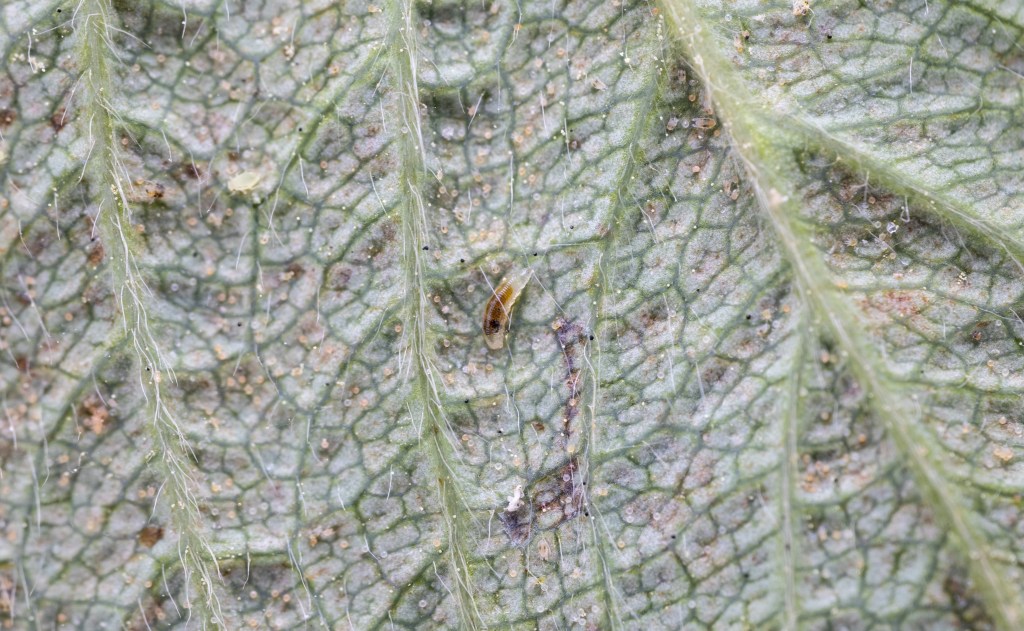
What is this maggot-looking insect on the bottom of this strawberry leaf? This is a hover fly larva. Hover flies (Syrphidae), also called syrphid flies, are common bee-mimicking flies that are often seen hovering around flowers and landing on your sweaty skin on a hot day (they’re attracted to the salt in your sweat). Not…
-
Question of the Week – Ambrosia Beetle
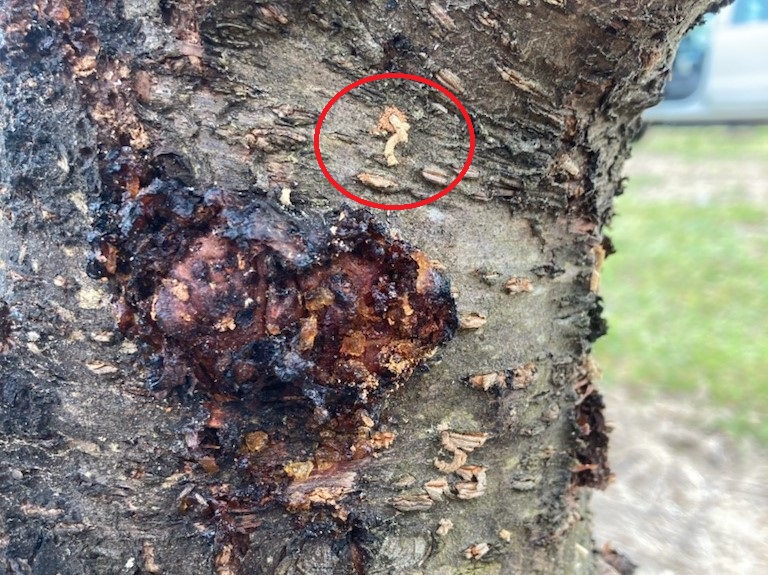
What caused this small, toothpick-like mass of sawdust to protrude from from the trunk of this stressed peach tree? The small toothpick-like mass of sawdust protruding from the tree is often called a “frass toothpick” or “frass noodle”. The structure was created by an adult Ambrosia beetle (Xylosandrus spp.) female tunneling into the tree. …
-
Question of the Week – Parasitized Aphid
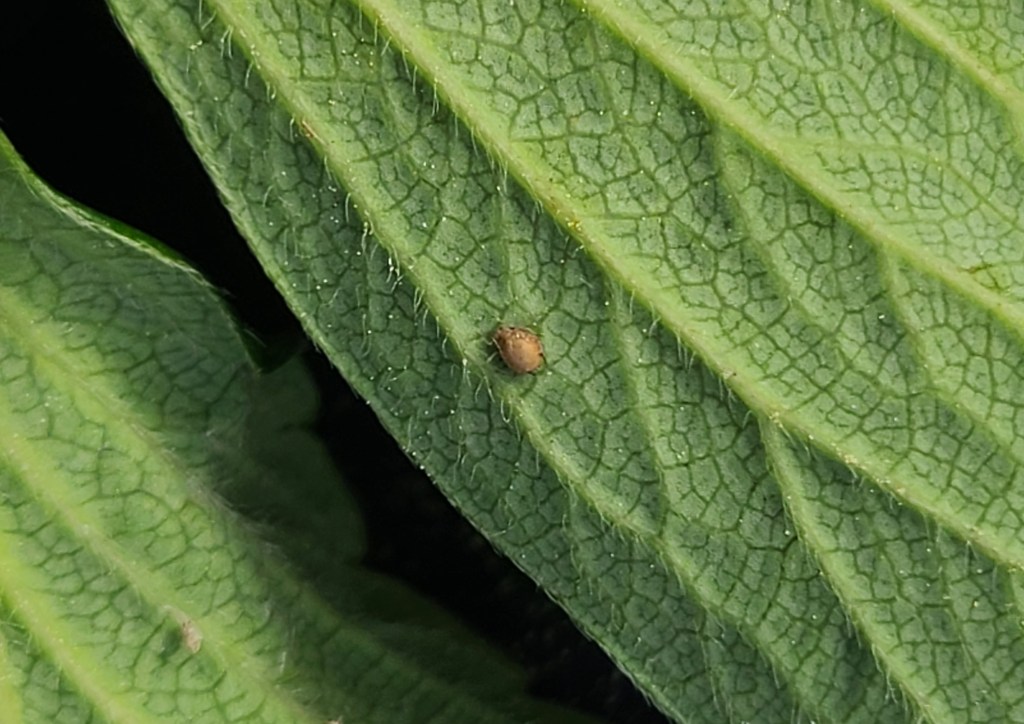
What is the bloated tan thing found on the underside of this strawberry leaf? This is an aphid “mummy,” the lifeless body of an aphid that has been parasitized by a parasitoid wasp. Typically, the adult wasps are tiny, at only 0.08-0.12 inches long. The female wasp lays its eggs inside of the aphid. The…
-
Question of the Week – Giant Leopard Moth
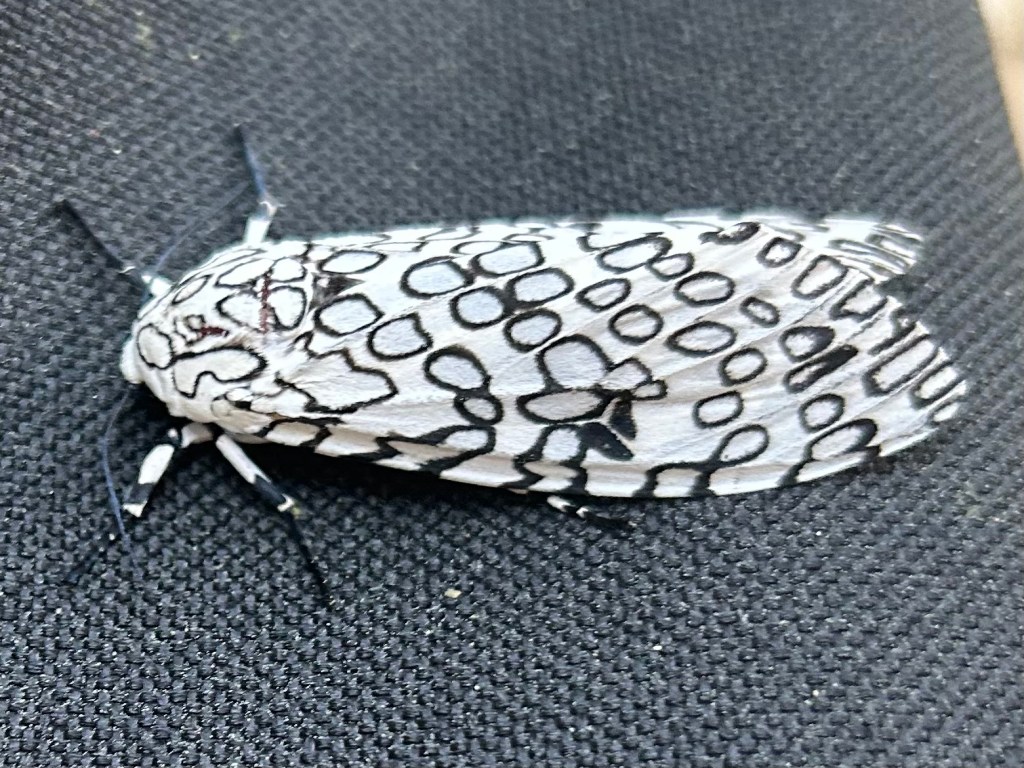
What is this critter that was found resting on a grill cover near the coast? This Giant Leopard Moth (Hypercompe scribonia) was found on my grill cover as I went to cook some dinner one-night last week. This is by far my favorite moth due to its striking appearance. These moths are common across South Carolina and…
-
Question of the Week – Shothole borer
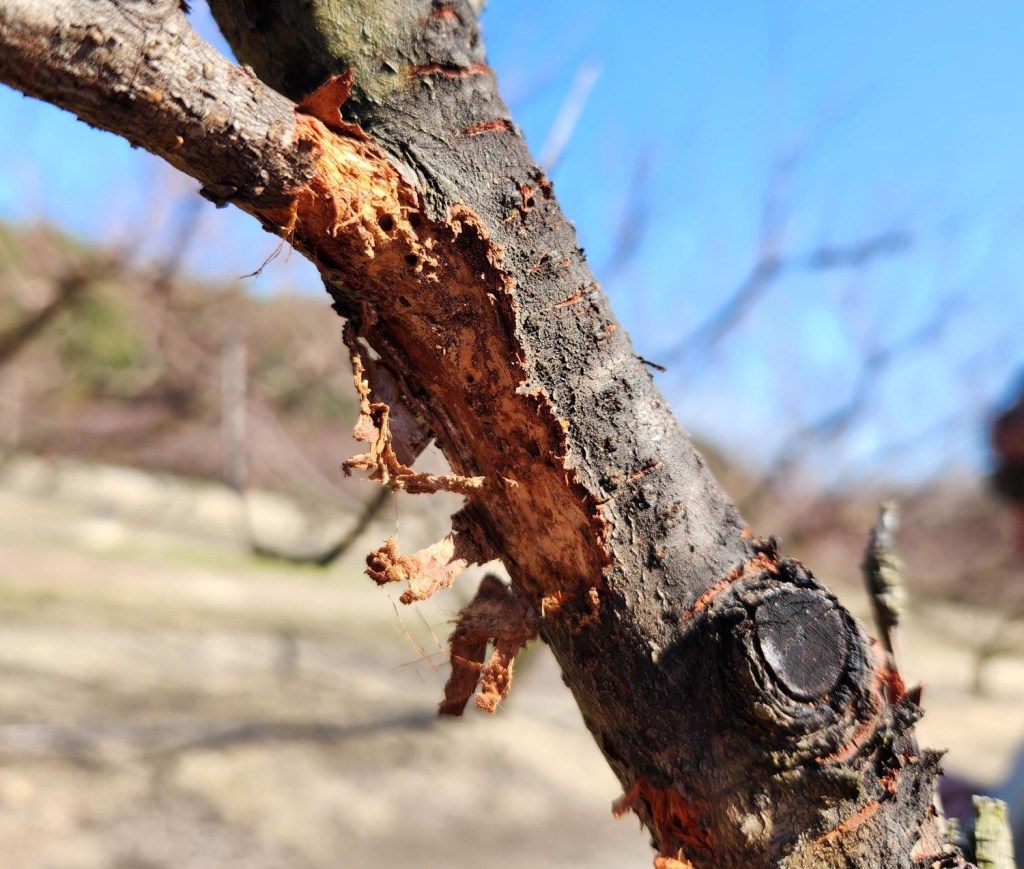
What caused the damage found on a dead branch of this peach tree? This damage was caused by a shothole borer. Shothole borers typically find a way into the wood through damage initially caused by sunburn or bark injury. Adult females bore into the bark and lay their eggs in the cambium layer of the…
-
Question of the Week – War of 1812 Artifact

What is this that was found while subsoiling a field on John’s Island in Charleston recently? Sidi Limehouse was bottom plowing a field at the end of Johns Island a few weeks ago when he hit something, made another pass, and hit it again. They had been farming the field for years; another local farmer…
-
Question of the Week – Thrips
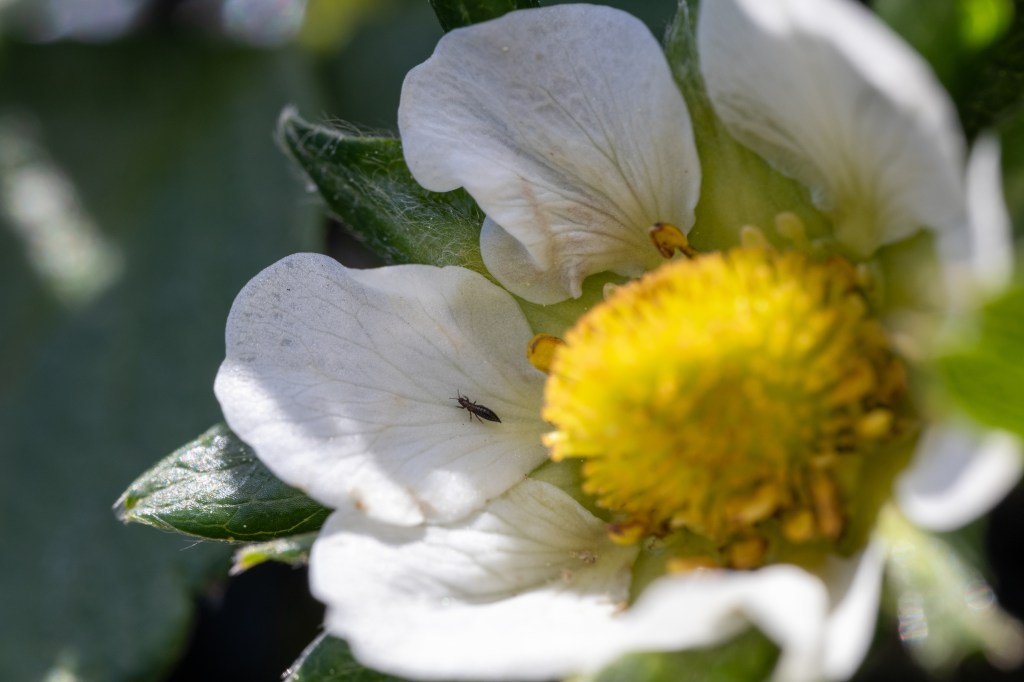
What is the tiny critter on the petal of this strawberry bloom? In this picture is a tobacco thrips (reduced wing form) crawling out a strawberry flower at Clemson’s Coastal REC in Charleston. There are several species of thrips that we find in strawberry flowers in SC, but for most farms and fields the presence…
-
Question of the Week – Henbit

What is this cool-season weed that is turning fallow fields purple right now? This is henbit (Lamium amplexicaule). This annual cool-season weed germinates in the fall and grows throughout the winter. It begins blooming in the late-winter, with some blooms visible earlier during warm spells. This time of year, fallow fields often have enough henbit…
-
Question of the Week – Carolina Jessamine
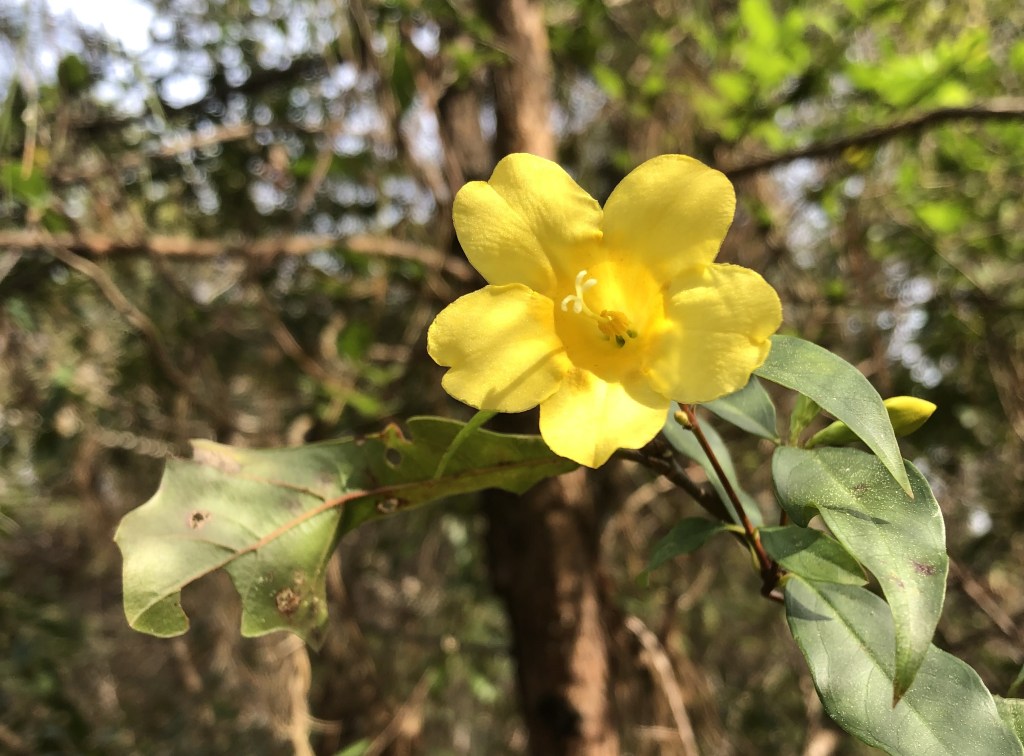
What is this wildflower that is starting to appear on field edges and wood lines? This is Carolina jessamine (Gelsemium sempervirens). This native, evergreen vine is just starting to bloom. In a few more weeks, as it reaches full bloom, it can be seen growing on trees and fences on the side of seemingly every…
-
Question of the Week – Fava Beans
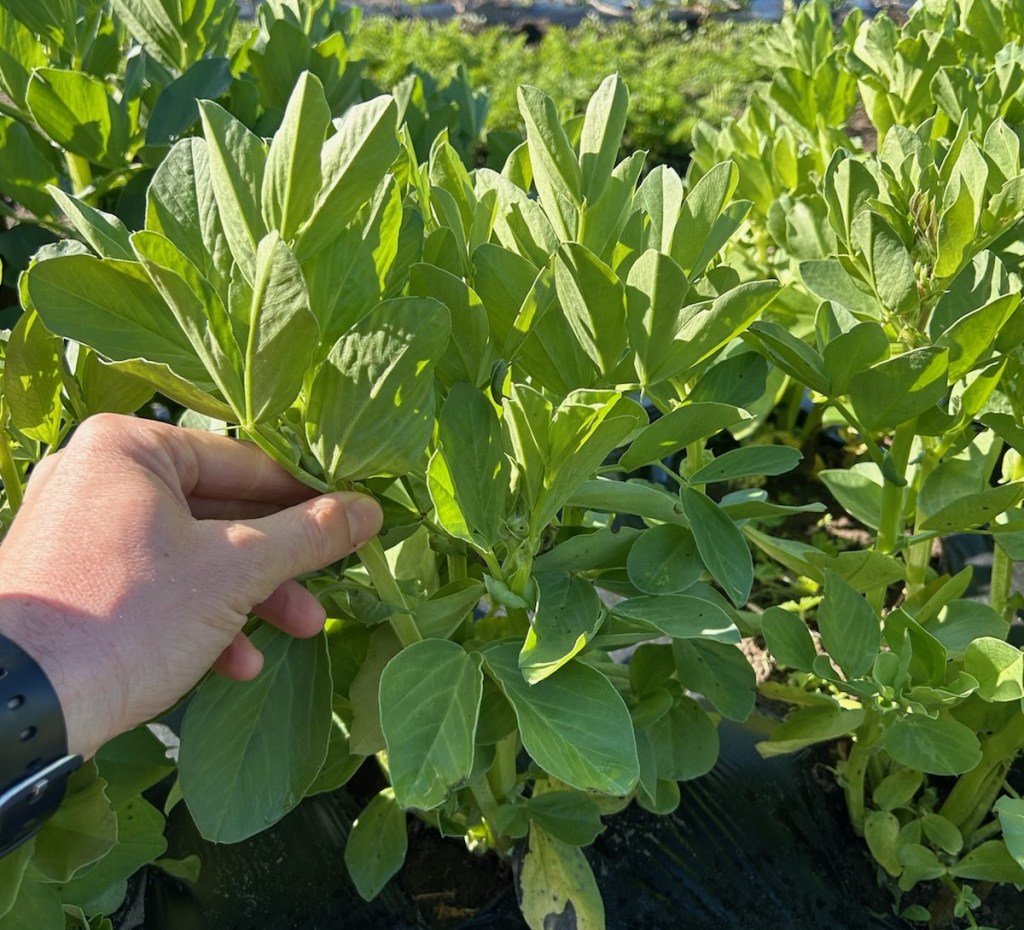
What is this crop that is growing on John’s Island in Charleston? Fava beans or broad beans are grown in small acreages in South Carolina. They are grown in the cooler times of the year and have a similar growing cycle to a sweet or English pea. They are a legume, so they add nitrogen…
 The South Carolina Grower