Tag: Question of the Week
-
Question of the Week – Yellowmargined Leaf Beetle
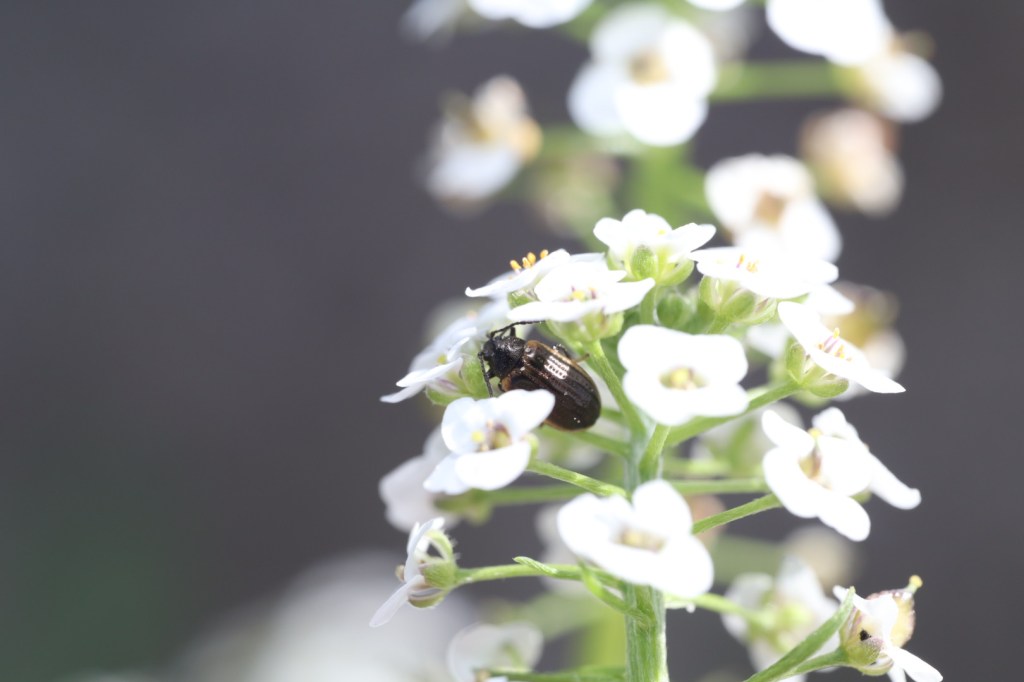
What is this critter hanging out on sweet alyssum? This is an adult yellowmargined leaf beetle (YMLB), which is well-known (notorious?) to many of our smaller and low-input brassica farmers, as it is very difficult to manage without conventional insecticides. It is a specialist herbivore of plants in the Brassicacea family and is a key…
-
Question of the Week – Scurf
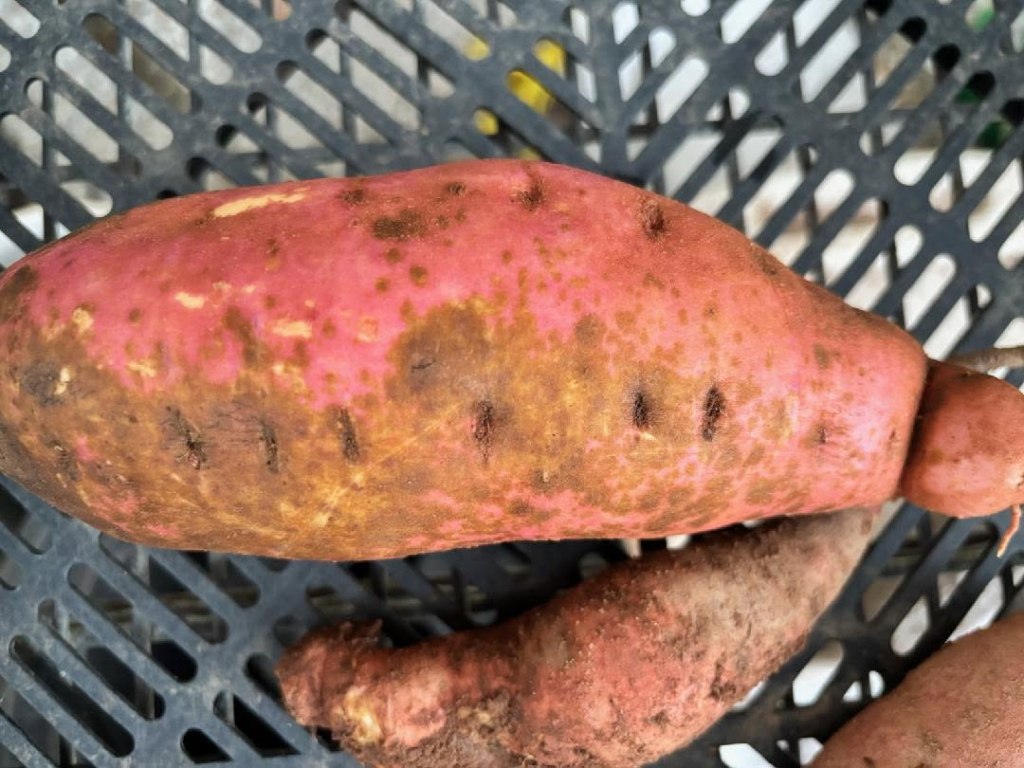
What is going on with the skin of this sweetpotato? This sweetpotato has a superficial disease known as scurf (Monilochaetes infuscans). Scurf develops on the skin of the sweetpotato and is not visible on the flesh after peeling the skin. Though infected sweetpotatoes are still perfectly edible, this cosmetic defect renders them unmarketable. Scurf development…
-
Question of the Week – Kohlrabi
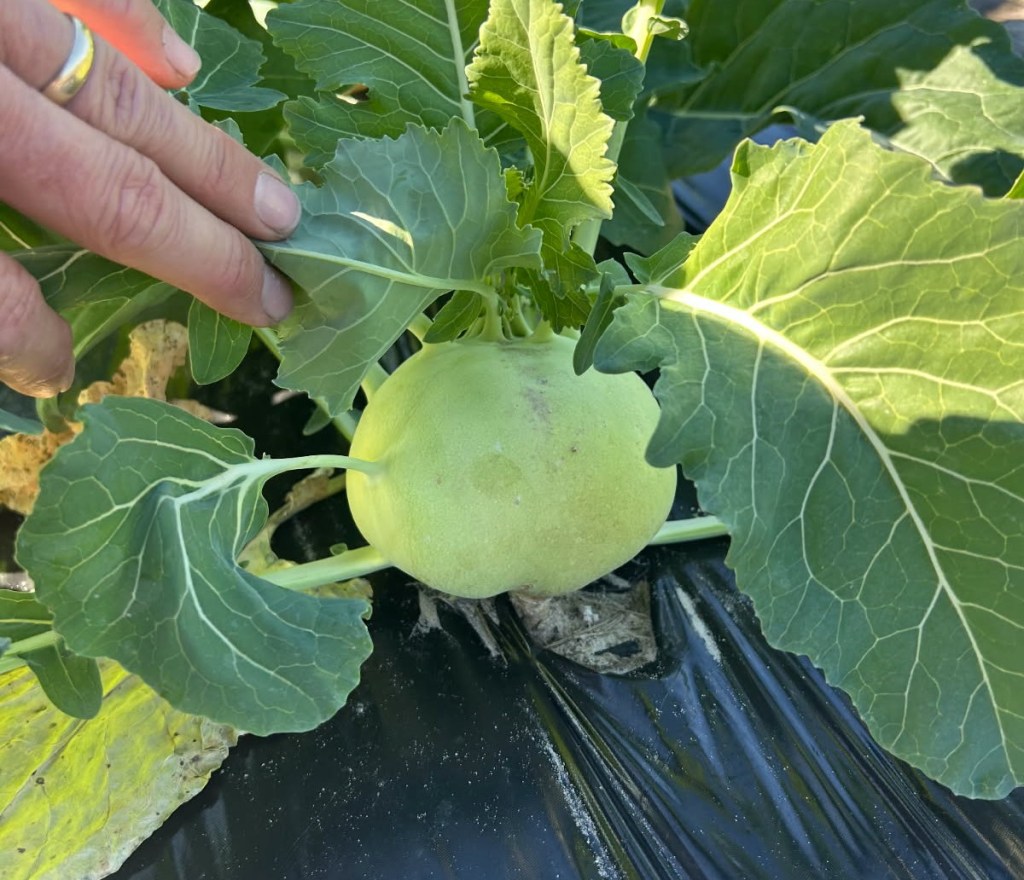
Does this collard plant have a massive tumor? This is neither a tumor nor a collard plant. This is kohlrabi. Kohlrabi is a close relative of collards and cabbage. In SC, it is best grown in the spring or fall, just as you would grow broccoli or cabbage. The enlarged bulb-like stem has a taste…
-
Question of the Week – Banded Sphinx Moth
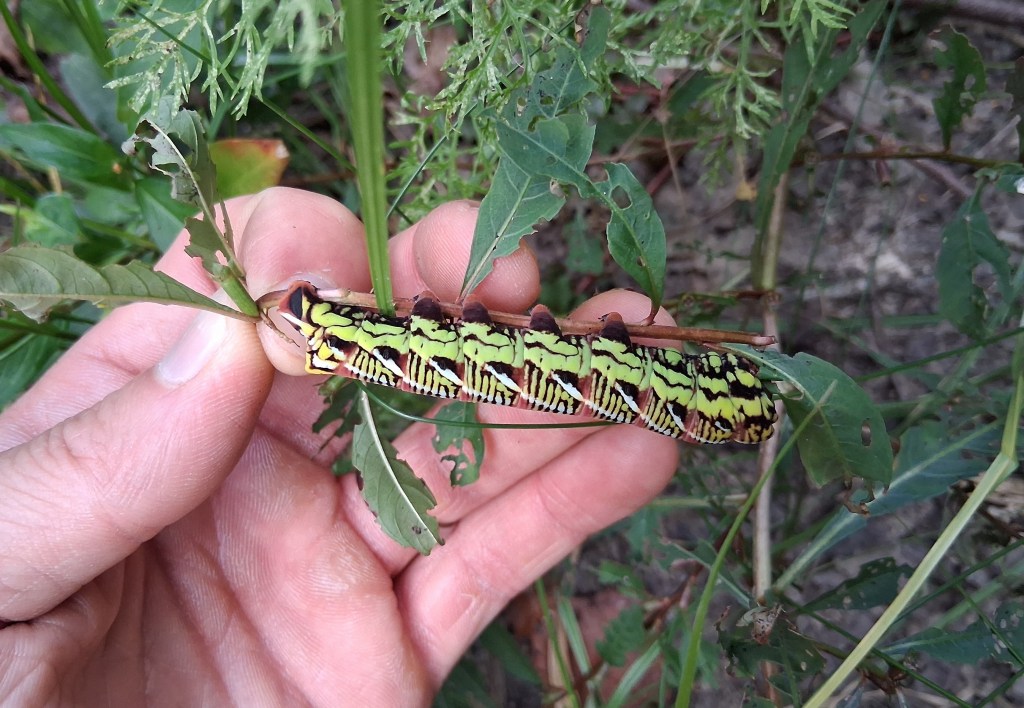
What is this large, colorful caterpillar? This is the caterpillar of the banded sphinx moth, Eumorpha fasciatus. The banded sphinx moth is a close relative (in the same family, Sphingidae) as the tomato and tobacco hornworms and catalpa worms. The earlier larval stages have a prominent horn, like other hornworms, but the horn is greatly…
-
Question of the Week – Rice
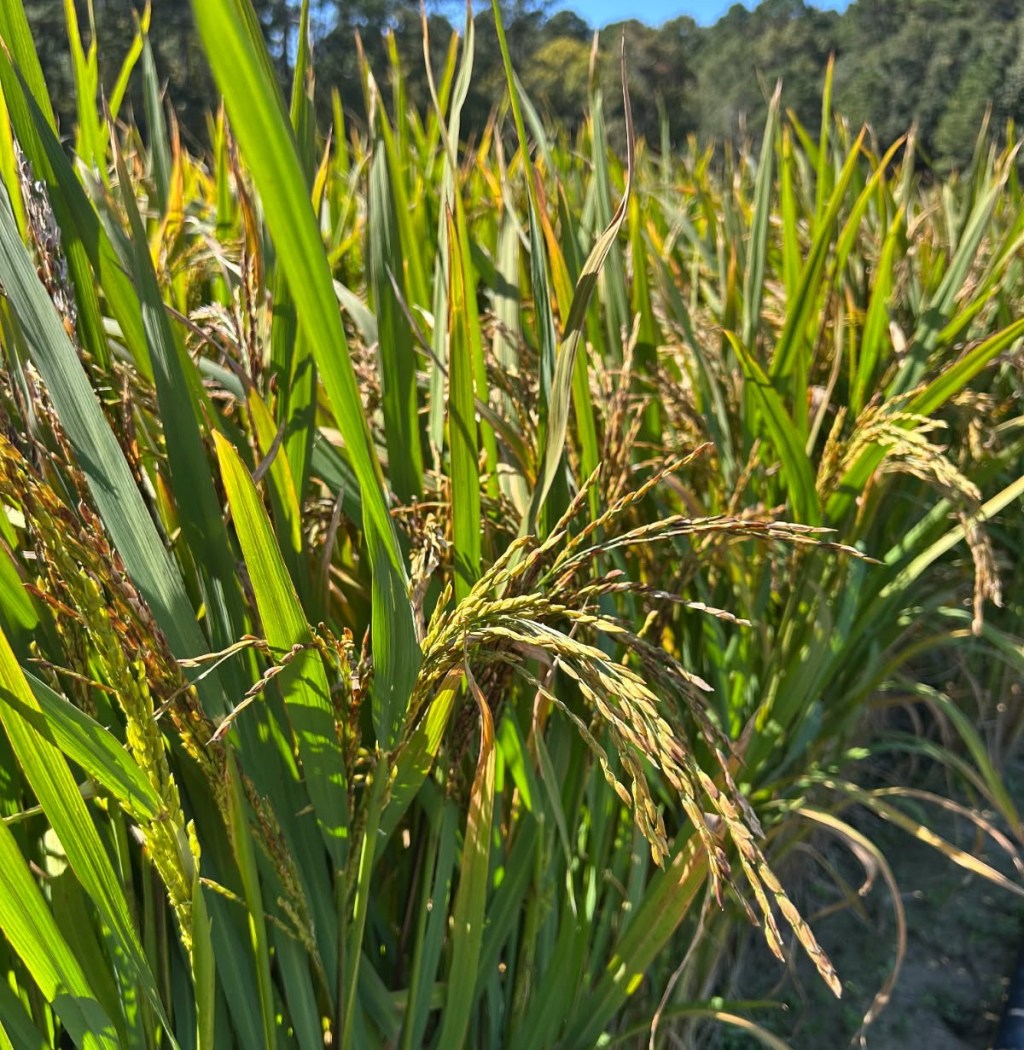
What is this crop growing in the coastal region? Rice was once a cornerstone of South Carolina’s economy, shaping the Lowcountry’s culture and landscape. In recent years, renewed interest in specialty rice varieties has sparked a revival of this historic crop. However, the availability of quality seed has declined to near-scarcity levels due to multiple,…
-
Question of the Week – Dandelion
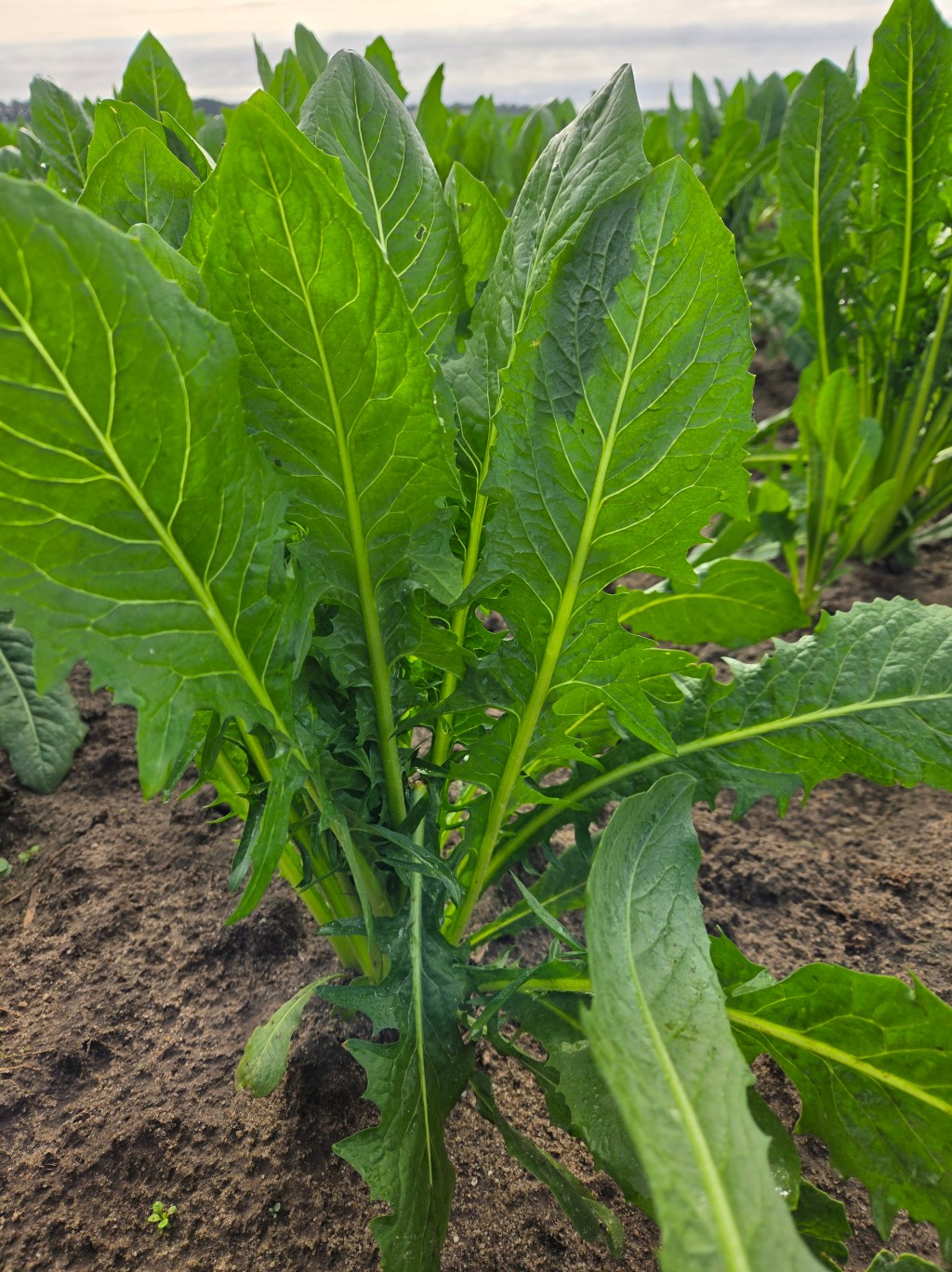
What is this uncommon crop growing in the Midlands? These are a type of dandelion. Dandelions are gown as a leafy green for bunching. Dandelions are a rich source of vitamin A, C and K as well as minerals including iron and calcium. The flavor profile of the young leaves is similar to arugula and…
-
October Grower Spotlight – McLeod Farms
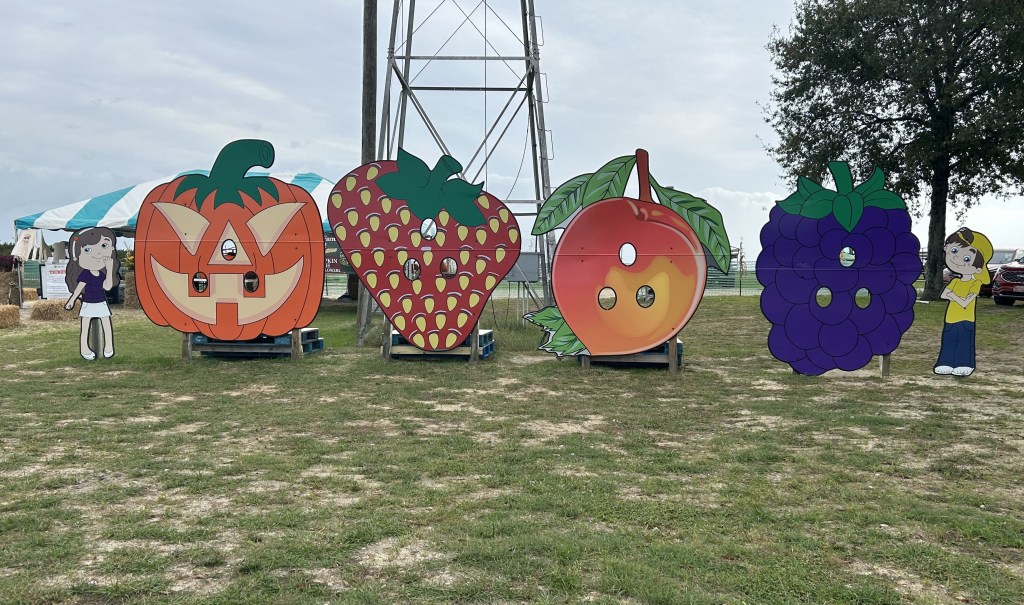
Where is Brittney visiting this week? Brittney is visiting McLeod Farms in McBee, SC. McLeod Farms has been family-owned and operated since 1916, specializing in commercial peach production since the beginning. It is currently led by fourth-generation farmer Kemp McLeod, who learned the operation from his father Campbell. Kemp’s son, Spencer, a fifth-generation farmer, is…
-
Question of the Week – Beauveria
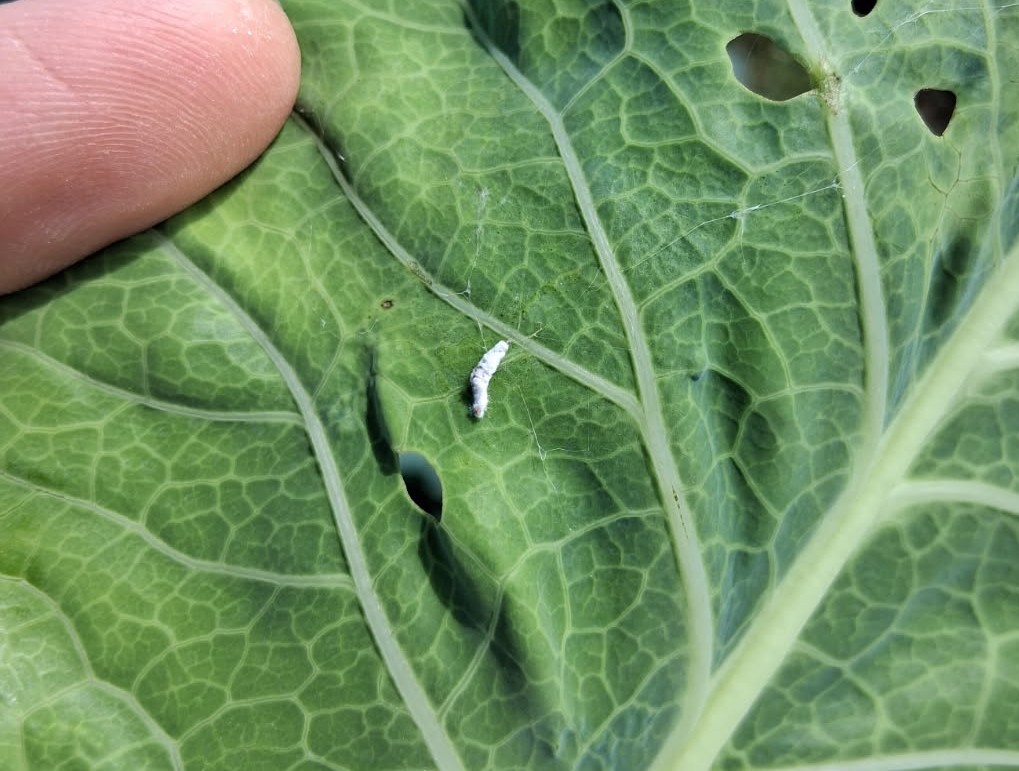
What has made this diamondback moth appear white and fuzzy? This diamondback moth is covered in a fungus called Beauveria bassiana. Beauveria is an entomopathogenic (meaning it develops on insects), soil dwelling fungi. This beneficial fungus is native to the US and affects at least 700 species of insects. Aerial spores of the fungus land…
-
Question of the Week – Basil
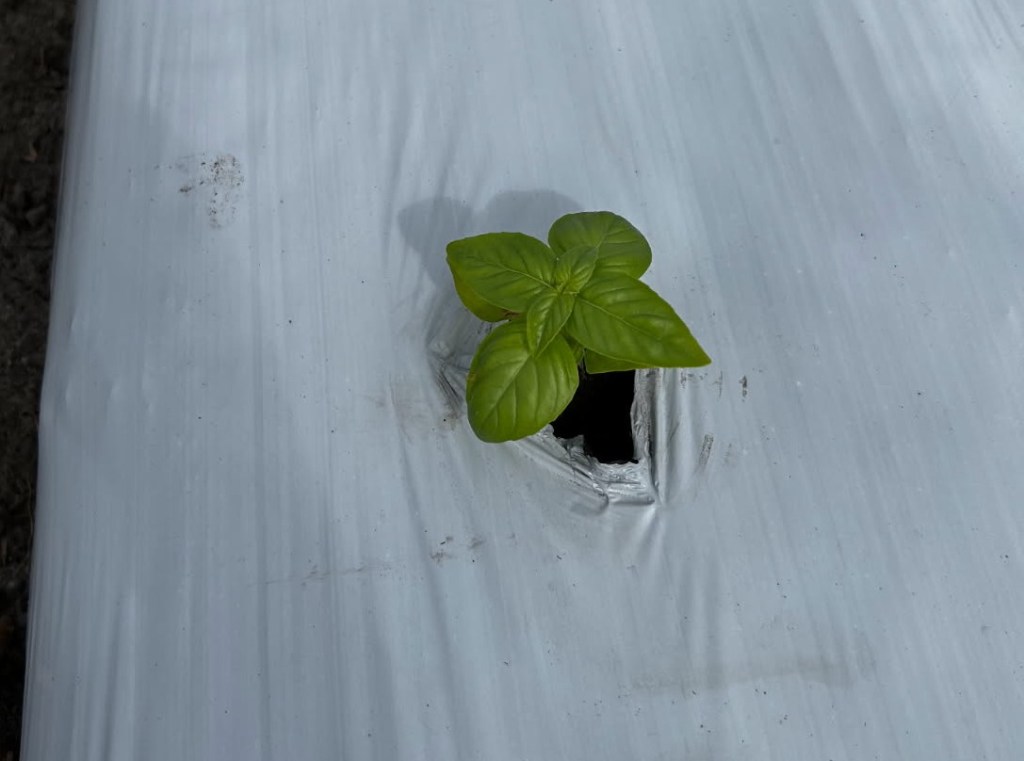
What is this crop growing in Hampton County? This is basil, a member of the mint family. Basil is native to India, where it was considered a sacred plant and used in religious rituals. The ancient Egyptians used it in embalming and for its aromatic properties. Greco-Romans believed basil symbolized love, protection and hospitality. It was…
-
Question of the Week – Walnut Caterpillar
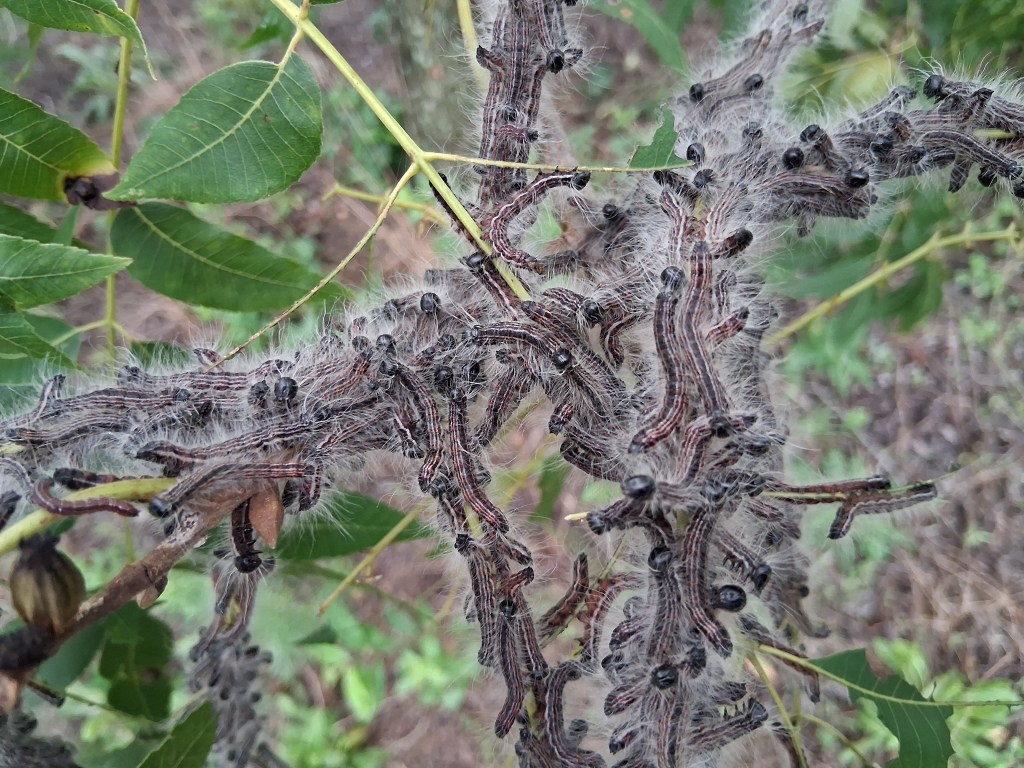
What kind of caterpillar is this that was found munching on the leaves of a pecan tree? These are walnut caterpillars (Datana ministra). Walnut caterpillars are native to the US and are common in the Southeast. Eggs are laid in masses and the larvae remain congregated throughout their juvenile stages. Though they bare a slight…
 The South Carolina Grower