As fall officially begins, we remain very dry across the state. Cucurbit crops are showing widespread virus symptoms. Fall-harvest strawberries are being planted and spring-harvest berries will start in another couple of weeks. See details below.
Keep an eye on the Upcoming Events tab periodically so you don’t miss any of our winter/spring meetings. Also, check out the latest episode of the SC Grower Exchange Podcast below.
Don’t forget to look at our Resources tab for links to crop handbooks, helpful websites, and related blogs. Be sure to scroll all the way to the bottom to see this week’s Question of the Week, and check back on Thursday for the answer.
Coastal Region
Zack Snipes
- We are very dry in the Lowcountry and could really use some rain.
- I am seeing tons of beet webworm moths right now. They are a pest to beets, Swiss chard, spinach, cockscomb, and zinnias. I know they feed on the listed species but cannot find much in the literature about them feeding on other hosts. I would not let my guard down as the populations I have seen could inflict great damage if they started feeding on other species of plants. Fortunately for us, Bt is a great product to use on them, if found on a host crop.
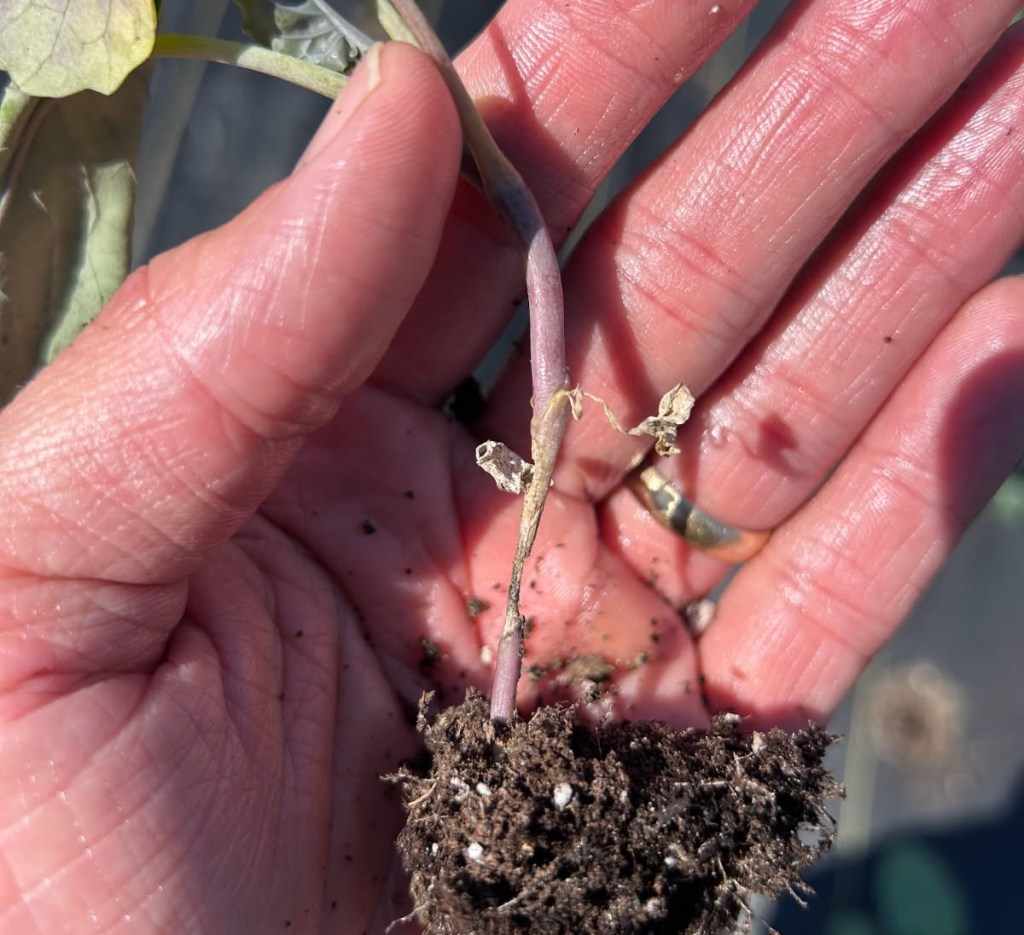
- I saw a good bit of wirestem last week in Brassicas (leafy greens). Dr. Keinath published a great paper on this subject. If you are experiencing stand loss, please look into this disease and DO NOT replant Brassicas in that same spot. Instead, rotate to a different crop family. This time of year, alliums (onion family) are a good choice.
Midlands
Rob Last
- It’s been another warm, dry week in the Midlands, while some showers appeared over the weekend, very little rainfall materialized in this area.
- Soils are very dry making bed forming operations more challenging.
- Strawberry season is fast approaching. Remember, if you are fumigating pay attention to the plant back restrictions and have a fumigation management plan.
- On the whole, fall crops are looking good with few disease issues.
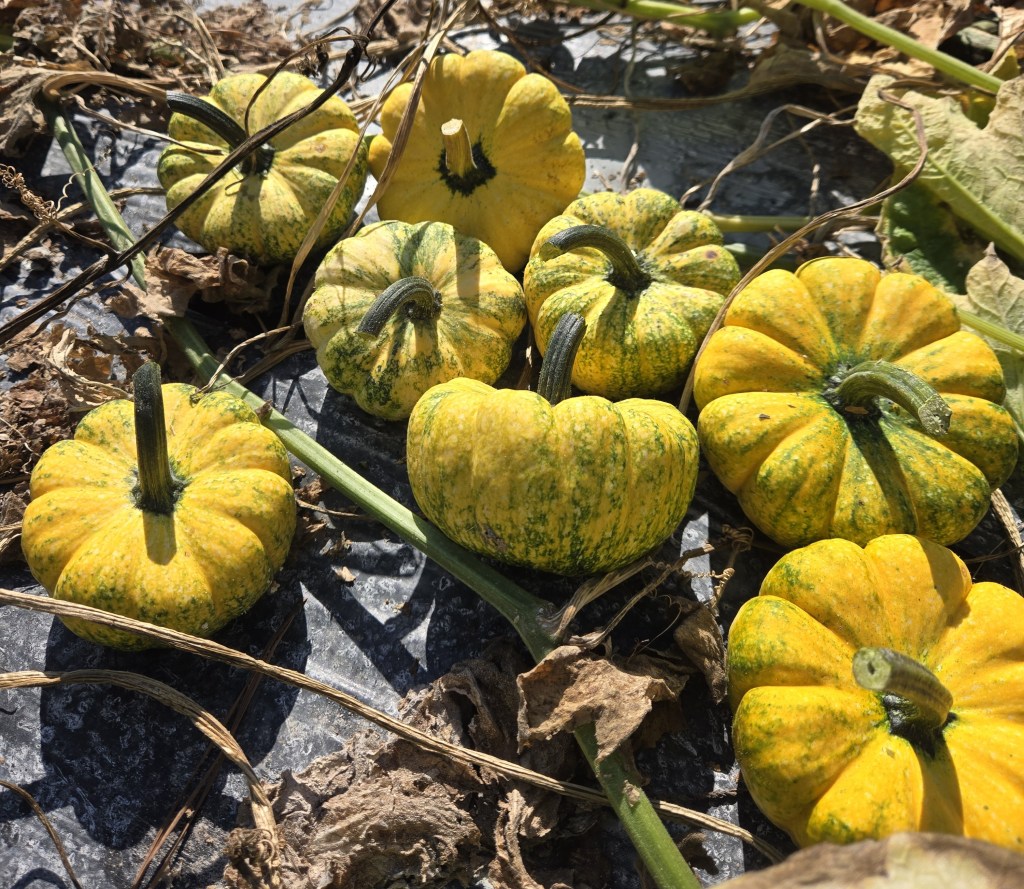
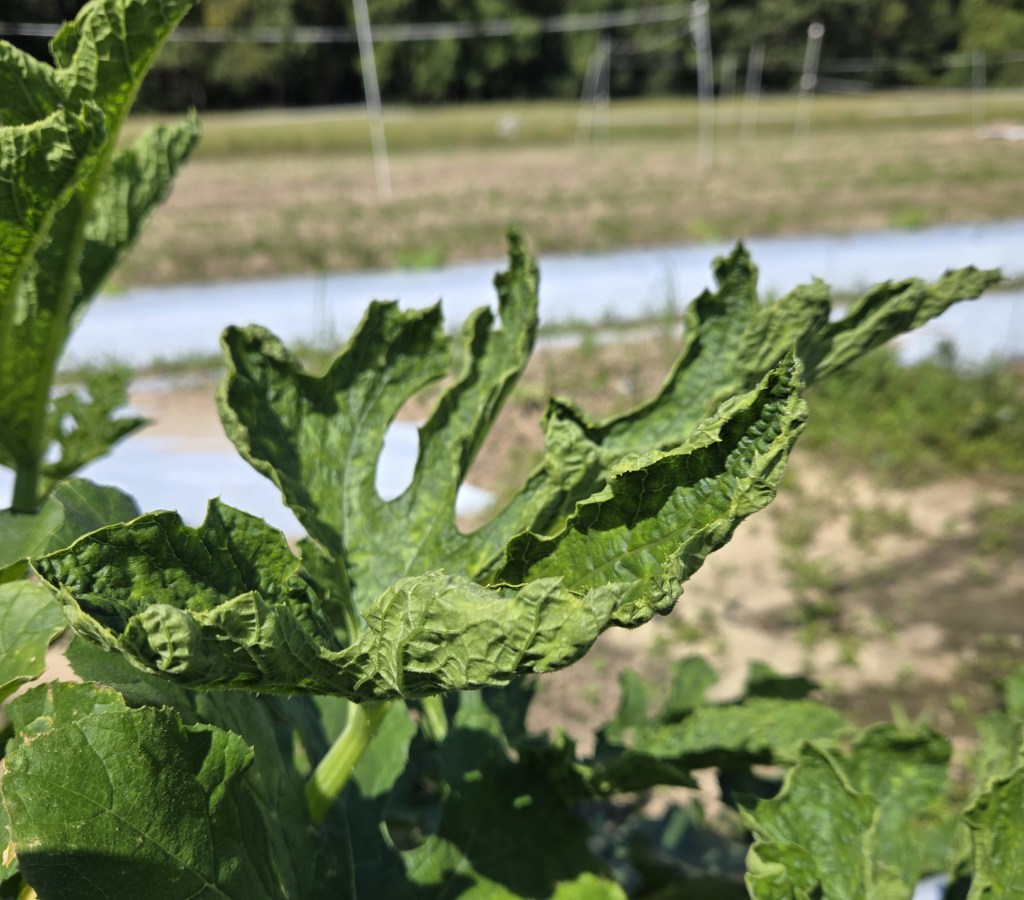
- I am seeing some virus affected cucurbits in the area with symptoms including wrinkling to the leaves and mosaic patterns to leaves and fruit. Management is needed earlier in the season and typically involves insect vector management.
Sarah Scott
- There is so much happening in the fields right now. Crops are growing nicely, including bell pepper, eggplant, broccoli, and cherry tomatoes. We have late-harvest squash, zucchini, and cucumbers coming off for another week or so as well.
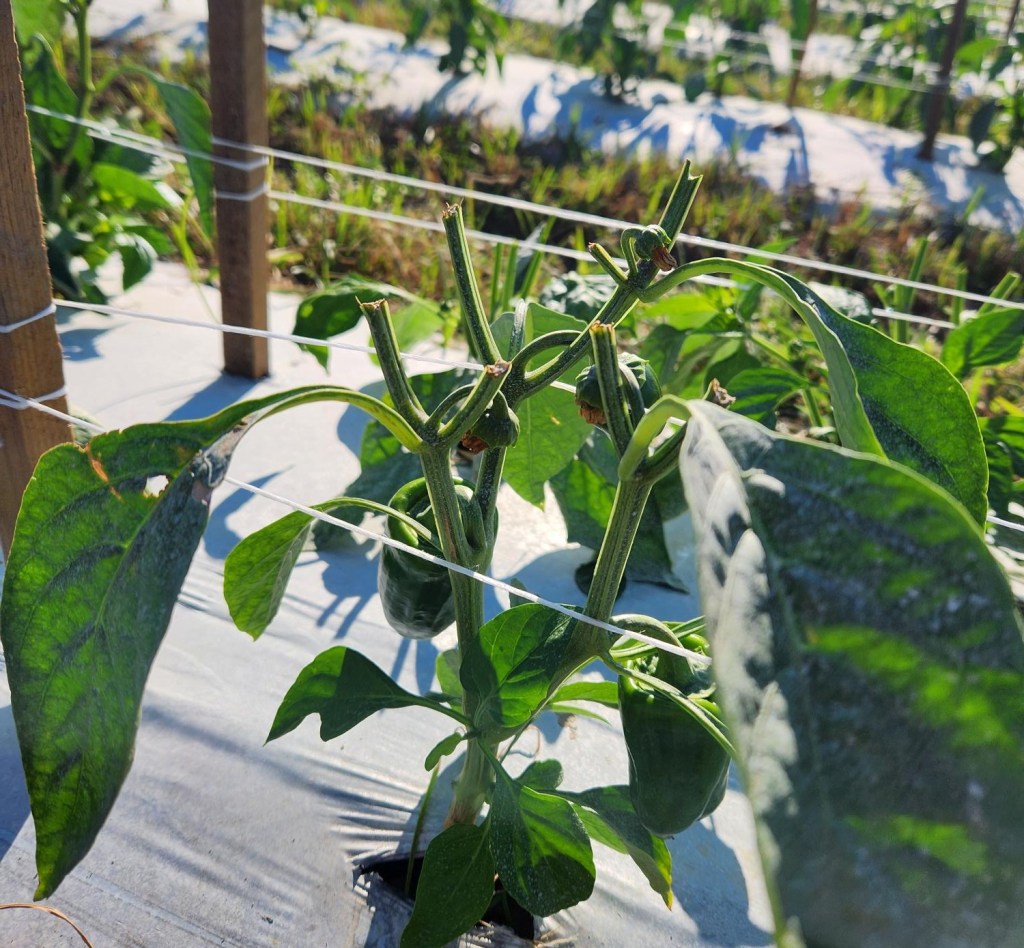
- Another case of Choanephora blight in bell peppers has been identified. We are just monitoring the spread right now. If possible, removing infected plants from the field can help reduce inoculum.
- Plastic is down in strawberry fields and plants will soon be going in.
Upstate
Andy Rollins
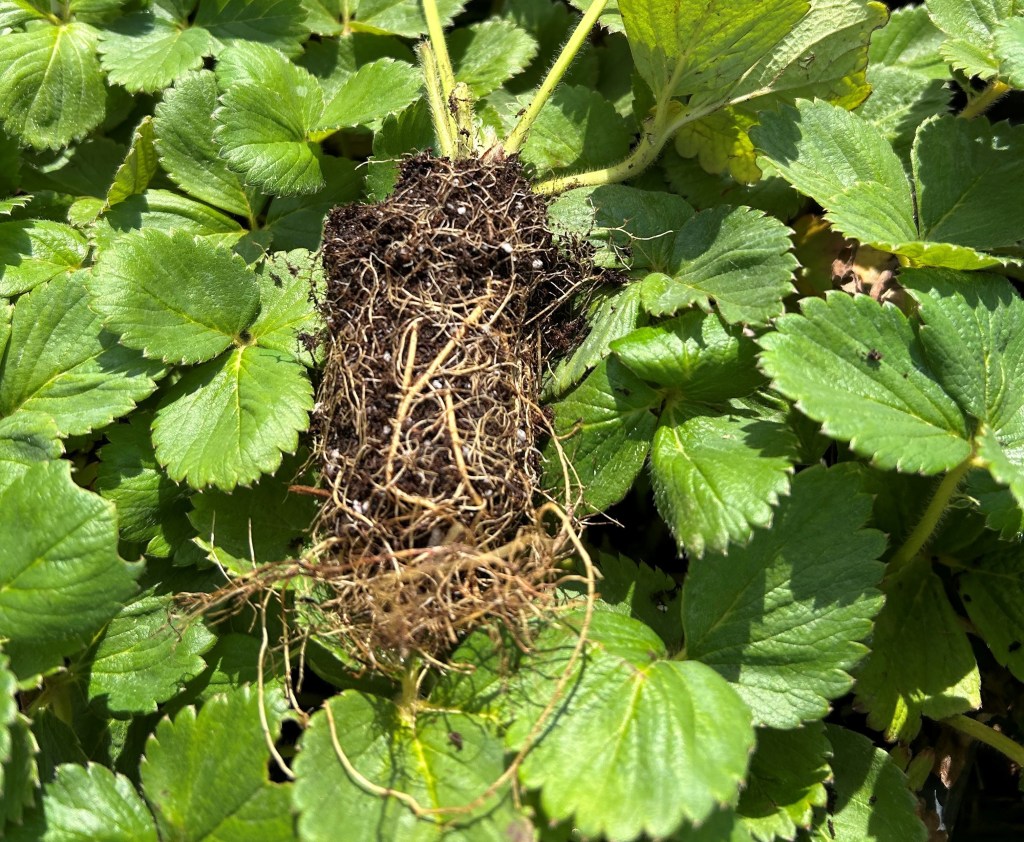
- Fall strawberry plantings have begun in the Upstate. I have inspected plants from multiple sources. I encourage growers to inspect plug plants closely before planting. Look for clean, white root systems as well as any leaf spots. One Canadian plant source had a small amount of bacterial leaf spot. Also inspect the underside of leaves for spider mites. The sooner that problems are diagnosed, the sooner they can be treated. If you are doing a preplant dip/drench with Switch, make sure to plant immediately after, per label directions. Not doing so may cause stunting.
- I found some virus problems in fall squash plantings. Viruses like papaya ringspot, zucchini yellow mosaic virus, and cucumber mosaic virus are just a few to be concerned about. There is no cure for these problems but you can use resistant varieties to prevent them. The vectors for these viruses increase in population as we get to into our fall plantings, making it even more important to use resistant varieties.

Question of the Week
What kind of caterpillar is this that was found munching on the leaves of a pecan tree?
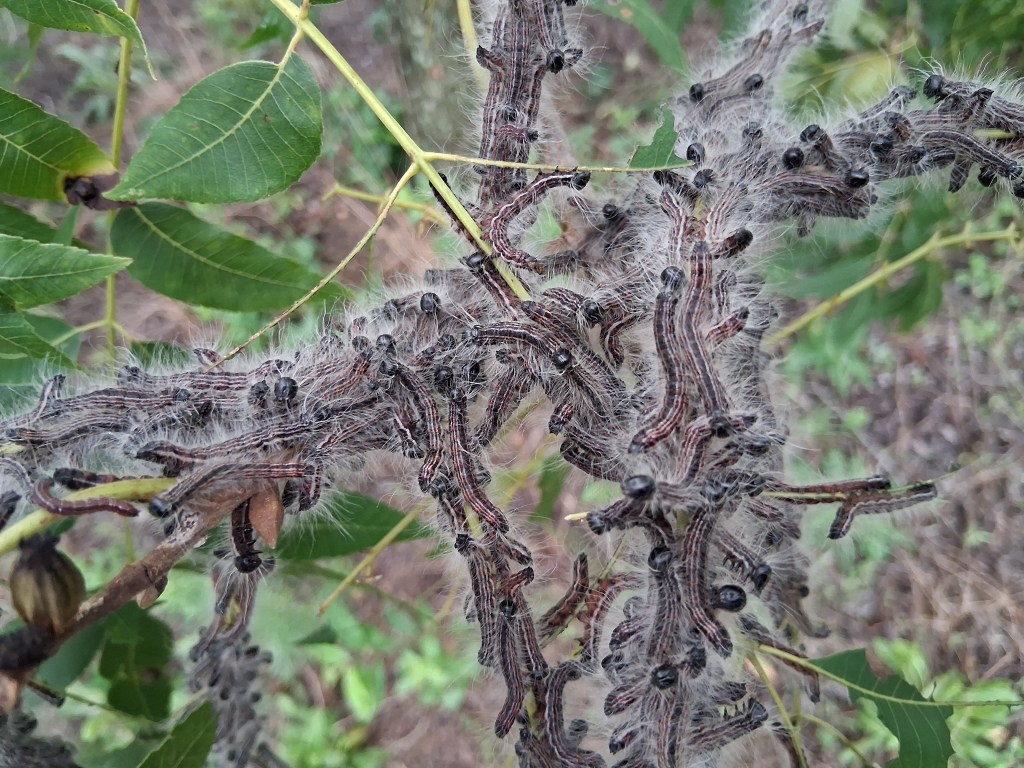
Answer in the comments below and check back on Thursday to see the answer.


One response to “Weekly Field Update – 9/22/25”
[…] Wirestem, another stem rot seen on brassicas, typically affects younger plants and isn’t seen more than 6 weeks after transplanting. The stem lesion is narrower, deeper, and darker than stem lesions of southern blight. Leaves on plants affected by wirestem turn bluish, not yellow, and plants are noticeably stunted. […]
LikeLike