Watermelon harvest is wide open as summer officially begins. Disease and insect pressure have increased since most of the state has received some rain. Sunscald is appearing on some crops with sparse canopies to protect them from the sun. Vascular diseases are becoming a problem in crops across the state.
South Carolina farmers can receive a $100.00 stipend for completing a short survey on the 2026 Farmers Market Price Reports. Clemson Extension is coordinating a project to collect farmers’ market price data across the state. From April – September of this year, these reports are released biweekly. The newly released reports (as well as last year’s reports) can be found at the Extension webpage here: Farmers Market Price Reports. The survey link can be found here: Farmers Market Reports – Producer Survey
Key Takeaways for Growers This Week
- Watermelons are coming in – quality looks great
- Disease pressure is high – including foliar and vascular diseases
- Insect pressure is high in places – stay on top of scouting
- Crops coming to harvest – peaches, blueberries, watermelons, squash, cucumbers, tomatoes, beans, blackberries, leafy greens, eggplant, peppers
Lowcountry Report
Anna Sara Hill
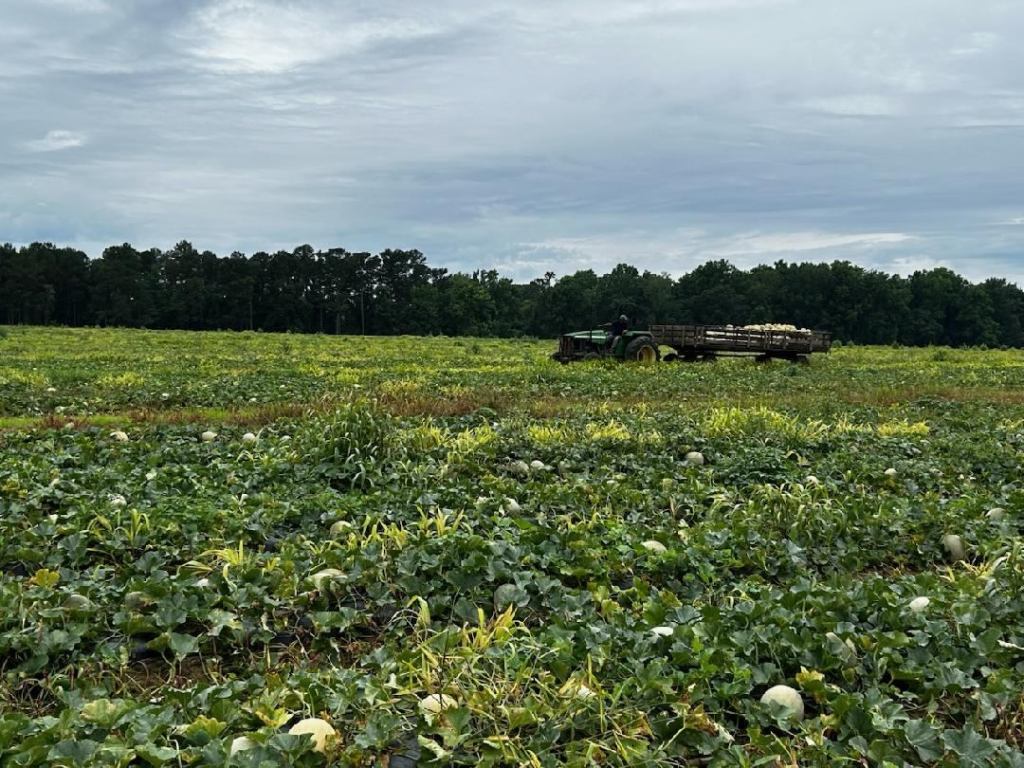
- Watermelon season has finally arrived, and with it, hot and humid weather. While the heat is unwelcome for most, it will sweeten the melons headed to your picnic tables.
- Last week we watched a field of cantaloupes being picked, and this week I expect to see truckloads of watermelons rolling into the packinghouses and markets.
- Though harvest has started, don’t forget to continue scouting and treating for diseases and pests, which will thrive in this weather. This is critical if you want to get multiple pickings from a field, and there are also those later plantings that need to be protected.
- Disease problems observed in many fields last week included Anthracnose and GSB. Most fields had both. Use the recommendations in the Fungicide Spray Guide to treat. Remember, different chemistries work better on different diseases, so make sure to tank mix appropriately.
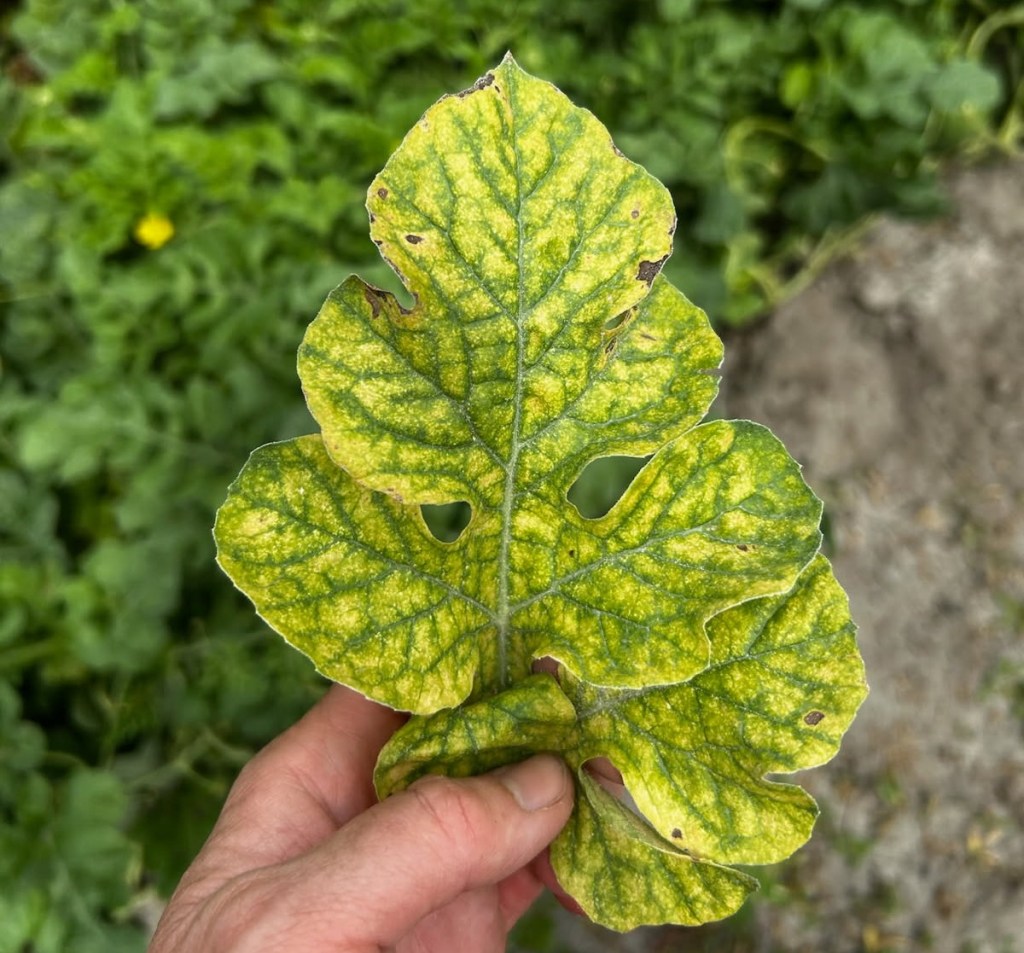
- I also noted a lot of magnesium deficiency in older leaves of both watermelon and cantaloupe vines. Especially in older vines that were close to harvest. Magnesium is at the center of the chlorophyll molecule, and it leaches very easily in sandy soils. When deficient, it can reduce the plant’s ability to make chlorophyll, which correlates to the fruit’s sugar content. Lower chlorophyll production can lead to reduced sugar production. Epsom salts (magnesium sulfate) can be applied through the drip system or as a foliar spray at a rate of 5 lbs/acre to temporarily correct magnesium deficiency. When deciding whether to apply, consider the growth stage of the vines, time to harvest, and overall economic return to determine if the treatment is justified. In late-season situations or near harvest, the benefit of correction may be limited, and applications may not be cost-effective.
Zack Snipes
- We are getting cloudy days with the hope of rain, but very little accumulation when it does rain.
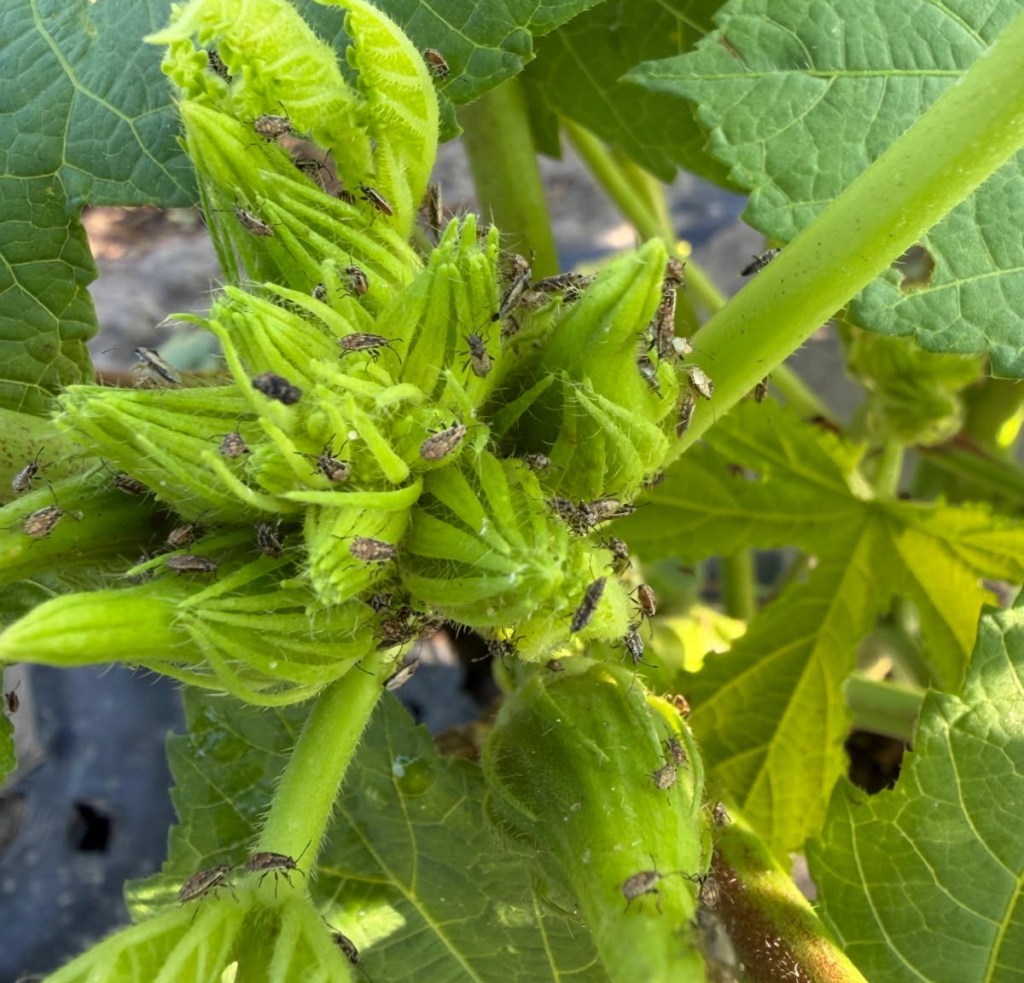
- I am seeing and receiving many reports of false chinch bugs. These insects are being seen by the thousands on lots of farms. I usually see them in dry years, and I suspect they are just looking for moisture. Rarely have I seen them cause crop damage. However, I saw lots of them on the growing point of okra last week. In older tissue, I saw dead fruit, so I can only assume they are the cause of this damage. It has been an odd year, and this is not usually a pest, but we may need to intervene. Actara or Venom (group 4 insecticides) should clean up these pests.
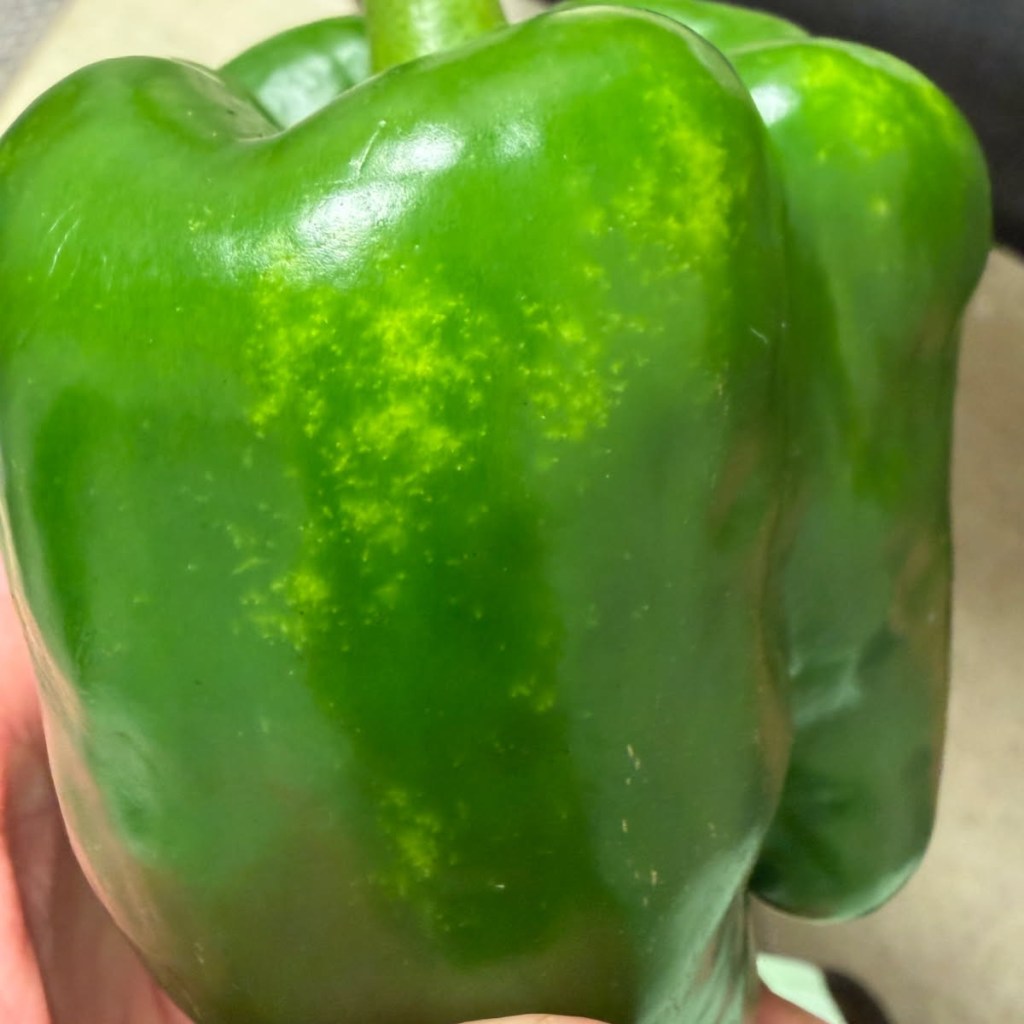
- I have also seen an abundance of stink and leaf-footed bugs lately. They cause piercing damage to developing fruit. Actara or Venom should clean these up as well.
Midlands Report
Rob Last
- Another hot week in the Midlands with some showers and increasing humidity, with more of the same in the forecast.
- The produce coming to market looks great, with a wide range of crops available.
- Sun scald is increasing in many crops due to the high intensity of UV light. Kaolin clay may be a good option for providing some sunscreen effect.
- Physical wounds can be a foci of infection for many pathogens.
- Bacterial spot is increasing on the lower leaves of tomato plants.

Pee Dee Report
Brad Fowler
- Cucurbits are still looking pretty good, with watermelons coming along nicely. Just keep an eye out for fungal issues.
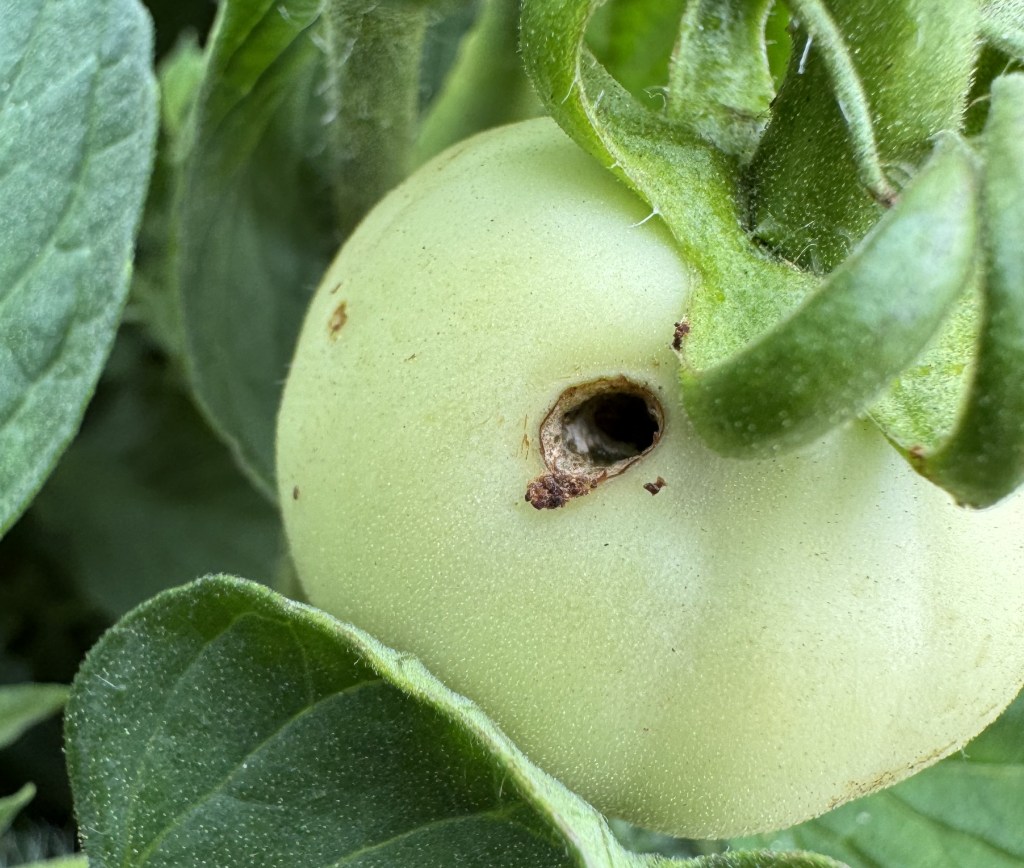
- Tomatoes continue to grow well for the most part, but it may be necessary to treat for caterpillars like tomato fruitworm.
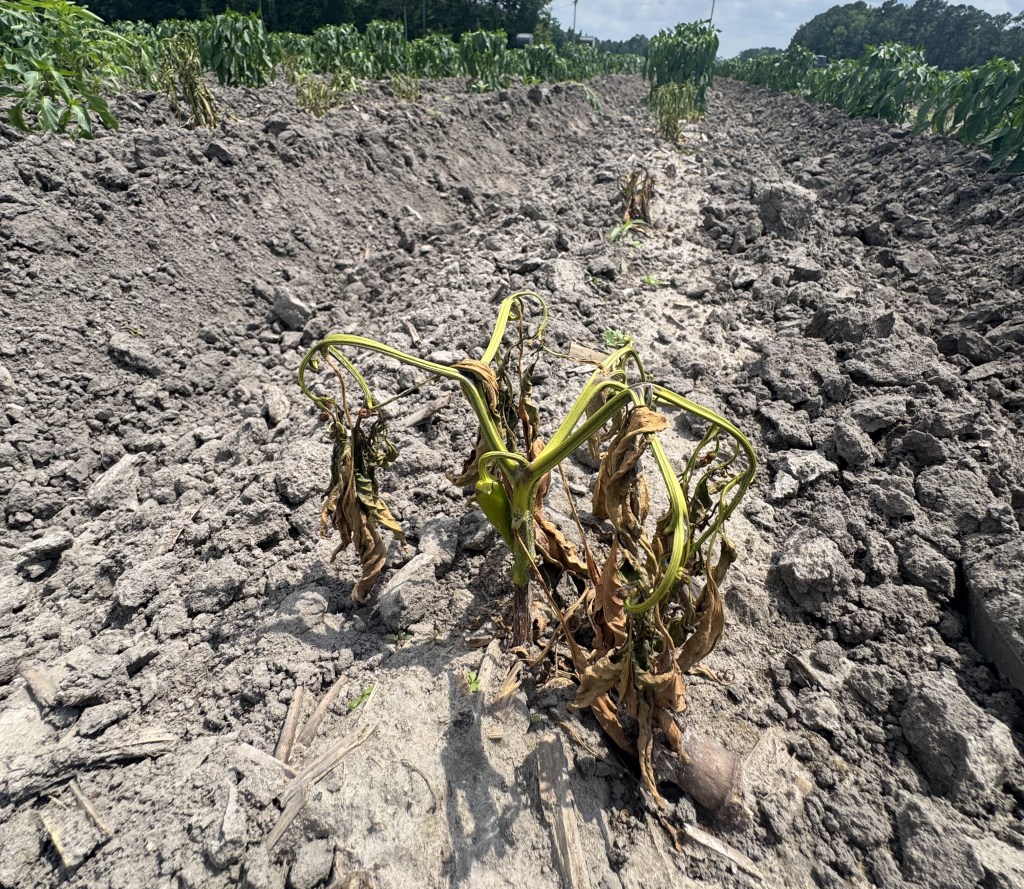
- I recently ran into an issue with Phytophthora in peppers. Unfortunately, there isn’t much that can be done, but if you catch it early and get on a strict fungicide program, it might be possible to salvage some of the crop. It’s important to just be aware that problems like this can arise.
- Sweet corn looks great, with caterpillars being the primary pest at the moment. For next season, if you aren’t already doing so, think about staggering planting timings for an extended harvest season.
Upstate Report
Andy Rollins
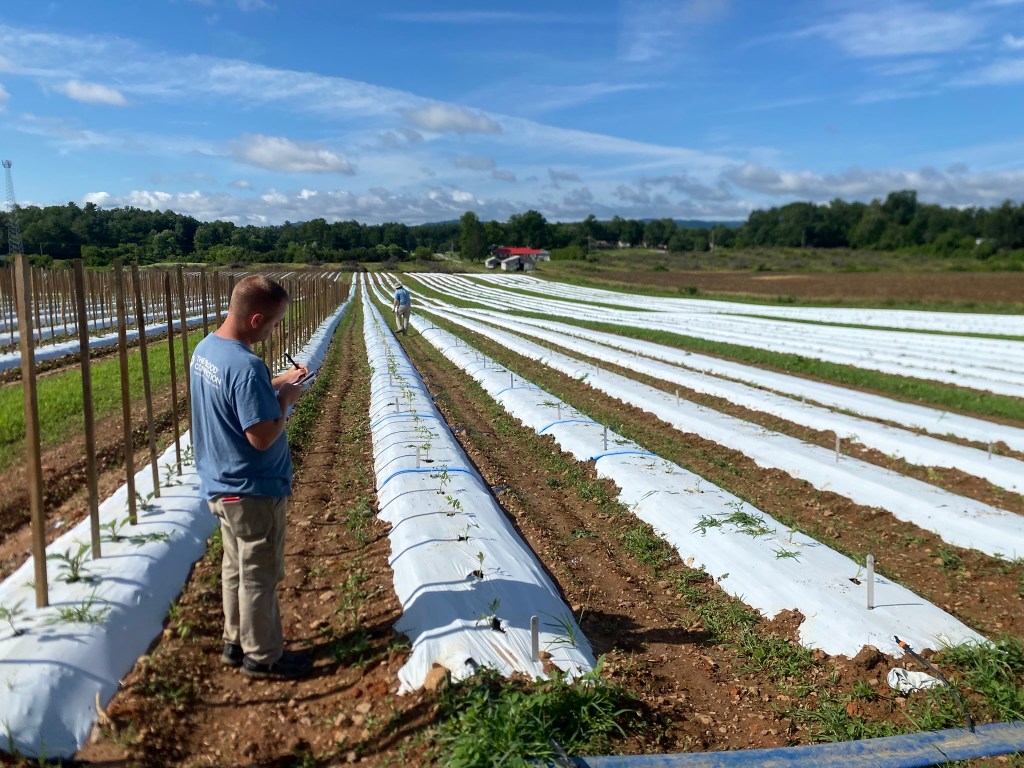
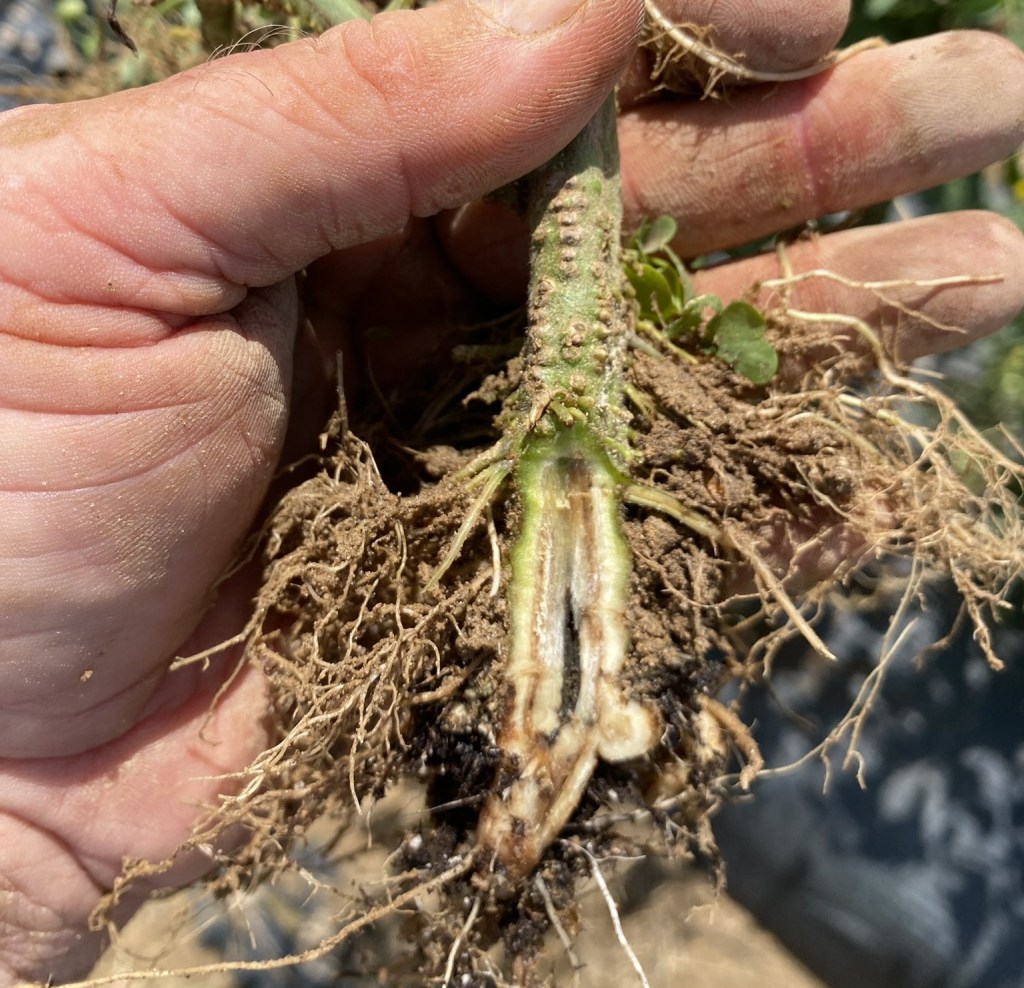
- We are still planting tomatoes across the upstate of SC. Most growers have switched to white plastic, as is advisable for this time of year, to avoid excessive heat issues. We are working with NCSU Extension Services, Wayne Morgan, to put varieties developed by tomato breeder, Dr. Dilip Panthee, on multiple farms so growers can see them alongside their standard varieties. We plan on having a short field day in August for other local growers to observe the results. Problem-wise, we are beginning to see some of the vascular wilts show up. We are not sure of the identity of the wilt pictured below, but it is being sent to the Plant and Pest Clinic for identification. This is important because the plant pictured is Rubycrush, which has resistance to some Fusarium races but not all. The vascular wilt pictured could be bacterial wilt, which doesn’t have any practical control measures, but if it is fusarium or verticillium, control measures are available. Bacterial wilt can be tested for by cutting the stem and placing it in a clear glass of water, then looking for a cloudy stream coming from the stem.
- We’re finding spider mites, flea beetles, cucumber beetles, tomato fruit worm, and other issues across other farms. Growers need to continue diligent scouting and pesticide applications as needed.
- We have found some bacterial spot. Growers need to continue using mancozeb and copper, if they haven’t started picking, to keep this problem in check.
- Peaches are coming in early. Heat stress from the week before last caused uneven ripening this past week, with the bottoms of the fruit overripe but the stem ends still green. I believe this is the cause, as it is worse on farms without irrigation than on those with irrigation. Hopefully, this is just a temporary setback. Everything is coming in much sooner than normal, mainly because of cold-damaged seeds, but other factors are also at work.
- A few farms are still picking a few strawberries. Growers are now preparing to get the varieties they want for fall plantings and to secure fumigants, plastic, etc.
Question of the Week
What caused the spots on these watermelon leaves? (Hint: It’s not a disease.)
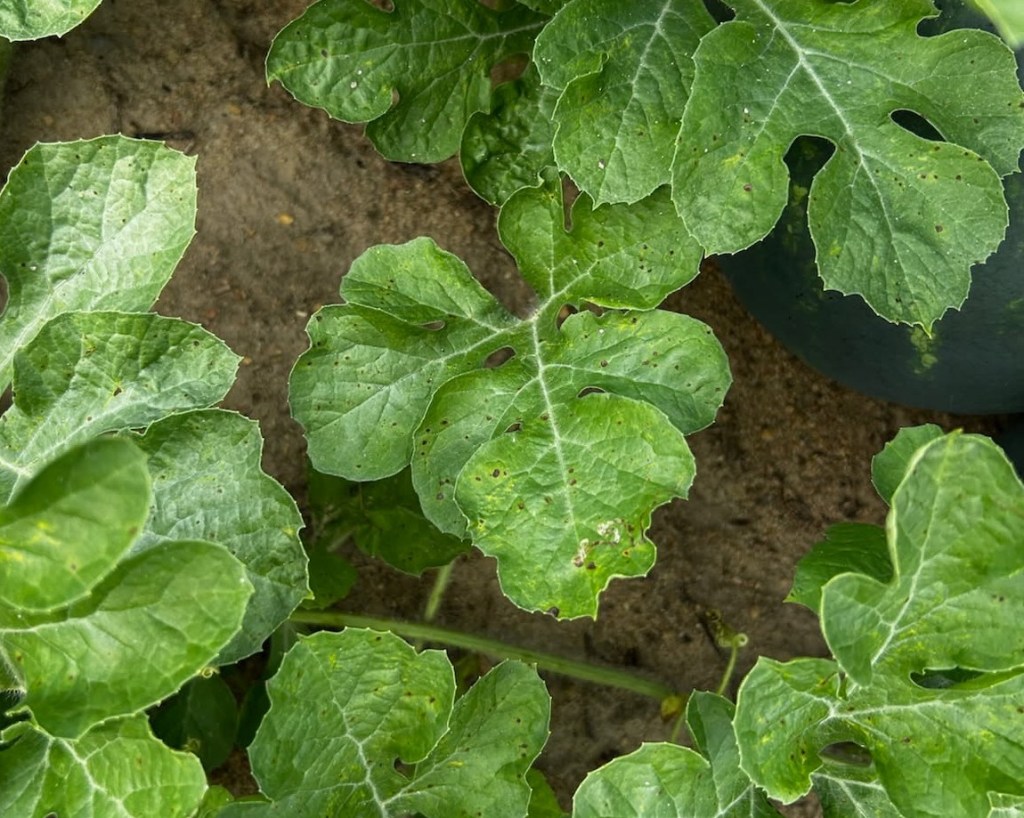
Answer in the comments below and check back on Thursday to see the answer.
Don’t forget to look at the Resources tab for links to crop handbooks, helpful websites, and related blogs. Have a great week!

