Another hot week in SC with little to no rain across much of the state. Insect pressure continues to be relatively high in areas and if we get afternoon thunderstorms, as predicted, disease pressure may also be on the rise with increased moisture.
A reminder that if you plan to apply for the South Carolina Disaster Relief Block Grant for Helene that applications are due by July 11. It is a lengthy application process, and you will need several documents handy. The SCDA provides a checklist on the grants page so you can insure you have everything you need on hand before getting started.
Key Takeaways for Growers This Week
- Temps will be near 100 – get work done early and stay hydrated
- Leafhoppers present – no two-spot cotton leafhoppers yet
- Insect pressure is high in places – leaf-footed bugs, whiteflies, and hoppers.
- Watermelon Field Day coming soon – register here and add 7/9/26 to your calendar
Lowcountry Report
Zack Snipes
- I sound like a broken record, but we are so dry in the Lowcountry. We haven’t caught any rain in what seems like forever. At the research station, the irrigation ponds have gone completely dry. Turf is dying in people’s yards. And looking at the week ahead, we have temperatures in the 90’s with no rain in the forecast at all until maybe Sunday.
- The good news is that we have extremely low disease pressure right now. Crops are coming off nicely and in high volumes where irrigation is present.
- I am finding a few Japanese beetles, false chinch bugs, and spidermites right now but at manageable levels.
- I will keep dancing until next week.

Midlands Report
Rob Last
- Another hot, dry week in the Midlands, with a few storms showing up on Sunday. Keep cool and stay hydrated.
- As humidity increases, plant diseases are increasing from gummy stem blight and anthracnose to Phomopsis blight. Consult the veg crop handbook or your local agent for effective management options.
- Insect pressure is increasing with leafhoppers, aphids, leaf-footed bugs and stinkbugs evident in many crops.
- Many growers are turning their attention to crops to be planted in the late summer and fall. Remember, prompt destruction of previous crops can help with timely land preparation, get a start on weed management and destroy sources of inoculum for pathogens.
- When we do destroy crops, insects will migrate around the farm, so scouting remains critical.

Anthracnose lesion on a banana pepper in the Midlands. (R Last).
Daniel Lyon
- Scattered showers across the state brought some needed rain after a hot week. Another promising chance of rain today and next weekend. Temperatures remaining in the upper 90s will continue to make field operations difficult.
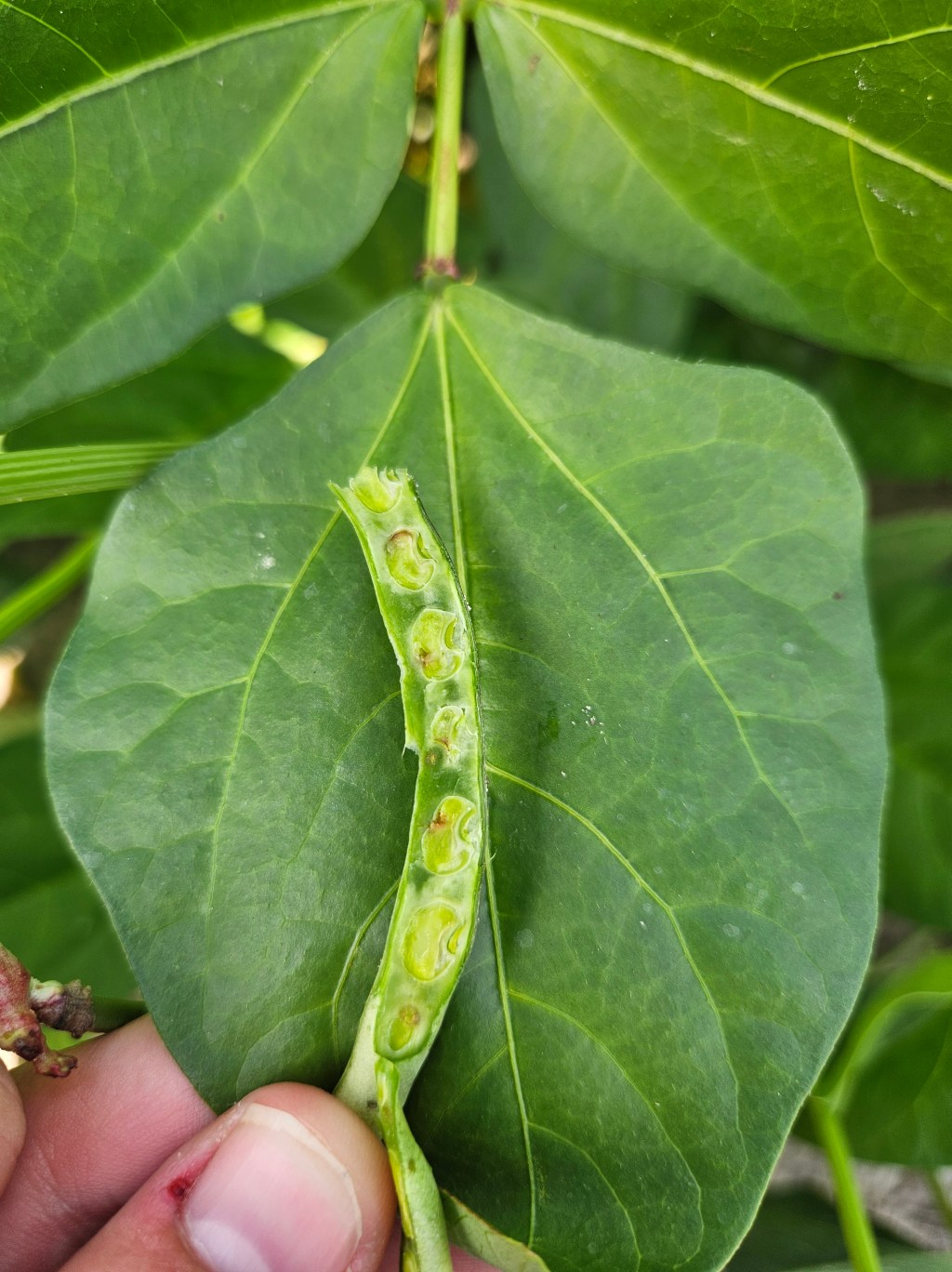
- Harvest of the summer pea and bean crop is wrapping up. Growers will be preparing for a fall crop soon. Growers with crops still in the ground are fighting off the cowpea curculio, which I have seen in high numbers in some fields.
- Watermelon fields that experienced standing water with some of the bigger rain events we’ve seen are feeling the effects of it now, with fruit rotting in the field. Some growers will lay the melons on the beds with the field spot up to try to dry them out. Kaolin sprays can be used to protect them from sunscald in these brutal temperatures.


Upstate Report
Samantha Brown
- Hot, humid conditions continue across the Upstate with scattered afternoon thunderstorms providing just enough leaf wetness to keep disease pressure elevated. Continue scouting fields regularly, especially after rainfall events.
- Blueberry harvest is beginning to wind down for many of our early- and mid-season varieties. Later-season cultivars are still producing, but overall harvest volume has slowed considerably.
- I had the opportunity to spend time in Lexington County with Rob Last surveying fields for leafhopper activity, and we were both encouraged that no Two-Spotted Cotton Leafhoppers were observed during our scouting efforts. While this is good news, growers should remain vigilant and continue monitoring fields as populations can change quickly throughout the summer.
- Downy mildew has been confirmed in cucumbers. If you haven’t already, begin a preventative fungicide program. The myIPM app provides excellent recommendations for effective fungicides and active ingredients. Be sure to rotate products with different FRAC groups and include protectant fungicides such as chlorothalonil or mancozeb in your program to help slow the development of fungicide resistance.

Question of the Week
What’s going on with this peach?

Answer in the comments below and check back on Thursday to see the answer.
Don’t forget to look at the Resources tab for links to crop handbooks, helpful websites, and related blogs. Have a great week!

