Over the last week, most of the state received rain from afternoon storms. Disease has increased as a result. Watermelons and peaches are still coming in with good quality and volumes. Other crops are finishing early due to the heat.
Key Takeaways for Growers This Week
- Finally, some rain – disease has increased as a result
- Harvest continues – watermelons and peaches are having a great year
- Insect pressure is high in places – leaf-footed bugs, whiteflies, and hoppers.
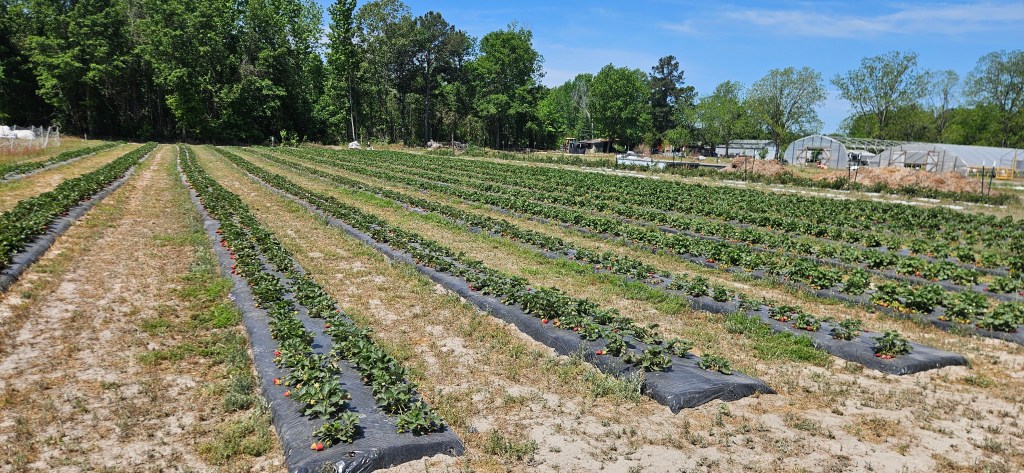
- Growers are preparing for late summer/fall crops – fields are bedded with white plastic
Lowcountry Report
Anna Sara Hill
- Some areas saw rain showers this past weekend, which was a relief but not nearly enough, and it was very localized.
- Be prepared for pop-up thunderstorms. With the high heat index, conditions are ripe for thunderstorms and lightning strikes, which can spark fires.
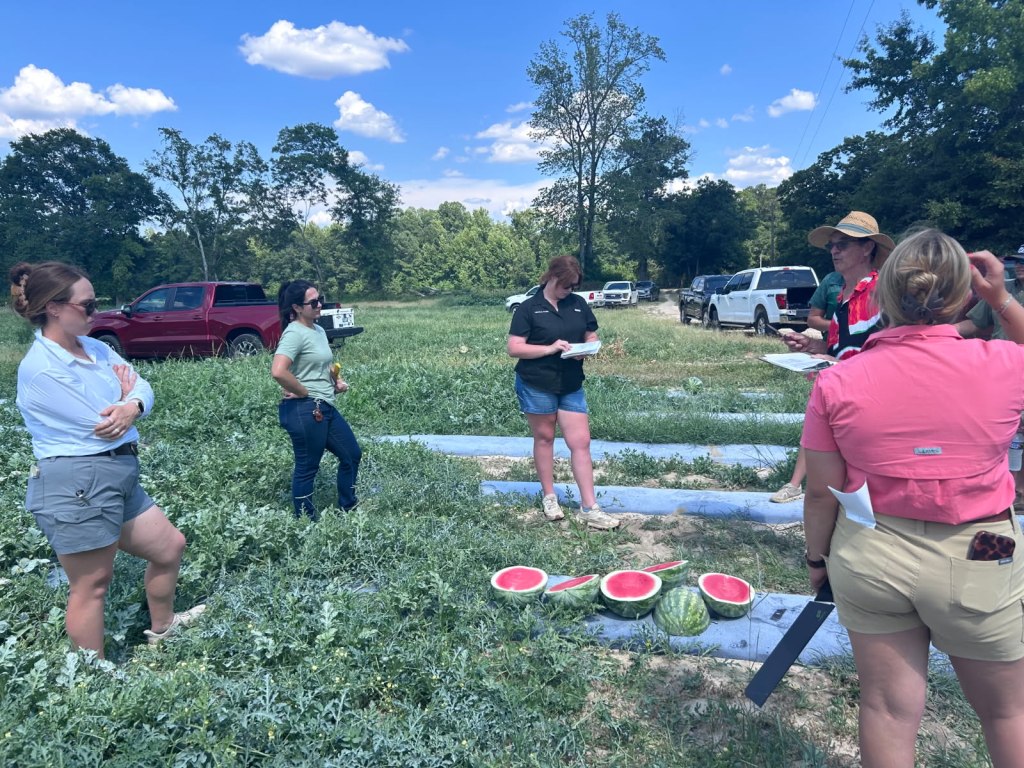
- This past week was busy, with the South Carolina Watermelon Variety Trial on Wednesday and the Watermelon Field Day at the Edisto Research and Education Center on Thursday.
- The Edisto REC field day had 90 registered participants. Subjects of interest presented were updates on NWPB activities and the South Carolina Supply Scene, advances in fusarium wilt breeding in watermelon and studying spectral imaging as a tool for non-destructive assessment of watermelon quality. The field portion of the event featured a SharpShooter robotic precision sprayer, designed by Verdent Robotics for specialty crops, and a spot treatment demonstration using a spray drone. The highlight of the day was tasting various varieties of watermelon. The event concluded with a presentation on food as medicine, highlighting the importance of watermelons as a “super food” and their medicinal uses. Dean Holt was the keynote speaker and discussed what’s new at Clemson University.
- Watermelons are still being picked hot and heavy, and market prices are great.

Zack Snipes
- I realized my daughter and I have been casually singing the “Rain, Rain, Go Away” song lately, and that may have been a contributing factor to the drought we have been experiencing. We stopped singing it this week and were blessed with three good rains Friday-Sunday. Irrigation ponds were getting extremely low, so the rains have temporarily relieved some stress, but we’re not out of the woods yet.
- The crops have been quick to finish with the extreme heat and dryness. Tomatoes are all but finished, as well as most spring/summer crops, including blueberry, spring blackberry, and summer squashes.
- Peppers look pretty good, and volumes are coming in well. We are seeing some anthracnose fruit rot and bacterial soft rot. Anthracnose infection usually happens during flowering, and symptoms are seen when fruit is harvested. It is very important to preventively apply fungicides to manage this disease.
- I attended the Edisto REC Field Day this past week and learned a ton about how science and technology are shaping the future of farming. At the meeting, we learned about how watermelons are bred for Fusarium wilt resistance and how scientists are developing models and specialized cameras to detect ripeness before harvest. We also saw a spray drone in flight and an AI herbicide sprayer. I encourage everyone to take advantage of trainings offered by Clemson. We will be releasing our 2026-2027 event schedule in late August. These events can be found here.


Midlands Report
Rob Last
- It has been another hot week here in the Midlands, although we are starting to see more rainfall in sporadic thunderstorms. Rainfall amounts have been very variable. Soils remain very dry, with increasing deficits being recorded in the lower soil profiles
- As we begin the preparations for summer and fall crops, monitoring soil moisture is key to effective bed construction. If the bed is too dry, the bed shoulders will collapse, and the bed will not consolidate well. Lack of consolidation impacts water and nutrient movements, allowing leaching through and out of the bed. The net result will show as wilting of the crops, nutrient deficiencies and retarded growth rates. A good rule of thumb is that a 150 lb man will indent the bed by 0.5 to 1″.
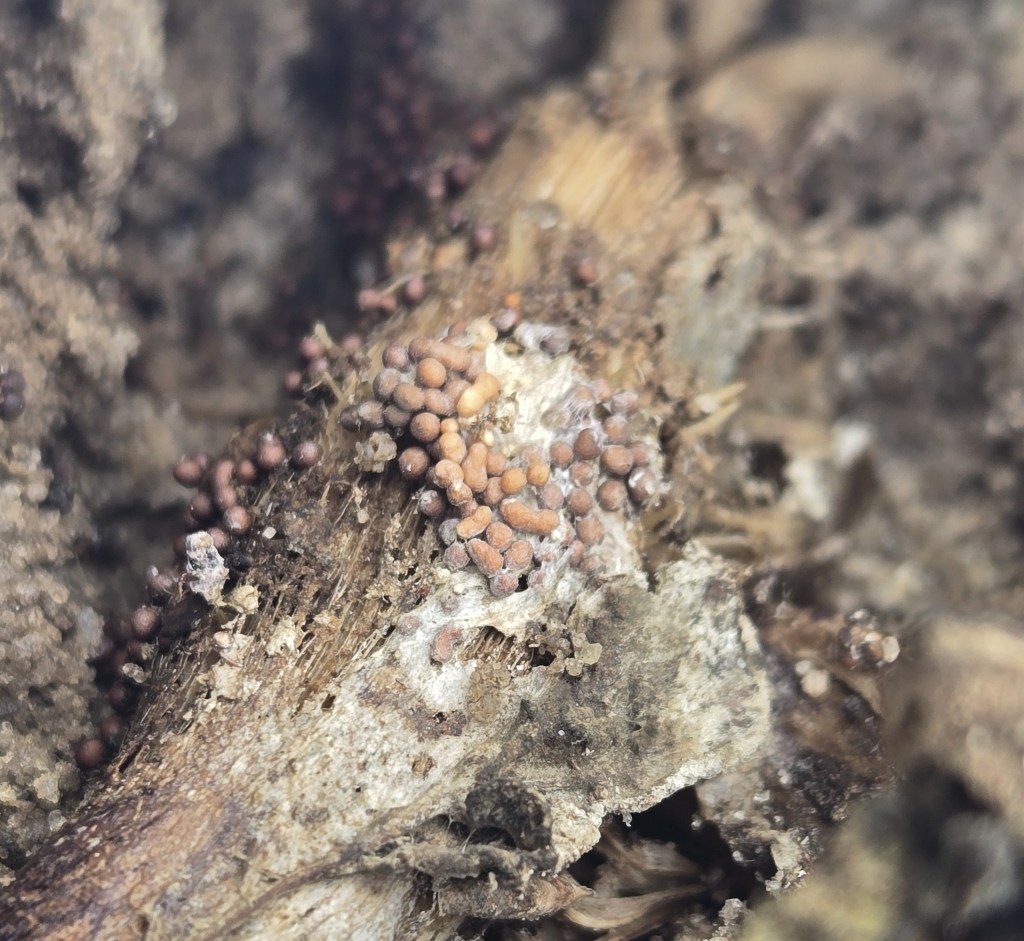
- Southern blight is showing up in many fields, indicated by occasional plants wilting with fruit loading. Look at the soil surface for white mycelial growth or brown spherical sclerotia. Southern blight can be found on many crops, including tomatoes, peppers, and eggplant. Southern blight and bacterial wilt can cause the same symptoms in tomato; Southern blight will have white mycelial growth at the soil surface, whereas bacterial wilt will not. Bacteria will create a bacterial stream in a clear glass of water from a cut stem. Southern blight will not.

Daniel Lyon
- The rain we received over the weekend, although extremely welcome, was a bit intense. Some areas received 1”–2” of rain in a short period. This is why erosion mitigation practices are so important. Maintaining grassed waterways, using terraces in open fields on slopes, and cover cropping are a few ways to mitigate erosion.
- Grassed waterways slow the momentum of flowing water and hold soil particles together, reducing erosion. In ditches where grass is not feasible, “riprap” can be used. Riprap is a layer of large rocks placed in waterways to reduce erosion.
- Terraces are built by using machinery to carve steps into the land that slow down moving water.
- Cover crops hold soil particles together and increase the permeability and water-holding capacity of fields, therefore decreasing erosion. In plasticulture, cover crops should be used between rows to reduce erosion and weed pressure. This will make fields much easier to work in wet conditions.
- As usual, continue to address higher disease pressure amid these hot, humid conditions. Issues are likely to advance much faster.
Upstate Report
Andy Rollins
- Some excellent peaches are being harvested in the Upstate now, like Julyprince, Contender, Bounty, Scarletprince, and others. We may have a gap in production after finishing these varieties, as Sunprince and other varieties coming off next were more severely affected by cold damage in March.
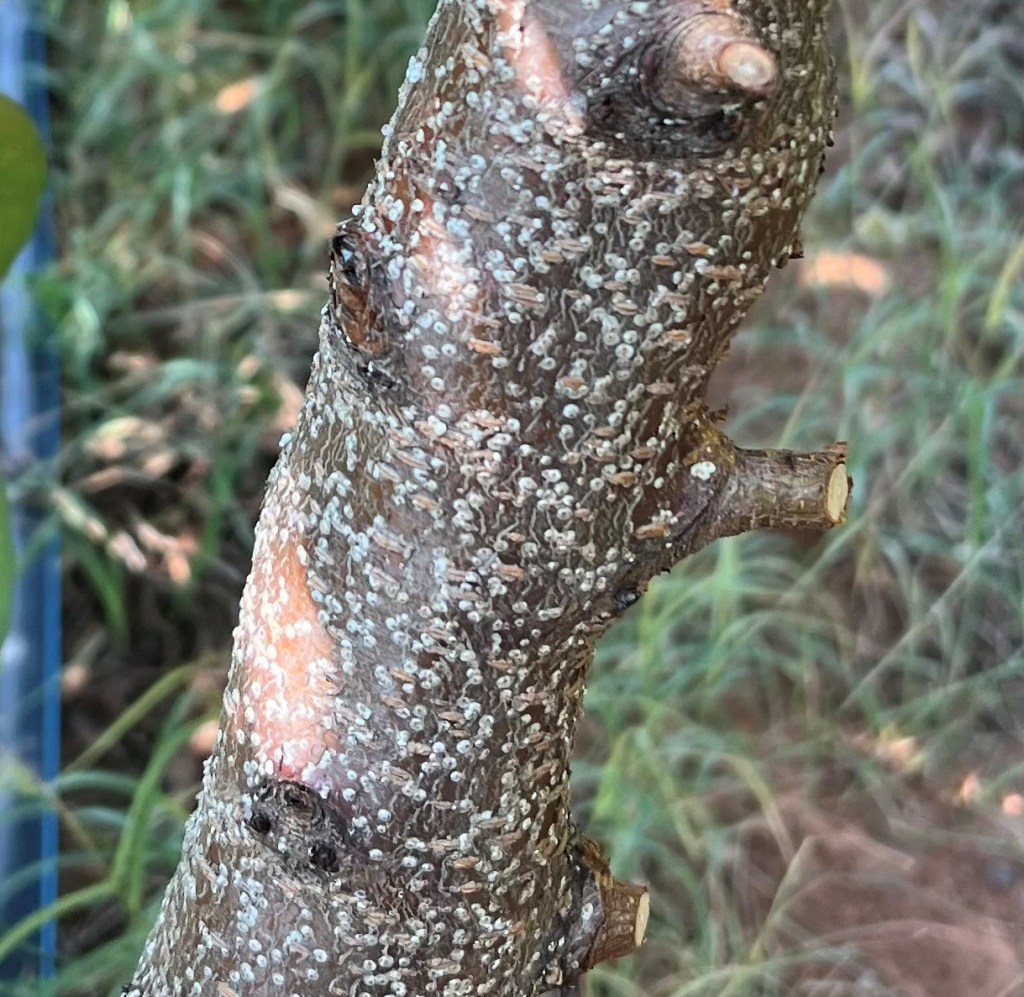
- We recently found white peach scale in the centers of young trees on one farm. Unlike San Jose scale, it is easy to see but is said to have a more aggressive habit, unfortunately. Movento was recommended for application with the suggested surfactant/penetrant Dynamic, according to Dr. Brett Blaauw.
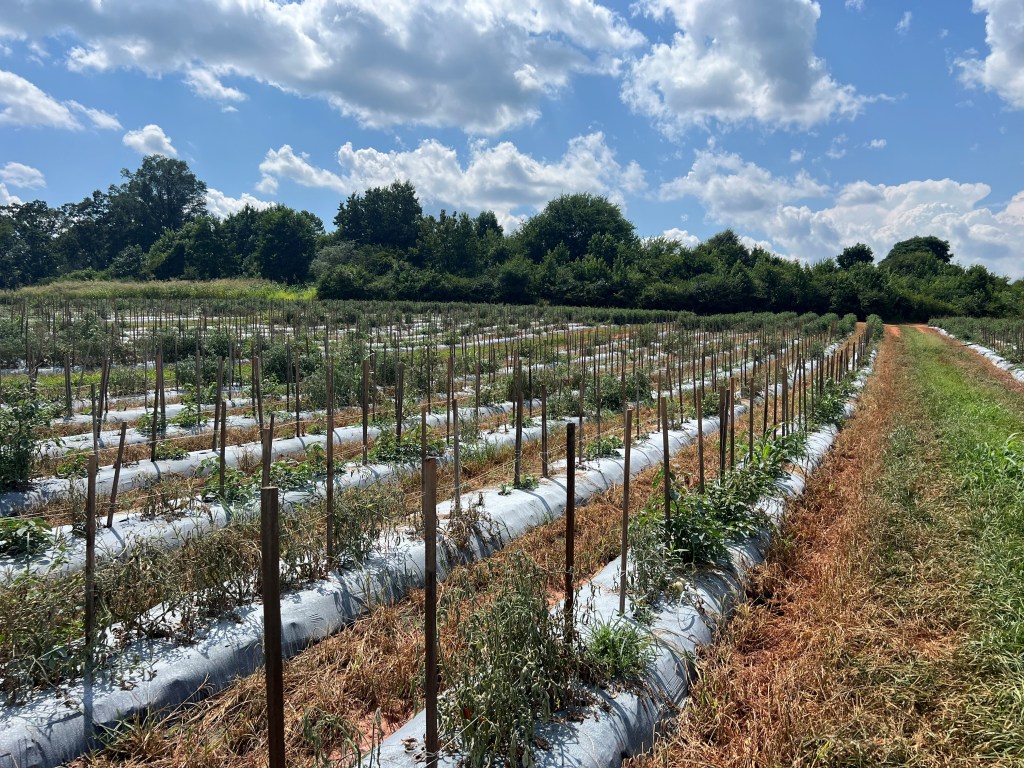
- Unfortunately, I am finding significant tomato plant losses due to bacterial wilt on multiple farms, as shown in the picture. Some plum tomato plantings have lost 50-60% of their plants. One of the growers is considering using grafted plants to try to fix this major problem if they can survive this one.

Question of the Week – Grower Spotlight
Where is Anna Sara visting this week?
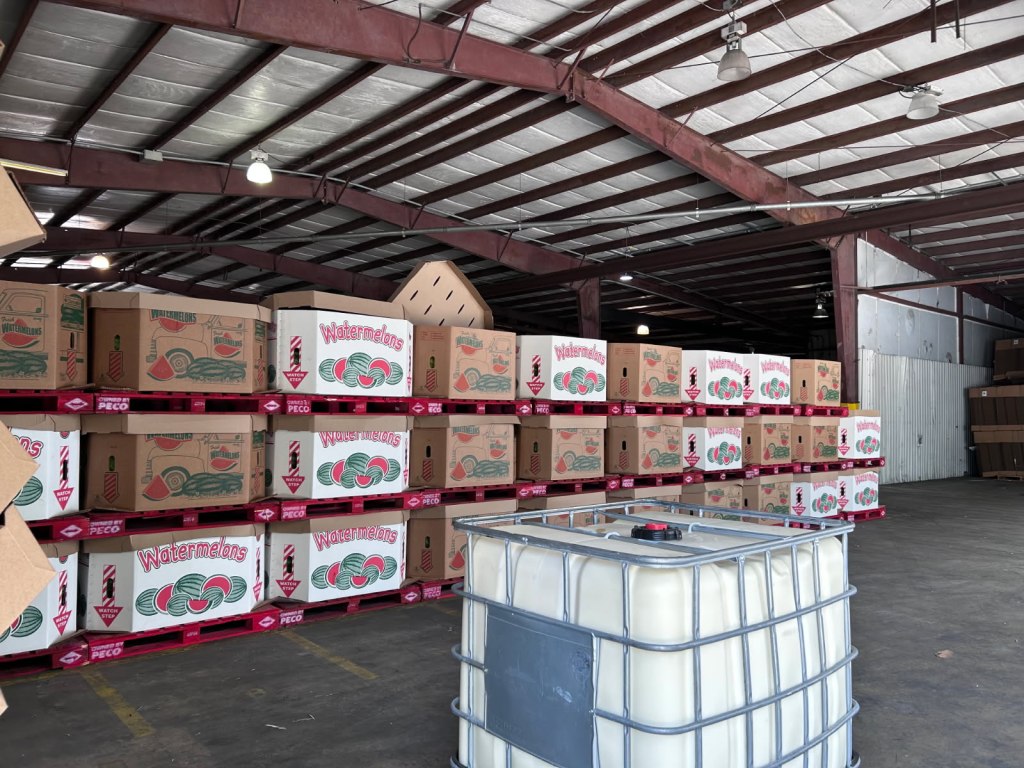
Answer in the comments below and check back on Thursday to see the answer.
Don’t forget to look at the Resources tab for links to crop handbooks, helpful websites, and related blogs. Have a great week!

