Strawberry planting continued last week and should start to wrap up this week. The weather so far has been great for planting, though growers should be cautious about plants drying out since we don’t have much moisture in the forecast. Other fall crops are looking great.
Key Takeaways for Growers This Week
- Strawberry planting continues – it should start wrapping up this week
- Little moisture in the forecast – be sure strawberry transplants get plenty of overhead water while establishing
- Fall brassicas and sweetpotatoes look great – minor insect issues reported
- Several agents attended the Sunbelt Ag Expo last week – see details below and check back Thursday for more
Lowcountry Report
Zack Snipes
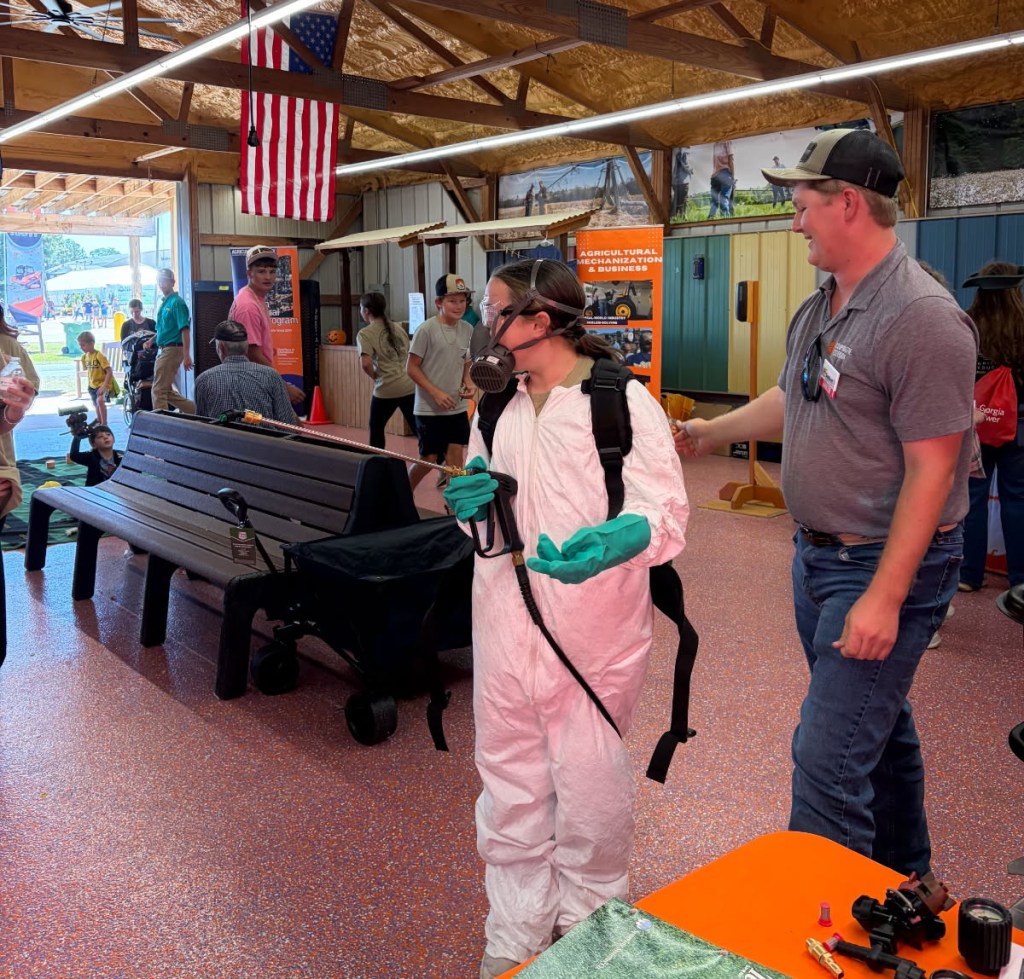
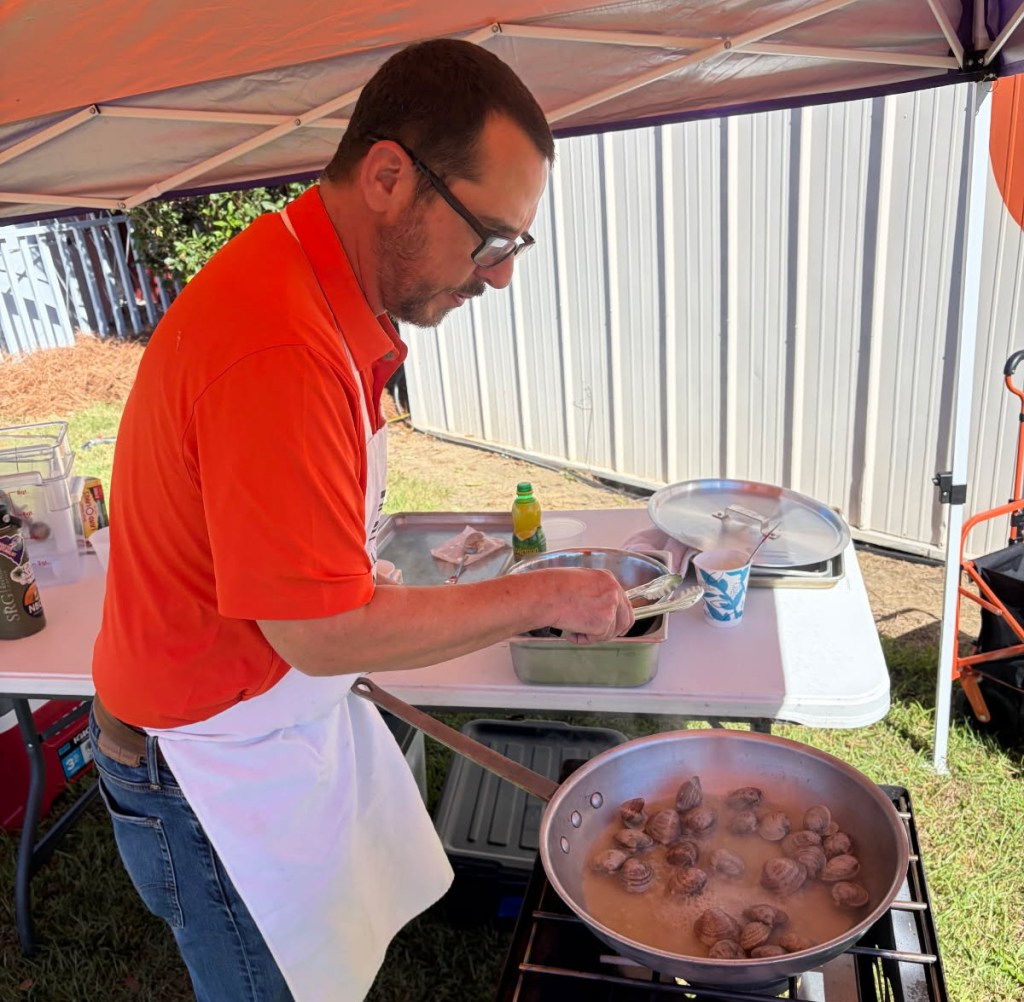
- Many Clemson Extension Agents spent last week at the Sunbelt Ag Expo in Moultrie, Georgia. We had a great week interacting with farmers, ag dealers, students, and colleagues from the southeast US. I saw many ag technologies at the show that I think would benefit many of our growers.
- Strawberry planting is wrapping up in the Lowcountry this week. I have heard from lots of folks about how they saw a post on SC Grower and then made or purchased their own strawberry planting tool. I am hoping that lots of acres of berries were planted at the correct depth this year as a result of the planting tool and training videos.
Pee Dee Report
Brad Fowler
- Fall is certainly feeling nice, but it hasn’t brought much rain. It remains fairly dry across much of the Pee Dee, making proper irrigation crucial, especially for newly planted strawberries.
- Speaking of strawberries, most are in the ground, and we are hoping for good establishment and a productive spring.
- Leafy greens are doing well with no major issues to report. If Insect pests become a problem, be sure to rotate modes of action when treating with pesticides to avoid resistance buildup.
Bruce Mclean
- This past week brought some surprisingly cool morning temps to the Pee Dee. I saw a few high 30s a couple of mornings, and heard of some patchy frost. This week, it looks as though the temperature will moderate some… not too hot, not too cold. We may see some rain towards Sunday and next Monday, but don’t expect much.
- Sweetpotato harvest is starting to wind down. Quality has been exceptionally good on some farms and fair to good on others. Wireworm and grub damage is the primary quality issue. Talking with growers, it seems that those who fumigate or have fumigated a recent rotational crop have had better overall quality than those who have not. It stands to reason that this would be the case. Soil fumigation is a considerable cost to a grower, but one that often pays for itself.
- Brassicas are still looking really good. Pest pressure has been relatively light, except for false chinch bugs in mustard. False chinch bugs have shown themselves to be a formidable foe. Dinotefuran was effective (much more so than pyrethroids), yet some of the bugs remained in the heavier foliage. Collard, broccoli, mustard, turnip and rutabaga harvest is just beginning. Across the board, quality is very good.
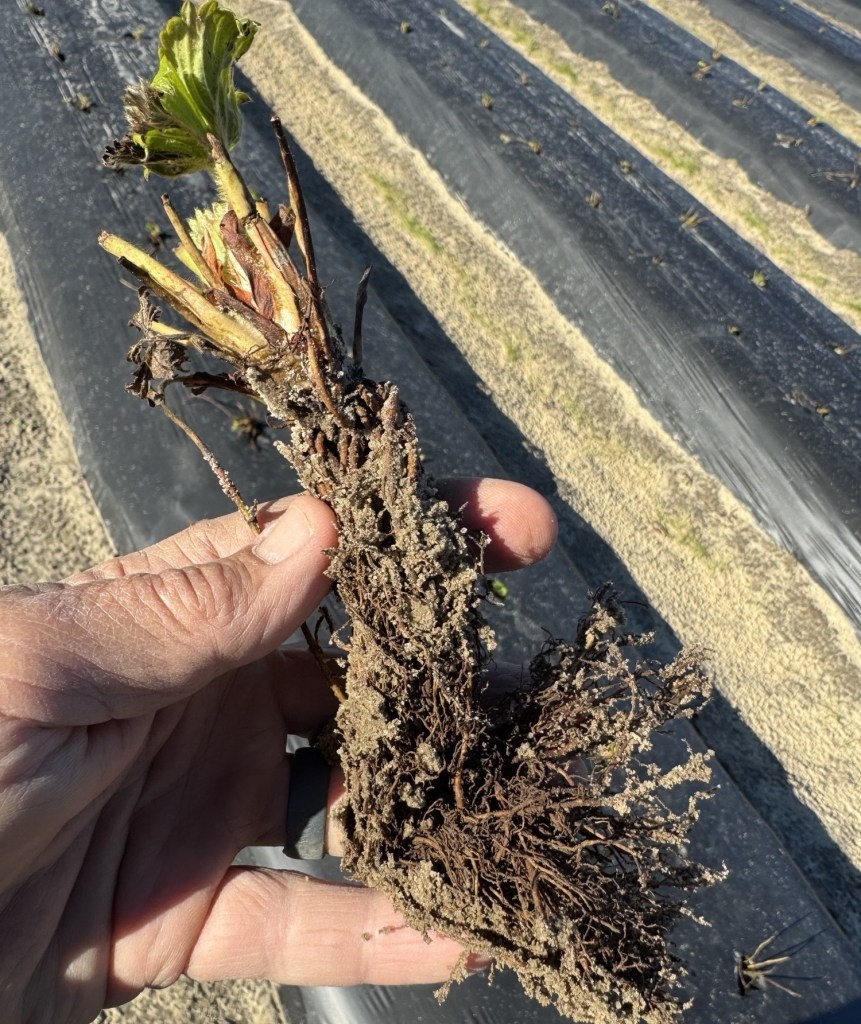
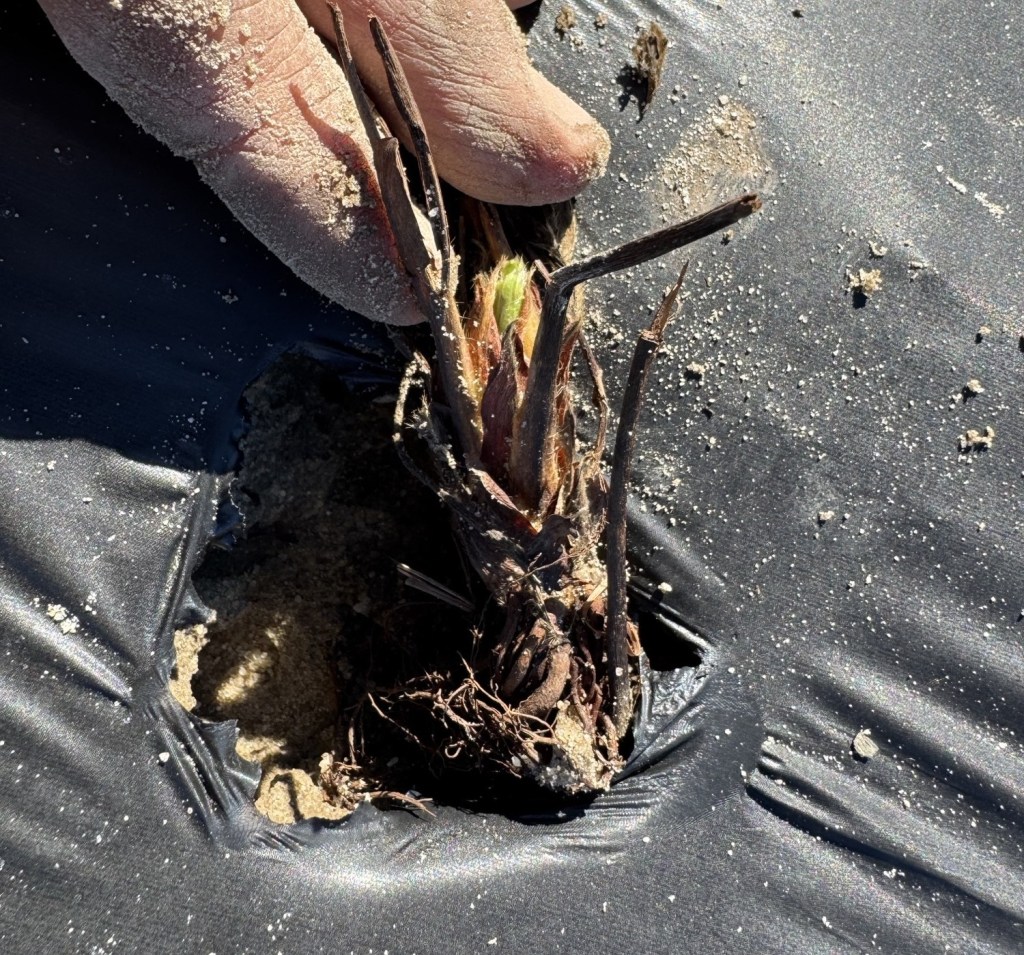
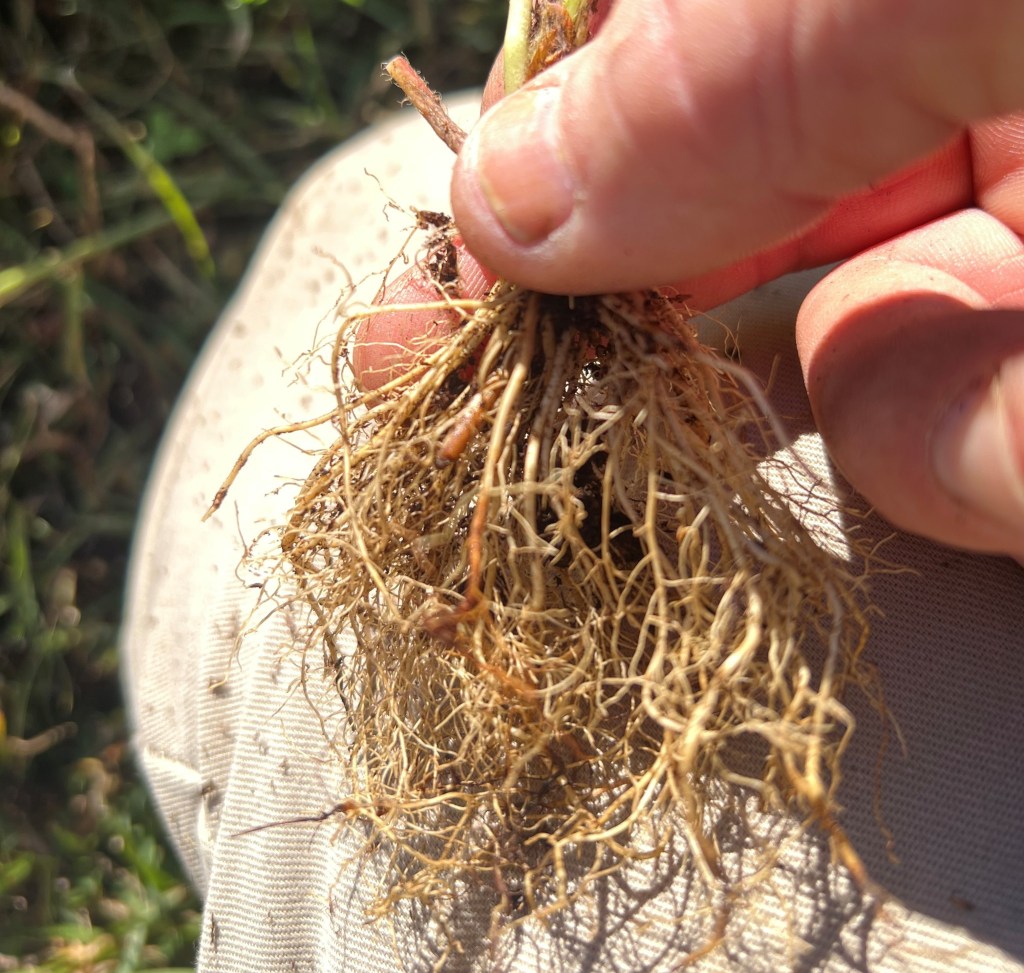
- Strawberry planting is going along at full pace. Most plants are in, but there are still quite a few yet to plant. Like every year, I continue to see problems with planting (J-rooting and plants being planted too high). J-rooting can cause poor establishment and growth, and definitely affects yield. But planting too high can be even worse. Planting too high can cause plant loss initially by drying the plant out. Other problems include poor establishment, poor growth, lack of branch crown development, loss of plants to cold temps, greater susceptibility to drought injury, yield loss, and possibly a few other things. It is about as bad as planting too deep. Watch your planters and make sure they are planting the strawberry plants properly. You have a lot of money invested in this crop to leave it to chance. Problems like this don’t fix themselves.
Upstate Report
Andy Rollins
- We’re still in strawberry inspection mode here in the Upstate. A few growers planted last week, with only a few left to plant. Most growers have already planted on time; I would consider September 21st- October 15th the recommended time frame. I have inspected many plant sources and plant types and found plenty of phytophthora across all types. In plugs, I have found many leaf spots, some resembling Neopest, others resembling phomopsis or other leaf spots. Many growers dipped in Switch or at least sprayed over the tops of plants in plug trays before planting. Some didn’t, but then found they needed to spray ahead of the last rain that was 3-5 inches over Saturday and Sunday two weeks ago. Later plantings haven’t needed foliar applications, as the weather hasn’t been conducive to disease.
- Growers need to monitor plants and assess whether leaf spots are spreading from old to new leaves. If this is happening, they need to spray. All growers in the upstate of SC should use Orondis Gold or Ridomil two weeks after planting. I have found plenty of root rot across all sources, warranting these applications.
- I am concerned about these late plantings, especially the cutoff plants. So far, these plants have started growing quickly, but the night temperatures in the low 40s have slowed growth. These plants need to be established before winter, and typically require about 1 month of decent growing weather beforehand. This is the time to grow the plant rather than waiting until the spring, when plants are in fruiting mode. Please consider that you may need to cover this fall to get the needed growth on these later plantings. Especially if night temperatures go any lower.
Question of the Week
Which species of butterfly is this?
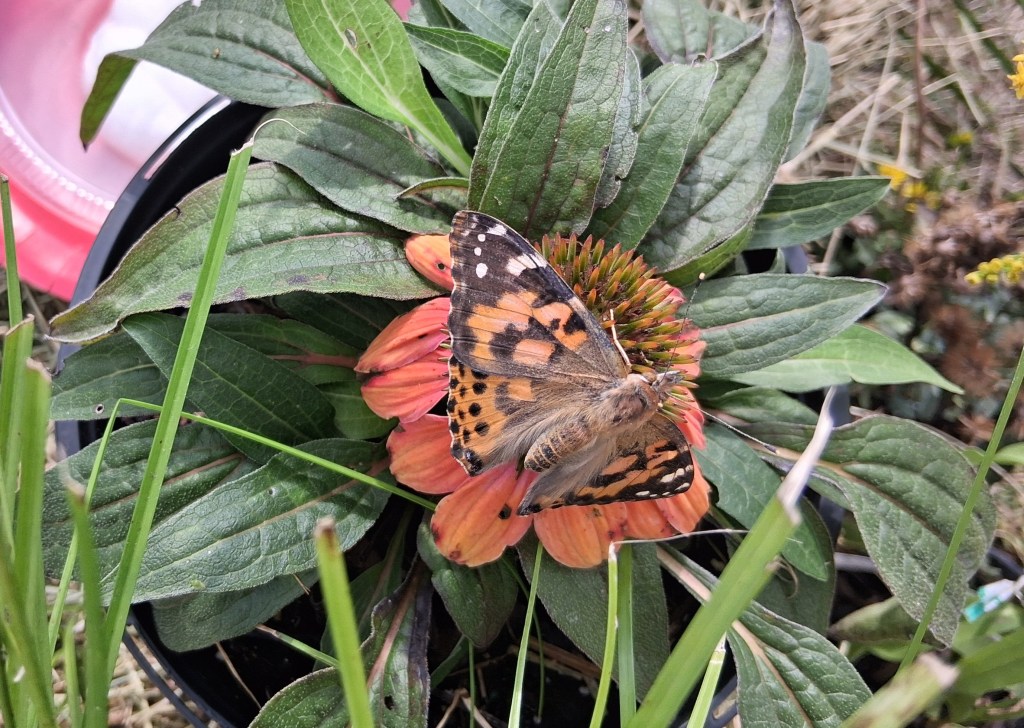
Answer in the comments below and check back on Thursday to see the answer.
Don’t forget to look at the Resources tab for links to crop handbooks, helpful websites, and related blogs. Have a great week!

