Warm-season crops were finished off by the cold across much of the state. Meanwhile, cool-season crops like greens, herbs, and onions are looking great. Growers are now assessing strawberry growth to determine whether row covers are needed to accelerate development.
Key Takeaways for Growers This Week
- Freezing temps occurred in much of the state – Warm-season crops are done
- Cool-season crops look great – Insect and disease pressure has been low
- Assess strawberry development now – 2 crowns developed is ideal right now
- Pecan size and nut fill is poor in places – Due to drought in late summer
Midlands Report
Rob Last
- After the colder conditions over the weekend, temperatures are set to warm later in the week.
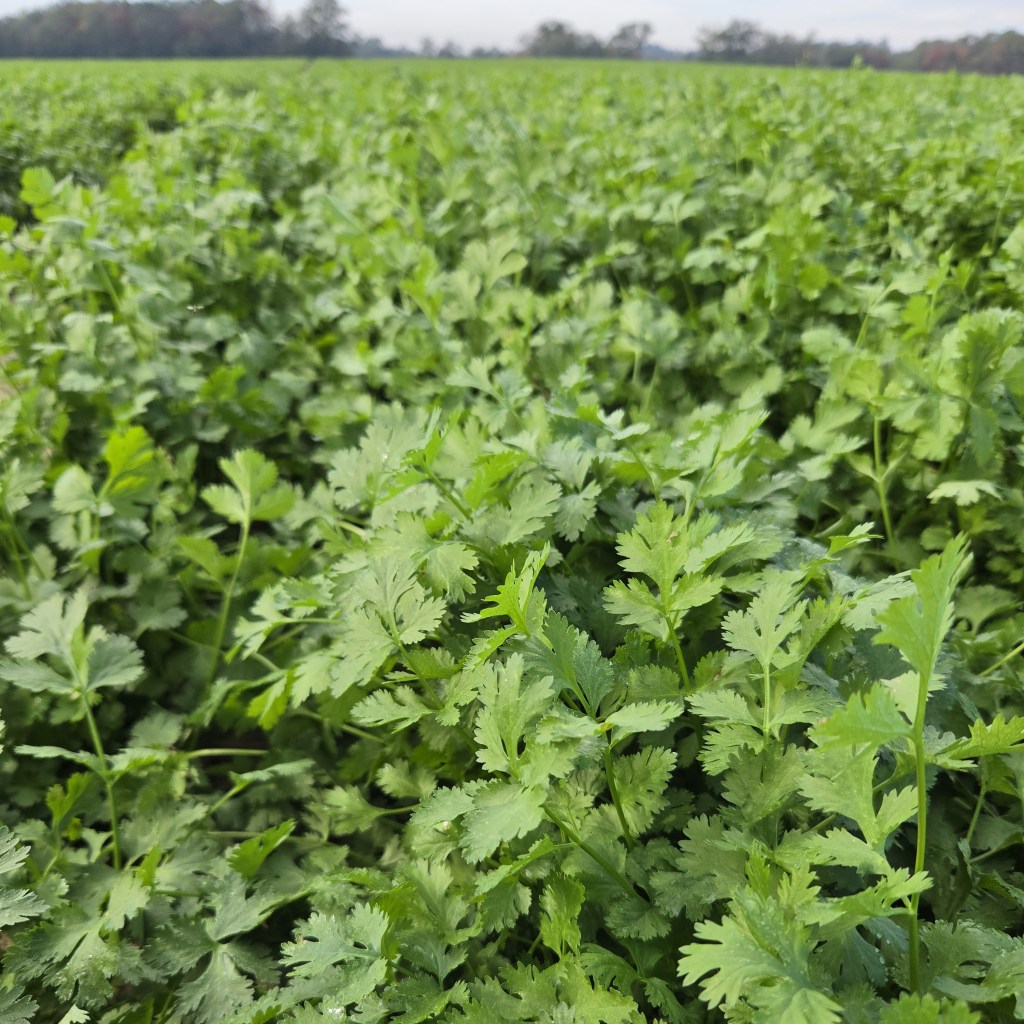
- Brassicas look great with few issues. I expect some purpling to be observed in response to reduced phosphorus uptake. The purpling will reduce as temperatures increase and P uptake resumes.
- Strawberries are developing well. I am seeing some issues with J rooting from planting.
- Keep scouting for pests and diseases. Levels remain low, but keep monitoring.
Pee Dee Report
Bruce McLean
- Well, it is getting to the time of year when cold weather becomes more and more prevalent. Looking at the temperatures around the Pee Dee over the last couple of mornings, I saw a few sub-32°F readings. I think we can say that 2026 warm-season crops are finished, unless there are some in high tunnels or greenhouses.
- The Pee Dee is pretty dry. We could definitely use some rain. Looks like there may be a decent chance for rain on Saturday and Sunday. Other than that, temperatures should moderate throughout the week. Our next cool down will likely be early to mid next week.
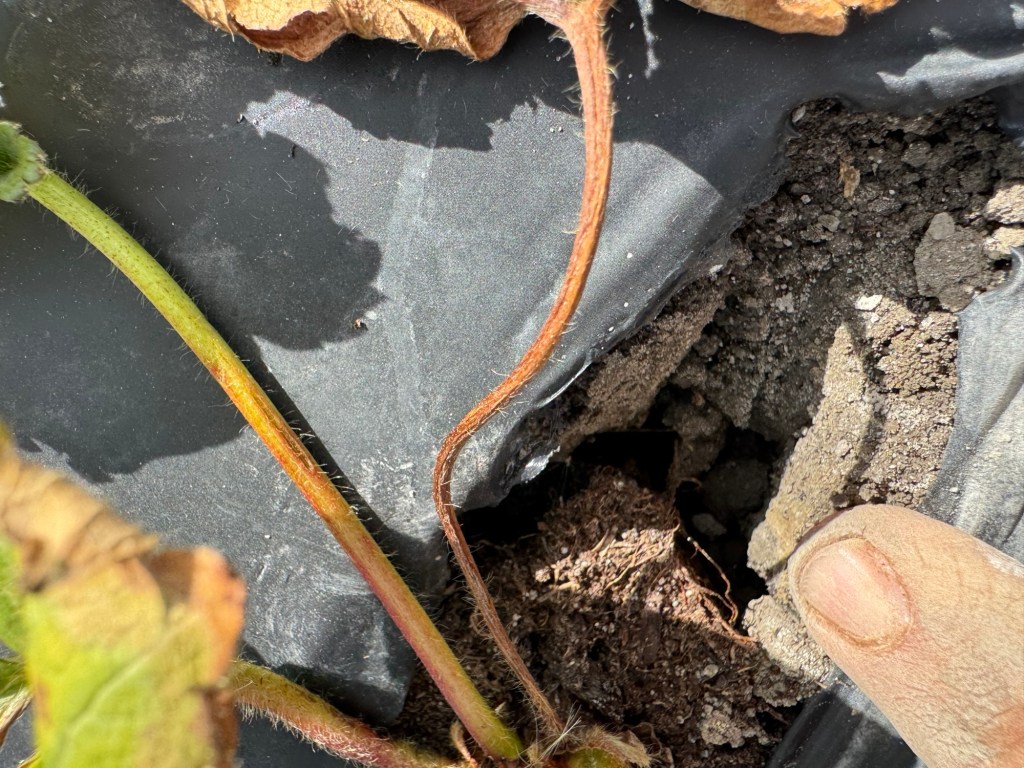
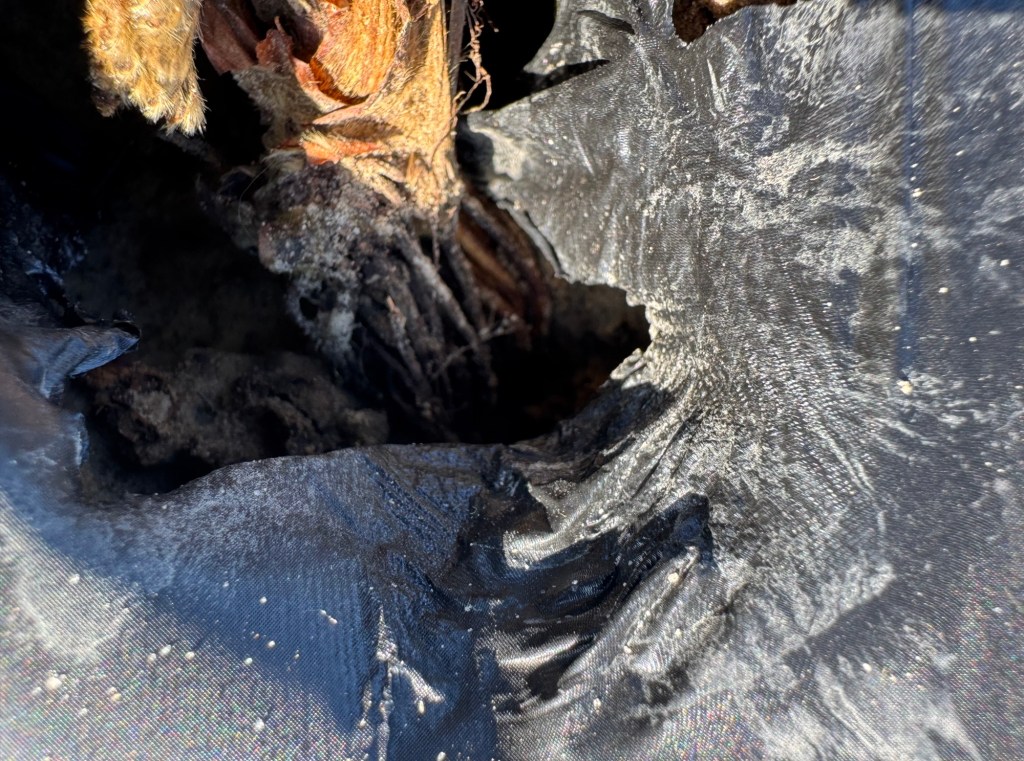
- Strawberries are looking good for the most part. San Andreas (day-neutral variety for fall and winter production) is picking well, with good volume and quality. Other varieties (for spring production) are growing well. The mild temperatures have allowed the plants to grow pretty steadily. This cold spell may slow them down for a little bit, though. Leaf disease and spider mites have been minimal so far. Root rot has been a lingering issue with some plants. Most everyone that I have spoken with has run either Ridomil or Orondis Gold through the drip, so hopefully that will clean up the root rot. I have seen a little bit of Phytophthora crown rot on a couple of farms. The plant loss I have seen can be attributed to root rot, crown rot, weak plants or poor planting practices (primarily air pockets). J-rooting has been widely seen around the Pee Dee. A sure-fire way to reduce your yield is to allow your planters to j-root plants.
- Brassicas are still growing well. Collards, cabbage, broccoli, mustard, turnips, rutabagas, and kale are harvesting with good volume and quality. Cauliflower and Brussels sprouts shouldn’t be too far from the beginning of harvest.
- Onions are being planted now. Those planted a couple of weeks ago are looking really good. Swiss chard and spinach are looking good as well.
- Pecan harvest has been a bit disappointing for some folks around the Pee Dee. Poor sizing and poor nut fill are pretty common for non-irrigated trees this year. Dedicated irrigation for pecan trees is necessary for more “consistent ” yields and improved quality. Pecan weevil damage seems to be relatively light this year on untreated trees.
Upstate Report
Andy Rollins
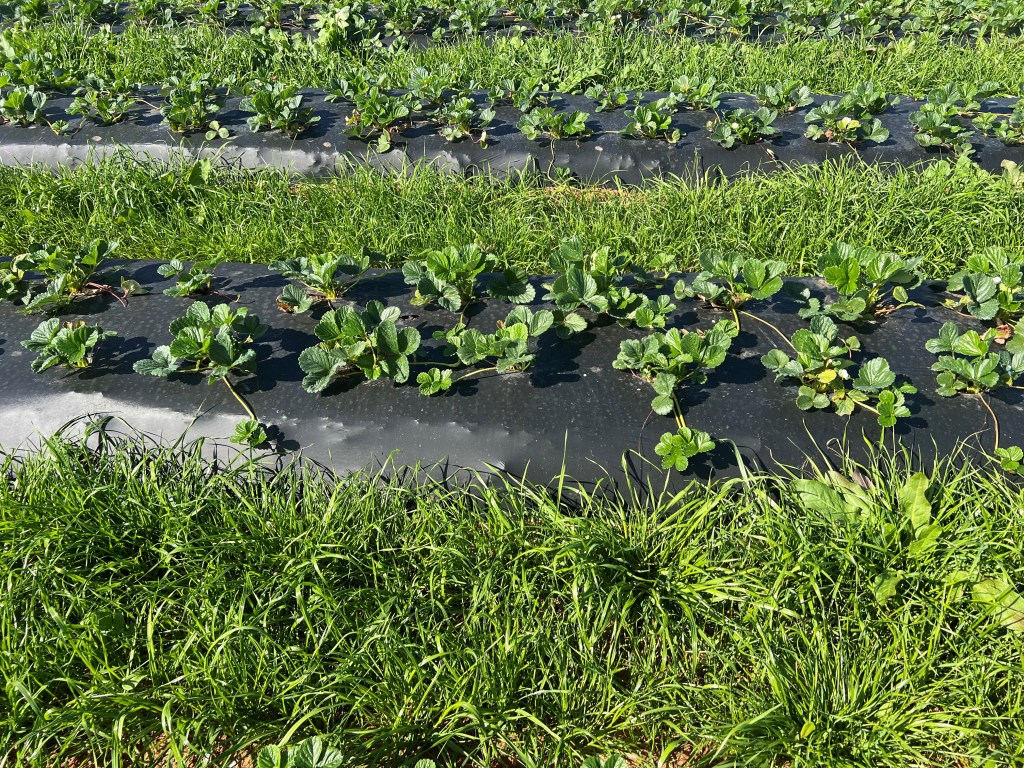
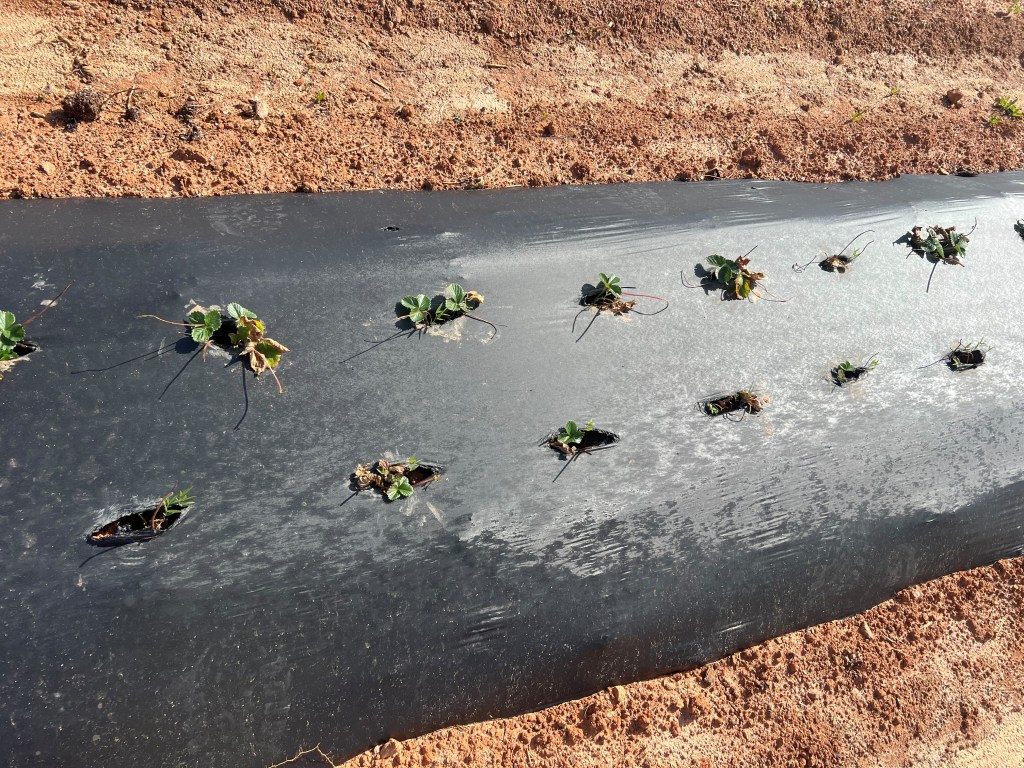
- Low temperatures this week are forcing some growers to make important decisions now that will affect their strawberry yield potential in spring/early summer. I’ve included two pictures for evaluation. In the first photo, the larger plants shown do not need row covers to get additional growth this fall, but the other does. Additionally, these plants are now averaging 2-3 crowns, a little bigger than I would like. The second photo shows single-crown plants that are not yet fully rooted. This farm definitely needs to cover to get more growth. At this point, we would like to have an average of 2 crowns per plant. To count your crowns, you need to open up the plant canopy to view the center of the plant. Look at where new leaves are coming from. Each location from which new leaves emerge is a separate crown. The reason for covering now is not to protect the plants from freezing temperatures, but to raise the temperature around them and encourage more growth. Fewer crowns going into the spring means lower production. In the spring, single-crown plants will produce fruit quicker than a larger plant’s. Those fruits will typically be larger, but the total yield will suffer greatly.
- Peach-wise, many growers are applying ethephon 2 sl/etherel at 7 fl oz per 100 gallons with a surfactant on their trees. These products break down and release ethylene. When these products are applied now to unpruned trees, they delay the spring bloom by 5-7 days. This practice sometimes helps with spring freezes.
- Some growers are also spraying Initiate/Bravo (chlorothalonil) now on varieties where they had severe phomopsis twig blight. This disease spreads in fall, but symptoms don’t appear till spring. If temperatures stay cold, applications at this point wouldn’t be helpful. If we have higher temperatures and rains, this may be needed, but only in known problem areas. Phomopsis twig blight can easily be identified, as it kills twigs in spring (they become white and produce small black fungal reproductive structures in the fall and winter). Even if you don’t spray, these need to be pruned out over the winter.
Question of the Week
What is this big-eyed critter?
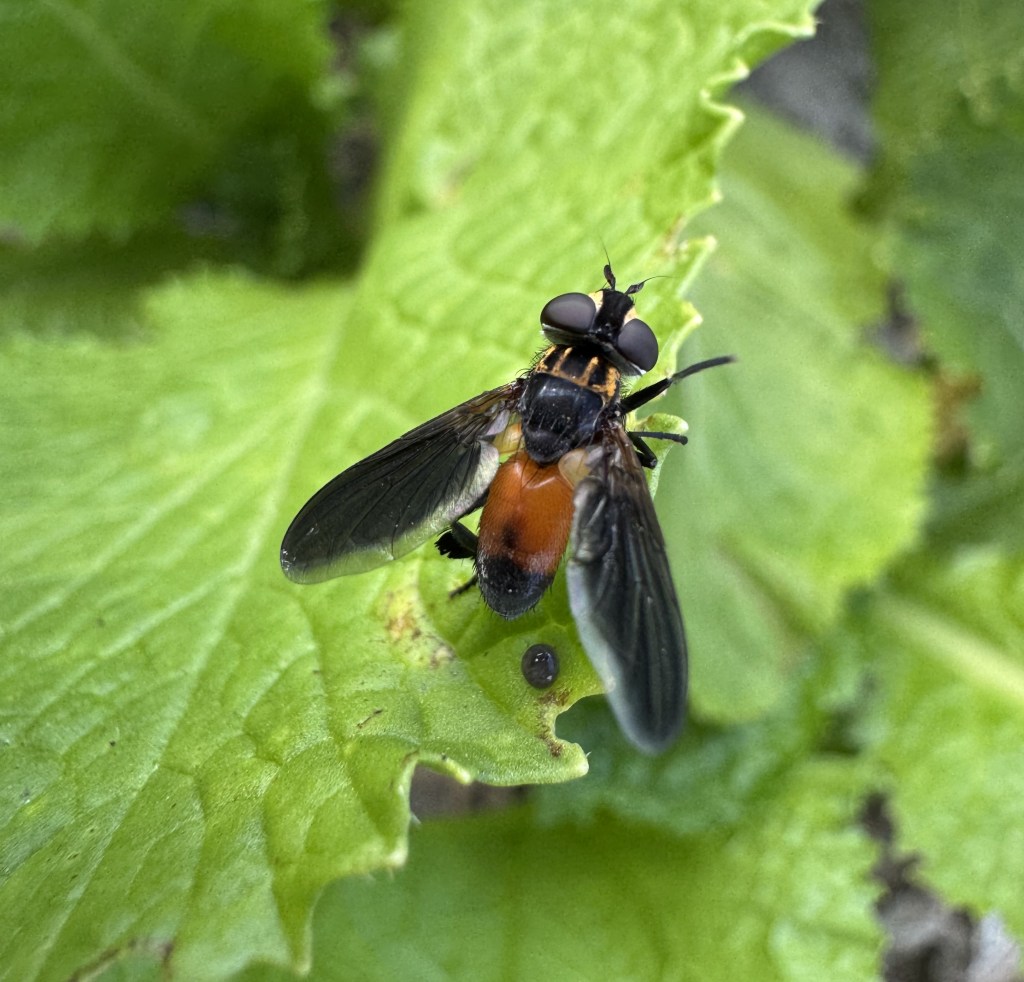
Answer in the comments below and check back on Thursday to see the answer.
Don’t forget to look at the Resources tab for links to crop handbooks, helpful websites, and related blogs. Have a great week!

