Guido Schnabel, Clemson Extension Plant Pathologist
I have published the 2027 South Carolina strawberry spray strategies for the three major diseases: Botrytis fruit rot, anthracnose fruit rot, and Neopestalotiopsis fruit and crown rot, often called Neo-P. Below is a summary. The article’s central message is that growers have fewer dependable fungicide options than they once did, so sprays need to be timed carefully to preserve the effectiveness of these products against resistance.
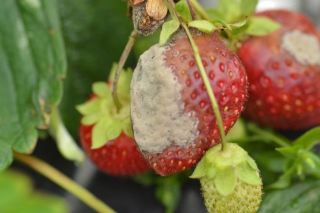
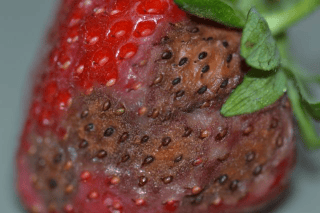
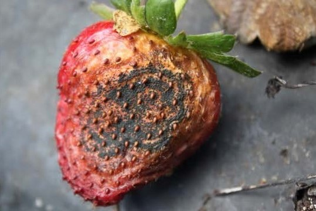
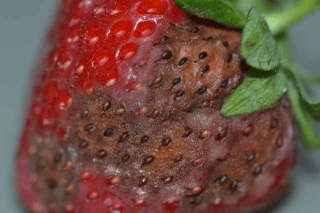
Botrytis fruit rot (BFR; left), Anthracnose fruit rot (AFR; middle) and Neopestalotiopsis fruit rot (Neo-P; right) of strawberry.
Botrytis gray mold is a disease growers can expect to manage every year. Anthracnose and Neo-P may or may not show up; the condition of transplants is an important factor, as infected plants can introduce these pathogens into a field. Start with the cleanest transplants available and monitor for any disease symptoms after planting.
Captan is the backbone of the recommended program. Captan is a reliable, broad-spectrum fungicide that helps manage all three diseases and has a low risk of selecting for resistance. Use Captan with selected higher-risk fungicides when conditions favor disease. Always check the specific product label for rates, seasonal limits, and tank-mixing directions.
Switch and Miravis Prime remain valuable, especially against Botrytis, but should be used carefully. Both contain fludioxonil (FRAC 12), so their applications count toward the same annual fludioxonil limit. Using one reduces the amount of the other that can be applied. Switch also shares an active ingredient, cyprodinil (FRAC 9), with Inspire Super. Keep a record of all applications and check the labels when adding up seasonal limits. Fungicide labels list FRAC numbers to help reduce reliance on any one fungicide group.
For fields with apparently healthy transplants and no suspected anthracnose or Neo-P, a fall fungicide spray may not be needed. One exception is before covering plants for an extended period to encourage growth: moisture and warm temperatures under the cover favor disease. In spring, use a 10- to 14-day interval, adjusted for weather, with additional protection before major rain events. The intervals need to be tightened to 7 days when anthracnose or Neo-P have been confirmed.

