Category: Question of the Week
-
Question of the Week – White Mold

What’s wrong with these kale leaves? These leaves are infected with Sclerotinia sclerotiorum, the causal fungus of white mold. White mold is showing up in brassica fields now in South Carolina. Initial development is initiated when cold weather triggers sclerotia (hard, black survival structures found in the soil) to produce tiny mushrooms that release spores.…
-
Question of the Week – Grass Spiders

What created this webbing that Anna Sara found in her lawn? Early one morning the dew was lying thick on the grass and the fog was hanging heavy in the air. It reminded me of the Burl Ives foggy, foggy dew song. As the sun rose and started burning away the dense fog, I noticed some…
-
QotW Grower Spotlight – Rosebank Farms

Where is Zack this week? In this month’s Grower Spotlight, Zack is visiting a Lowcounty gem of a farm. Rosebank Farms, operated by Sidi Limehouse, is located on the far end of John’s Island and has been in business since 1975. The farm grows a variety of fruits and vegetables that supply the bustling restaurant scene…
-
Question of the Week – Cattail Seed
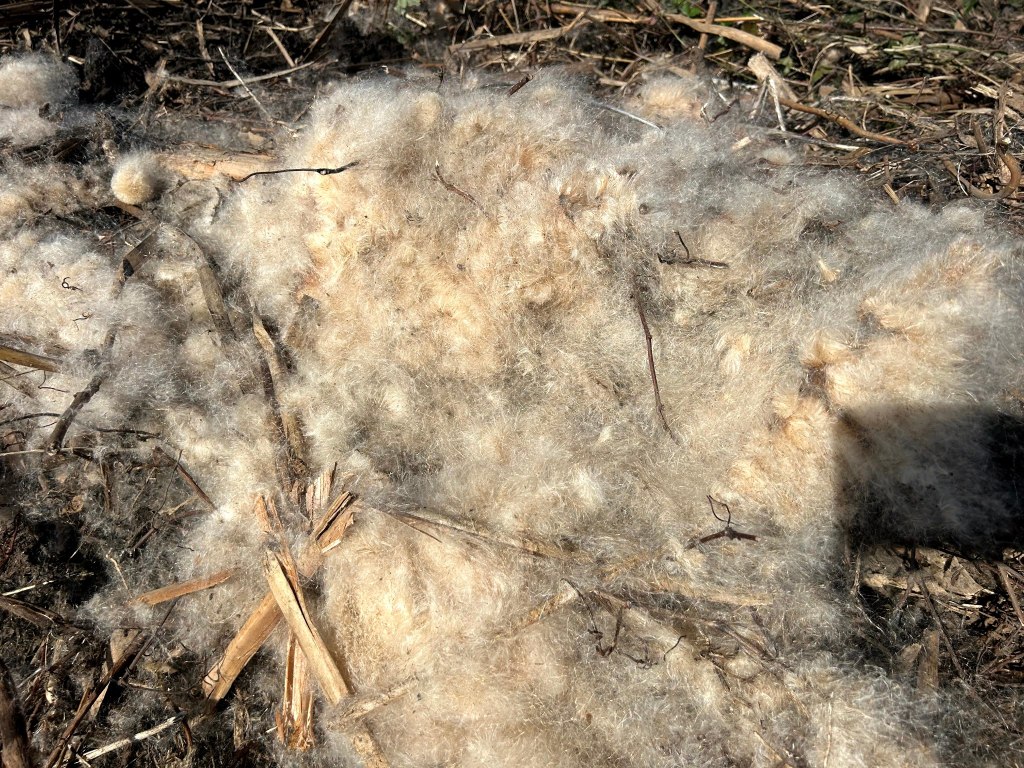
Where did this mass of fluff come from? This ball of “fluff” got my attention one day while scouting collards. I thought a bush hog had dismantled some insulation. To my surprise, when I approached the pile of fluff, I realized that it was not insulation but rather a large mass of cattail seeds. This…
-
Question of the Week – Thrips and Mites
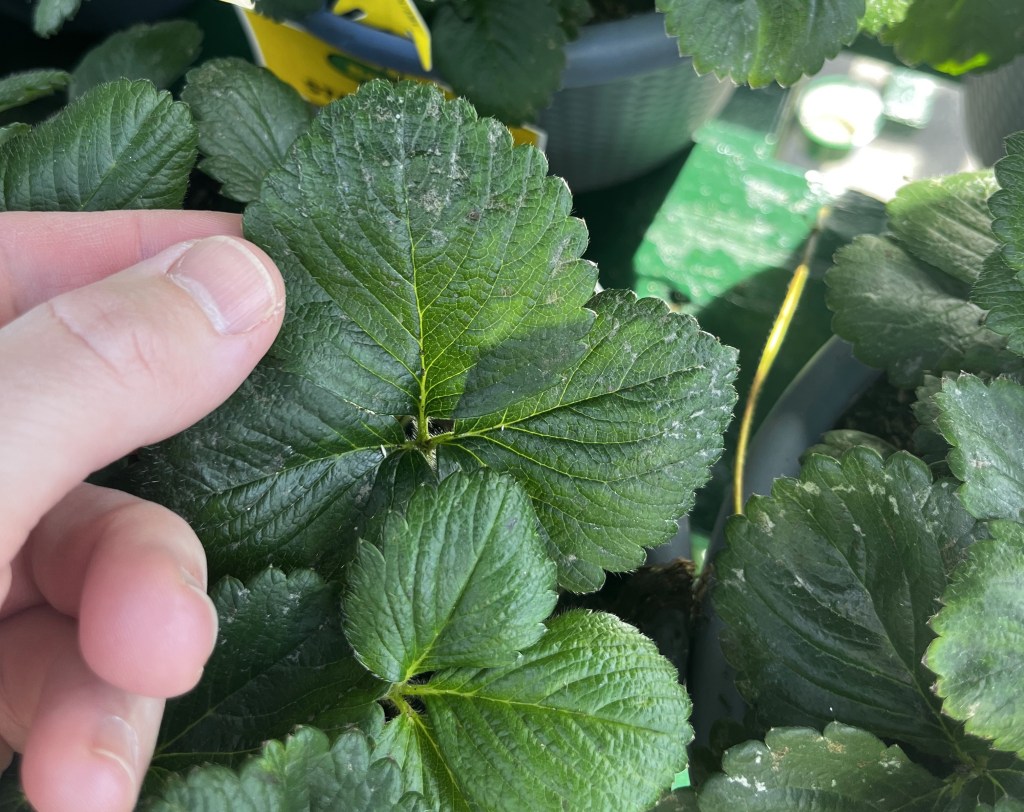
What is causing the discoloration on these strawberry plants that were found for sale at a popular chain store? The foliage of these plants shows symptoms of infestation of both spider mites and western flower thrips. Whether you are buying plants for large-scale commercial use or just for home, always check for pests—insects, mites, and…
-
Question of the Week – Cold Damage

What is wrong with the leaves of this Lacinato kale? This kale is showing symptoms of cold damage on the older leaves. Lacinato kale seems to be a little more sensitive to the cold than curly varieties like Winterbor or Darkibor. Luckily, the new growth is fine, meaning the plant will grow out of this…
-
Question of the Week – Minute Pirate Bug

What is the tiny critter on this pumpkin blossom? This tiny black and white insect is a minute pirate bug (Orius insidiosus.), also called the insidious flower bug. Minute pirate bugs are beneficial insects and are excellent predators of small soft-bodied pests, such as thrips, mites, aphids, whiteflies, scale, and even small caterpillars. They are…
-
Question of the Week – Lacewing Larva
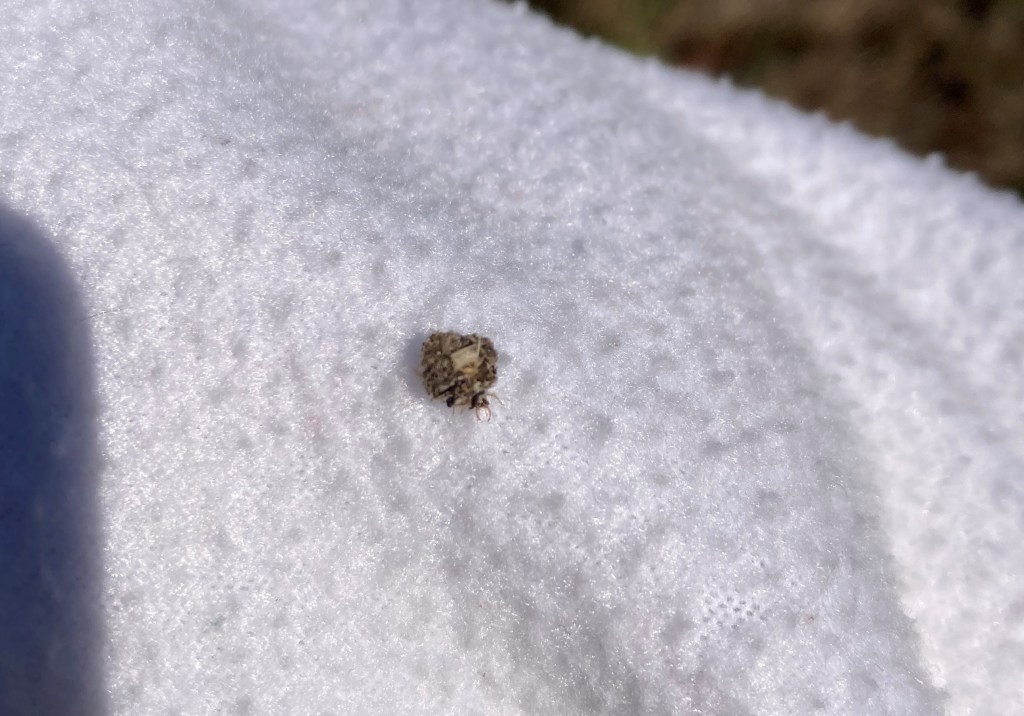
What is this little critter? This is a lacewing larva, often called a trash bug or garbage bug. They collect insect molts, dead insects, bits of leaf debris, bark, lichens, spider webs, and other material from their environment. The material is woven and tied into a hemispherical mass and carried on their backs. The larvae…
-
Question of the Week – Pomelo
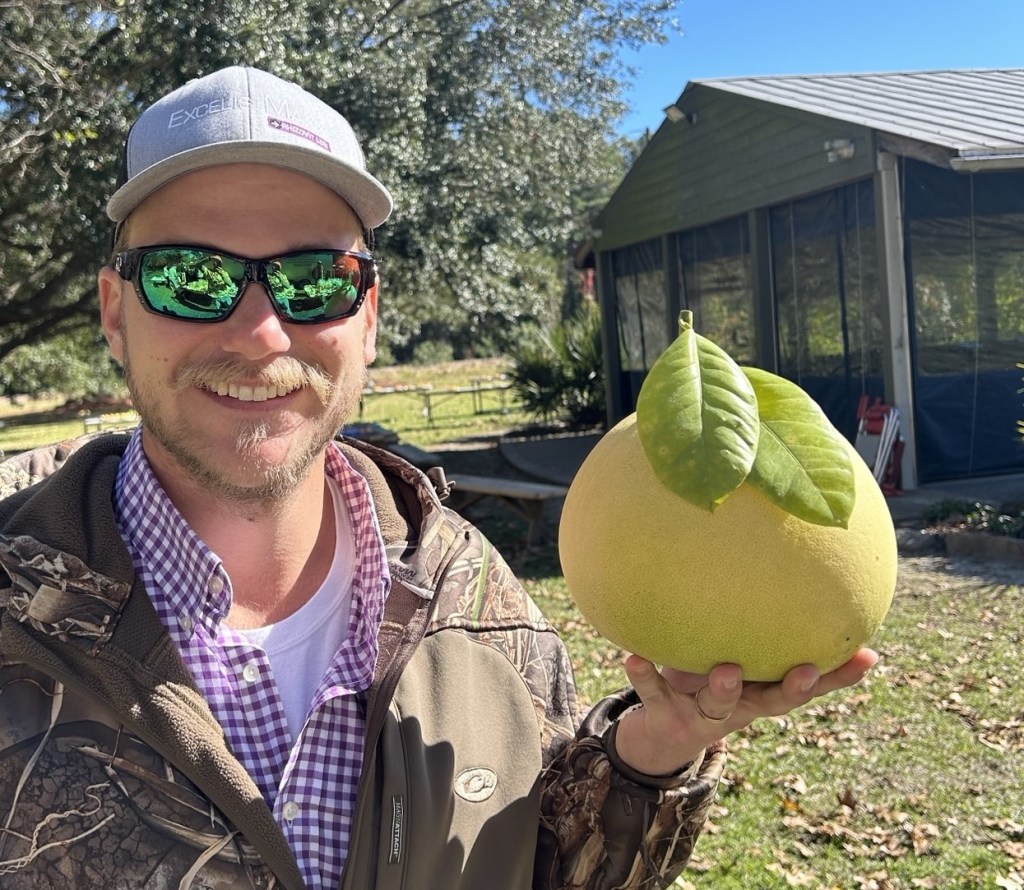
What is this giant fruit at the SE Citrus Expo? Our good friend, Blake Brown, is holding a pomelo (Citrus maxima), which is the largest cultivated type of citrus. At the 2024 Southeast Citrus Expo in Charleston last weekend, Madison Citrus Nursery brought hundreds of species of citrus for attendees to marvel over and taste…
-
Question of the Week – Spined Soldier Bug

What is happening to this caterpillar? This caterpillar is being preyed on by a spined soldier bug(Podisus maculiventris). Spined soldier bugs are a beneficial species of stink bug. They are excellent predators of over 90 species of pest insects, including many common caterpillar and beetle pests. Spined soldier bugs can be identified by their pointed…

