Tag: Disease
-
South Carolina Field Update (October 26, 2026): Strawberry Planting Continues
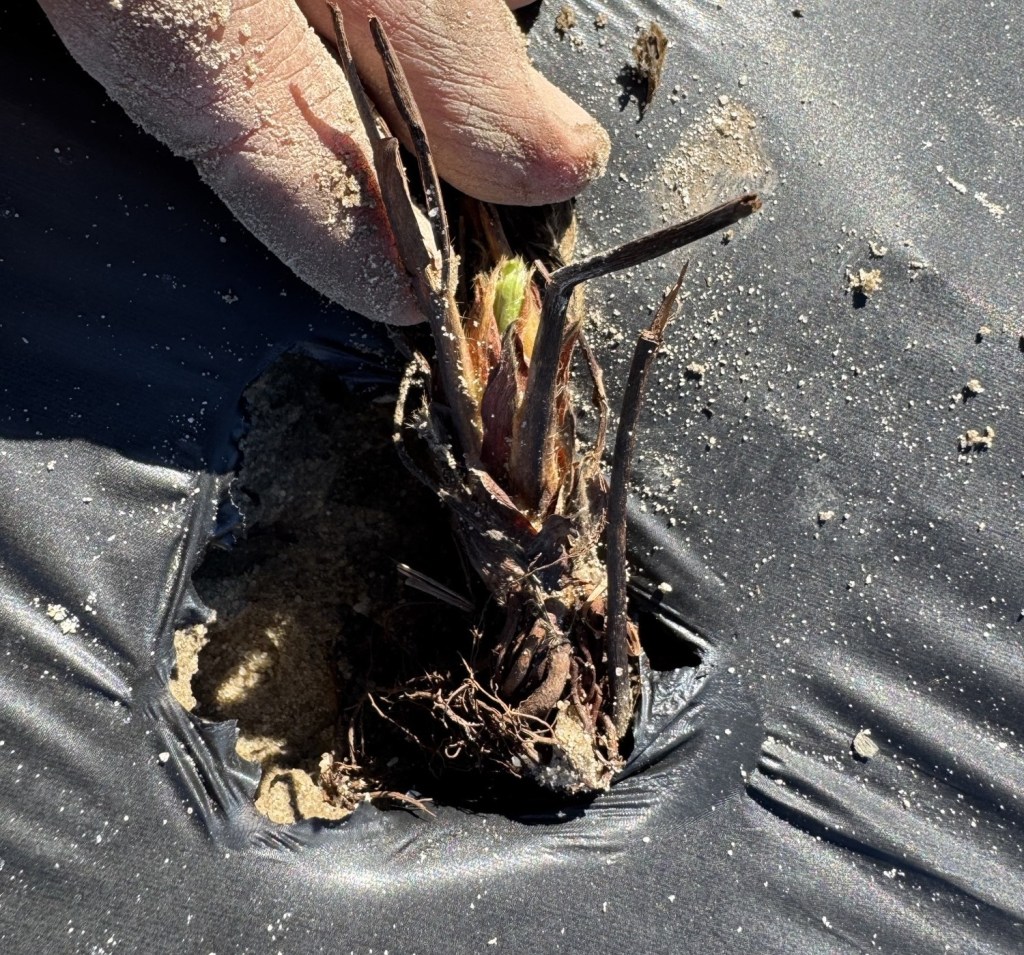
Strawberry planting continued last week and should start to wrap up this week. The weather so far has been great for planting, though growers should be cautious about plants drying out since we don’t have much moisture in the forecast. Other fall crops are looking great. Key Takeaways for Growers This Week Strawberry planting continues…
-
South Carolina Field Update (October 19, 2026): Fall, is that you?
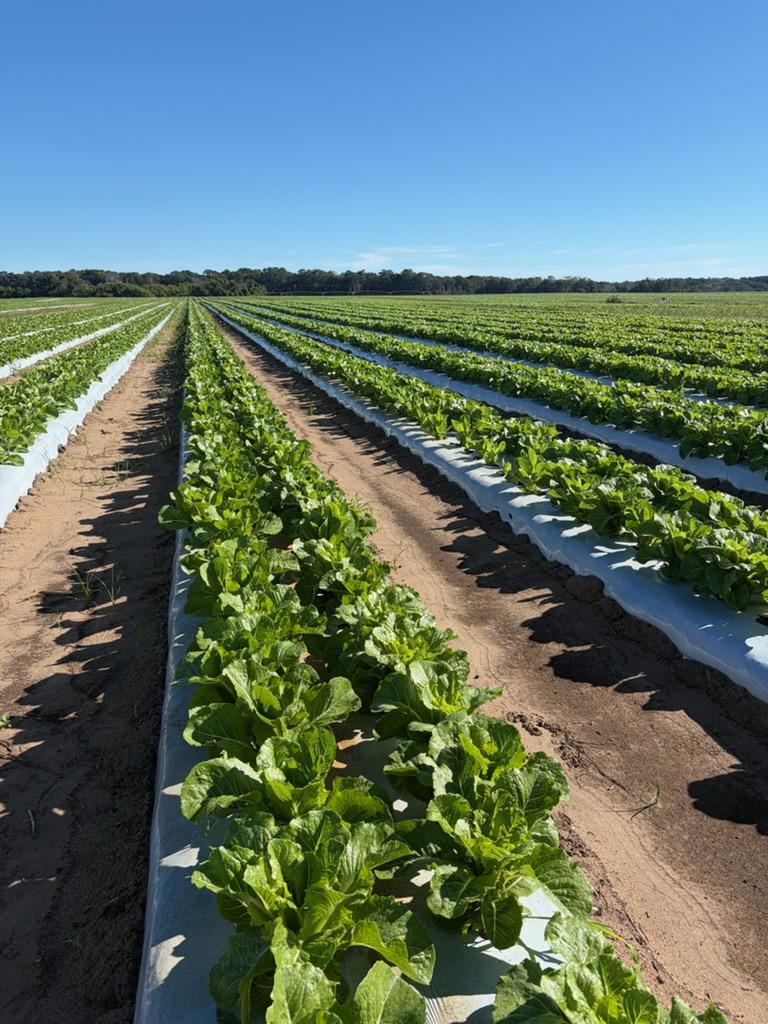
Cooler temperatures have arrived and the break from the heat is welcomed. Armyworms and fire ants are on the rise so keep an eye out for pests and act quickly if you find either in your fields. New training resources for strawberry planting crews were published recently, including English and Spanish-language planting videos. Key Takeaways…
-
South Carolina Field Update (October 12, 2026): Hurricane Isaias Brings Rain As Strawberry Planting Begins
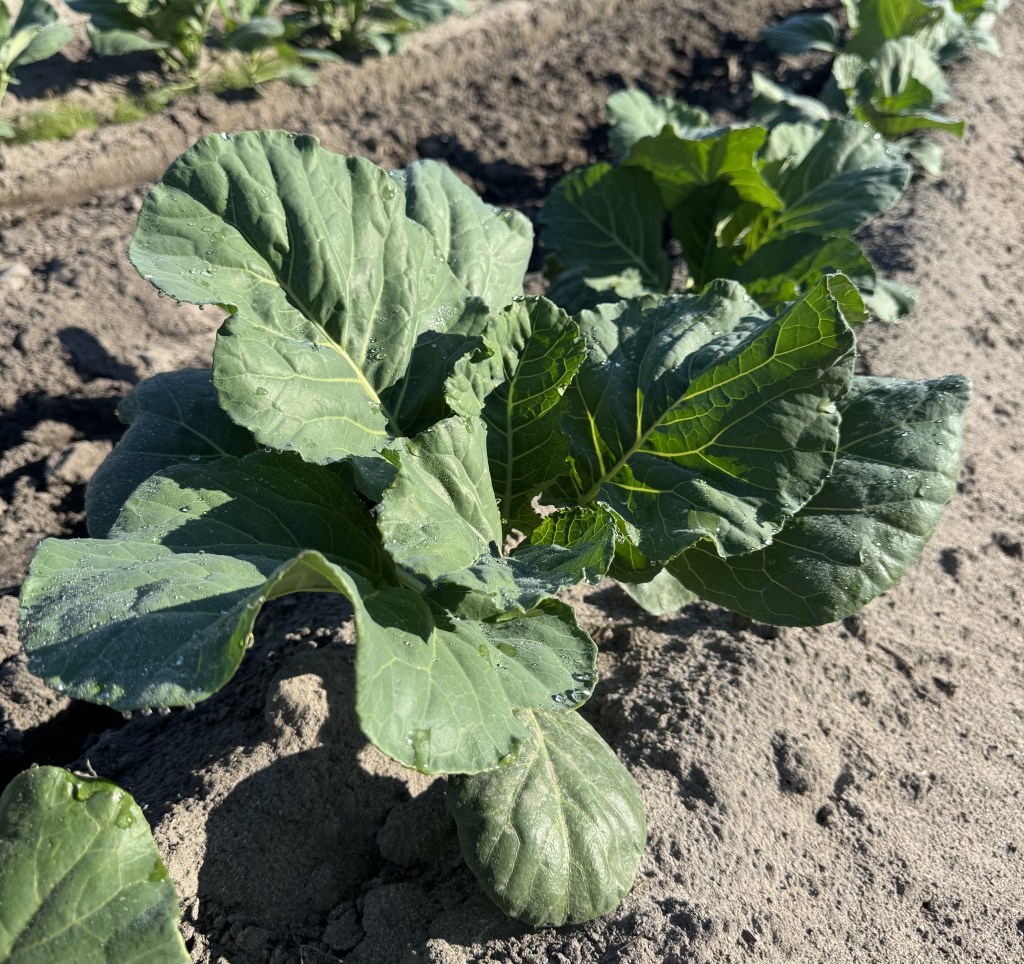
Hurricane Isaias brought some steady rain over the weekend. As a result, keep an eye on disease pressure in fall crops. Strawberry planting has begun in places. New training resources for strawberry planting crews were published recently, including English and Spanish-language planting videos. Key Takeaways for Growers This Week New strawberry planting training resources available…
-
South Carolina Field Update (October 5, 2026): Fall Weather Brings Fall Harvests
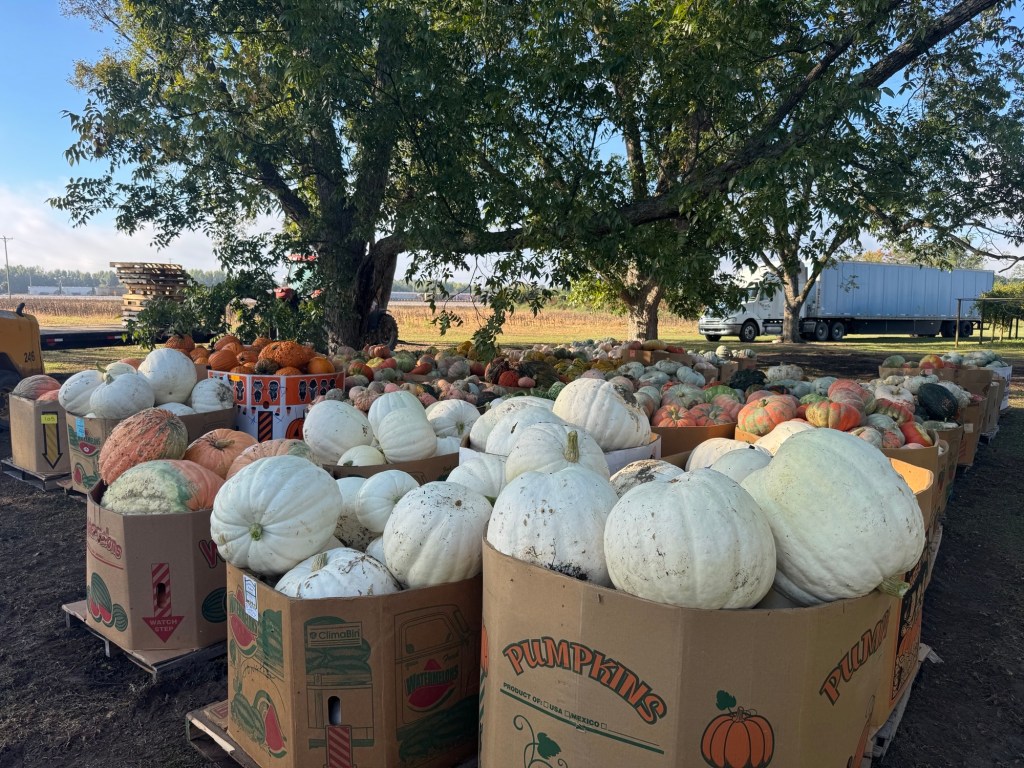
Though we didn’t receive as much rain as we expected over the weekend, the cooler weather has been a treat. Fall harvests of pumpkins, sweetpotatoes, squash, brassicas, and peppers are looking good. Diseases have been picking up in places on brassicas and cucurbits. New training resources for strawberry planting crews were published last week, including…
-
Question of the Week – Bacterial Leaf Blight
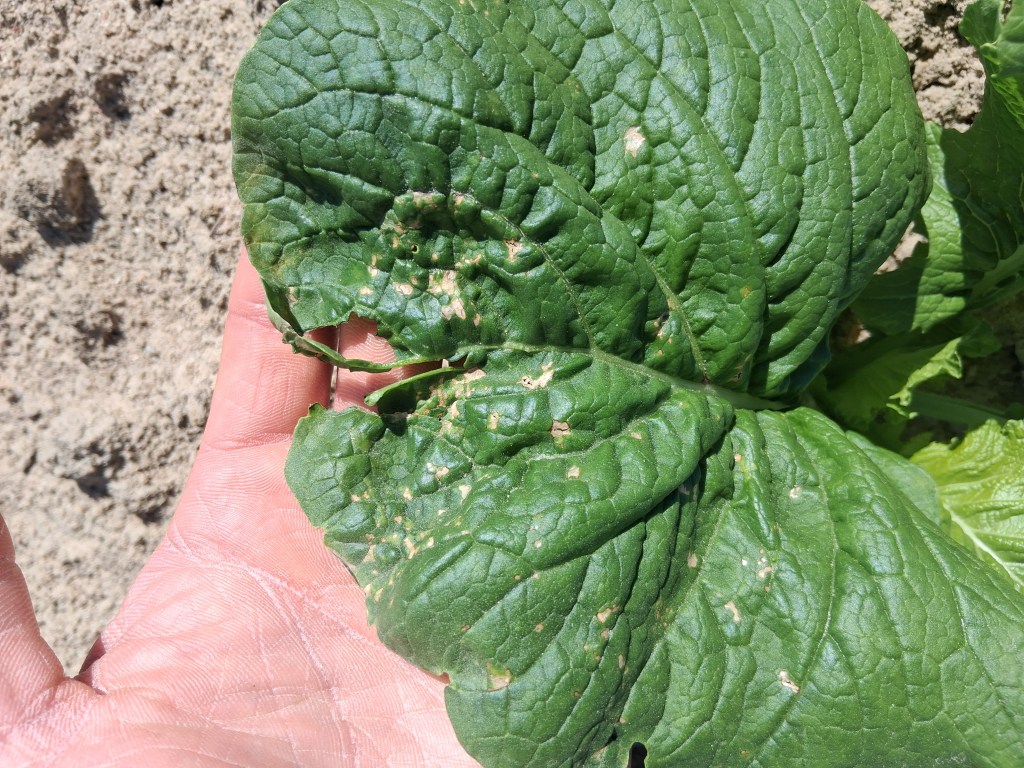
What caused the irregular necrotic spots on this mustard? These irregular spots are a symptom of bacterial leaf blight (Pseudomonas cannabina pv. alisalensis). This bacterial disease of brassicas is most serious on mustard and turnip. Bacterial leaf blight typically appears in the fall or spring and can spread to healthy plants through splashing rain. This…
-
South Carolina Field Update (September 28, 2026): Strawberry Prep Continues as Fall Temps Arrive
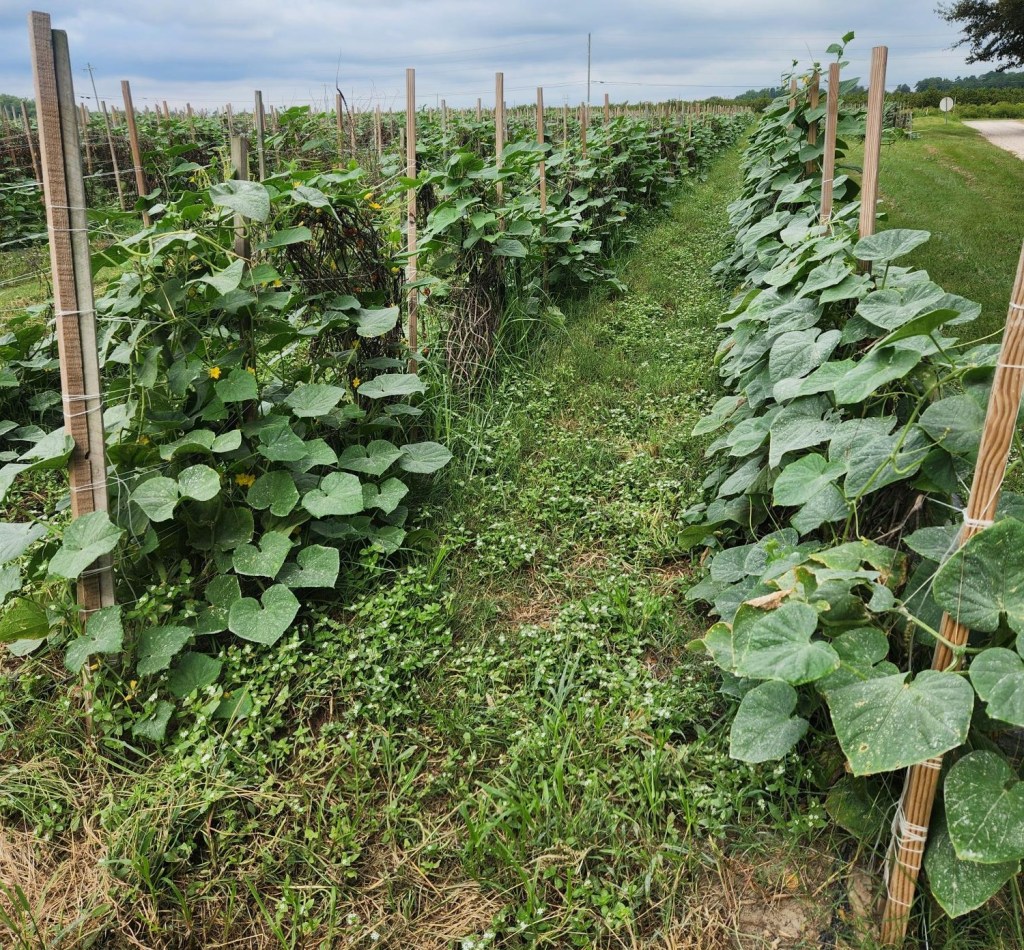
We had a beautiful week of weather and even some rain in places. Strawberry land prep continues, and some day-neutral varieties have already been planted. Disease pressure remains low overall, though some bacterial spot and powdery mildew issues are present in places. Key Takeaways for Growers This Week Strawberry field prep continues – some day-neutral…
-
South Carolina Field Update (September 21, 2026): Muscadines begin to tail off as strawberry preparations accelerate.
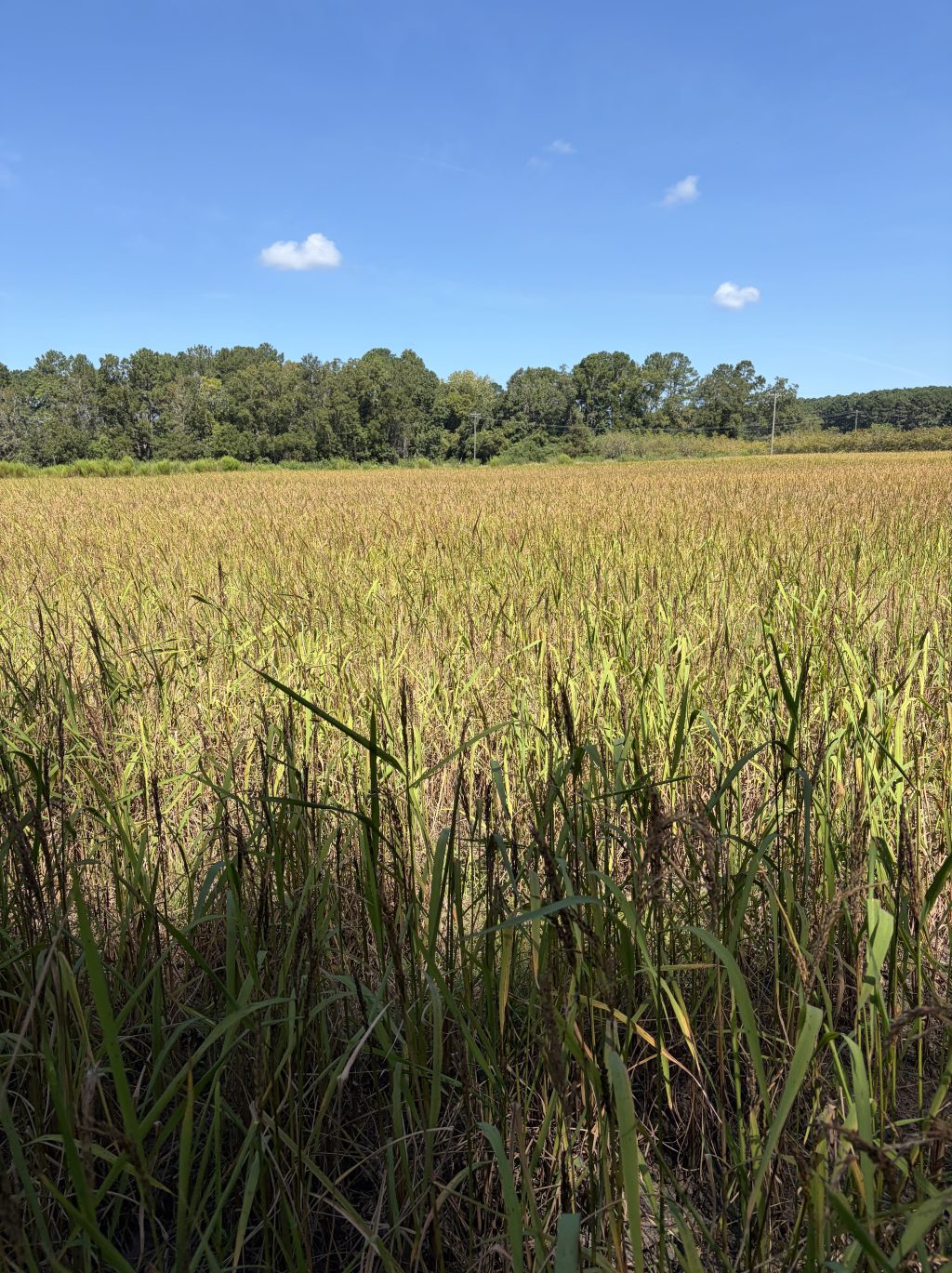
The current week has given a taste of fall, with cooler mornings. Muscadine harvesting is finishing for processing cultivars and continues for some fresh market cultivars. Fall crops are developing well with the emphasis being placed on preparing for strawberry planting. Key Takeaways for Growers This Week Muscadine harvests are coming to an end –…
-
South Carolina Field Update (September 14, 2026): Muscadine Harvest Picks Up As Apple Harvest Begins
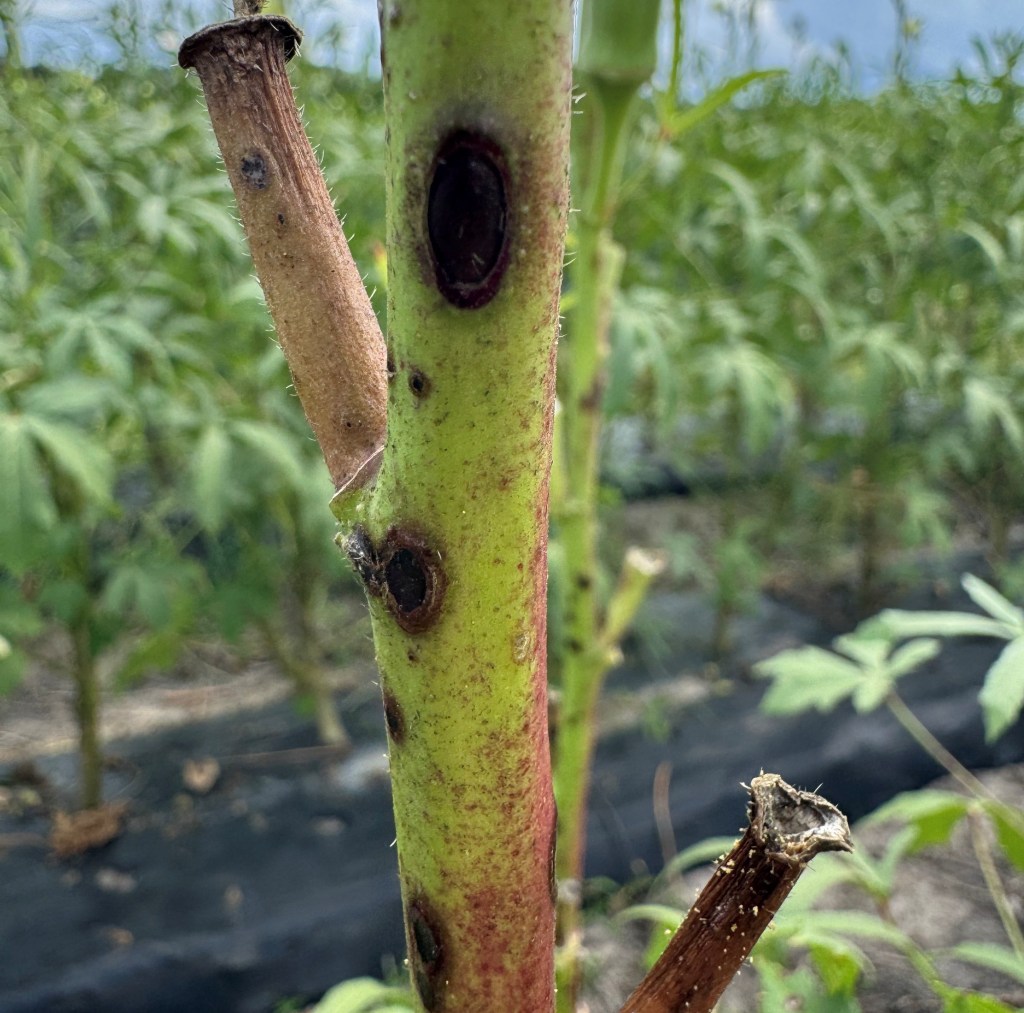
Warm temperatures persist, and scattered rain came late in the week. Apple harvest has begun in the very northwest corner of the state. Muscadine harvest is picking up with good yields and quality being reported. Disease incidence is increasing in several crops, so scout and treat accordingly. Key Takeaways for Growers This Week Apple harvest…
-
South Carolina Field Update (September 8, 2026): Labor Day Brings Fall-like Weather
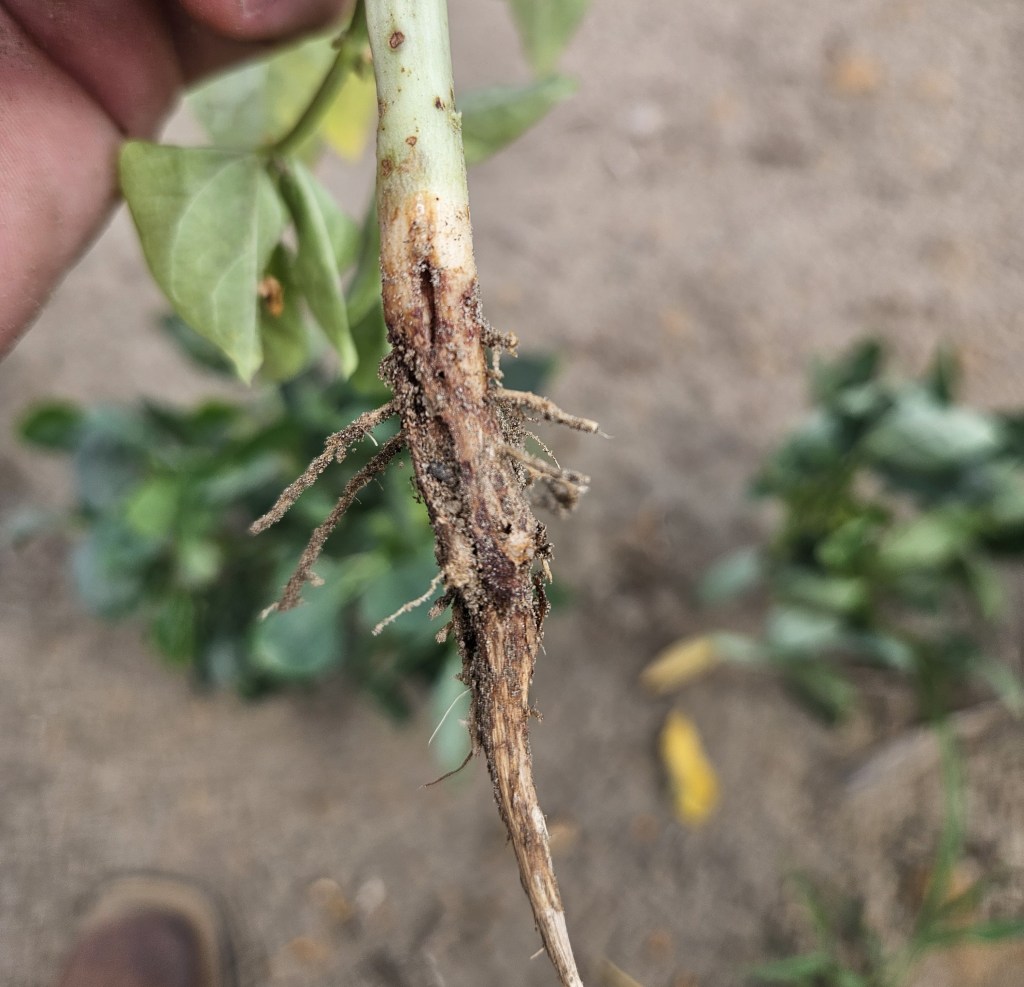
Labor Day arrived with some rain and much-anticipated cooler temperatures. Fall crops are establishing well, though we are seeing a few insect issues. Whiteflies are showing up in a number of crops. Muscadines are coming to harvest. See details below. Key Takeaways for Growers This Week Whiteflies are showing up – scout peppers and cucurbits…
-
Crop Rotation to Manage Cottony Leak on Pickling Cucumber
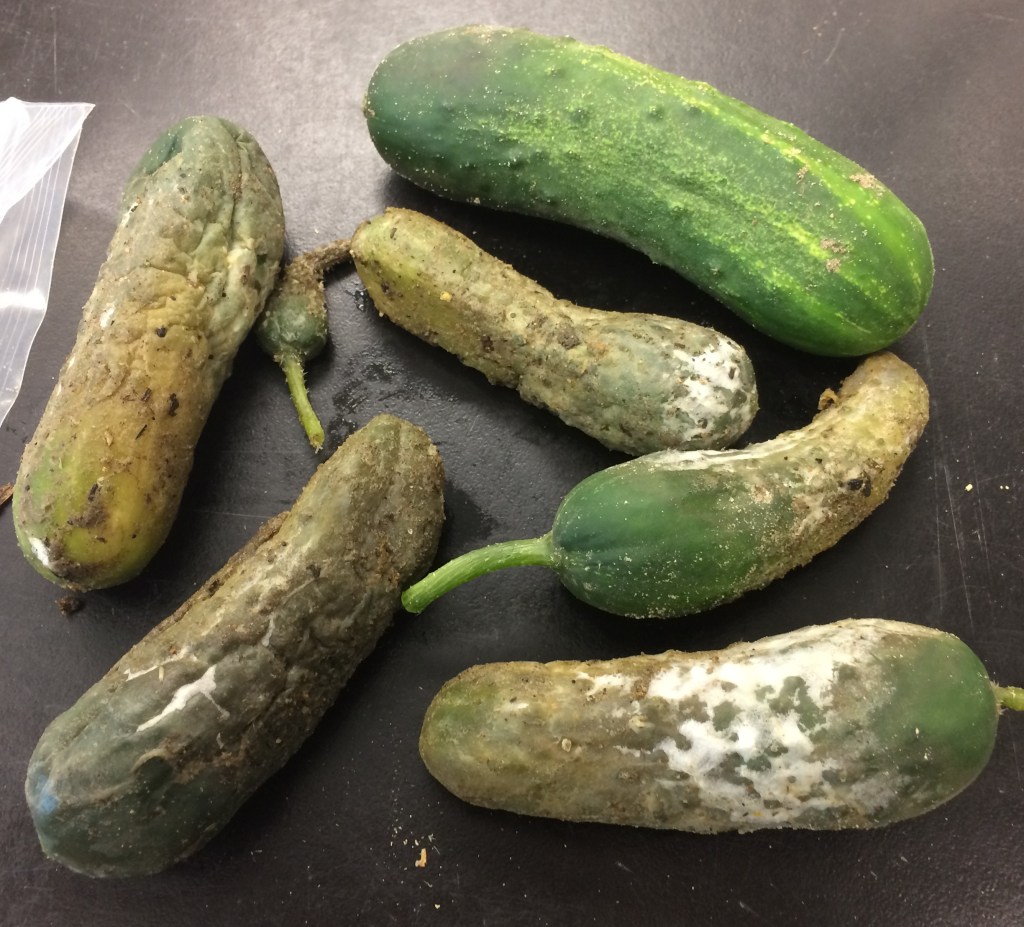
From Clemson Plant Pathologist Tony Keinath Key Takeaway for Growers: Grains or grasses cropped 1-2 years before pickling cucumber can help reduce cottony leak. The acreage of pickling cucumber fluctuates in South Carolina. Growers who are growing or considering growing this cucurbit should be aware of three fruit rots that are difficult to control with…

