Tag: cucurbit
-
Question of the Week – Creeping Cucumber
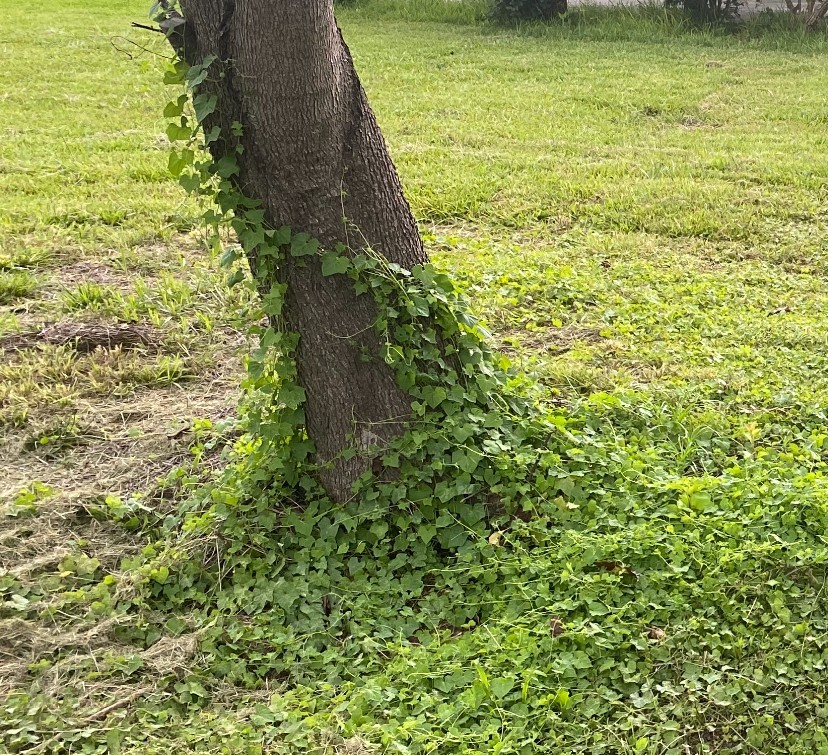
What vine has covered the ground and is crawling up this tree? This vine is creeping cucumber (Melothria pendula). It’s in the cucurbit family, most closely related to cucumbers and melons, and native to the southeastern US and Mexico. The green, unripe fruit is generally considered safe to eat and tastes like a strong cucumber. However, the…
-
Question of the Week – Pickleworm
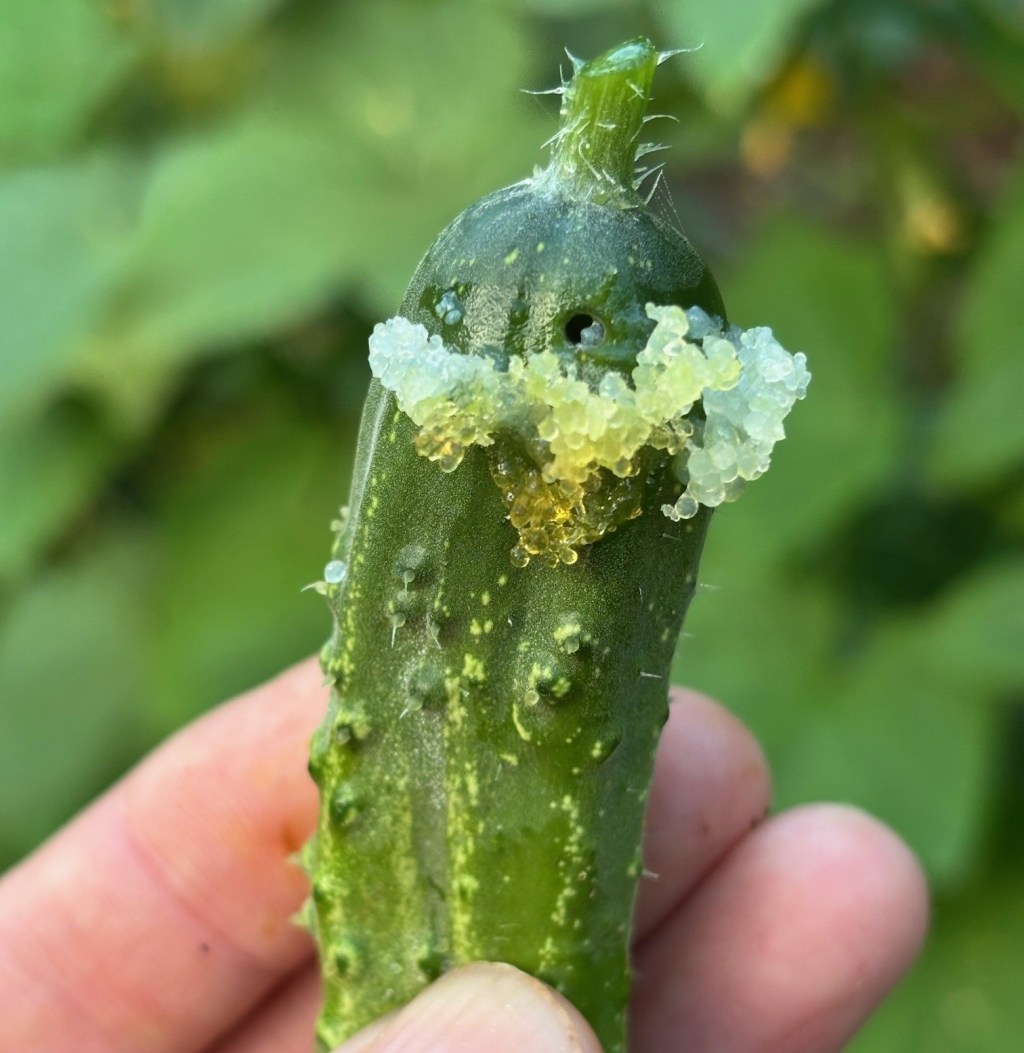
What is going on with this cucumber? The hole and gelatinous material are clear evidence that the cucumber was recently attacked by a pickleworm. Pickleworms are caterpillars and the larva of pickleworm moths (Diaphania nitidalis). They feed on the flower buds and fruits of cucurbit crops including cucumbers, squash, zucchini, and melons. The young caterpillars…
-
Question of the Week – Virus
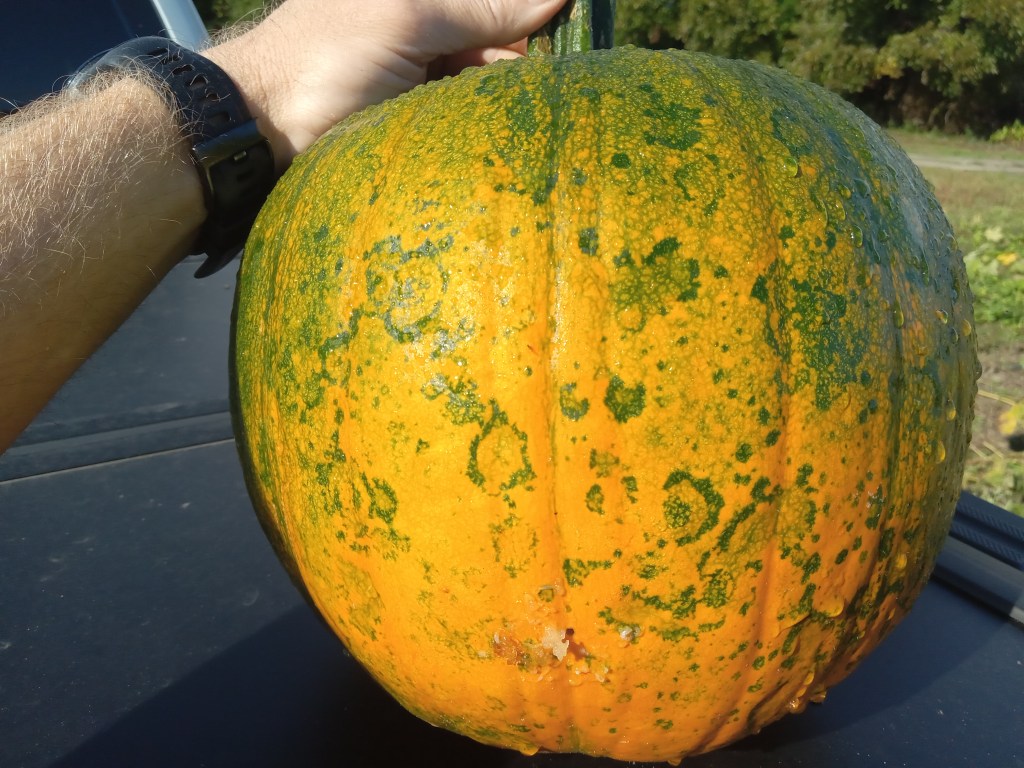
What caused the green patterns and discoloration on this pumpkin? The circular patterns and discoloration on this pumpkin are the result of a viral infection. Viruses are common in fall cucurbit crops in South Carolina. Most cucurbit viruses are transmitted by aphids, though one, squash mosaic virus, is transmitted by cucumber beetles. Viruses commonly cause…
-
Question of the Week – Luffa Gourd
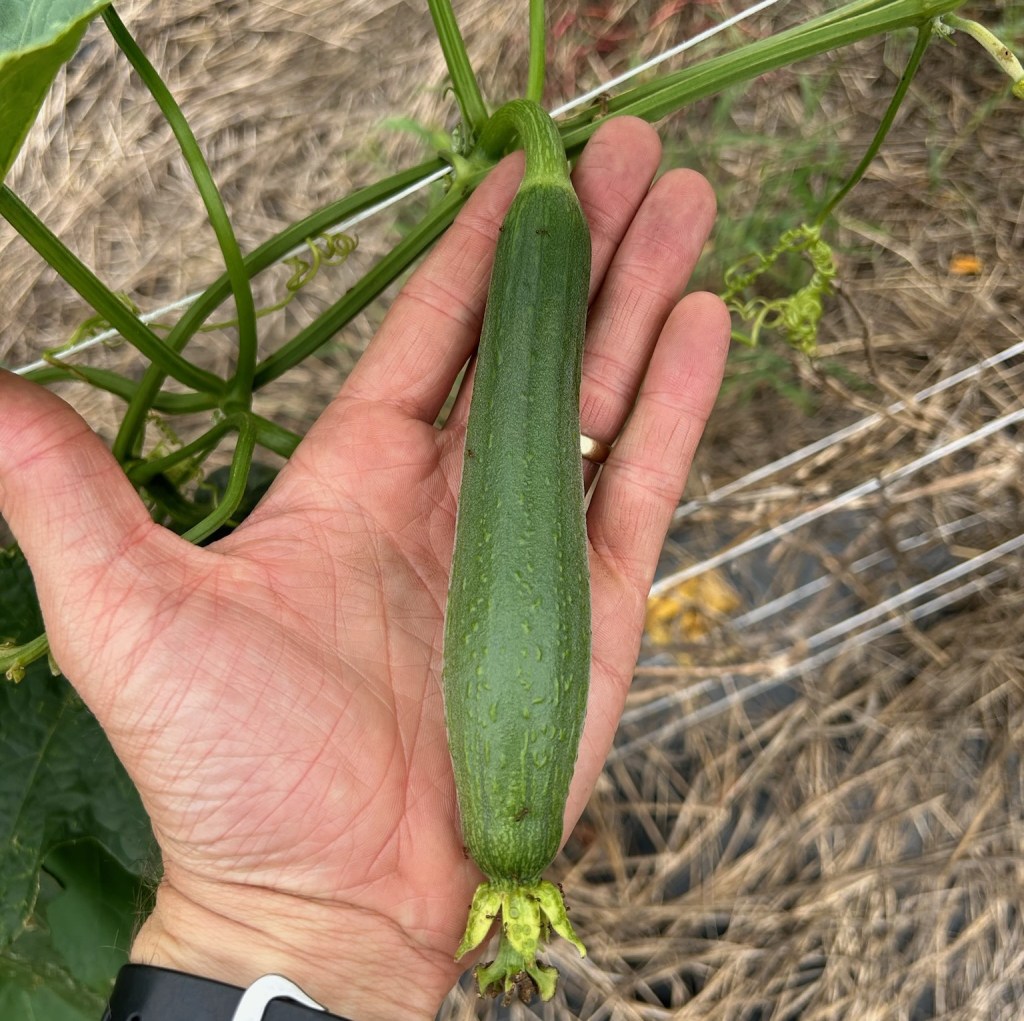
What crop is this? This is a luffa gourd (Luffa aegyptiaca). A similar species, (Luffa acutangula) is sometimes also called Chinese okra because of its okra-like shape and pronounced ribbing of its fruit. Both are members of the cucurbit family. Luffas may be harvested for eating while still tender, though the species pictured is very…
-
Downy Mildew Found on Cucumber and Squash in Charleston
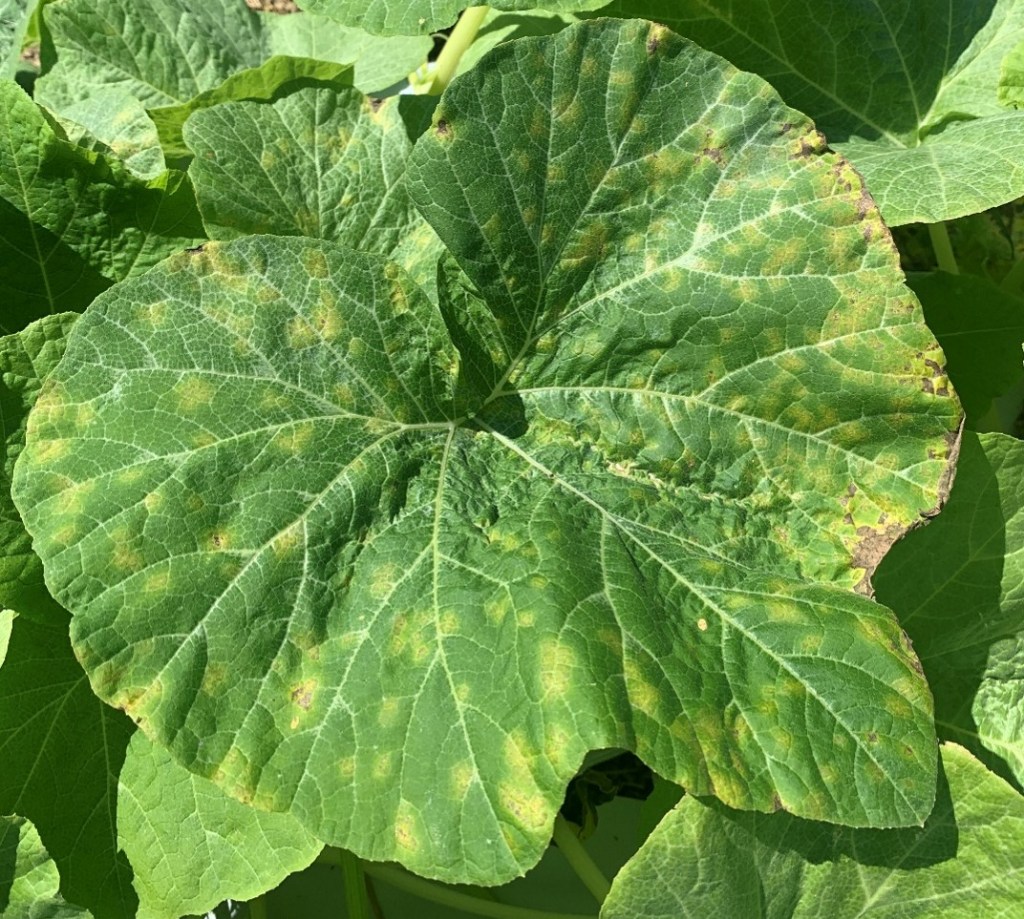
By Clemson Plant Pathologist Dr. Anthony Keinath Similar to 2023, cucurbit downy mildew was found at Coastal REC in mid-September, last Friday the 13th, on cucumber and butternut squash transplanted August 15. Interestingly, cucumbers transplanted about 2 weeks ago didn’t have downy mildew…yet. Symptoms on both cucumber and squash means that both strains of cucurbit downy…
-
Fungicide Sensitivity of Cucurbit Powdery Mildew in Charleston, SC
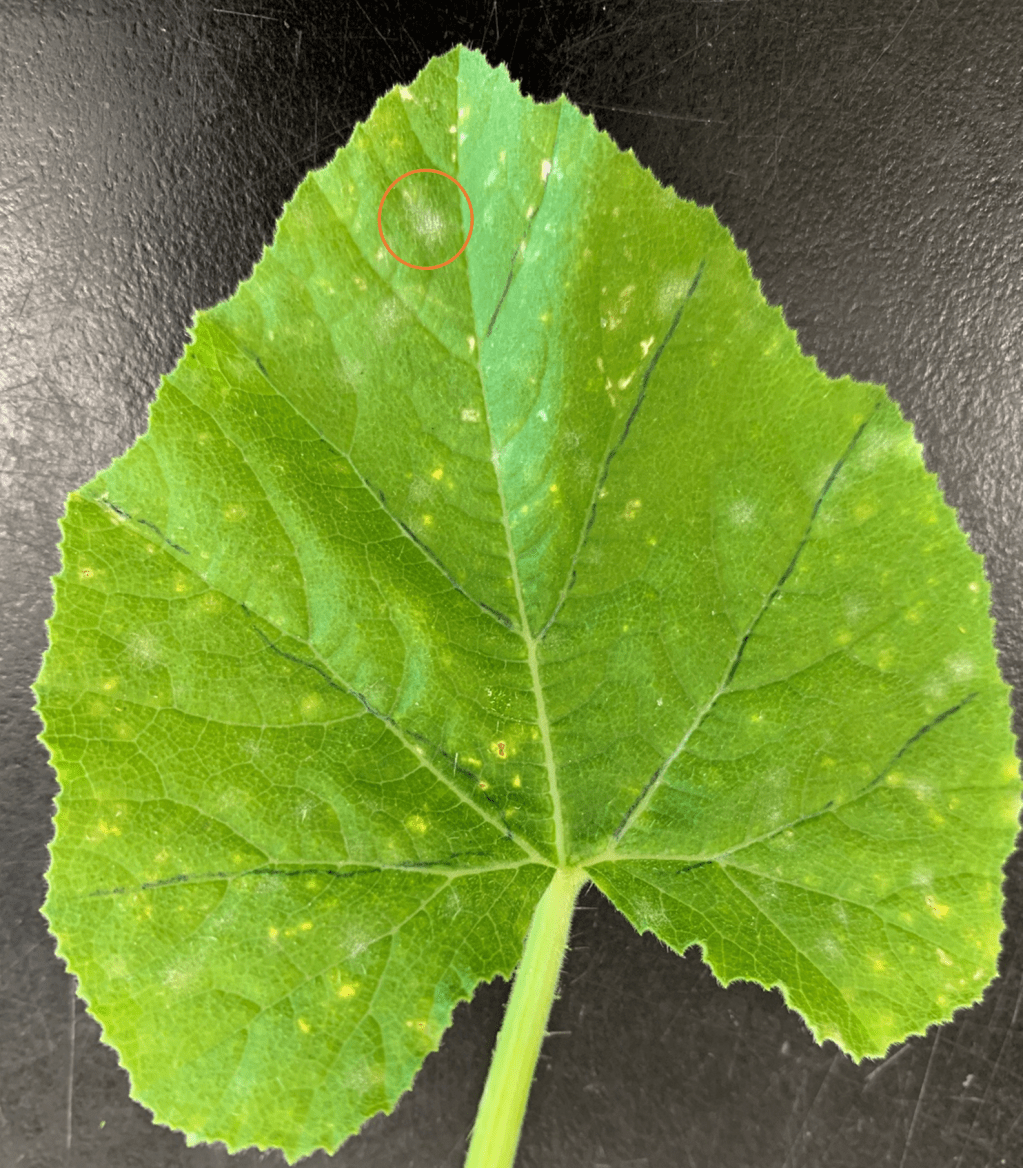
From Clemson Plant Pathologist Tony Keinath A fall fungicide sensitivity bioassay was done in October 2023, to find out which fungicides are most effective against powdery mildew on squash, watermelon, and other cucurbits. Methods: ‘Early Prolific’ yellow summer squash plants with three true leaves were treated with fungicides, water, or not treated. The following day,…
-
Question of the Week – Melonworm
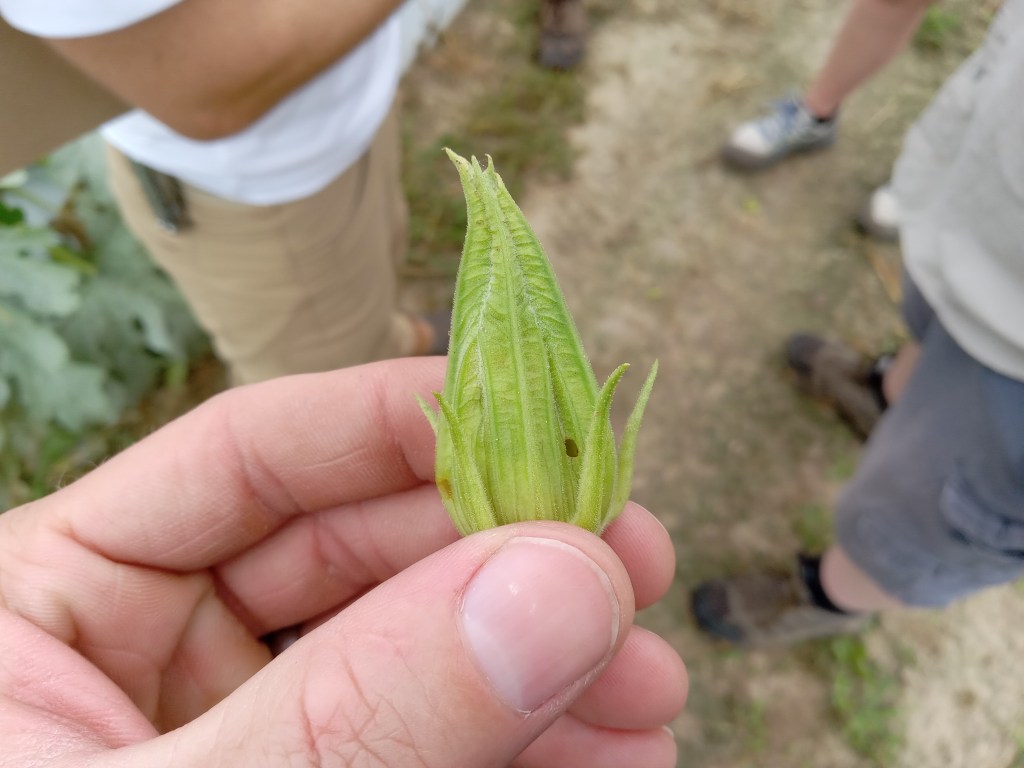
This week, the question was: What made the hole in this squash blossom? This hole was most likely made by a melonworm. A hole this size is actually an exit hole chewed by the worm on its way out to pupate. Before that, the worm was inside the bloom feeding on the reproductive parts of…
-
Question of the Week – Fasciation
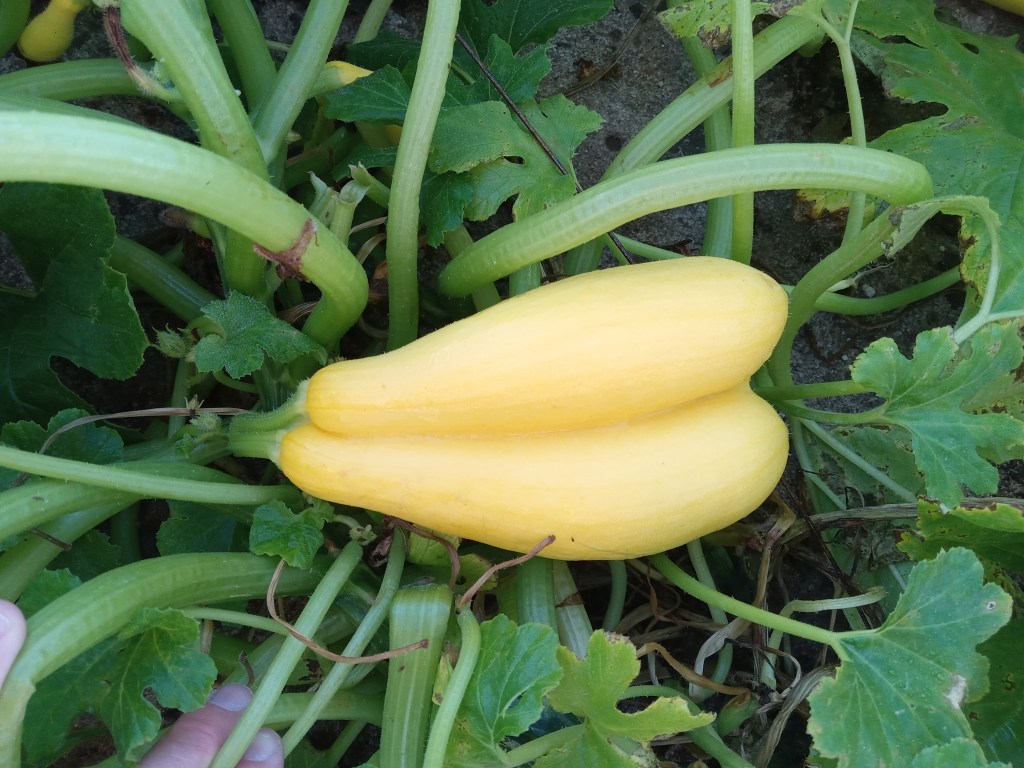
This week, the question was: What is going on with this squash? This squash is showing abnormal growth known as fasciation. Fasciation is the abnormal development of a meristem, or growing point. The cause of this condition is not well understood, but is most commonly thought to be associated with genetic mutation, hormonal imbalances, environmental…
-
Question of the Week – Whitefly Damage
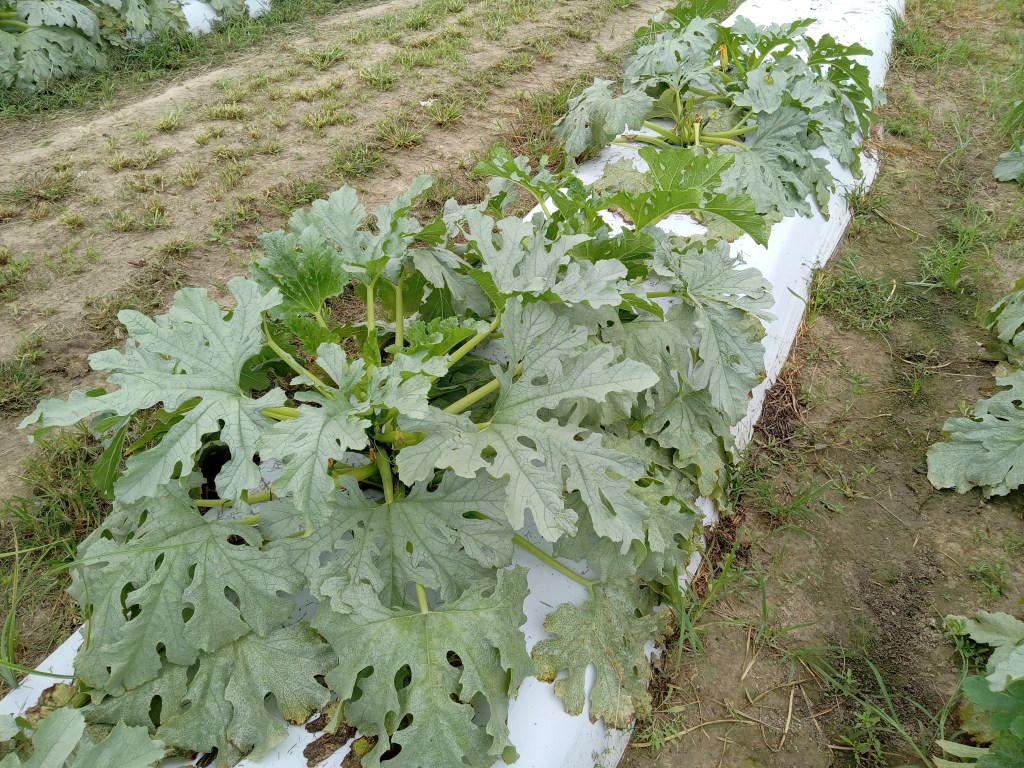
This week, the question was: What is causing the light colored discoloration on these zucchini plants? This discoloration is known as Squash Silverleaf Disorder (SSL) and is the result of immature whiteflies feeding on the squash leaves. SSL reduces the plant’s ability to photosynthesize, leading to stunting and reduced yields. Whiteflies can become significant pests…
-
Question of the Week – Luffa
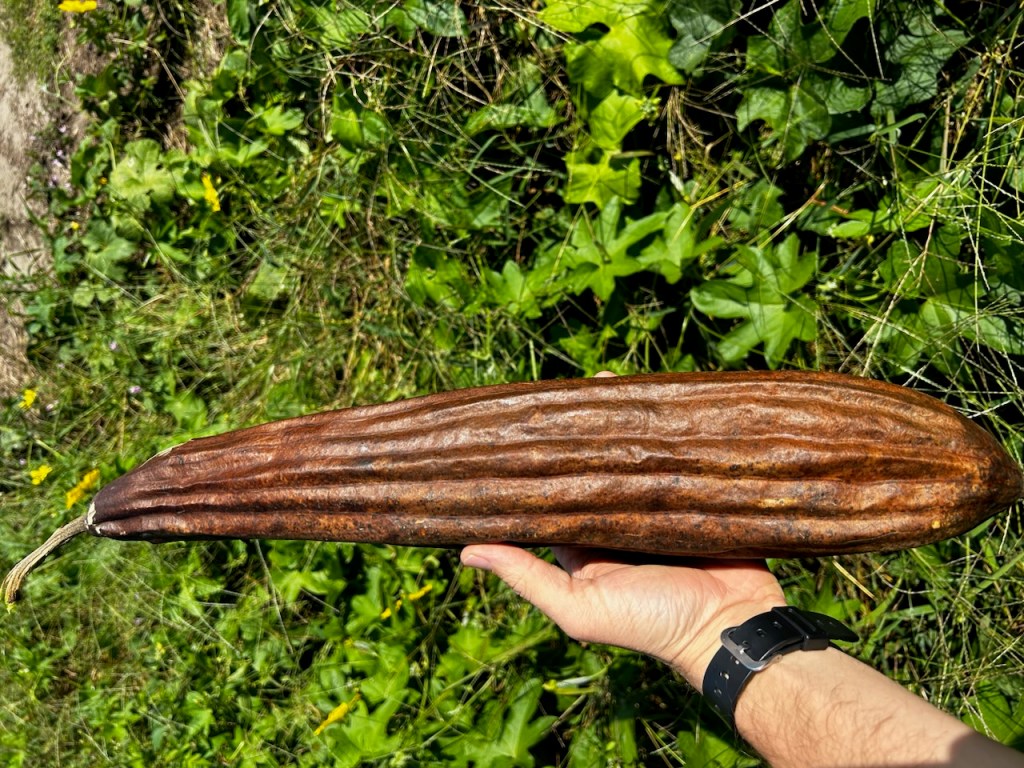
This week, the question was: What is this odd brown thing? This is a luffa gourd. Contrary to popular belief, luffa is a plant in the cucurbit family and not a sea sponge. This plant is very vigorous and prolific and does extremely well in SC. When picked young, the tender fruit can be eaten…
 The South Carolina Grower