As more rain fell in parts of the state last week, disease and insect pressure began to increase. We’re seeing leafhoppers, sap beetles, thrips, and some caterpillars. Various root rots have been appearing in strawberries. Blueberries and other summer crops are looking good.
Key Takeaways for Growers This Week
- Insect pressure is on the rise – Scout all crops carefully
- Disease expected to progress – due to warm temps and recent rain
- Highbush blueberries are being harvested – yield and quality look good
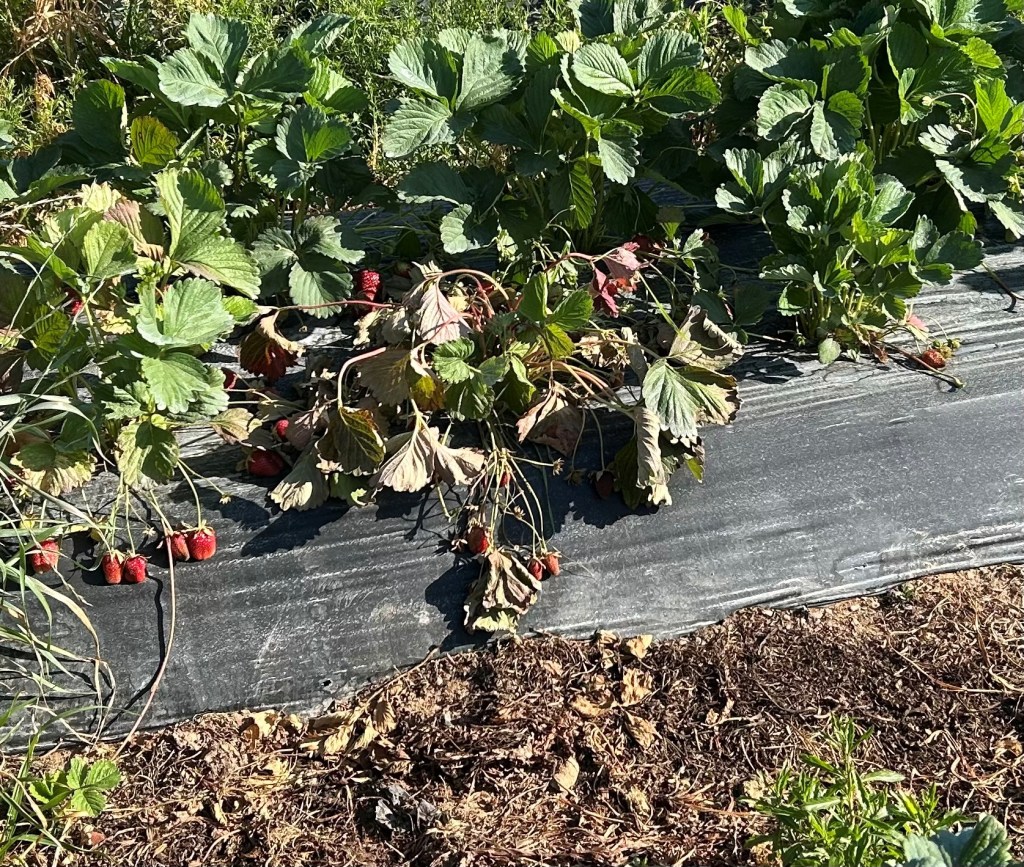
- Root rot appearing in strawberries – submit samples for diagnosis
The latest episode of the SC Grower Exchange Podcast is available now.
Lowcountry Report
Anna Sara Hill
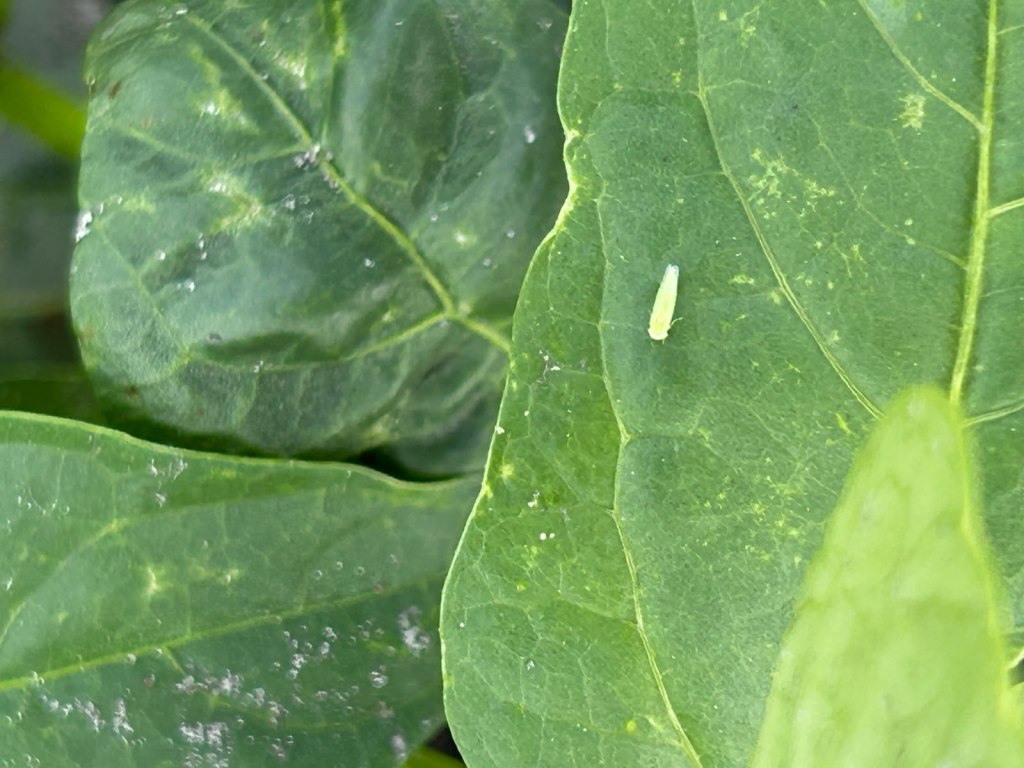
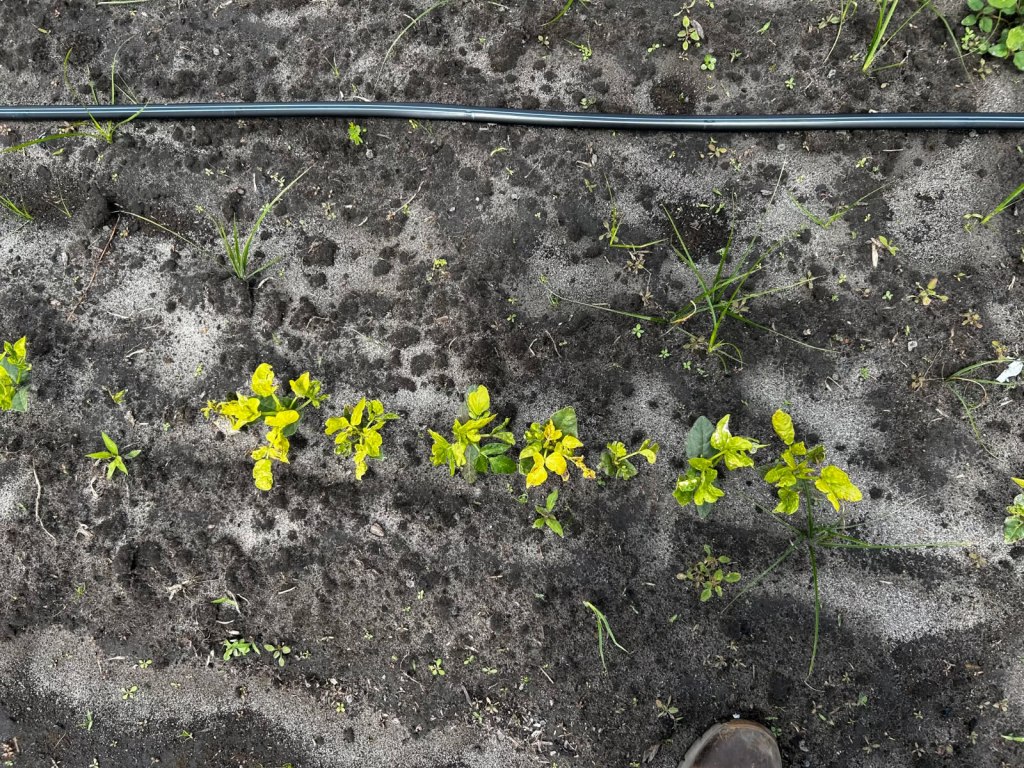
- This week, I noticed some potato leafhoppers on beans and peas. They are very tiny, about the size, shape and color of the 2-spotted leafhopper, but they do not have the distinguishing two black spots. Potato leafhoppers have approximately 100 host plants and are difficult to detect due to their small size and color. Many times, they go undetected until the symptoms known as “hopper burn” appear. The best way to scout for them is to use a beat sheet and tap the plants. They are quick flyers, but when disturbed, will generally hop onto the beat sheet before taking flight. A white piece of paper can also suffice if you don’t have a beat sheet readily accessible. In beans, the feeding causes curling, cupping and crinkling, and eventually yellowing or bronzing of the leaves. Insecticides containing acetamiprid (Assail or Anarchy), Carbaryl, or methomyl (Lanate) used at label rates are all registered for use in both potatoes and bean crops against leafhoppers.
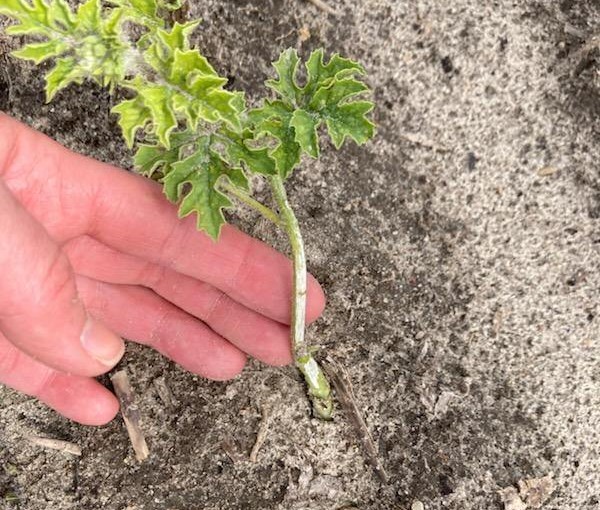
- In one field, the watermelon plants had white stems with abrasions and rubbed areas. Turns out, the plants were “leggy” or stretched when they came from the nursery, and after they were transplanted in the field, the wind caused those weak, long stems to turn and rub. In this particular situation, the plants were planted on bare ground, and there was corn stubble, which they rubbed against, causing more abrasion.
Zack Snipes
- We flirted with the possibility of rain, but it never really coalesced last week.
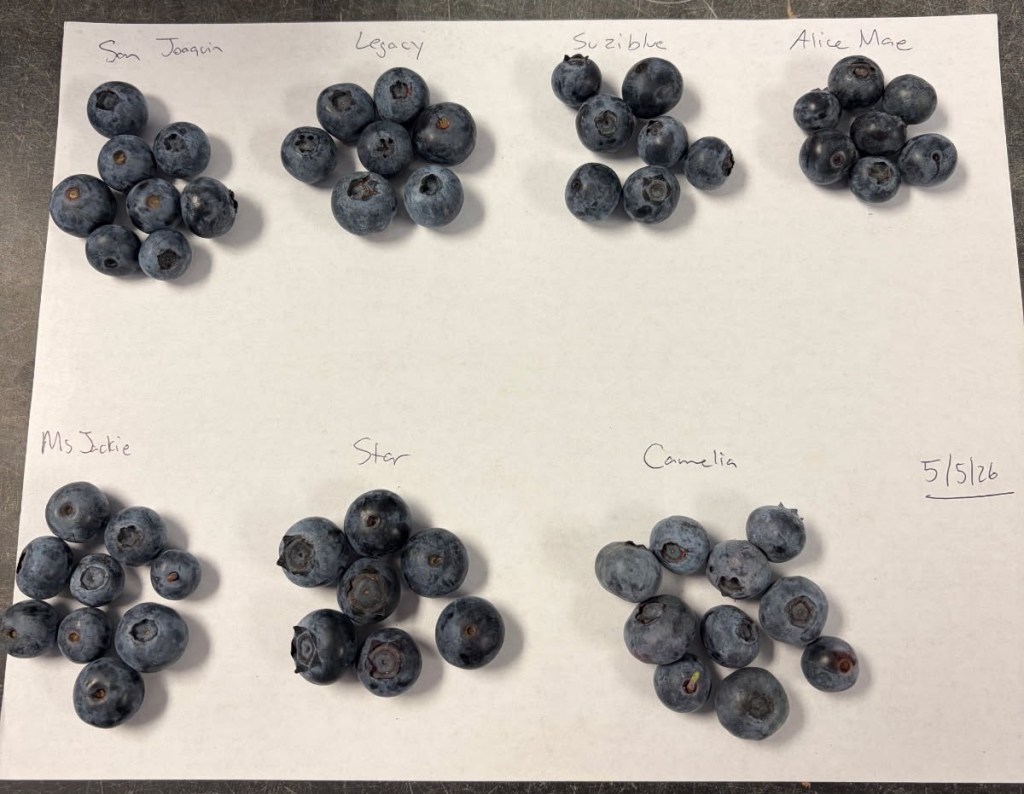
- Highbush blueberry harvest is in full swing, and the crop looks great. I harvested from the CREC fruit orchard this past week and was extremely impressed with the yield and quality. We performed a few taste and quality tests along with yield results. This data will help growers choose appropriate cultivars for their market needs and timing.
- We started seeing the first tomato plants die from bacterial wilt this week. Unfortunately, there is nothing you can do at this point concerning this disease. Many growers have switched to grafted tomato plants with resistant rootstocks and are achieving amazing results. Something for growers to consider if planting in infested fields going forward.
Midlands Report
Rob Last
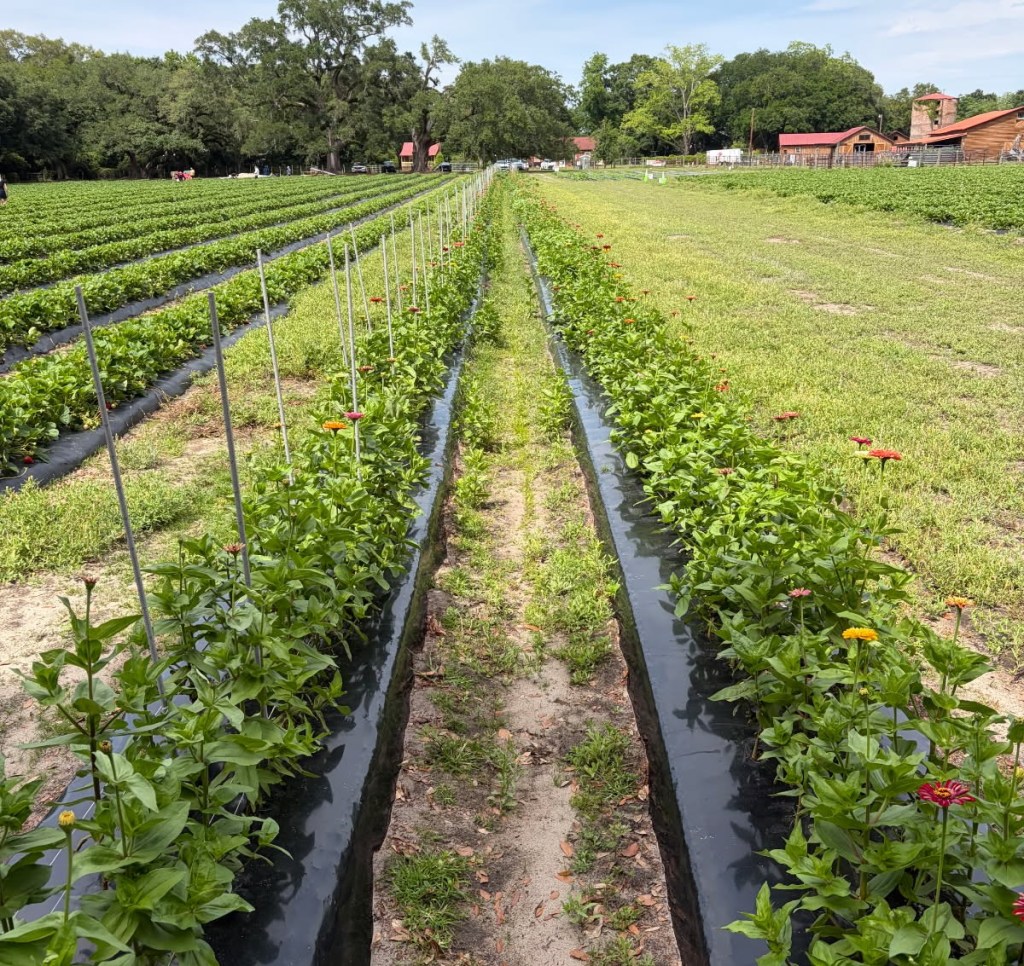
- After some welcome rainfall last week, crops are looking great. Keep monitoring soil moisture. The rainfall received will be insufficient to make up for the winter deficits.
- Disease activity remains low, although I am seeing powdery mildew in cucurbits, which can be managed with an application of Vivando or Gatten.
- Anthracnose and gray mold are active in strawberries again. Management options include Switch and Captan.
- Given the rainfall received, it is expected that disease activity in crops may increase, so keep scouting.
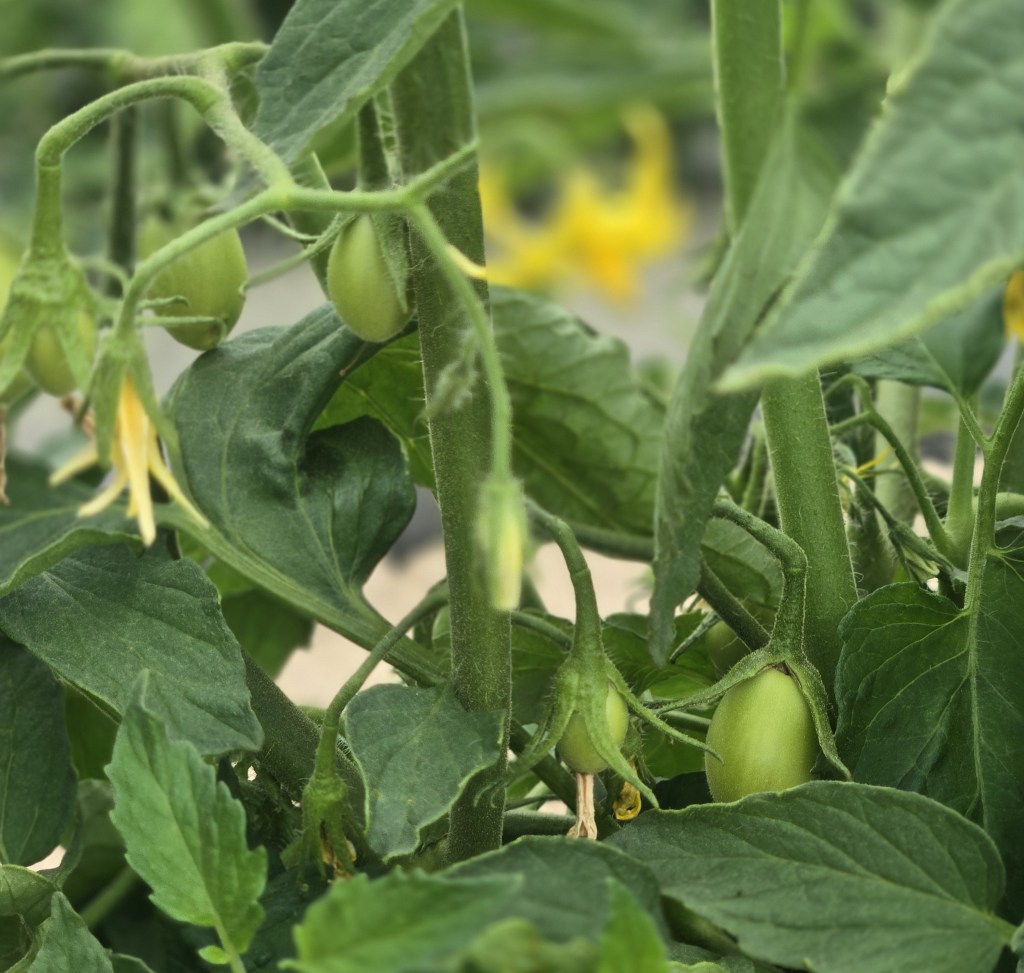
- Peppers and tomatoes are flowering well, with some tomato crops setting fruit.
- Thrips are being observed in tomatoes and peppers.
- Spider mite numbers were lower last week. I expect populations to increase as we move into a hot, dry week.
Daniel Lyon
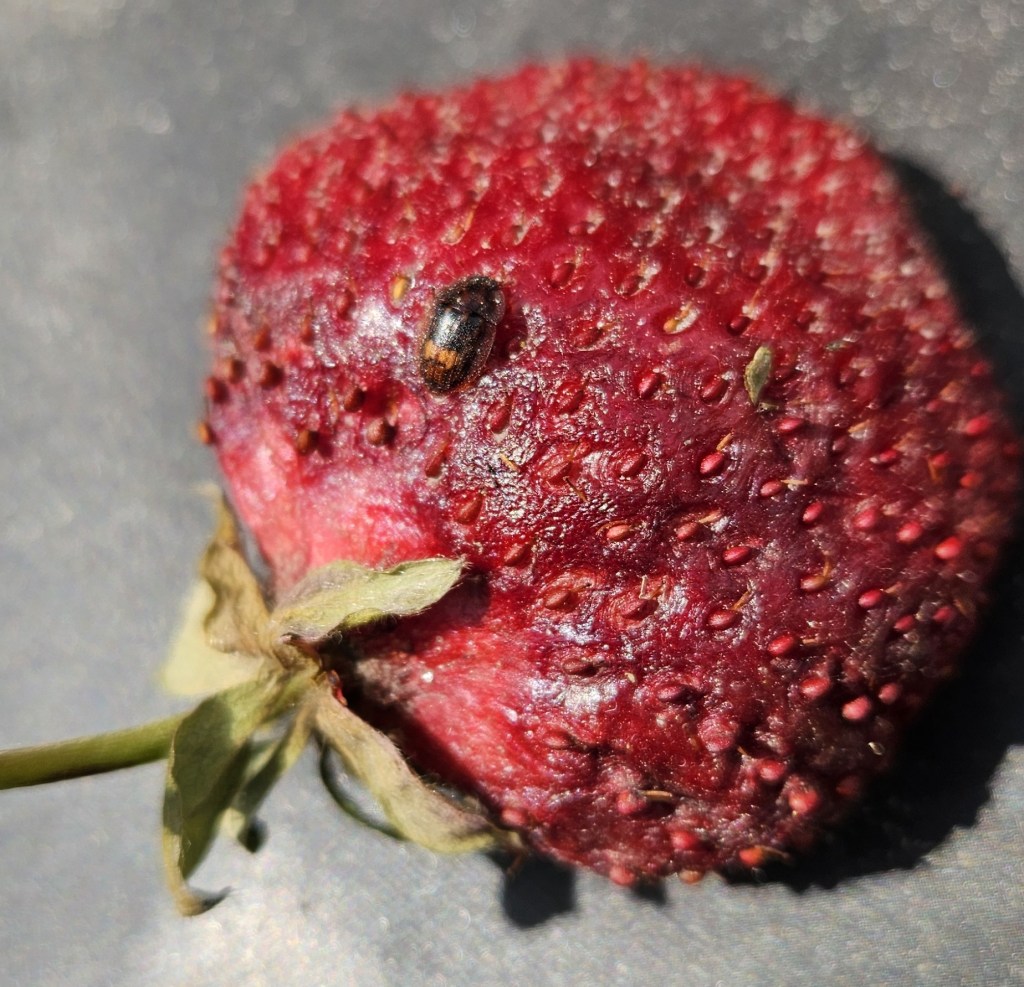
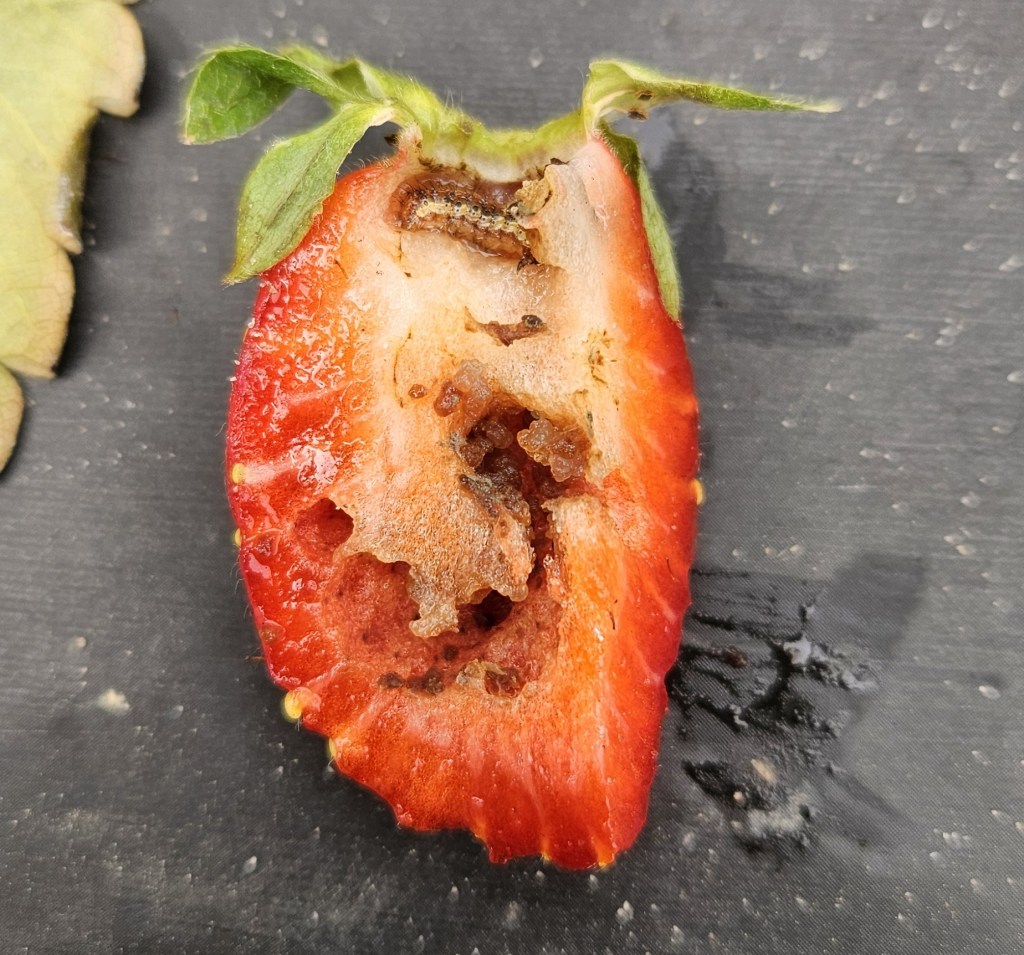
- Strawberry pests and diseases have exploded in the last 7-10 days. I have found fruit-feeding pests such as corn earworm and sap beetles throughout my region. Sap beetles normally feed on overripe and rotten fruit, so removing that feeding source will help keep numbers down. Scouting will be very important to prevent corn earworm-infested fruit from being harvested, especially for pre-pick operations. Chemical control is typically not needed for either of these pests unless they are found in high numbers. Rimon at 12 Oz/ac will control sap beetles. Coragen at 7.5 Oz/ac or Intrepid at 12 Oz/ac (3-day PHI) will work on corn earworm.
- I have also seen a lot of disease pressure in my area. Samples have been taken for lab analysis to determine the exact pathogens. If you are experiencing significant plant collapse in your strawberry operation, please call your extension agent so that we can get to the bottom of this.
- Some better news: the rest of our summer crops are all establishing well. Watermelons are starting to put on young fruit. We are also harvesting squash, zucchini, and summer greens at this time.
Pee Dee Report
Brad Fowler
- Thankfully, we keep getting some rain, and more is forecast for this week in certain parts of the Pee Dee. However, be diligent about staying on top of fungal issues with the added moisture.
- Cucurbits and other vegetables seem to be progressing nicely, but be sure to keep an eye out for insect and disease issues.
- Blueberries have started coming on strong with no major issues at the moment.
Upstate Report
Andy Rollins
- Strawberry production is slowing, but it’s definitely not over for most growers. Cooler weather has set a late crop that will eventually come in. We are in a lull due to heavy fruit set all at one time. As long as growers can hold out, most strawberry crops in the Upstate will recover and have one last hoorah.
- The past two weeks, I have been seeing some strawberry plants completely collapse. Plant problem samples have identified Pythium as the primary pathogen, but it is part of a complex known as the black root rot complex. I have a different farm in the Upstate with similar symptoms of blackened root systems, and the entire plant collapses from the outer leaves inward, but the identification is Fusarium in that case. Dr. Lindsey Thiessen has collected plants from other farms, looking into this and will hopefully help us understand fully what’s going on. The week of 90+ temperatures didn’t help these plants and may be contributing to this collapse.
- We are also finding corn earworm and sap beetles. Refer to other posts for recommended products. The MyIpM app also gives accurate product recommendations. I’ve eaten strawberries with caterpillars in them and do not recommend it.
Question of the Week – Grower Spotlight
Where is Sarah visiting this week?
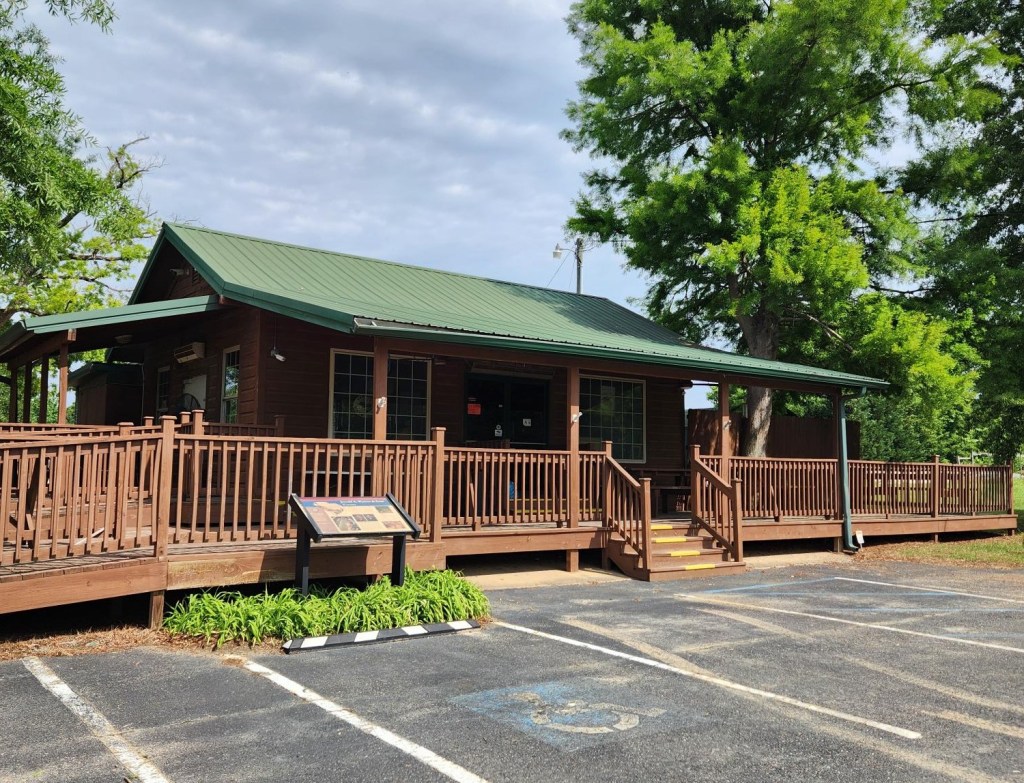
Answer in the comments below and check back on Thursday to see the answer.
Don’t forget to look at the Resources tab for links to crop handbooks, helpful websites, and related blogs. Have a great week!

