Many parts of the state received more rain last week, leading to flooded fields and increased disease pressure. Watermelons, peaches, blueberries, and numerous vegetable crops are now coming to harvest. Keep a close eye out for cucurbit downy mildew as it usually shows up around the first of June.
Key Takeaways for Growers This Week
- Parts of the state received heavy rain – Check totals in your area here
- Disease pressure expected to increase – Maintain spray programs
- Scout cucurbits for downy mildew – it usually shows up the first of June
- Crops coming to harvest – peaches, blueberries, watermelons, squash, cucumbers, tomatoes, beans, blackberries, leafy greens, eggplant, peppers
The latest episode of the SC Grower Exchange Podcast is available now.
Lowcountry Report
Anna Sara Hill
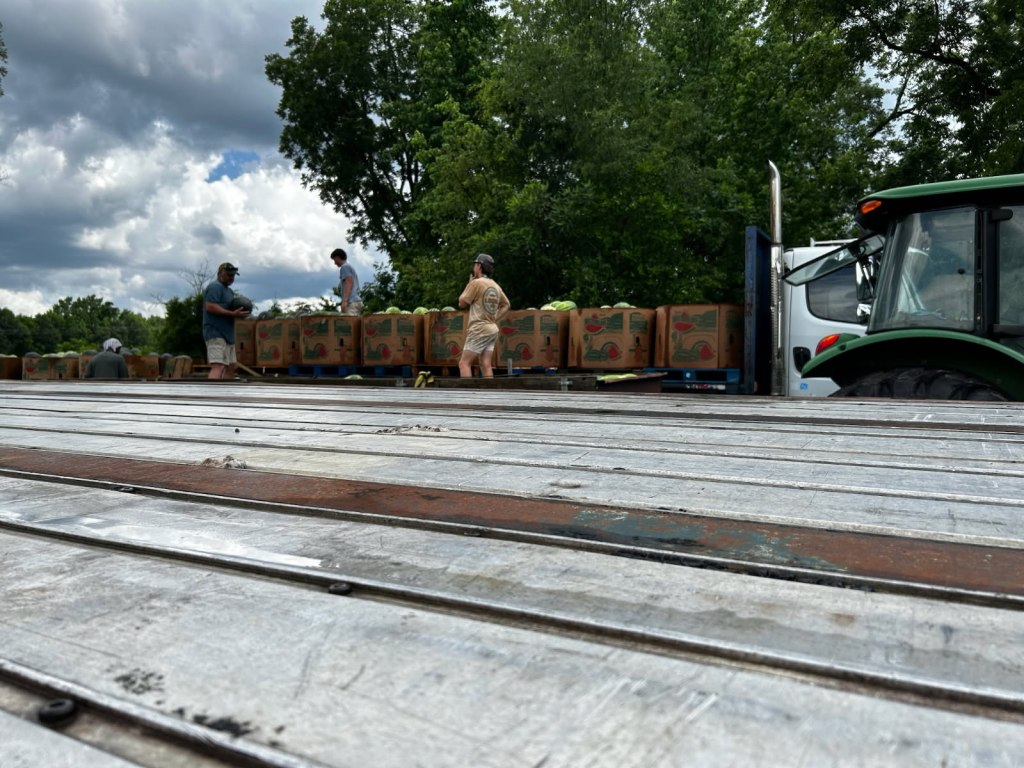
- Last week saw the first loads of this season’s local watermelons being picked and hauled off to market!
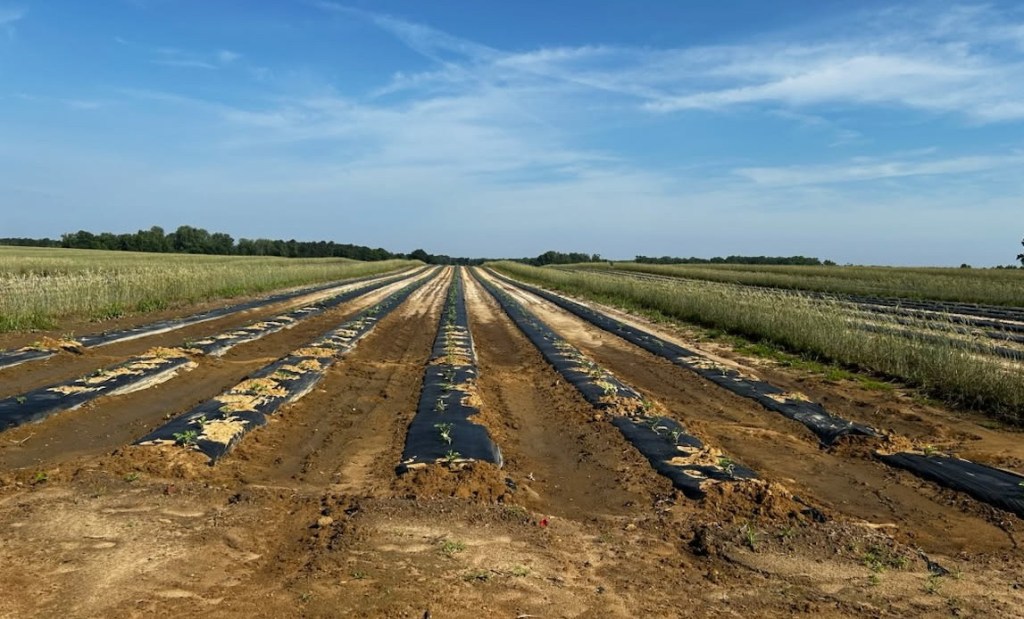
- Memorial Day weekend was ushered in by torrential downpours in some areas, and the rain continued in most areas throughout the week, leaving some farms going from too dry to too wet, while others still need some rain.
- Riding around, I noticed some waterlogged fields, flooding, erosion, damaged plastic, and mud-caked plants, all from the heavy rainstorms.
- Along with the rain and humidity comes the disease, and there are plenty of active spores floating around.
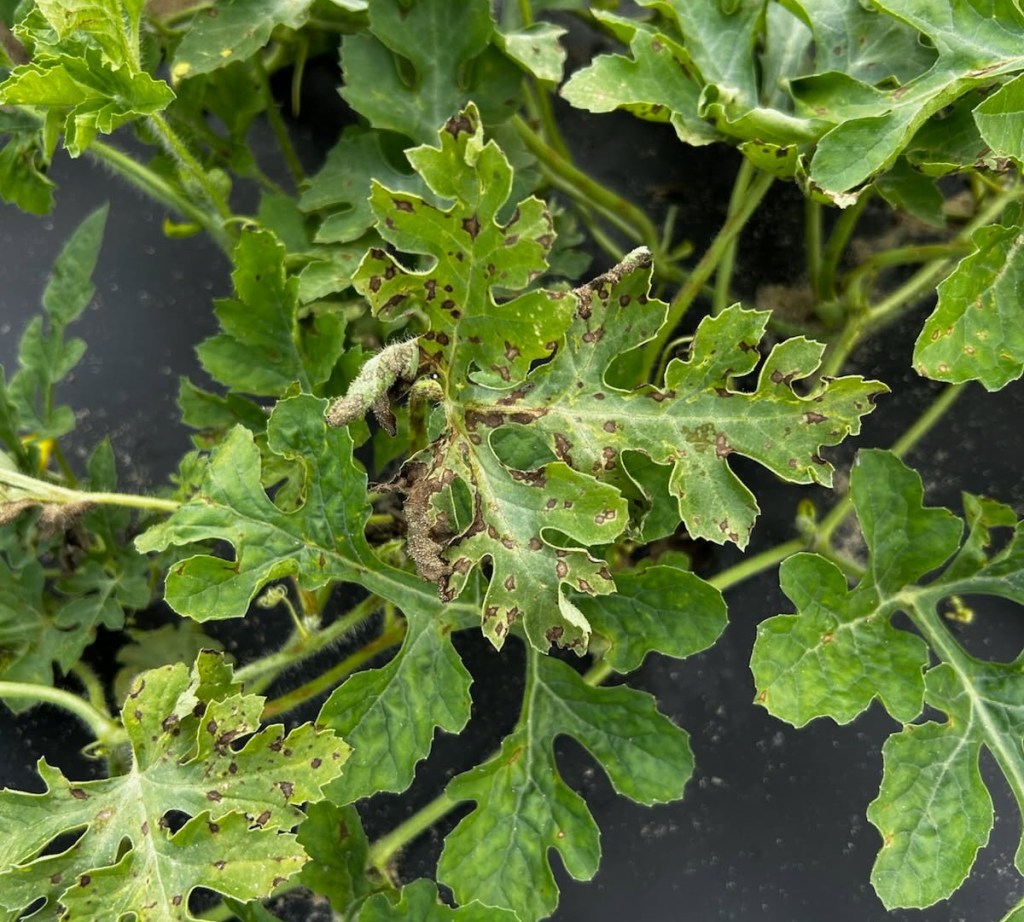
- Early stages of anthracnose were confirmed on foliage in a watermelon field. Treatment applications have been initiated and need to be continued up to harvest.
- Possible gummy stem blight symptoms have also been observed, but they were not well defined, and confirmation is still pending.
- Cabrio or Quadris tank mixed with a protectant such as Chlorothalonil or Mancozeb is a good option for controlling Anthracnose. Note: Be aware of Quadris’ use restrictions regarding resistance to group 11. If using Quadris Top, do not tank mix, as it contains difenoconazole, a FRAC 3 fungicide.
- Proline is also a good rotation option, as it has efficacy against GSB and Anthracnose. Stay vigilant, scout often and maintain a good fungicide rotation following all label rates.
Zack Snipes
- After 3 months of dancing, I can take a break for a day or two. We finally received some rain this week. I suspect diseases will take off this week, given the moisture and humidity. Make sure to apply fungicides to your crops.
- It’s time for our nemesis, downy mildew, to show up on cucurbit crops. Keep a close eye out for the disease on cukes, squashes, and even melons. The Downy Mildew Pipeline is a website where scientists and growers monitor and report downy mildew. Keep a close eye on this website and for the disease over the next 10-14 days.
- Squash, zucchini, cucumber, and beans are coming in at high volumes. Grape tomatoes are being harvested for the first time, and slicers are a few days away. The watermelon crop looks really good this year as well. We’ll see how everything fares with the recent rains.
Midlands Report
Rob Last
- After a wet week in the Midlands, the next few days look to enter a drier pattern, enabling some field operations to get underway.
- Soils are saturated right now, which can lead to wilting under anaerobic soil conditions and may increase the incidence of root-rot pathogens.
- Keep scouting for diseases. The weather conditions and leaf wetness have been ideal for many diseases.
- I have been asked many questions about tank mixes. The best way to assess compatibility is to do the jar test. Mix all of the products in the same proportions as will go into the tank. Add water from the same source that will be used for spraying. Leave for 15 to 20 minutes. If the mixture is incompatible, you get clumping, heat generation, or sedimentation.
- Strawberries are coming to a rapid end. Remember to destroy the crops promptly.
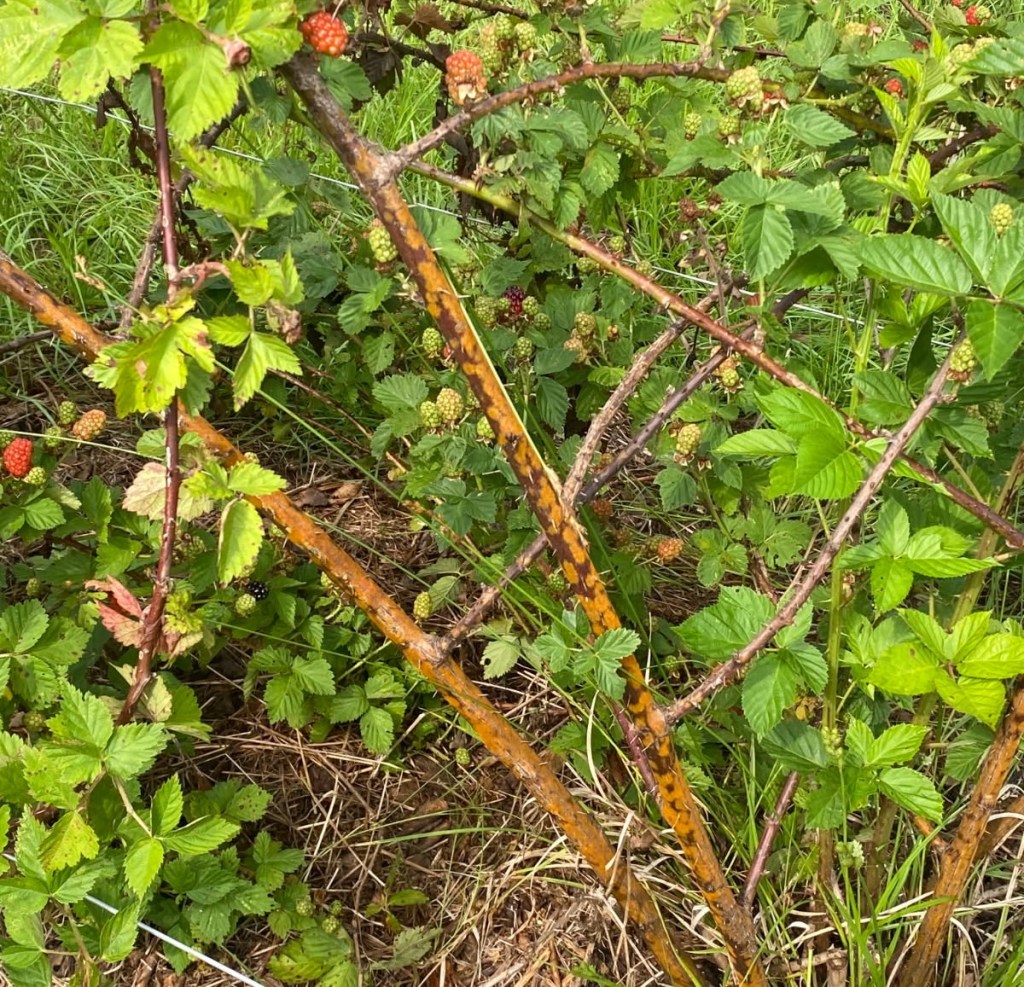
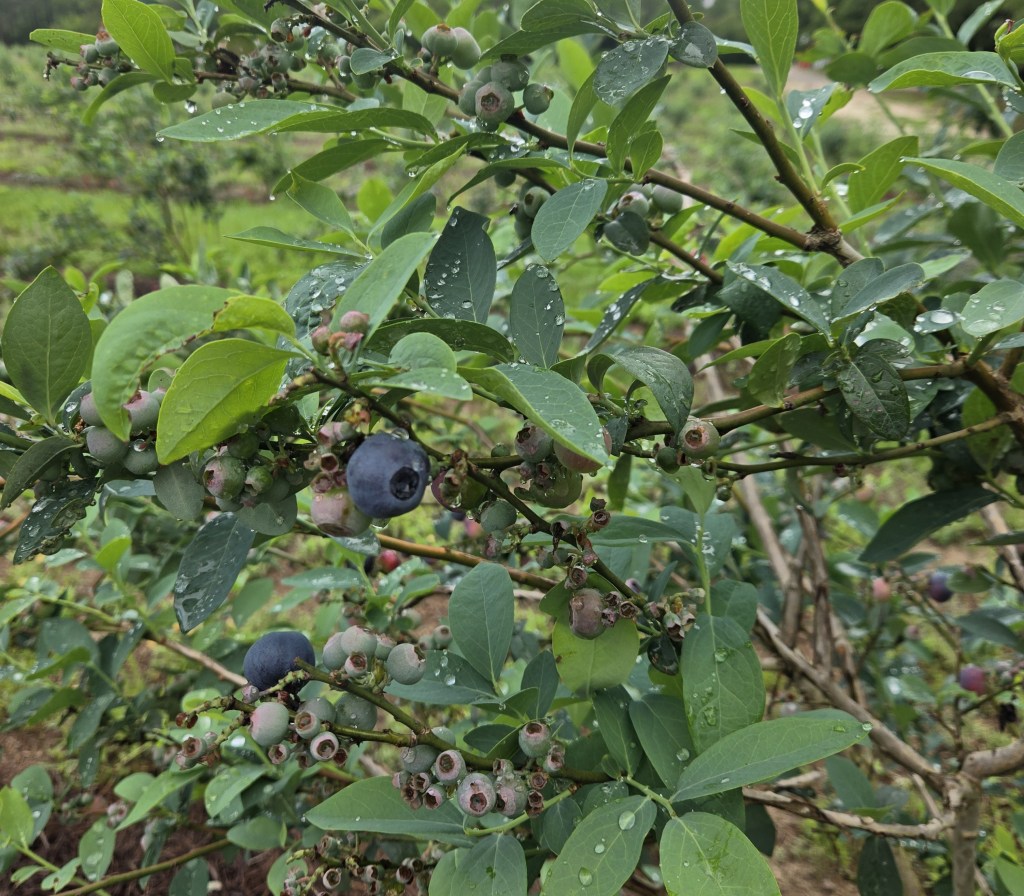
- Blackberries, blueberries, tomatoes, peppers, eggplant, and leafy greens are all coming to harvest with good volume.
Sarah Scott
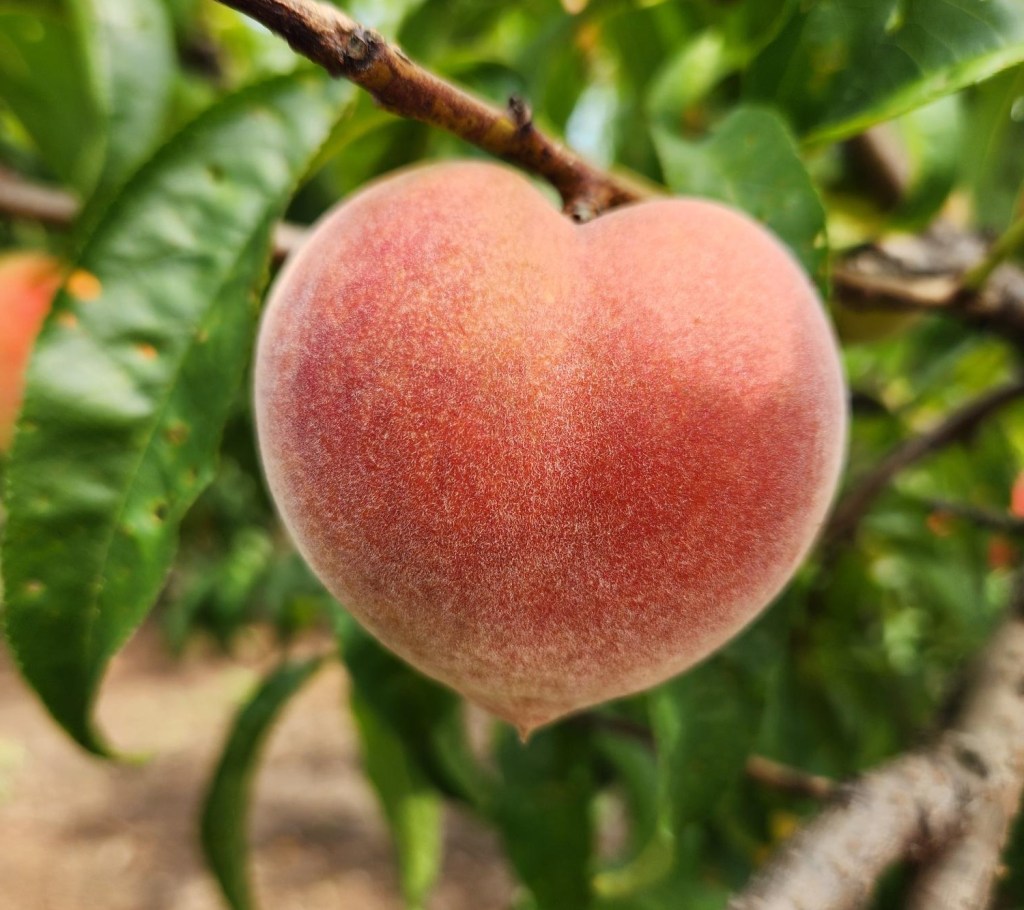
- Peach season is well underway along the Ridge. Size is slightly smaller due to early-season drought, but flavor and quality are very good. Thrips seem to be heavy this year, which is not surprising as we have had several years of higher thrips populations.
- With rain almost every day, field conditions are quite muddy, and spraying has to be timed just right. Wet conditions are also increasing the risk of diseases, such as brown rot.
- Plums are looking good this season with few issues to report.
Upstate Report
Andy Rollins
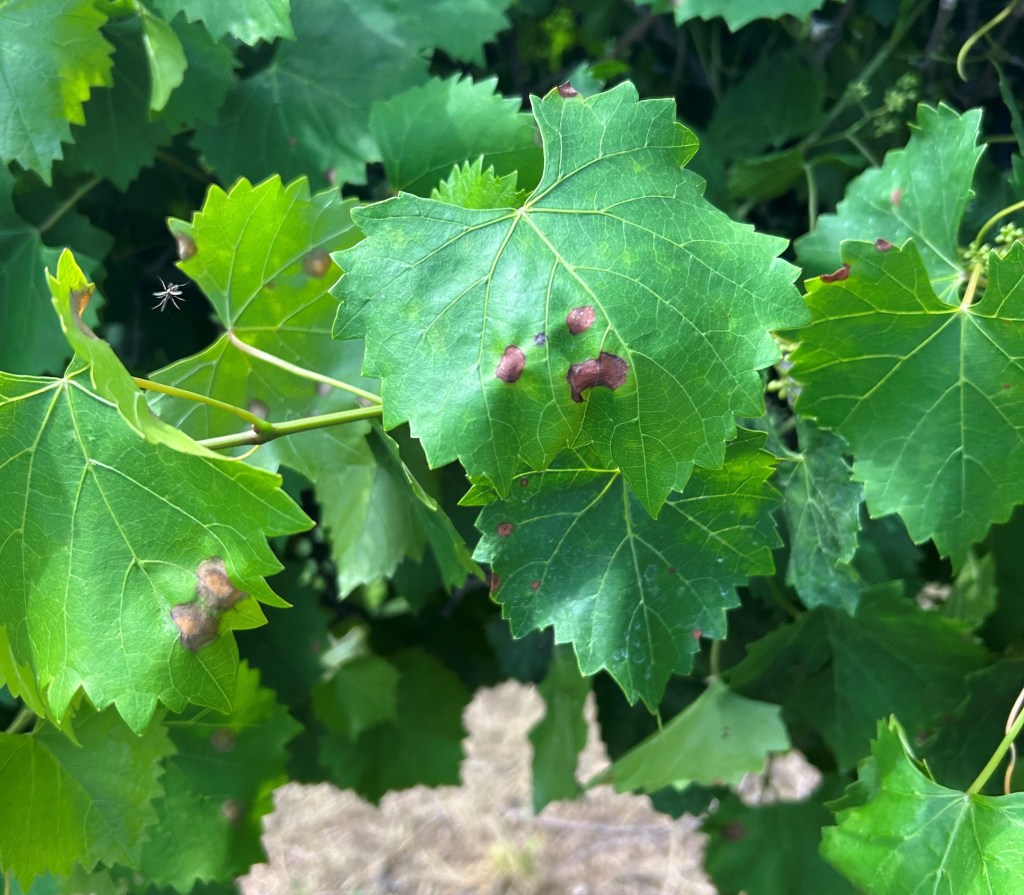
- Muscadine grapes are beginning to flower in the upstate. Heavy rains have caused black rot (Guignardia) fungus to spread like wildfire. Protectant and systemic fungicides are needed now to prevent its spread. Where present, I recommend mancozeb (Manzate) + tebuconazole (Tebustar) this week, then captan + thiophanate-methyl (Topsin M). These two applications should put affected vines back where they need to be, and they can resume every other week sprays after that. The MyIPM app gives other options; just be sure to use a high-rated systemic fungicide with a protectant.
- Strawberries are winding down.
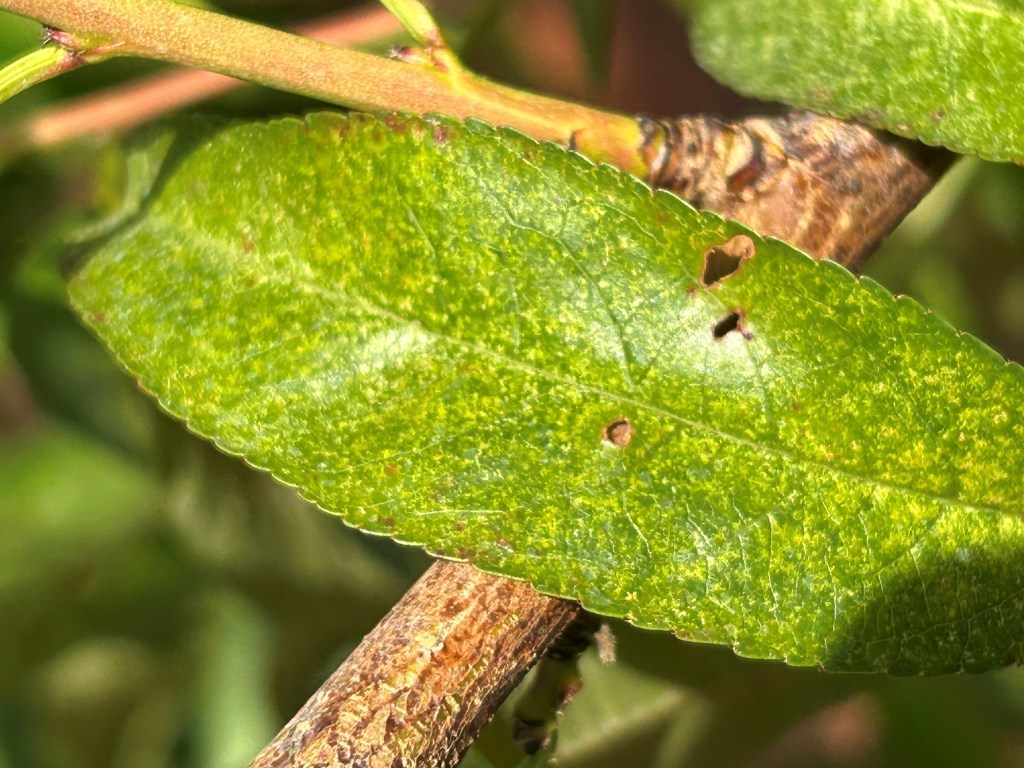
- Rains ruined the cold-damaged peach variety, Desirae. Major two-spotted spider mite damage was found on Julyprince peaches. Acramite is a better miticide choice than the new product Zilvago, according to Brett Blaauw, Clemson Peach Entomologist. It has efficacy on adults and eggs. Zilvago kills adults but isn’t as effective on eggs. It has been very effective this year on thrips in peaches, though.
Question of the Week
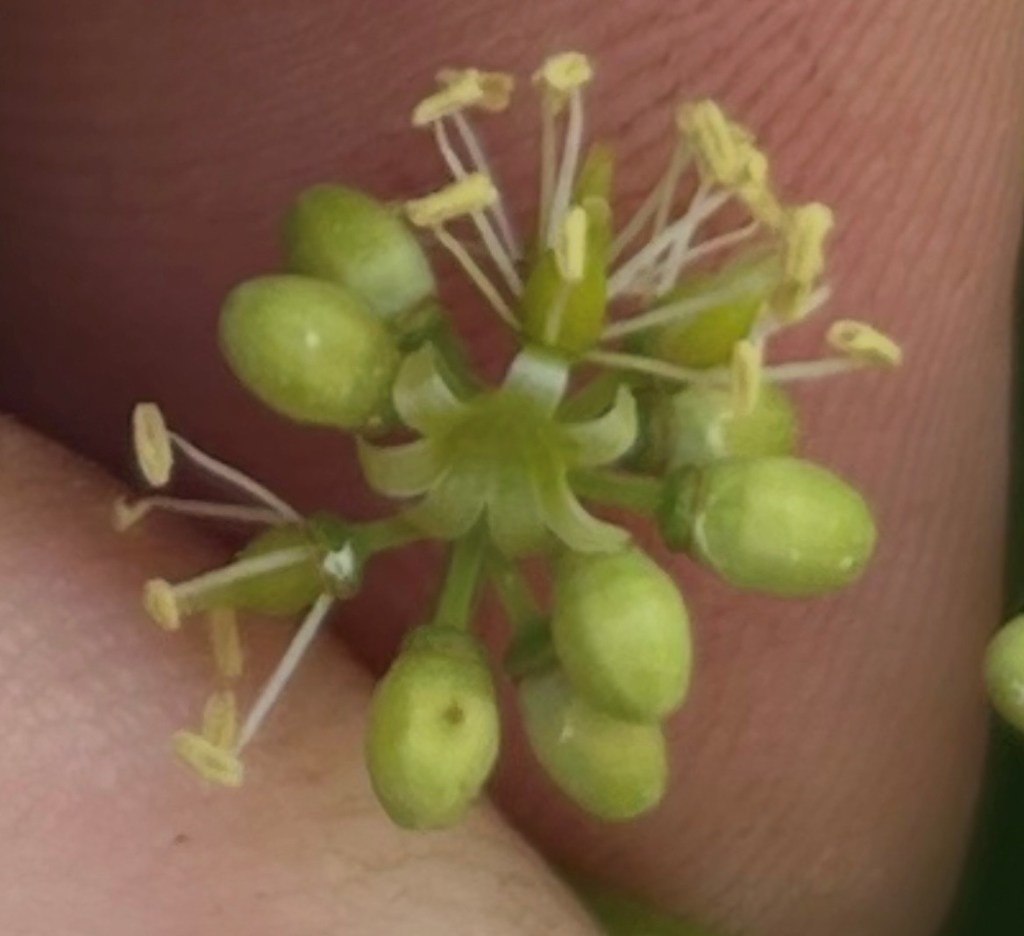
What happened to these blueberries?
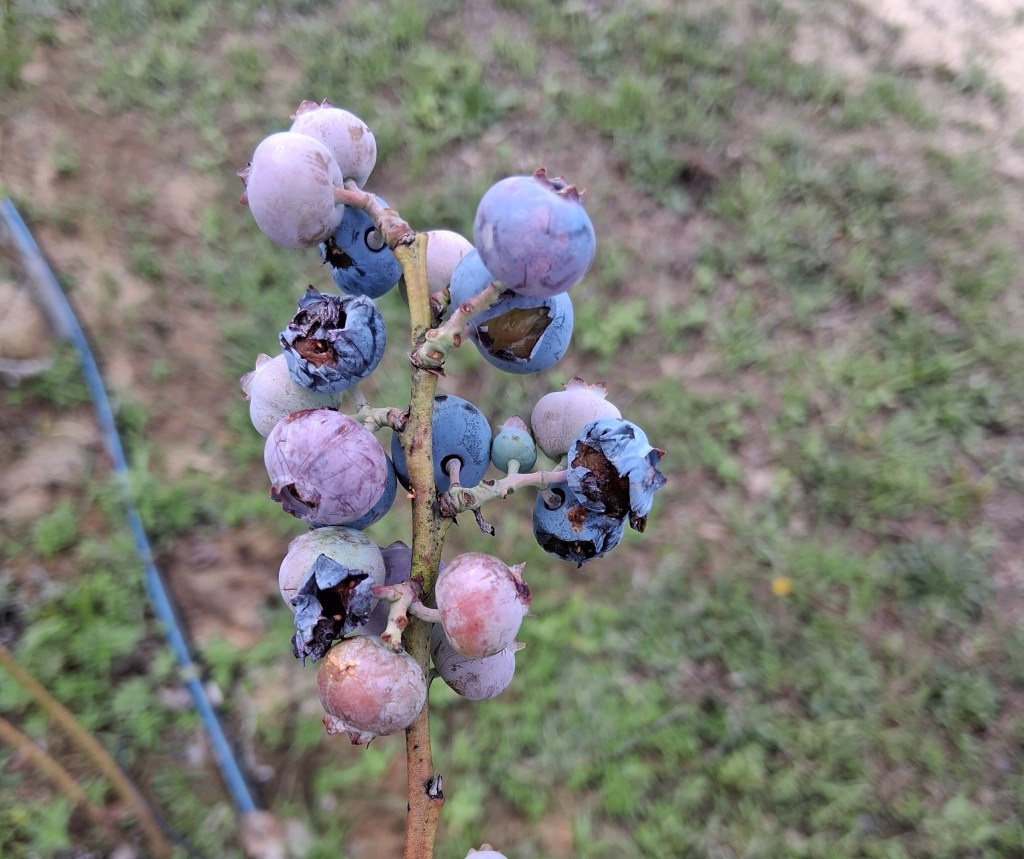
Answer in the comments below and check back on Thursday to see the answer.
Don’t forget to look at the Resources tab for links to crop handbooks, helpful websites, and related blogs. Have a great week!


One response to “South Carolina Field Update (June 1, 2026): More Rain, More Disease, Lots to Harvest”
Cold Weather rot
LikeLike