Last week was hot and humid, though it looks like we may get some slightly lower temps this week. We’re on high alert for the two-spot cotton leafhopper, as it was found in SC about this time last year. So far, there have been no confirmed sightings.
Key Takeaways for Growers This Week
- More heat and humidity – watermelon and okra are thriving
- Keep an eye out for two-spot cotton leafhoppers – if found, call your extension agent
- Scattered rainfall continues – more forecast this week
- Early apple varieties will be ready soon – expected late July-early August
Statewide Report
Tom Bilbo, Extension Entomologist
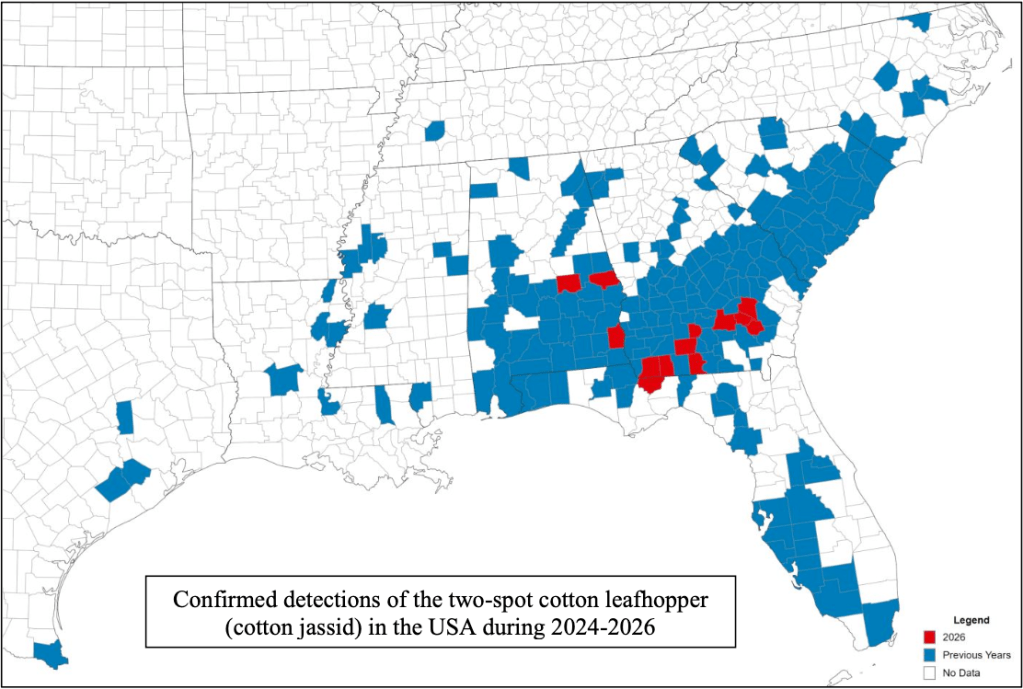
- For okra and eggplant growers, to date, there have been no field reports of the invasive two-spot cotton leafhopper (cotton jassid) in field or vegetable crops in SC in 2026. But as you can see in the map below, we’ve had recent reports of this pest in FL, AL, and GA, and it appears its trajectory may mirror that from last year, where it became abundant and caused problems throughout SC by August. Next week, Zack and I will be visiting farms in St. Helena to look for its 2026 arrival into SC. In the next week or two, I’ll publish the current insecticide recommendations for this pest on SC Grower. If you think you see this pest or its damage symptoms in okra or eggplant, please report it to Clemson Extension for follow-up.
- Last year’s two-spot cotton leafhopper alert.
Lowcountry Report
Zack Snipes
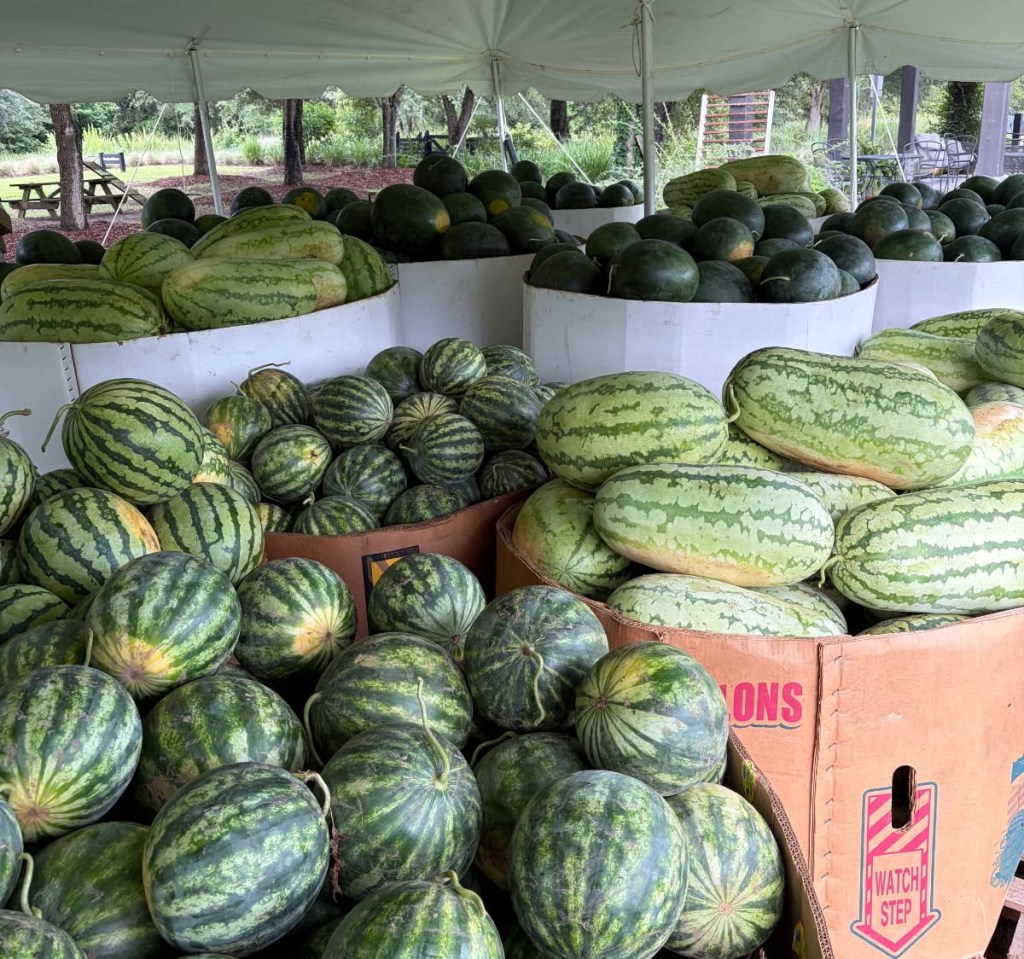
- It was an extremely hot and humid week in the Lowcountry. The okra and watermelons love this weather. Both crops are being harvested at high volumes.
- If you have okra, please begin to keep a very close eye out for the two-spotted cotton leafhopper. We found this invasive pest last year, around the beginning of August. I have been keeping an eye out for it, but have not seen it yet. The adults will have two very distinct black spots on their wings and fly off when disturbed. The nymphs (or juvenile stages) will be translucent green and “crabwalk” to the other side of the leaf if the leaf is turned over. If found, please let your local extension agent know and chat with them about management options. Check out this website for photos and management tips.
Midlands Report
Daniel Lyon
- We saw some more rain across my area last week. I would say having it in quick spurts, along with the high temperatures, has helped keep disease at bay. The high temperatures have helped dry out the canopy before anything develops.
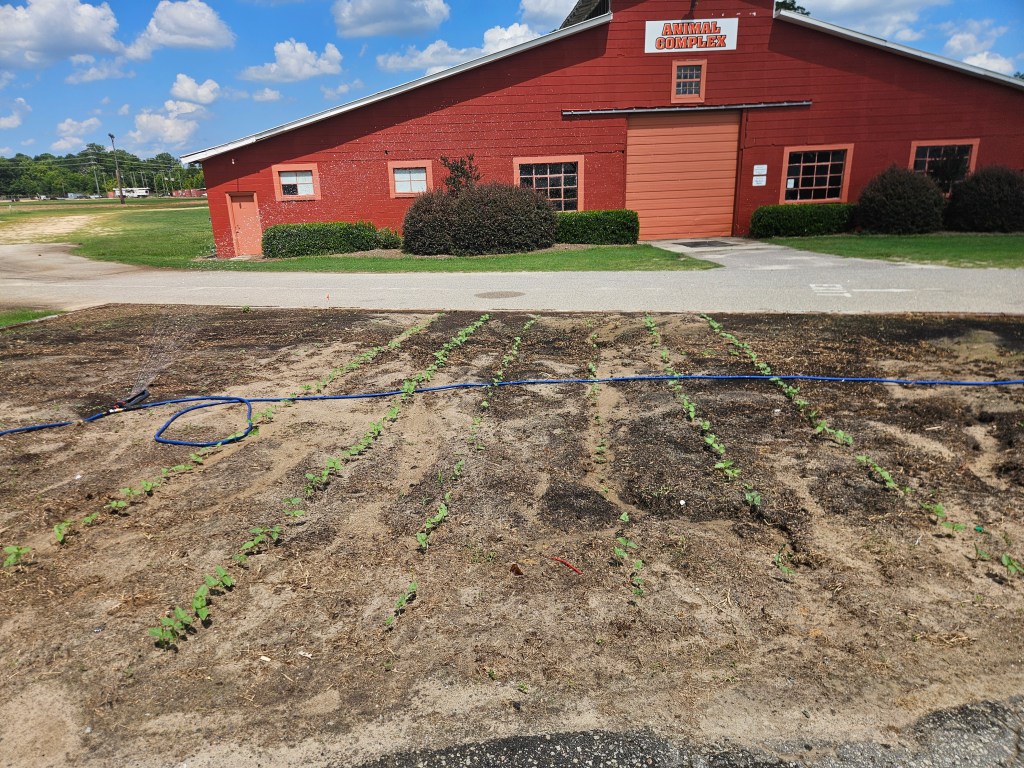
- Fall watermelons have been developing nicely and are almost disease-free, thanks to the sun drying the leaves after the short rain events we’ve had.
- Other than that, most things are starting to slow down as we get really hot.
- Growers are putting in orders for strawberries and other fall crops.
Pee Dee Report
Brad Fowler
- Overall, most crops have been looking pretty good with no major issues, but disease and insect pressure have increased in some areas.
- Rainfall remains pretty scattered across the region, so it’s important to be as proactive as possible with irrigation.
- Watermelon yields have been fair, not great, in some part due to weather conditions this growing season.
- Keep an eye on okra and let us know if you notice any insect pests. We are always on the lookout for the two-spot cotton leafhopper.
- While tomatoes are certainly winding down for the year, I have seen some disease lately. It’s always important to note any issues so that the right steps can be taken to ensure a good crop the following year.
Upstate Report
Briana Naumuk
- Here in the upstate, we have had scattered showers over the past few weeks, and those are expected to continue through this week. Be sure to check the radar this week for thunderstorms and severe weather, and take the necessary precautions to protect what you can. We are also set to hopefully see some cooler temperatures later in the week.
- We are nearing the end of blueberry harvesting here. Be on the lookout for fruit rots and other diseases as moisture levels increase.
- Figs are gearing up to begin picking soon.
- Muscadines are also coming along and are projected to be ready to start picking in mid-August. Be sure to scout for powdery mildew, as the weather has been ideal as of late.
- Our earliest apple varieties are set up for harvest in late July/early August. Later varieties are on track to start harvesting in September.
Question of the Week – Grower Spotlight
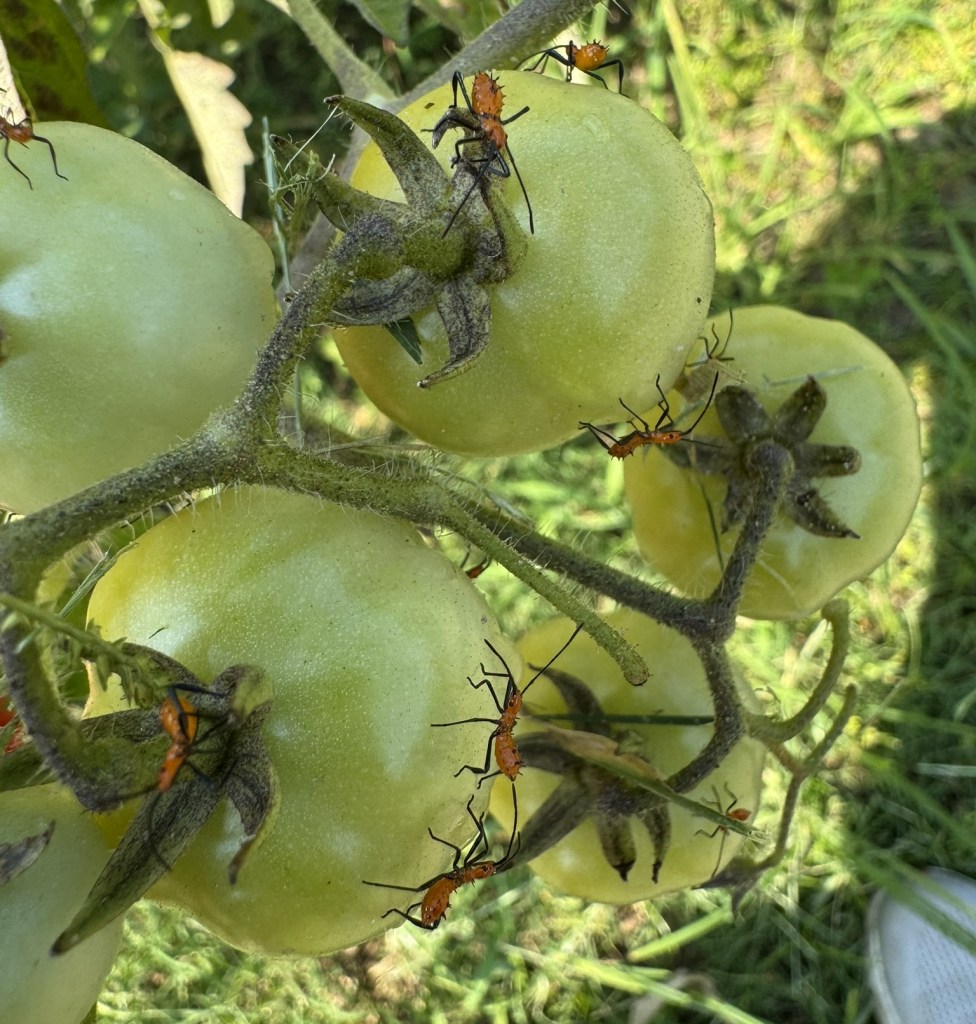
What is this mean-looking critter?
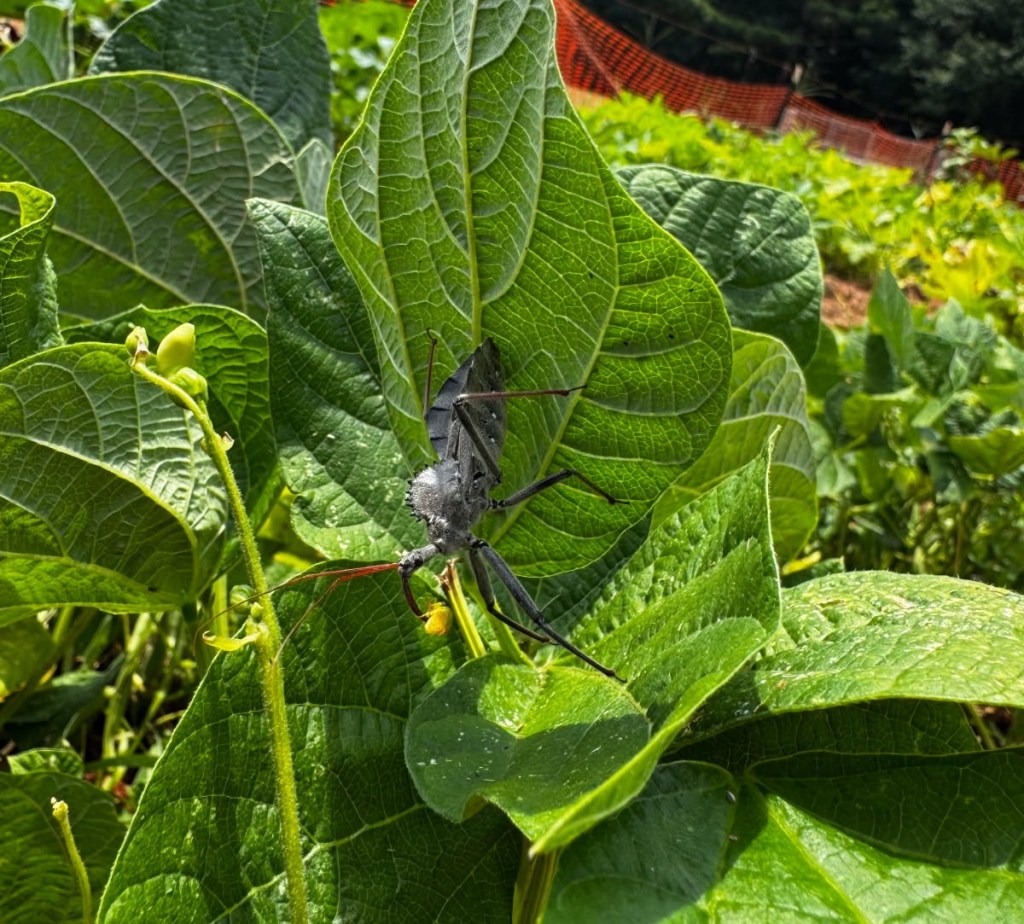
Answer in the comments below and check back on Thursday to see the answer.
Don’t forget to look at the Resources tab for links to crop handbooks, helpful websites, and related blogs. Have a great week!


One response to “South Carolina Field Update (July 20, 2026): Scout for Two-Spot Cotton Leafhopper”
A wheel bug!
LikeLike