The rain forecast last week never really materialized, as most places received only a few light showers. This week looks to be another hot one. Growers have begun planting crops for fall harvest. Disease pressure remains high across the state.
Key Takeaways for Growers This Week
- Fall planting has begun – including tomatoes, peppers, and cucurbits
- Keep an eye out for two-spot cotton leafhoppers – if found, call your extension agent
- Cucumber beetle activity is picking up – be mindful of bees when treating
- Peach harvest will continue for a few more weeks – Oriental fruit moth is showing up
Statewide Report
Tony Keinath, Extension Plant Pathologist
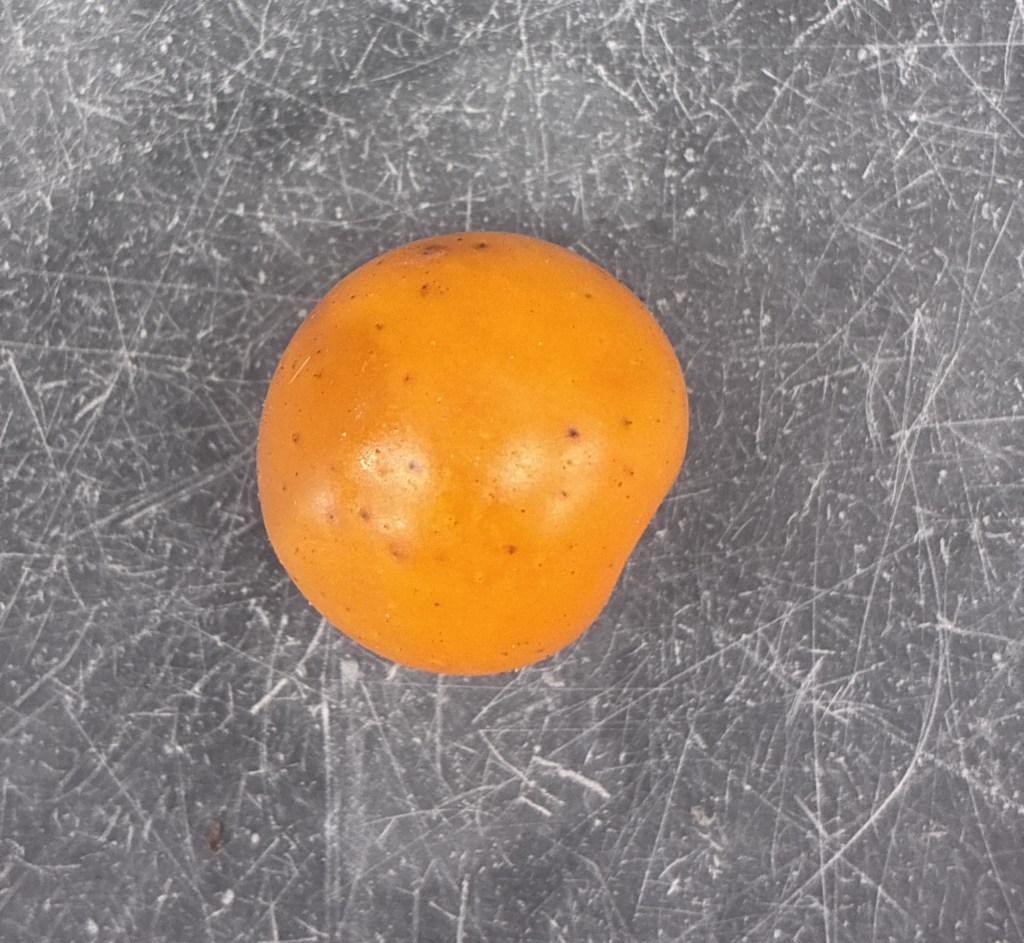
- Interns Adam Padgett and Will Dalton conducted a cultivar test comparing cherry tomatoes Sun Sugar (yellow) and Super Sweet 100 (red). Fruit was harvested three times (late June to early July) and evaluated for yield, firmness, and sugar content (% Brix).
- Sun Sugar had a higher sugar content than Super Sweet 100, with an average Brix of 9.4% compared to 8.1%.
- Fruit firmness was similar between the two cultivars.
- Fruit number and total weight were similar for both cultivars. Sun Sugar yield decreased over the three harvest periods, while Super Sweet 100 maintained more consistent production.
- Cracking of Super Sweet 100 fruit (10%) and rotting of both cultivars (5%) were observed at the last harvest period.
- Insect damage was observed on Super Sweet 100 fruit, and leaf-footed bugs were suspected to be the primary cause of the injury.
- Take-Home Message: Sun Sugar produced sweeter fruit, while Super Sweet 100 provided more consistent yields throughout the season. Both cultivars performed well, giving growers options depending on whether sweetness or production consistency is the higher priority.
Lowcountry Report
Anna Sara Hill
- The weather is still hot and dry. Many growers are having to limit irrigation and turn off water in some fields due to a low water table.
- One field had tomato vines full of ripe tomatoes, but the vines were wilting and beginning to die due to the dry weather.
- Despite the dry conditions, irrigated sweet corn advanced through early growth stages without exhibiting significant stress. However, the continued drought conditions created a moisture deficit during the reproductive stage, resulting in incomplete kernel development, reduced kernel set, and poorly filled ears.
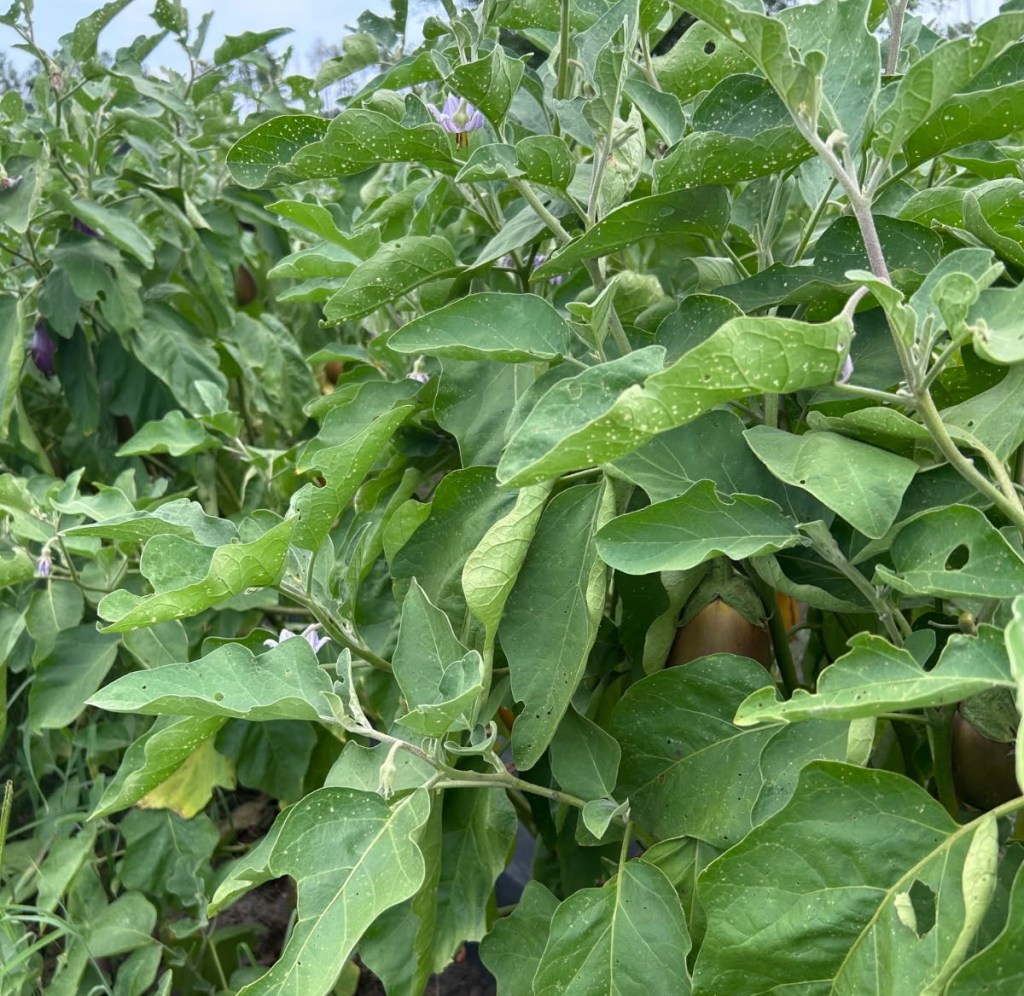
- Eggplants grew well under drip irrigation and appeared to yield a bumper crop despite an eggplant flea beetle infestation that left the foliage riddled with tiny shotholes.
- Watermelon production is slowing up, but some growers are still picking.
- Fall watermelons have been planted and are growing well.
Midlands Report
Rob Last
- After another hot, dry week in the Midlands, we have seen a few isolated storms delivering a little rainfall.
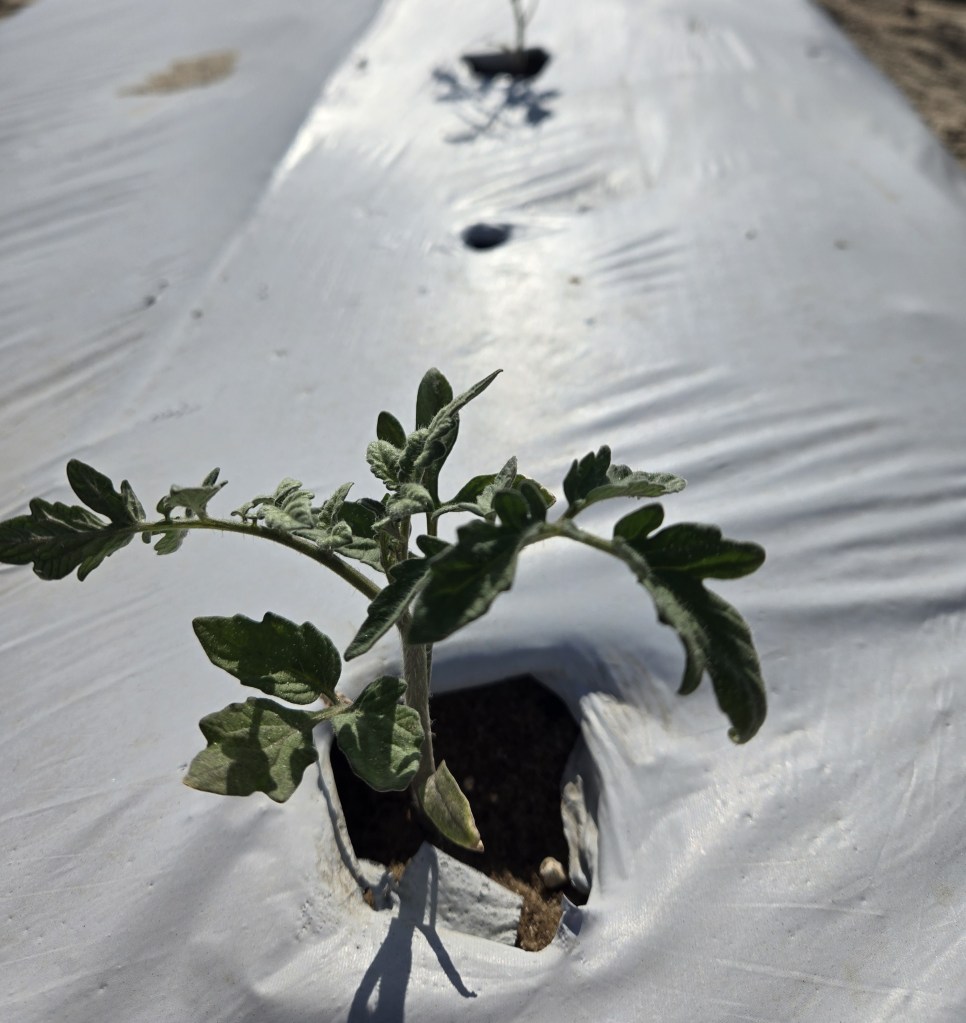
- Fall plantings are underway with tomatoes, peppers, and many cucurbit crops going in.
- Plants look great at the moment; however, disease scouting becomes crucial.
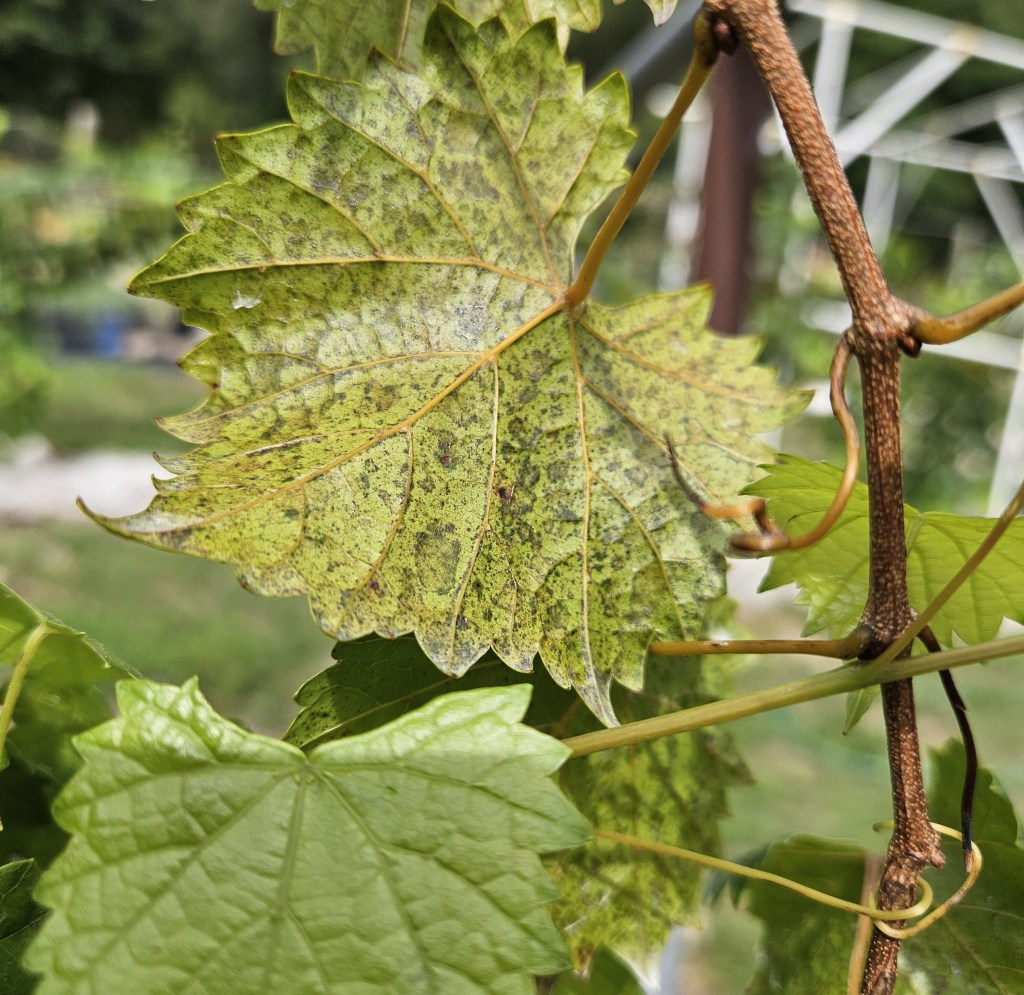
- Powdery mildew is active in a wide range of crops, producing spores to continue the cycle into fall.
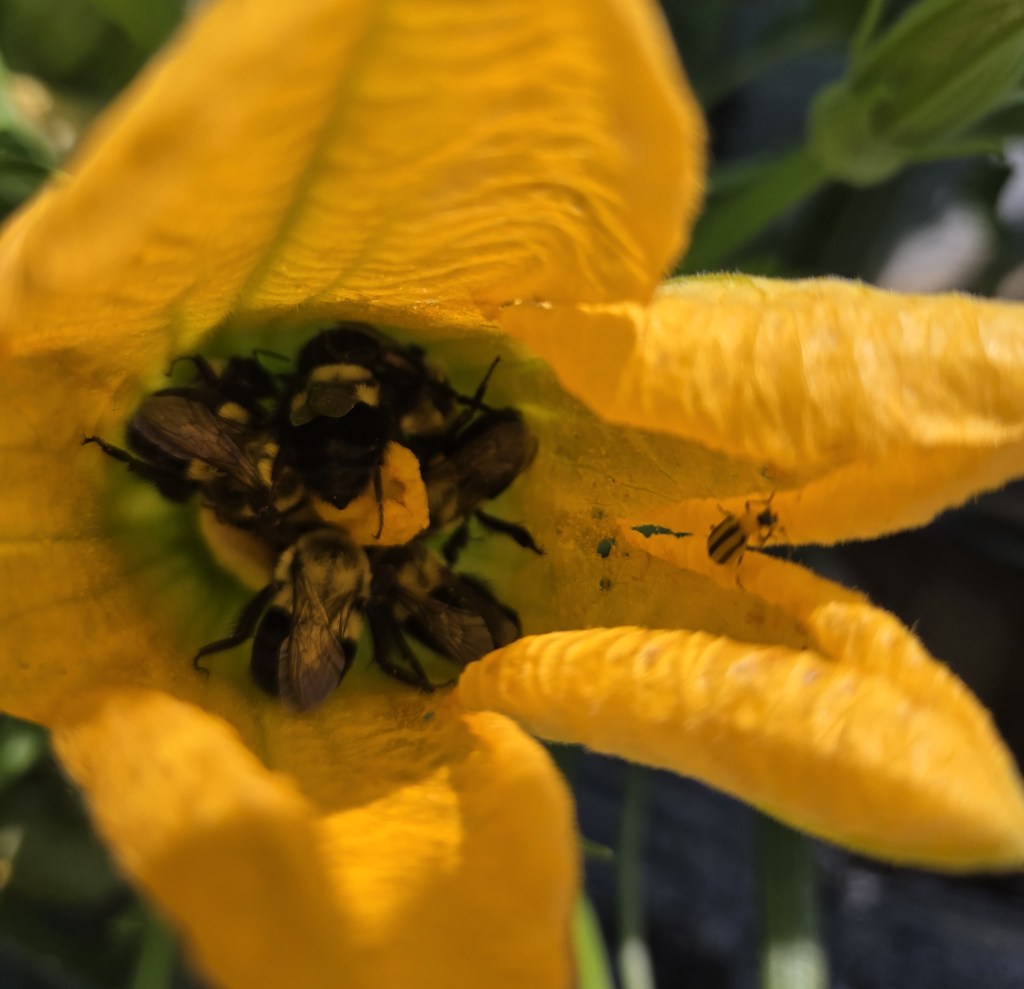
- Striped cucumber beetles are active in many cucurbit crops, with numbers warranting treatment.
- Ensure you follow bee-safety precautions during insecticide applications to protect pollinators.
- With fall, it may seem early to be discussing strawberries; however, if you haven’t ordered plants or cut-offs to date, the sooner you order, the more likely you are to get your desired cultivars.
Daniel Lyon
- Rain forecast for this last weekend was a bit of a tease. We did not get nearly as much as we originally expected. I did not get any rain at my house except for a short 0.5” shower on Sunday afternoon. Hopefully, we can keep some of this moisture in the ground with these cooler temps we are seeing.
- Just because it is cooler than it has been does not mean it’s “cool.” Be careful with any crop oil sprays, especially for home gardeners who use neem oil in their pest control regimen. These oils can cause phytotoxicity and be extremely damaging. Most labels say not to use oils when the temperature is above 85. Although lows are in the 70s, highs are still in the low 90s.
Sarah Scott
- Spotty rain showers have brought a little moisture to the area, but overall, we are still dry.
- Peaches are still being harvested for another few weeks. We’ve seen a high amount of brown rot this season despite maintaining good spray programs. Oriental fruit moth, which has been elusive for most of the season, has moved into orchards. Little damage has been observed in the fruit, but we are keeping an eye on feeding damage to new shoots.
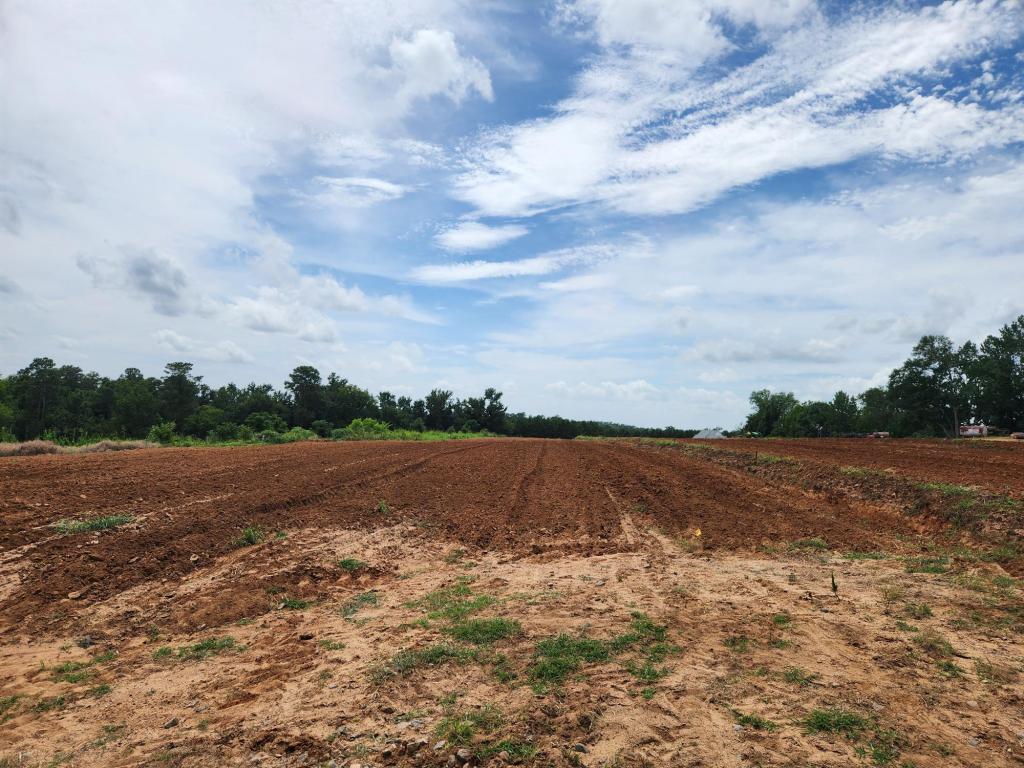
- Late summer crops like cherry tomatoes and peppers are still in the ground, and prep work has begun for new fall crop plantings.
Question of the Week
What kind of caterpillar is on this okra leaf? (Hint: This is a trick question.)
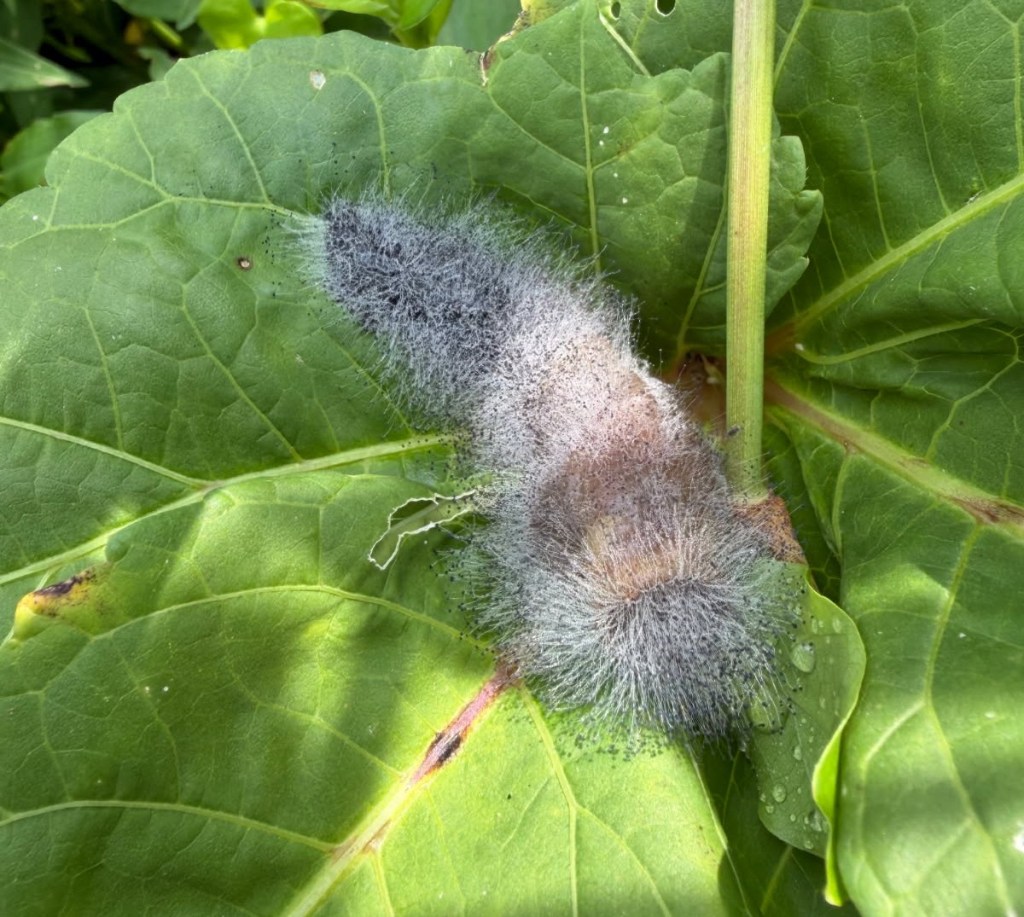
Answer in the comments below and check back on Thursday to see the answer.
Don’t forget to look at the Resources tab for links to crop handbooks, helpful websites, and related blogs. Have a great week!


2 responses to “South Carolina Field Update (July 27, 2026): Fall Planting Has Begun”
A “dead one”, due to a parasitic fungus!
LikeLike
I’ve been seeing this question a lot lately in gardening groups. After okra flowers drop from the plant, it is common for saprophytic fungi to colonize the flower and start the decomposition process, which is an important part of nutrient cycling.
LikeLike