Last week was a little cooler, and most areas received a little rain. Strawberry fields are being prepped across the state, with planting to begin in October. Be mindful of disease as the recent rainfall will make the environment favorable for development.
Key Takeaways for Growers This Week
- Strawberry fields being prepped – including bedding and fumigation
- Be sure to use preemergent herbicides – weeds in strawberries can be a significant issue
- Disease pressure expected to increase – scout and maintain spray programs
- Fall crops are establishing well – insects have picked up in some areas.
Lowcountry Report
Zack Snipes
- We finally received some rain on the Sea Islands in areas that just kept getting skipped for the past few months. Soils are moist enough to work for fall and winter crops. Strawberry growers are busy working the land and getting things ready for planting in a few weeks.
- Some folks have terrible weed issues in strawberries. We have preemergent herbicides that are excellent and have residual control that should carry you into the fall season. But NOW is the time to get those products out. Most have a 30-day plant-back restriction for strawberries.
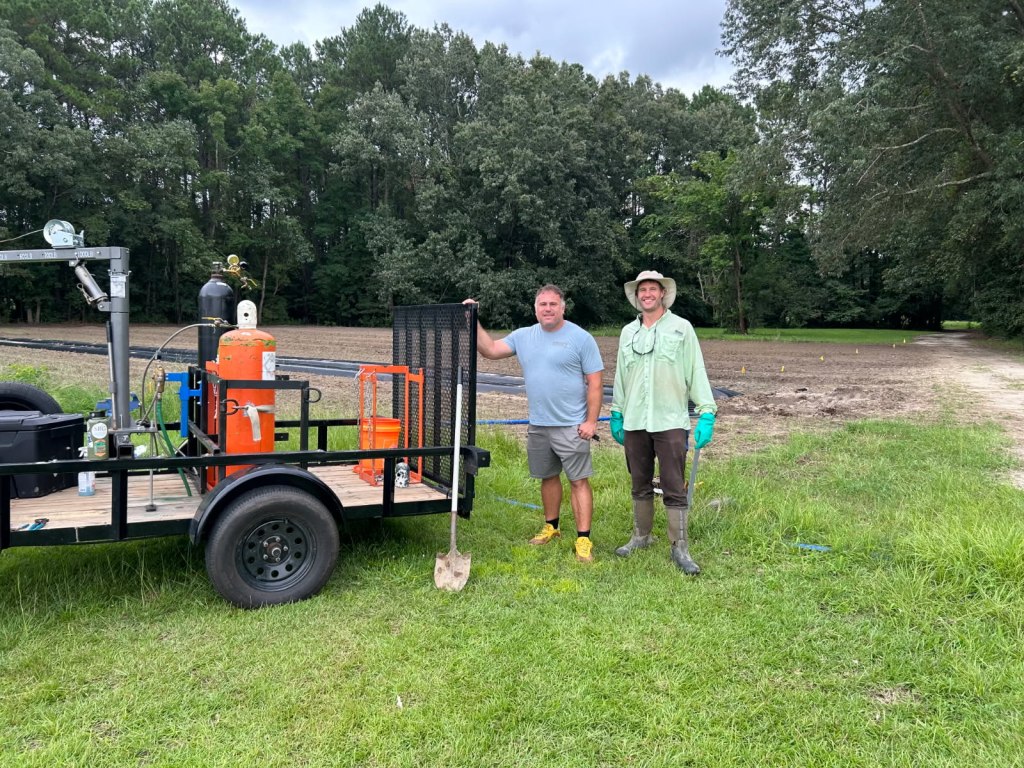
- The Clemson Extension Food Crop Horticulture Team has been busy the past few years learning, building, developing protocols, and performing on-farm demonstrations of in-line or drip-applied fumigants. We ran our first demonstration on Friday with our fumigation rig. We will be on-farm across the state all this week, helping growers safely administer fumigants.
Midlands Report
Sarah Scott
- A brief cool down was welcome, and while we did get good rainfall in spots across the Midlands, some areas did not receive measurable amounts.
- Growers who were lucky enough to get some rain have hilled and laid plastic for strawberries, while some are waiting for a little more soil moisture to ensure a nice, firm bed can be made.
- Fall vegetable crops, such as peppers, are growing well after establishment.
- We have wrapped up peach season for the most part and are continuing late-summer pruning/mowing and the removal of orchards that have aged out.
Pee Dee Report
Brad Fowler
- While summer is still going strong, we have had a few milder days that brought some rain. Stay on top of scouting for disease so that spray programs can be implemented quickly.
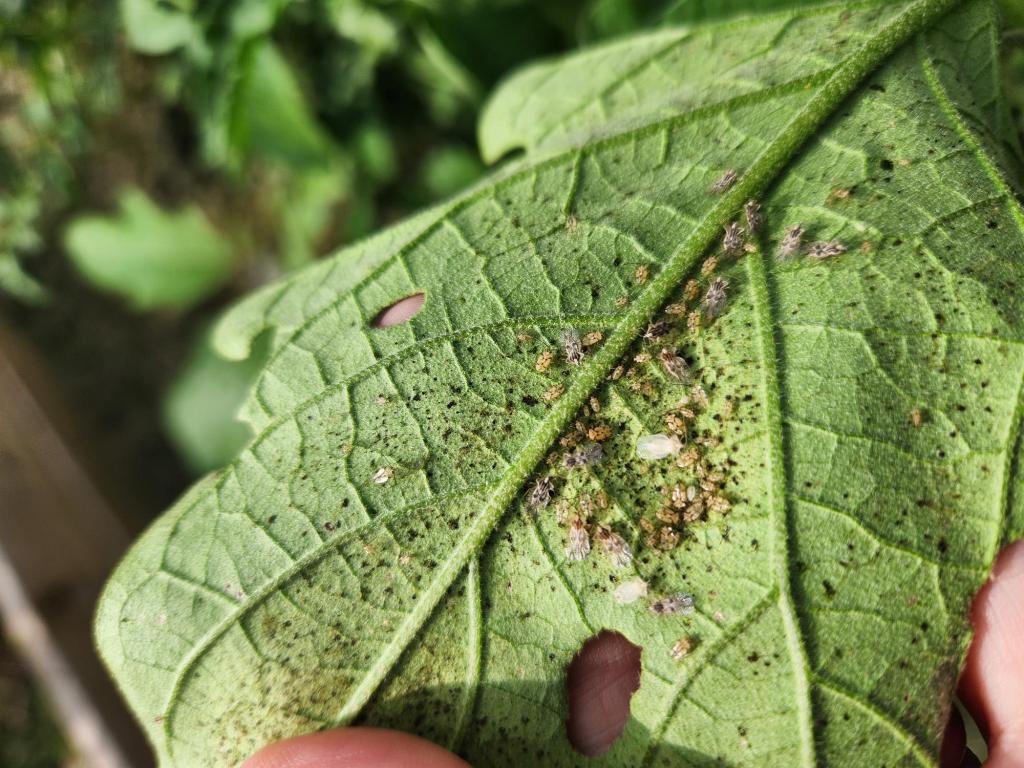
- Thankfully, I still haven’t received any reports of the two-spotted cotton leafhopper on okra.
- Fall vegetables are getting established with no major issues to report.
- Pecans have come up a few times in the past couple of weeks, and it’s important to remember that, especially under wet conditions, disease must be carefully managed. Please reach out if you need more information on pecan production.
Upstate Report
Andy Rollins
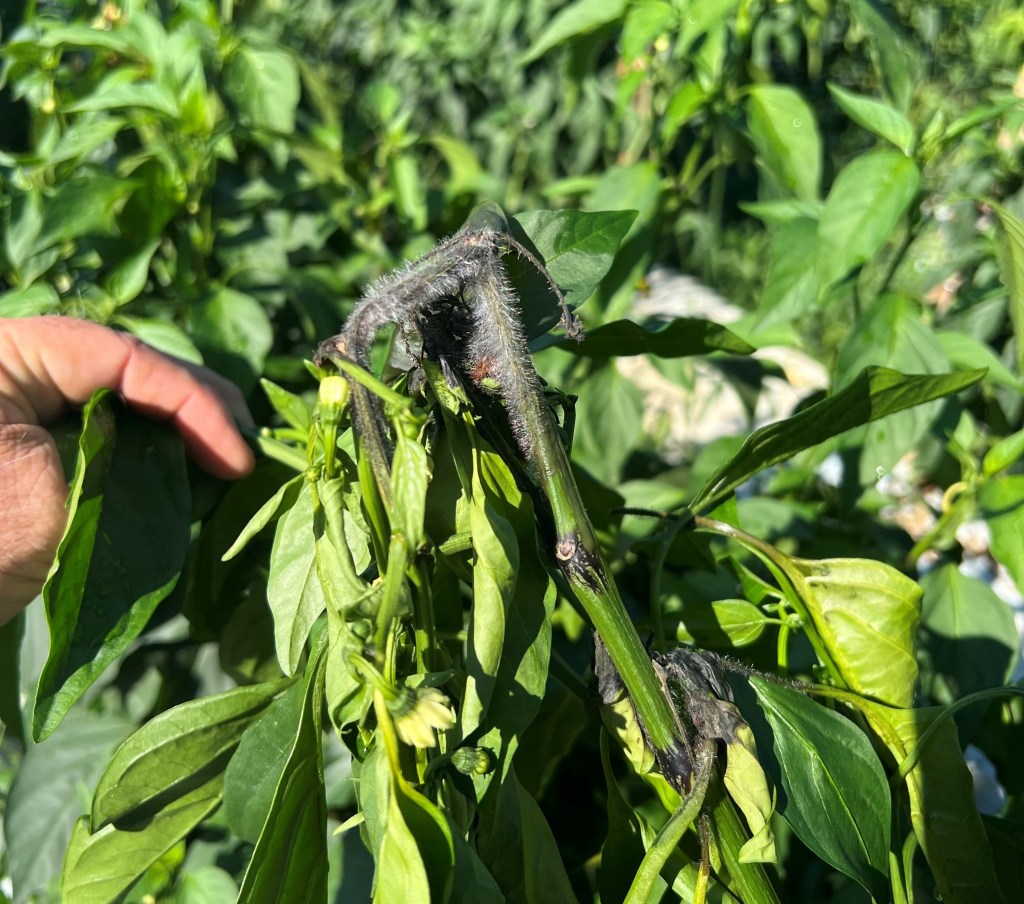
- Multiple pepper growers have experienced frequent rains, causing an unusual condition known as “Wet Rot”. This disease is caused by the fungus Choanephora spp. and is often seen on the flowers of squash and zucchini. It normally isn’t a major disease problem. Regular rains have repeatedly washed off protectant fungicides, and this disease is now killing plants from the top down and causing fruit infections as well.
- Muscadine production is in full swing. Some growers are seeing interveinal chlorosis on leaves, and the cause is being investigated. These symptoms can be nutrient-related, and a tissue sample will help pinpoint which nutrient.
- We are still picking a few peaches, but we are very near the end, with only a few growers harvesting.
- We are in the middle of fumigating for strawberries that will need to be planted at the beginning of next month.
Question of the Week
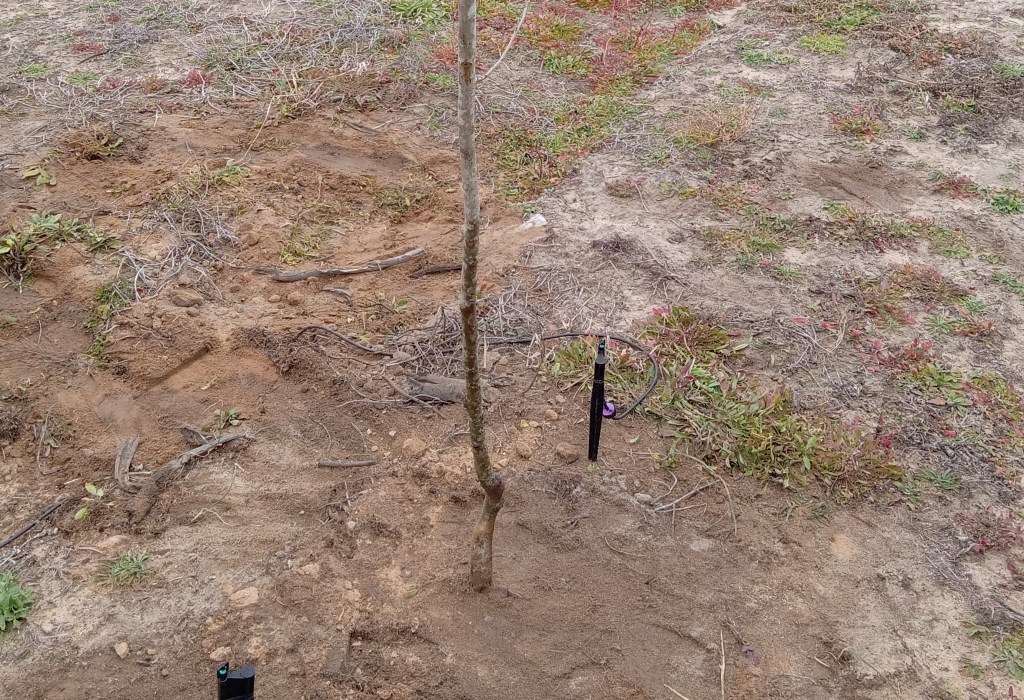
Virtually all commercial pecan trees are grafted. The graft union on this young tree is about 6 inches above the soil line. Where did the first successful pecan grafting occur?
Answer in the comments below and check back on Thursday to see the answer.
Don’t forget to look at the Resources tab for links to crop handbooks, helpful websites, and related blogs. Have a great week!

