Labor Day arrived with some rain and much-anticipated cooler temperatures. Fall crops are establishing well, though we are seeing a few insect issues. Whiteflies are showing up in a number of crops. Muscadines are coming to harvest. See details below.
Key Takeaways for Growers This Week
- Whiteflies are showing up – scout peppers and cucurbits carefully
- Muscadines are coming to harvest – yield and quality good so far
- Disease pressure expected to increase – scout and maintain spray programs
- Fall crops are establishing well – insects have picked up in some areas.
Lowcountry Report
Anna Sara Hill
- We had some rain in the area over the weekend, and Labor Day turned out a little cooler with a nice breeze, which was a welcome break from last week’s heat.
- I watched a new field of lettuce being transplanted this week. It is exciting to see a new commodity going in on a farm in the area.
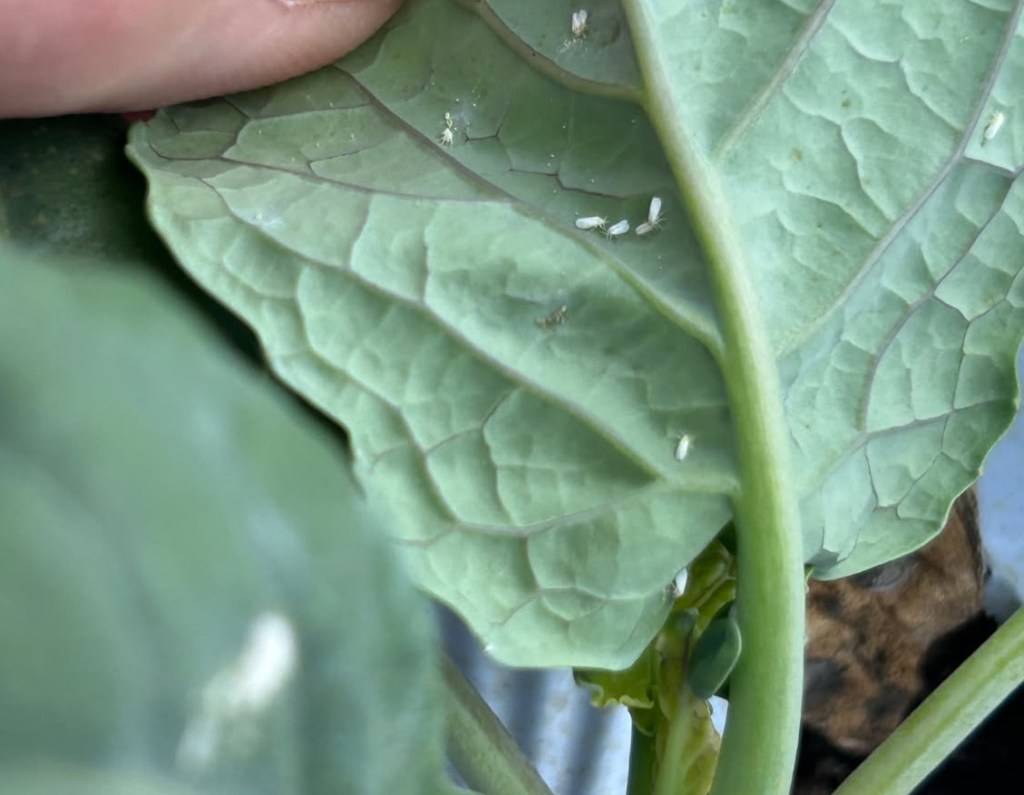
- Numerous adult whiteflies were observed in the broccoli field. No eggs or nymphs were detected, indicating a recent infestation. Only a few whiteflies were observed in the adjacent bell pepper field, primarily in the rows closest to the broccoli. The infestation was attributed to whiteflies introduced on lettuce transplants from the greenhouse.
- For more efficient scouting, inspect groups of five adjacent plants at 10 randomly selected locations throughout the field. Use a 10x hand lens to see and count individuals on the underside of leaves. When populations are high, run your hand across the plant, and they will fly up in clouds. Yellow sticky cards may also be used to detect and help manage whitefly populations.
- Whitefly populations can increase rapidly within a few days, particularly under hot, dry conditions. Proactive management is recommended in accordance with the Southeast Vegetable Crop Handbook. Apply a follow-up treatment four days after the initial treatment, then continue scouting and treating as needed, rotating chemistries (MOAs).
- The average whitefly life cycle is approximately 21 days, although it may be shorter under ideal weather conditions. Eggs typically hatch in about four days, but hatching may occur in as little as two days during hot, dry weather. As temperatures cool, the life cycle generally takes longer to complete.
- Whiteflies have a broad host range and are known to transmit plant viruses. Brassica crops are generally less efficient hosts for whitefly-transmitted viruses than many other crops because of the plants’ physical and chemical defenses. In comparison, bell peppers are more susceptible to developing whitefly-transmitted viruses. Because whiteflies have a wide host range, adults move readily between plants, seeking shelter and avoiding treatment. All crops on the farm should be monitored and managed.
- Early intervention can help control whitefly populations and prevent severe outbreaks.
Midlands Report
Daniel Lyon
- Last week brought some brutal heat, followed by some much-needed rain and a very cool, pleasant Labor Day weekend.
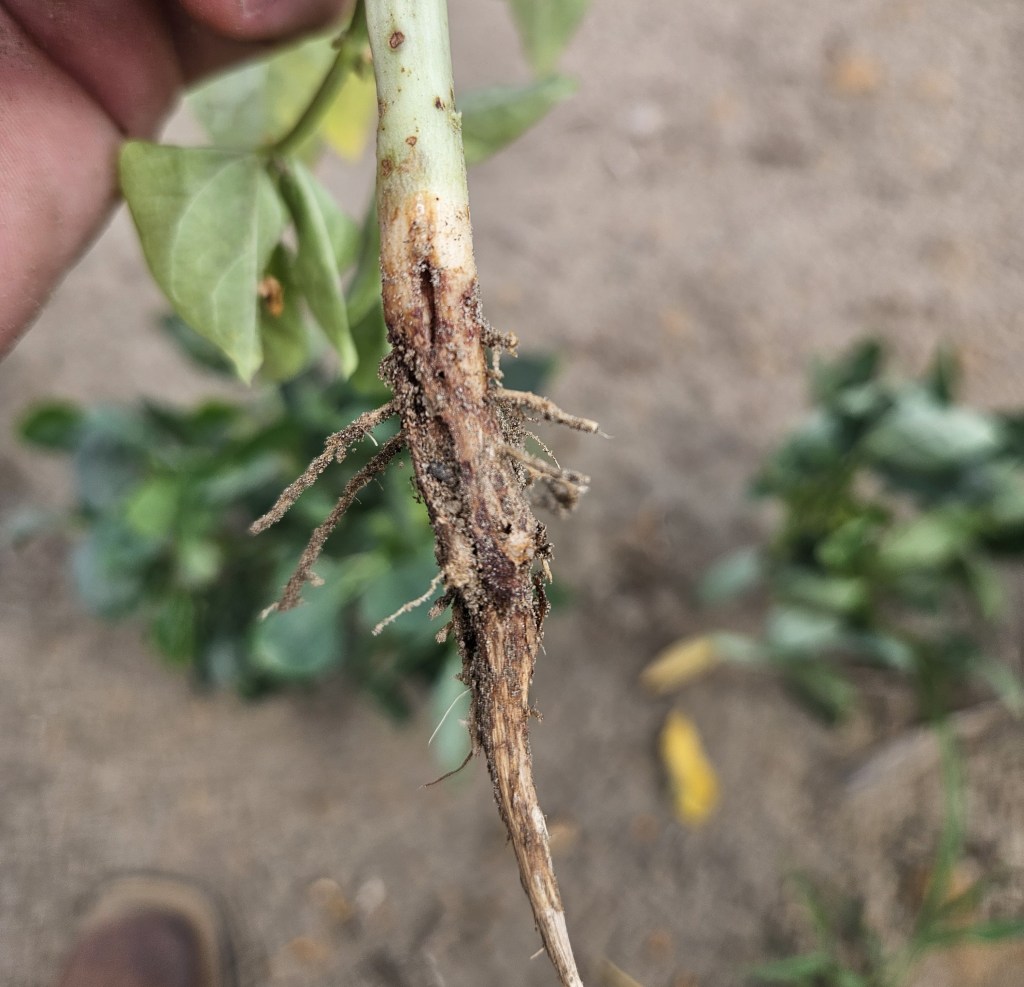
- The extremely hot and dry weather has brought pests that we normally wouldn’t see. I found lesser cornstalk borers (LCB) in a cowpea field. Symptoms included wilted, dying plants and girdled stems at or below the soil line. LCB moths prefer to lay eggs in dry sand. If a product is used, it should be directed at the base of the stems, but it is unclear if a rescue spray after symptoms have been spotted will have much effect.
- Several brassica fields planted in the last couple of weeks did not survive the heat. Some fields have been replanted since then and are re-establishing nicely.
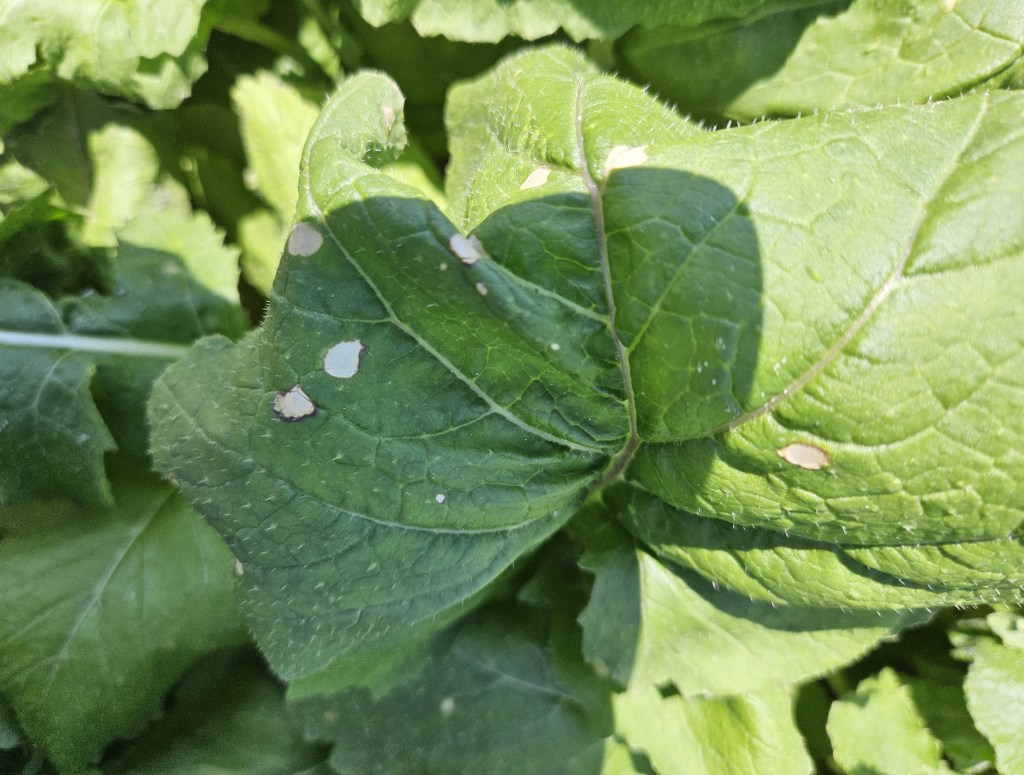
- Brassicas with overhead irrigation have burned spots on the leaves due to moisture drops remaining on the leaves when the sun is up. This can severely affect the marketability of the crop. Irrigate as early as possible so the moisture has a chance to evaporate before the sun reaches its maximum intensity. This may not be possible for all growers, especially when you have to move an irrigation system around the field multiple times per day.

Upstate Report
Samantha Brown
- Labor Day weekend brought some much-needed cooler temperatures, and it felt so good to be outside after the heat we’ve had this summer. It may have been short-lived, as we are seeing temperatures rise again this week.
- Rain is still hit-or-miss. Many areas around Anderson County received scattered showers over the weekend, but unfortunately, some of us are still desperately needing rain. I even had my 18-month-old trying out his best rain dance!
- Muscadines are doing well. Harvest is underway, and vines continue to look good. With rainfall comes increased disease potential, so be sure to scout vines closely. Keep an eye out for black rot, leaf spot, and powdery mildew following rain and periods of high humidity.
- Fall vegetables are off to a decent start. Crops are getting established, but they are definitely ready for some consistently cooler weather. As temperatures begin to moderate, fall vegetables should really start taking off.
- Keep scouting. Even as we transition into fall, insects and diseases can still cause problems. Continue monitoring crops, especially after rain events.
Question of the Week – Grower Spotlight
Where is Rob visiting this week?
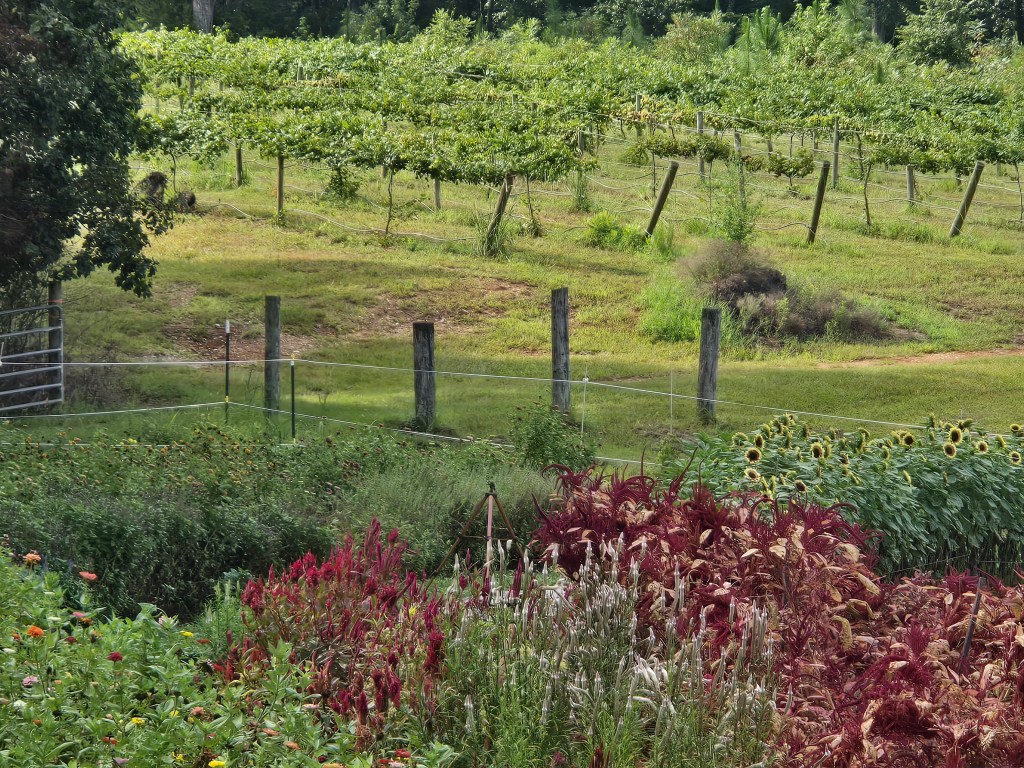
Answer in the comments below and check back on Thursday to see the answer.
Don’t forget to look at the Resources tab for links to crop handbooks, helpful websites, and related blogs. Have a great week!

