We had a beautiful week of weather and even some rain in places. Strawberry land prep continues, and some day-neutral varieties have already been planted. Disease pressure remains low overall, though some bacterial spot and powdery mildew issues are present in places.
Key Takeaways for Growers This Week
- Strawberry field prep continues – some day-neutral varieties have been planted
- Cucumber harvest is coming to an end – just a few acres to go
- Old peach trees are being pushed up – new plantings will begin soon
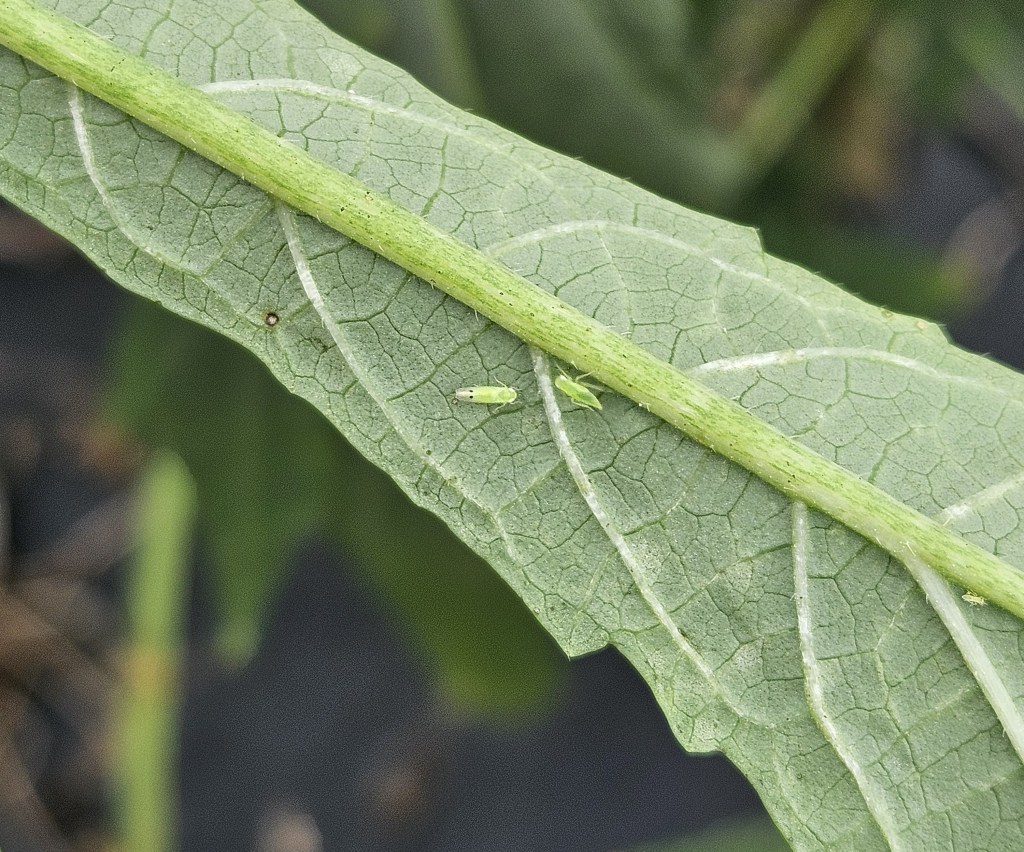
- Two-spotted cotton leafhoppers are being found in new fields – but at much lower numbers than this time last year
Lowcountry Report
Zack Snipes
- We are beginning to get dry again, with nothing promising to come in the next few days.
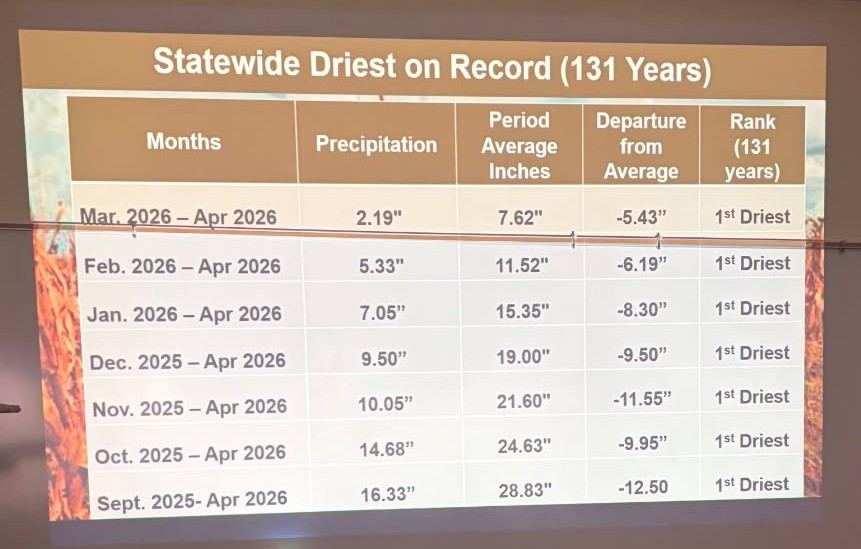
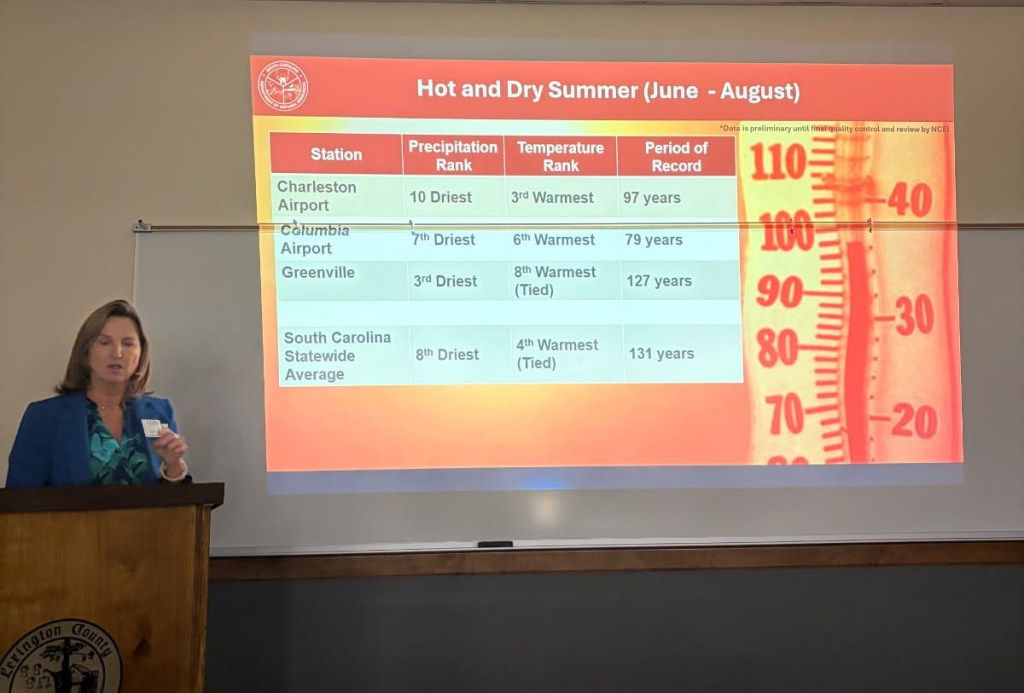
- Agents had the opportunity to learn about our climate last week. Hope Mizzell, the state climatologist, gave some insight into exactly how dry and hot it has been this past calendar year. It is the driest year in our 131-year recorded history and the 3rd warmest summer for folks in Charleston. The good news is that this year’s El Niño is expected to bring more rain during the winter months.
Midlands Report
Daniel Lyon
- This week, we saw the most substantial rain we’ve seen in a long time. It should really help with fall crop establishments along with lower temperatures. This week, it looks like it will warm back up some.
- Fall crop establishment is taking off now that the temperatures have dropped. Some crops that were planted when the temps were still up have struggled to make it.
- Strawberry land prep is in full swing. Some day-neutral varieties are being planted.
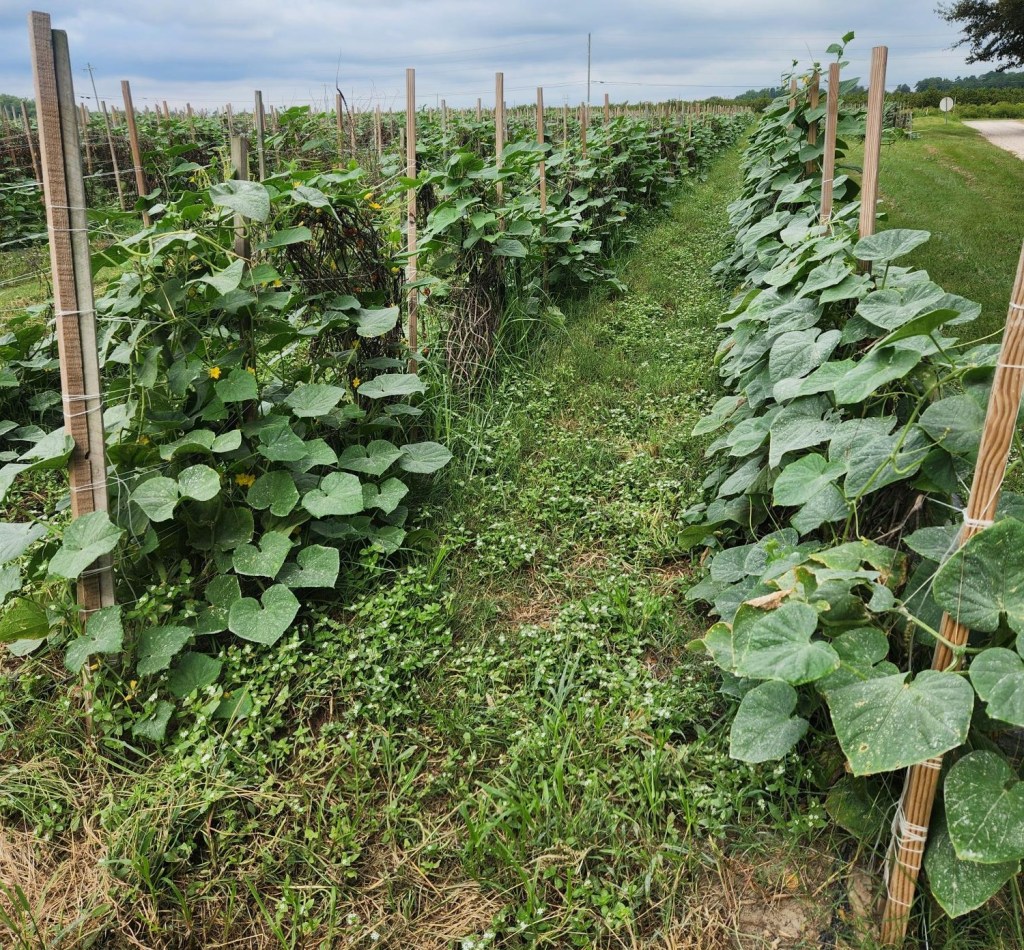
- Cucumber harvest time is coming to an end. Only a few more acres until we’re done
- Two-spotted cotton leafhoppers have been found in okra on the north end of Orangeburg County. We’re not out of the woods yet! Keep scouting.
Sarah Scott
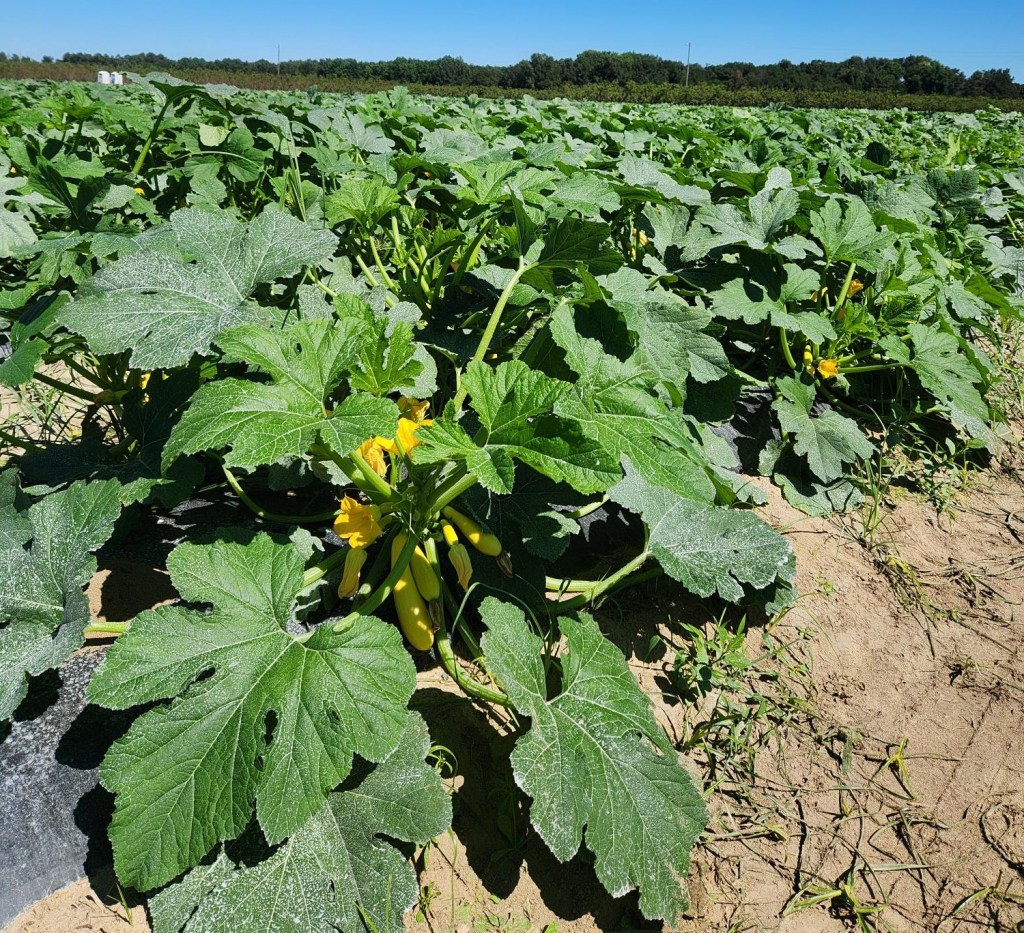
- A break from the heat last week was welcomed by plants and people. Fall crops, such as squash and peppers, have been enjoying the cool down and are performing well right now. Dry weather has also made disease pressure relatively low.
- Strawberry fields are prepped and ready. Planting will begin soon.
- Orchard floor maintenance in peach fields is happening along the Ridge. Trees that have reached the end of their productive life have been pushed up to make way for new plantings.
Pee Dee Report
Brad Fowler
- Rain continues to be sporadic, and temperatures have started to cool down, but the weather this time of year can vary quite a bit. This has the potential to cause an uptick in pest problems and throw a wrench in moisture management. That’s why it’s important to scout crops regularly and reach out to your local Extension Agent for help when needed.
- I have seen what looks to be bacterial speck and bacterial spot in fall tomatoes. Copper-based products can work well, but it’s important to catch these issues early and prevent them from becoming a serious problem.
- For help with disease and insect issues, remember to download the MyIPM app for both fruit and vegetable crops. The apps include pictures to help identify various pests as well as control recommendations.
Bruce McLean
- The last few mornings definitely felt like fall. I woke up to 49°F on a couple of mornings. But don’t get too used to the cooler temps, because warmer weather will be back in a couple of days. Hopefully, we will get another good shot of rain this coming weekend.
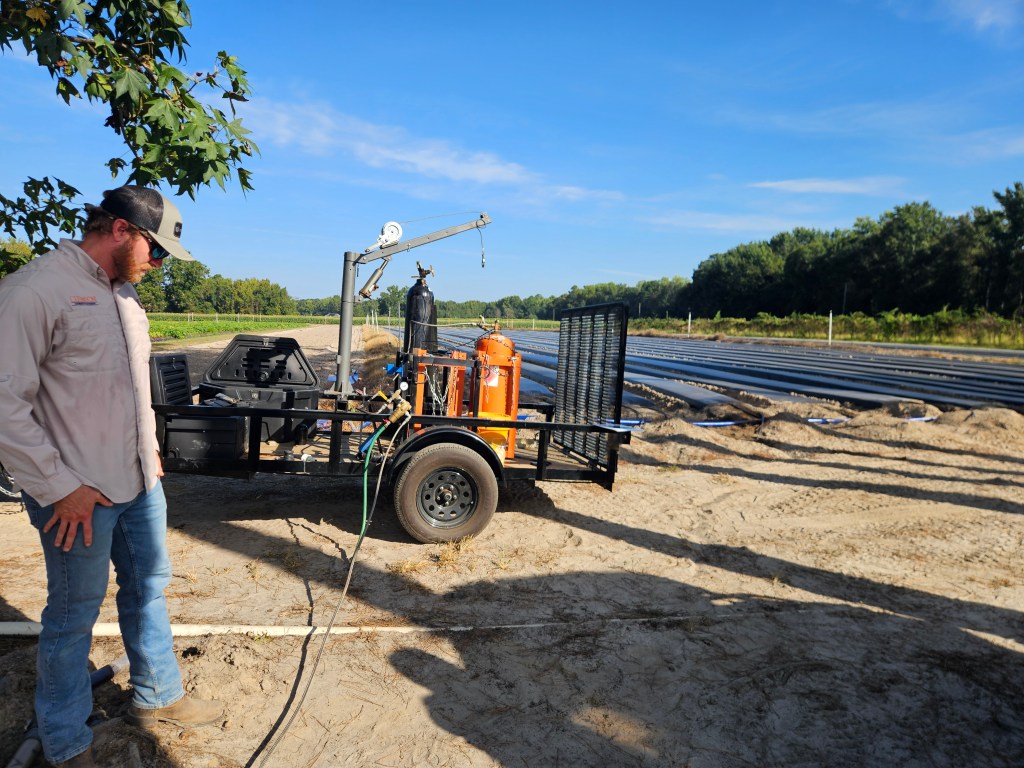
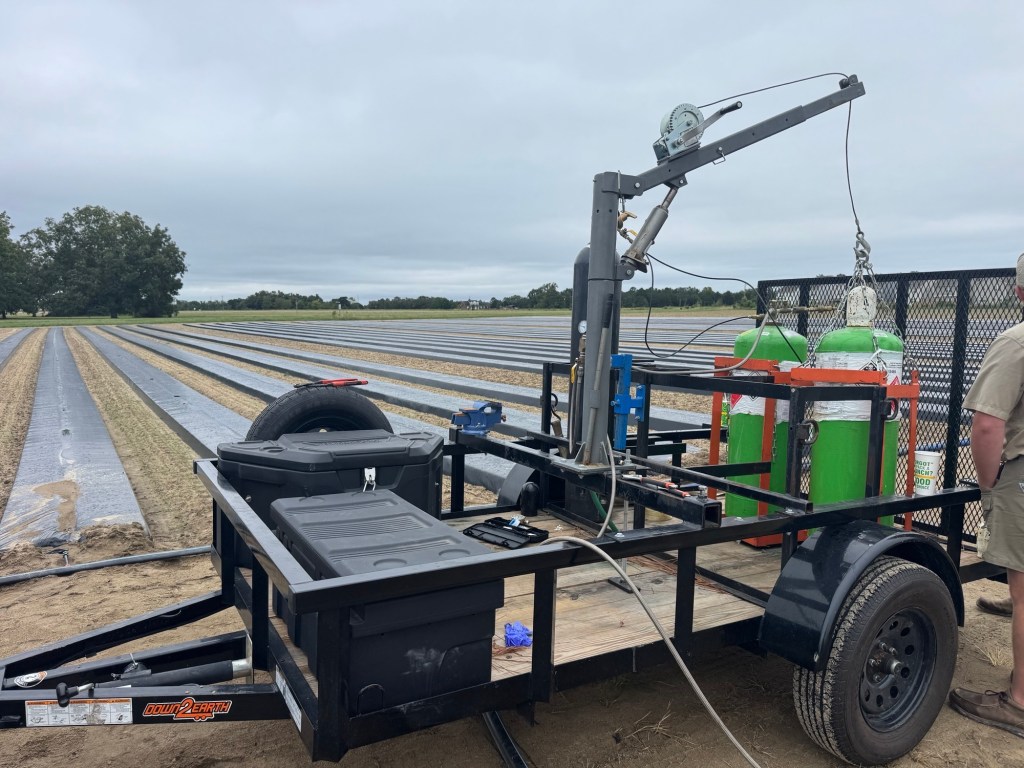
- Justin Ballew and I had an opportunity to use the in-line fumigation rig last week. We helped a grower fumigate his beds in preparation for planting strawberries. This is my first time helping with fumigation (using the mobile rig), and to say the least, I was very impressed with the ease of the process. Now, not saying there isn’t some risk, because fumigation can be dangerous (and possibly deadly) if not done properly. But this method of fumigation through the drip line is a great alternative to knifing in fumigant during the bedding process. This way allows growers (especially smaller growers) better options for disease (including nematodes), insect, and weed control. It can be done most of the year, and to any scale, even really small. The biggest challenge may be obtaining and transporting the fumigant. If you are interested in learning more about this setup and technology, contact one of the Food Crops Agents for more information or assistance with your fumigation project.
Question of the Week
What caused the irregular necrotic spots on this mustard?
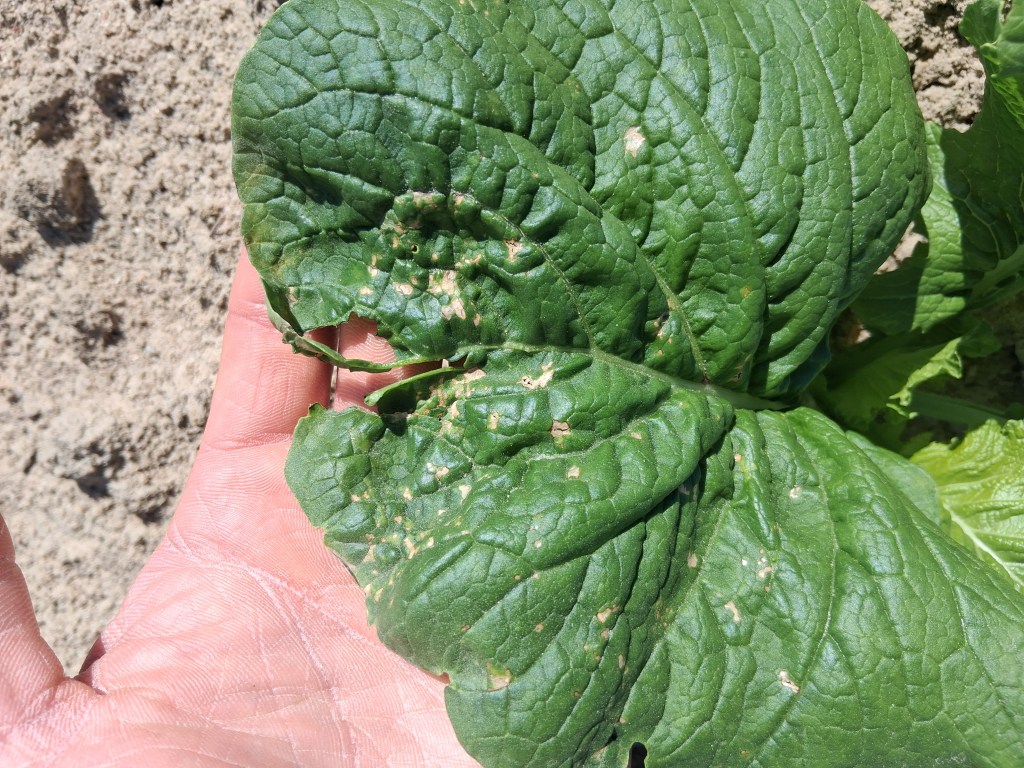
Answer in the comments below and check back on Thursday to see the answer.
Don’t forget to look at the Resources tab for links to crop handbooks, helpful websites, and related blogs. Have a great week!

