Hurricane Isaias brought some steady rain over the weekend. As a result, keep an eye on disease pressure in fall crops. Strawberry planting has begun in places. New training resources for strawberry planting crews were published recently, including English and Spanish-language planting videos.
Key Takeaways for Growers This Week
- New strawberry planting training resources available – view here
- Strawberry planting has begun – be sure to water in properly as temps rise this week
- Disease pressure may increase – scout cucurbits and brassicas carefully
- Fall crops look great – the rain over the weekend was very helpful
Lowcountry Report
Zack Snipes
- We finally got some rain but not quite as much as we had expected. However, the slow easy rain made most of what we got, soak into the ground. We needed it desperately. Many of our irrigation ponds are extremely low.
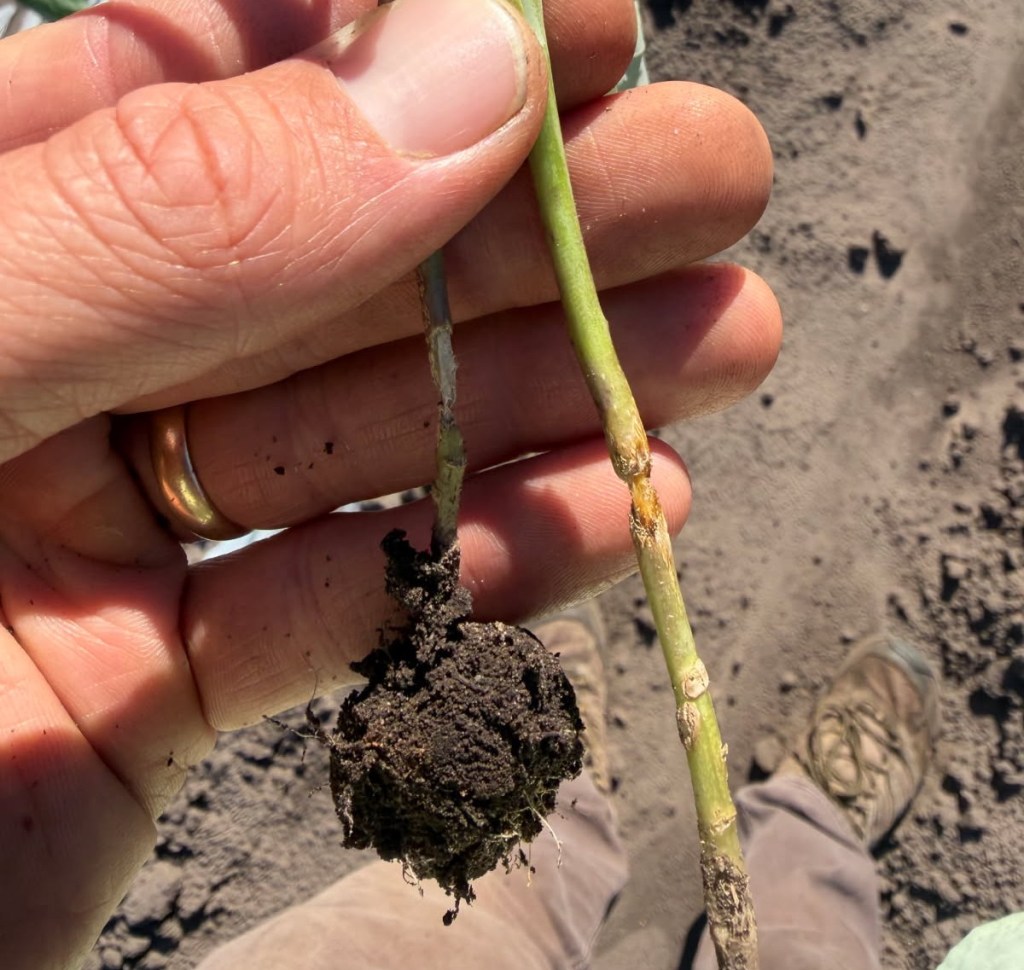
- Fall brassica crops looked rough leading up to the rain. They had a very difficult time surviving transplant with the heat and water stress. We had a good bit of ant, cutworm, and mole cricket damage as well on many farms. Hopefully we are past that now.
- I received a few calls this past week about double berry in blackberry. Double berry is exactly what it sounds like; there are two blackberries making one fruit. Think of it as Siamese blackberries. This is common in Prime Ark series and occurs when there are elevated temperatures during bloom. We don’t see this much in the spring but will see it on fall crops as blackberry is blooming in August and September when temperatures are in the 90s.
Midlands Report
Sarah Scott
- This weekend the area received pockets of heavy rainfall with up to 3 inches measured in parts of Aiken County. Although the rain was welcomed by most, we will be monitoring late summer crops such as squash and tomatoes closely for disease issues following the moisture.
- For now, we are still harvesting tomatoes, squash, eggplant, peppers, and cucumbers in good numbers.
- Strawberries are starting to go in the ground. Fall brassica crops are growing well.
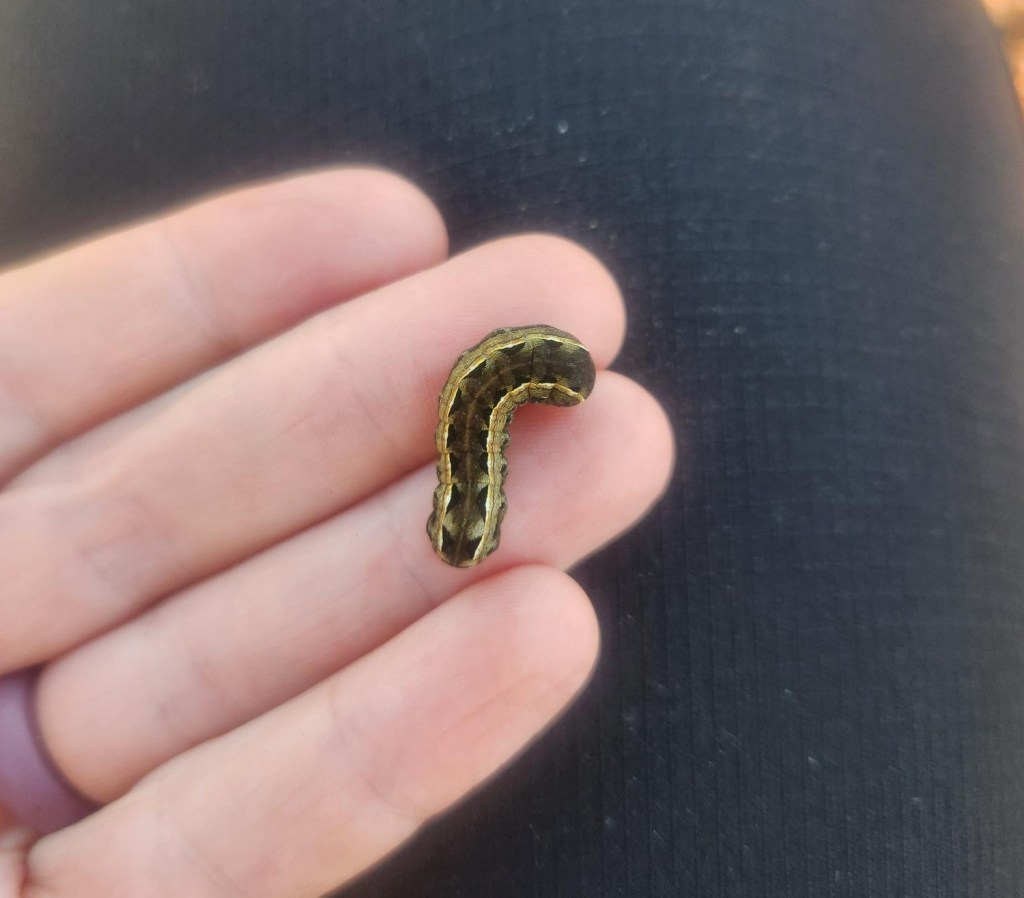
- Not a huge issue right now, but yellow striped armyworms are showing up across the area in brassica plantings. For now, management seems to be under control. A reminder that these pests can thrive on common weeds found in vegetable fields so proper management can help keep populations at bay.
Pee Dee Report
Brad Fowler
- Thankfully, the storm didn’t cause any major damage in the Pee Dee and provided some much needed moisture.
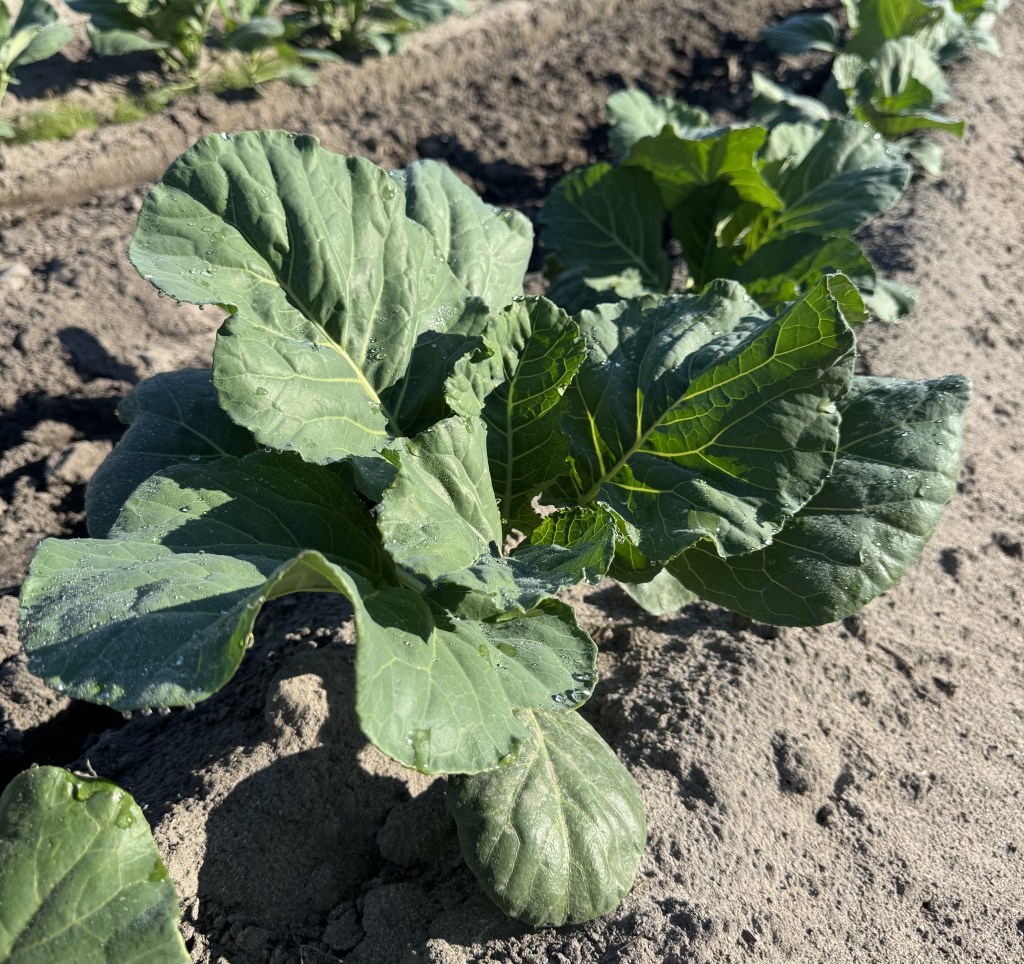
- The collards and cabbage that I have seen look good, but the recent rain may contribute to disease issues, so be on the lookout for any potential problems.
- Strawberry plating season is upon us, so don’t hesitate to reach out with any questions or issues.
- Don’t forget that there are a ton of resources on the SC Grower website, including a pdf version of the Vegetable Crop Handbook, in case you don’t have a physical copy.
Upstate Report
Samantha Brown
- Praying for everyone in the path of Hurricane Isaias and hoping everyone stayed safe. Here in the Upstate, we received some much-needed rainfall that should be a tremendous help to our growers.
- Strawberry plants are in the ground, and this rain will help get transplants established and encourage good root development. However, with temperatures into the mid-80s this week, lingering moisture may increase disease pressure and create favorable conditions for certain insect pests. Keep scouting fields closely and stay on top of any developing issues.
- For those growing cool-season vegetables, now is a great time to keep an eye on fall crops such as broccoli, cabbage, collards, kale, and other leafy greens. Recent rainfall was beneficial, but be mindful of saturated soils and ensure fields have adequate drainage.
- Warm temperatures can also encourage pests like cabbageworms, diamondback moths, and aphids, so regular scouting is important. As always, good field monitoring and timely management will help keep crops on track as we move further into fall.
Question of the Week – Grower Spotlight
Which upstate farm is Samantha visiting this week?
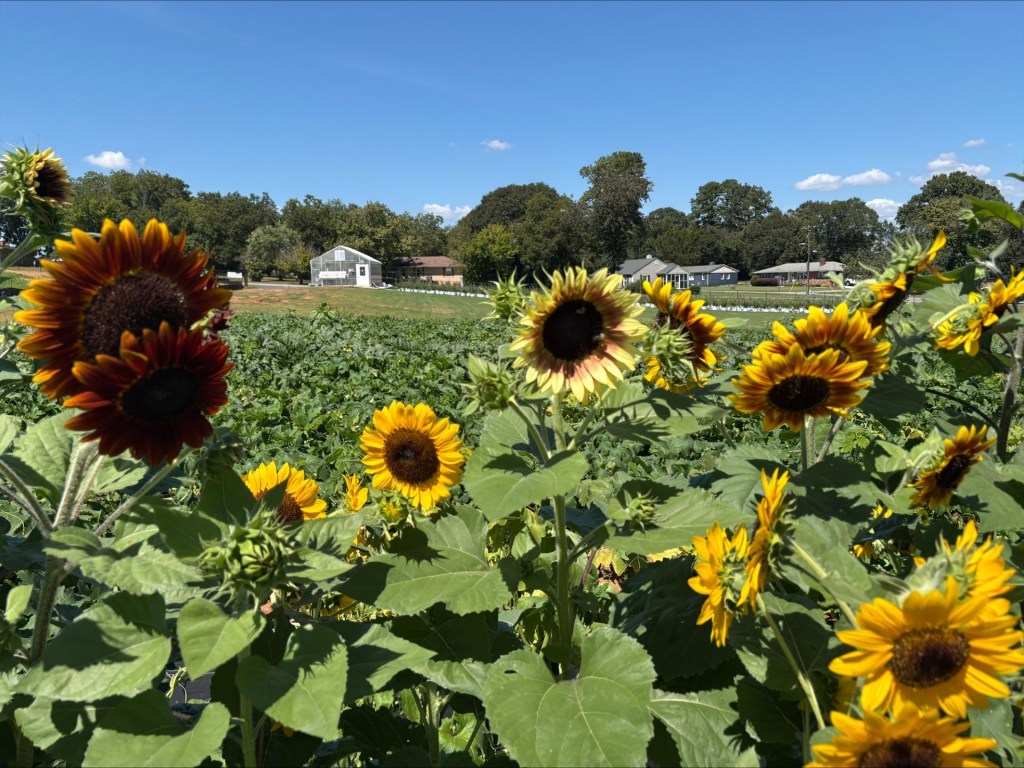
Answer in the comments below and check back on Thursday to see the answer.
Don’t forget to look at the Resources tab for links to crop handbooks, helpful websites, and related blogs. Have a great week!

