The weather will cool down to near freezing in some areas towards the end of the week. We’re likely looking at the end of the warm-season crops. Fall crops are looking great with less insect and disease pressure than we’re used to.
Key Takeaways for Growers This Week
- Freezing temps may occur late this week – That will end warm-season crops
- Dry weather brings low disease pressure – But don’t let your guard down
- Root rot is showing up in strawberries – Ridomil applications will be helpful
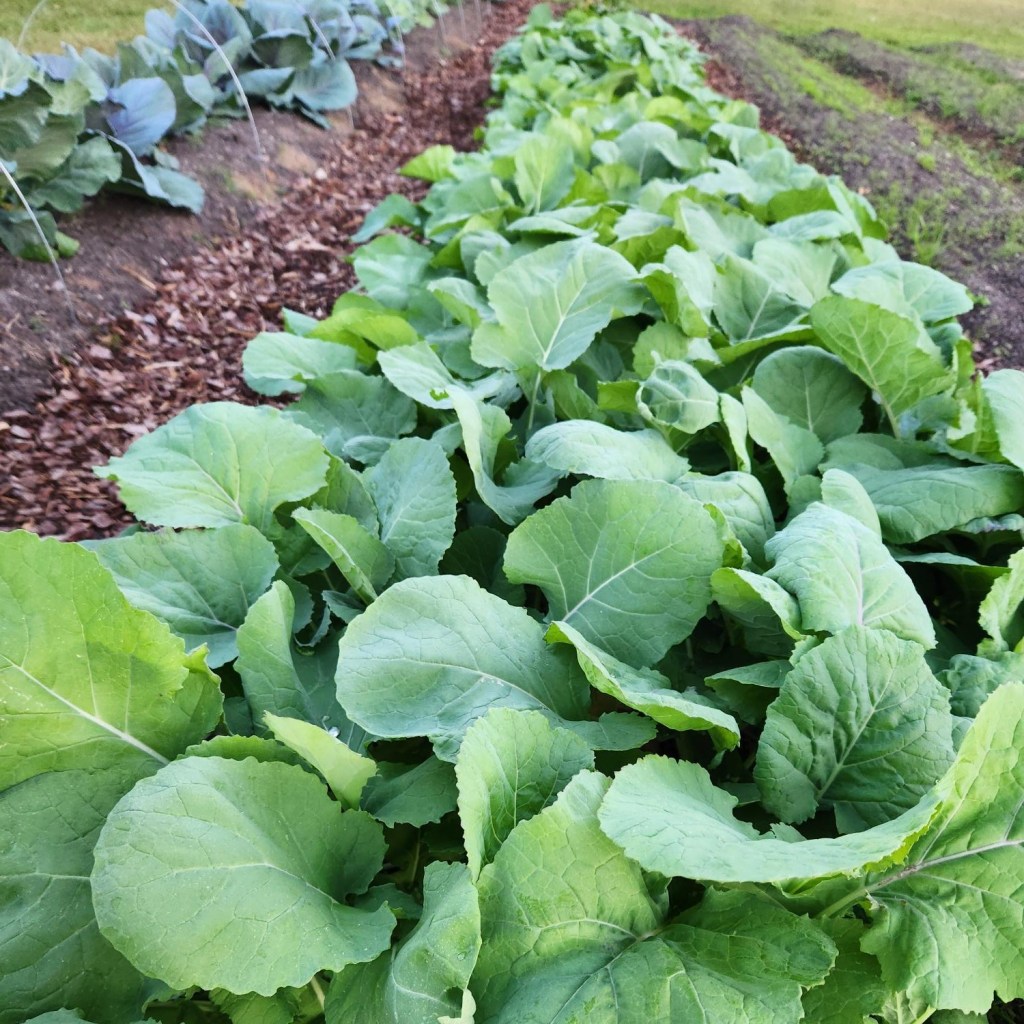
- Cool-season crops are coming in – broccoli, collards, and lettuce look great
Lowcountry Report
Zack Snipes
- It’s very dry again in the Lowcountry. The good news is I haven’t seen too many diseases this fall.
- Watermelon, melon, tomato, sweetpotato, and squash harvests are wrapping up for the fall. Our fall and winter crops are beginning to come on strong with the cooler temperatures. We are cutting broccoli, cauliflower, collards, and lettuces that look really great. I am seeing a bit of black rot on brassicas, which doesn’t surprise me with the heavy morning dews we have had.
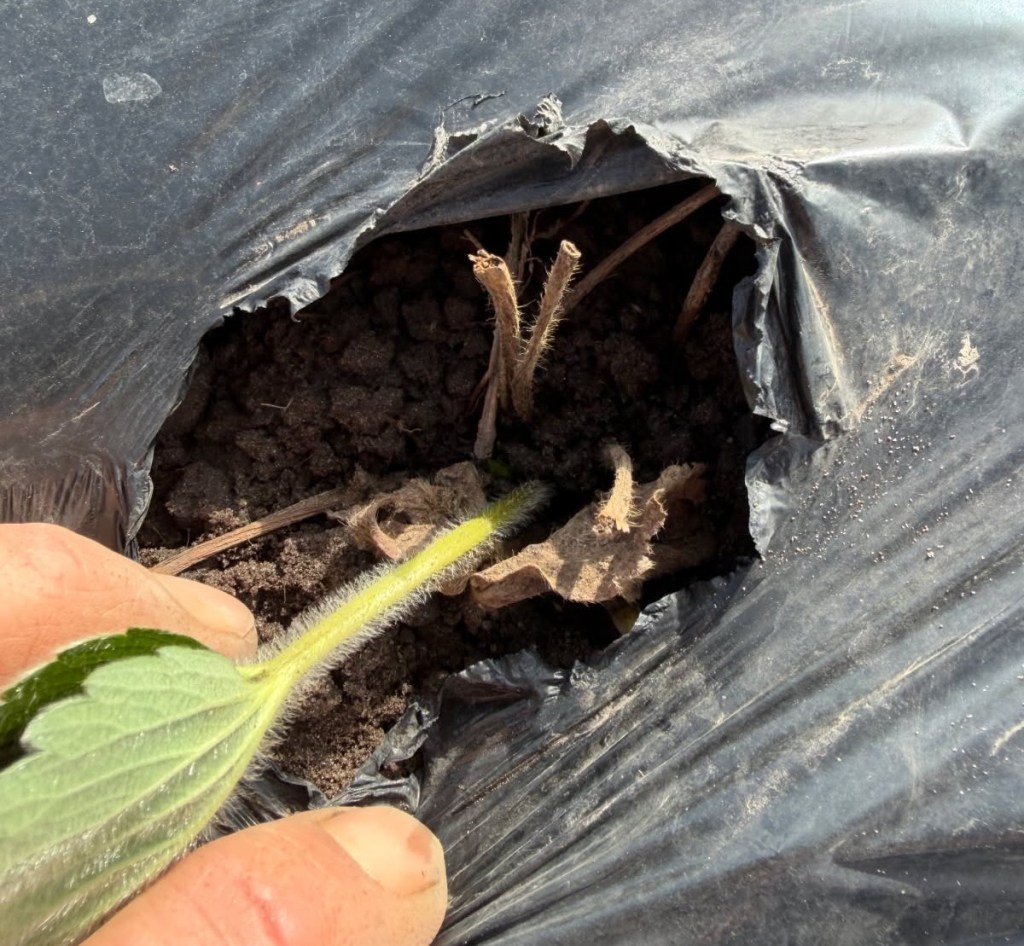
- Most of our strawberries are planted and are putting on new growth for the fall. I have seen some Phytophthora root and crown rot impacting stands. I would recommend a Ridomil application about three weeks after planting if you have spots that are dying or have had issues in certain fields or areas before. If possible, I really like to apply the product directly into the plant hole with a backpack sprayer to ensure it is taken up by the plant. Later in the season, I like running it through the drip, but while the plants are small, I think a drench works best.
Midlands Report
Rob Last
- After some welcome rain late last week, temperatures are set to be at a seasonal norm until the latter part of this week, when we are expecting another cool-down.
- Keep monitoring the forecast temperatures for the end of the week. At the moment, I am seeing some overnight lows for the Midlands barely above freezing. Maximizing the harvest of late-summer fruiting vegetables may be beneficial.
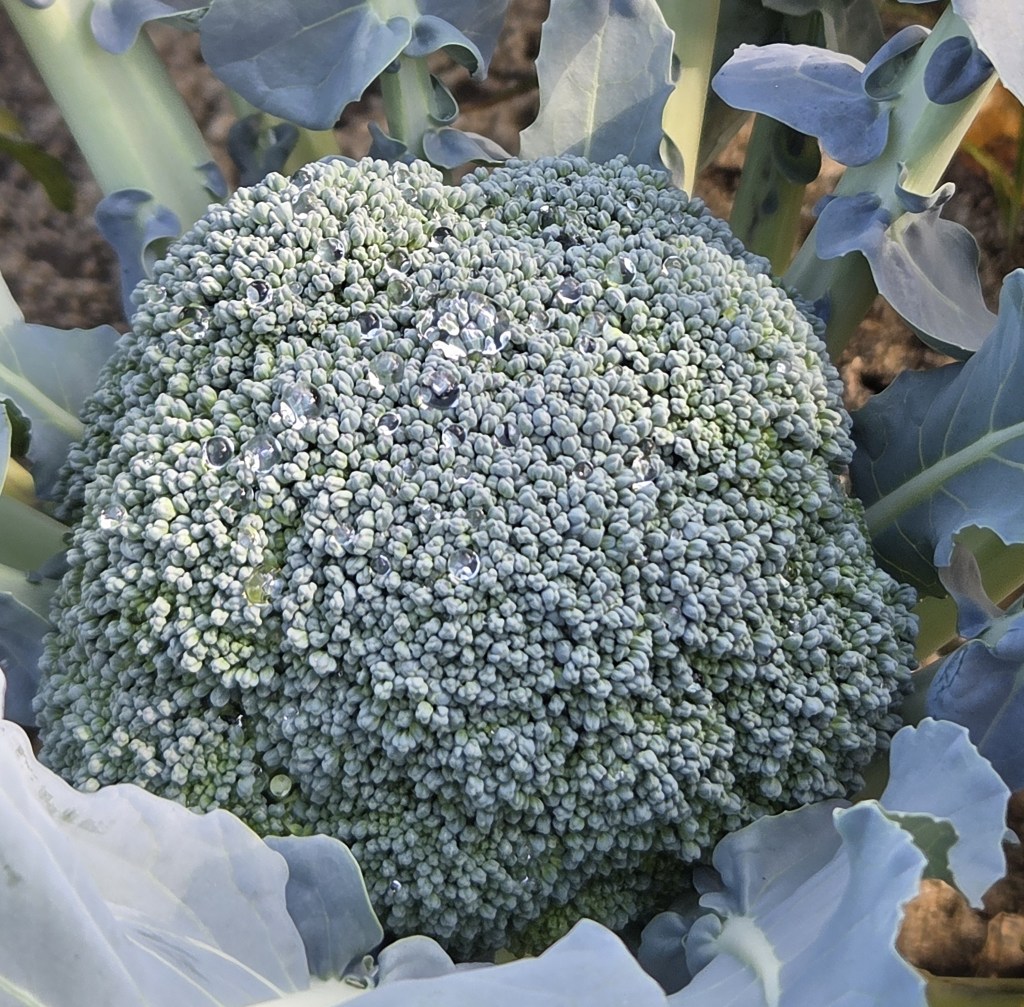
- Cooler temperatures may lead to purpling of brassicas. This is related to reduced Phosphorus uptake, but crops will grow out of it. There is no need to apply more phosphorus.
- Strawberries are developing well with few issues at present. Keep scouting for any leaf lesions that may appear.
- Brassicas are developing well. Pest issues remain light; however, keep monitoring. I am getting isolated reports of cross-striped cabbage worm.
Sarah Scott
- We received some much-needed rain last week, although not in very large amounts. Some areas measured up to an inch, but most of the Ridge saw less than that.
- Dry weather isn’t all bad, as we have better control over moisture in the field, and, as a result, disease pressure is currently low in our fall vegetable crops.
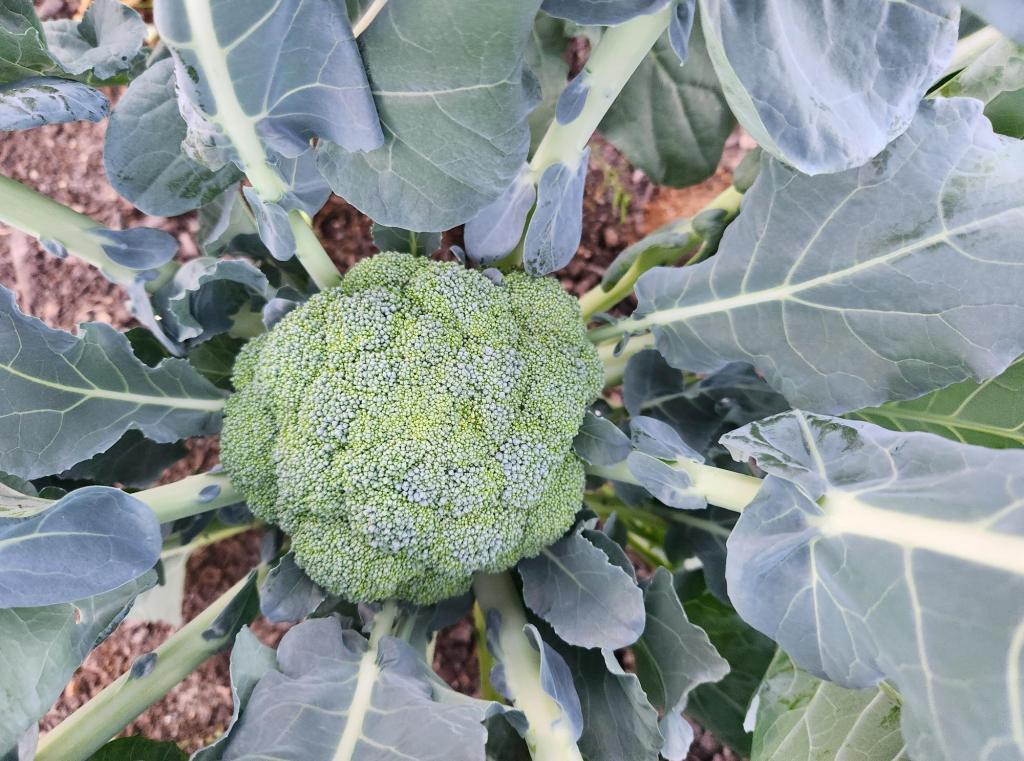
- Insect pressure has also been slightly lower than last year, although I have seen an uptick in aphids and whiteflies in brassica fields. The caterpillars I’ve been seeing the most are armyworms, not our usual diamondback or cabbageworms. These have been found on brassicas and beets.
- Overall, fall crops are looking good and being harvested at a steady rate.
Pee Dee Report
Brad Fowler
- A lot of the brassicas I have seen look pretty good, but I have noticed some possible black rot. Black rot can be tough to treat, and while copper-based products may provide some control, their effectiveness will be limited.
- Strawberries are looking good overall, but be very mindful of how much water is being applied. I went to a field last week that was staying a little too saturated in certain sections, causing some plants to die.
Question of the Week – Grower Spotlight
Where are Lacy and Jhessye visiting this week?
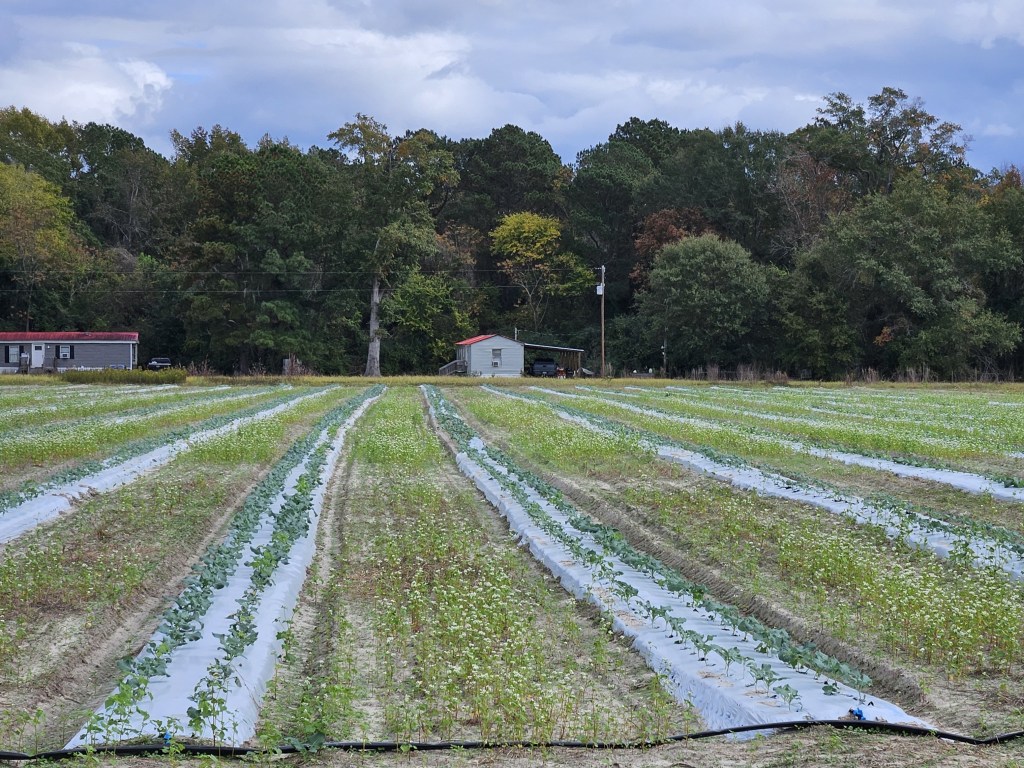
Answer in the comments below and check back on Thursday to see the answer.
Don’t forget to look at the Resources tab for links to crop handbooks, helpful websites, and related blogs. Have a great week!

