Category: Question of the Week
-
Question of the Week – Armyworms
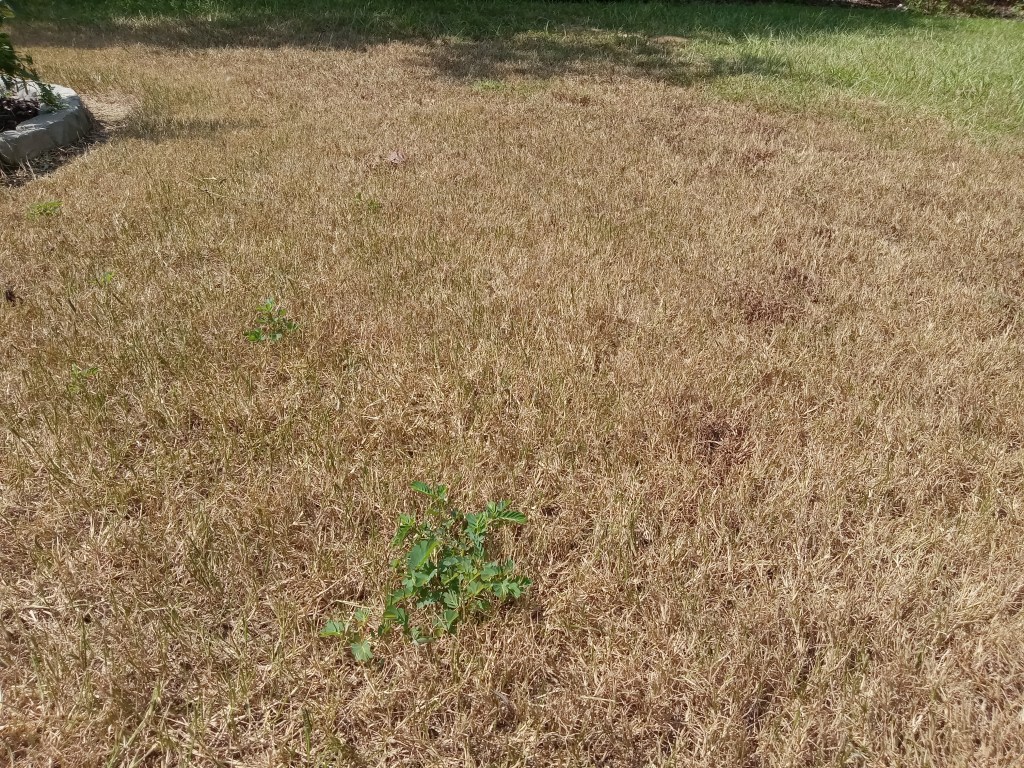
What is causing this lawn to turn brown even though it has received over 5 inches of rain so far this month? This lawn is infested with fall armyworms (Spodotera frugiperda). In just a few days, the armyworms ate all the leaf blades, leaving little more than just stems. While multiple species of warm season…
-
Question of the Week – Carolina Mantid
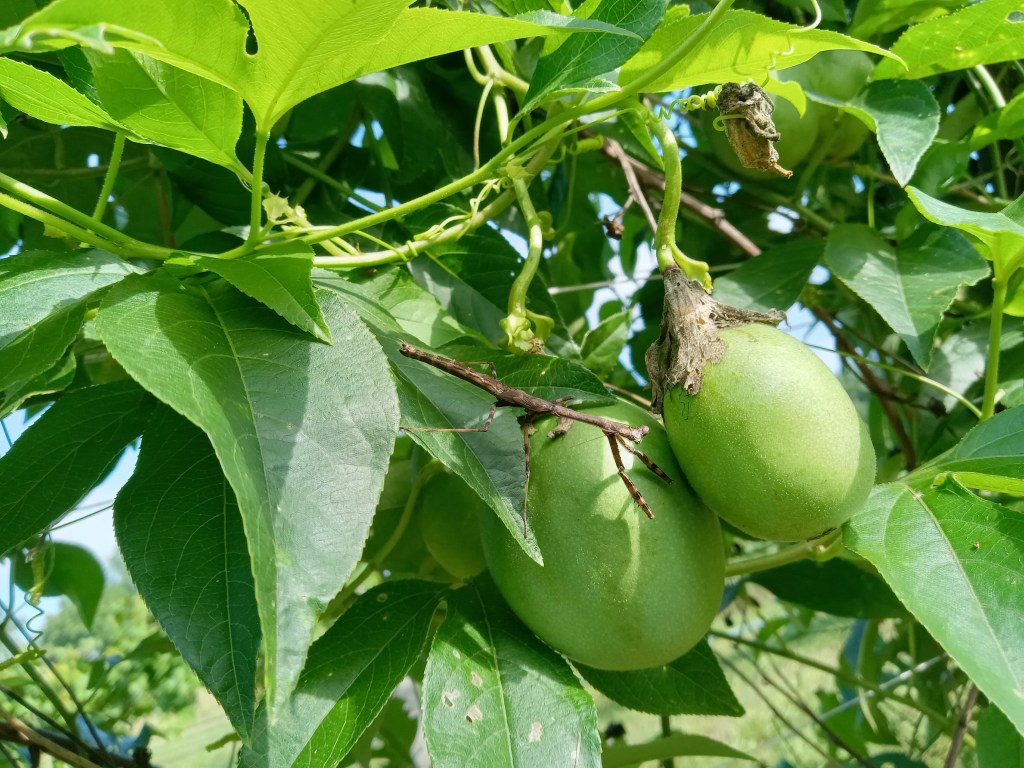
What insect is hiding in plain sight in this photo. The insect right in the middle of the photo that looks like a woody stem is a Carolina mantid (Stagmomantis carolina). The Carolina mantid is a native to South Carolina and is our official state insect. A few recognizable features of mantids include the long…
-
Question of the Week – Wood Boring Beetle
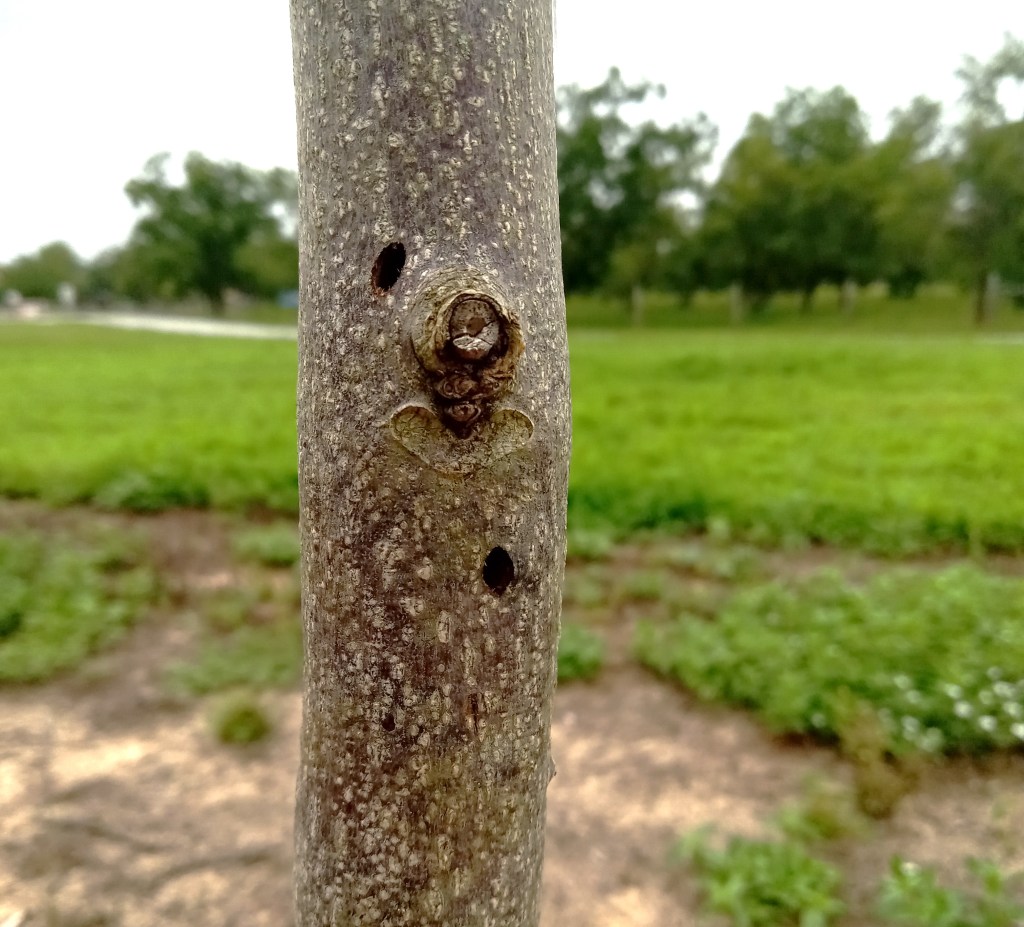
What caused the oval-shaped holes in this young pecan tree? These oval-shaped holes were created by a wood boring beetle from either the Buprestidae or Cerambycidae families. Without seeing the beetle or larvae, it is impossible to say which. These beetles commonly attack stressed trees. Eggs are usually laid in cracks or crevices in the…
-
Question of the Week – Kiwi

What kind of fruit is this? These little fuzzy fruit are kiwis of the genus Actinidia, and were found growing on a hobby farm on Johns Island, SC. Kiwi hails from the grasslands of China and Russia. We normally think about kiwi being an Australian or New Zealand crop, as most of the production occurs there,…
-
Question of the Week – Kudzu Bug
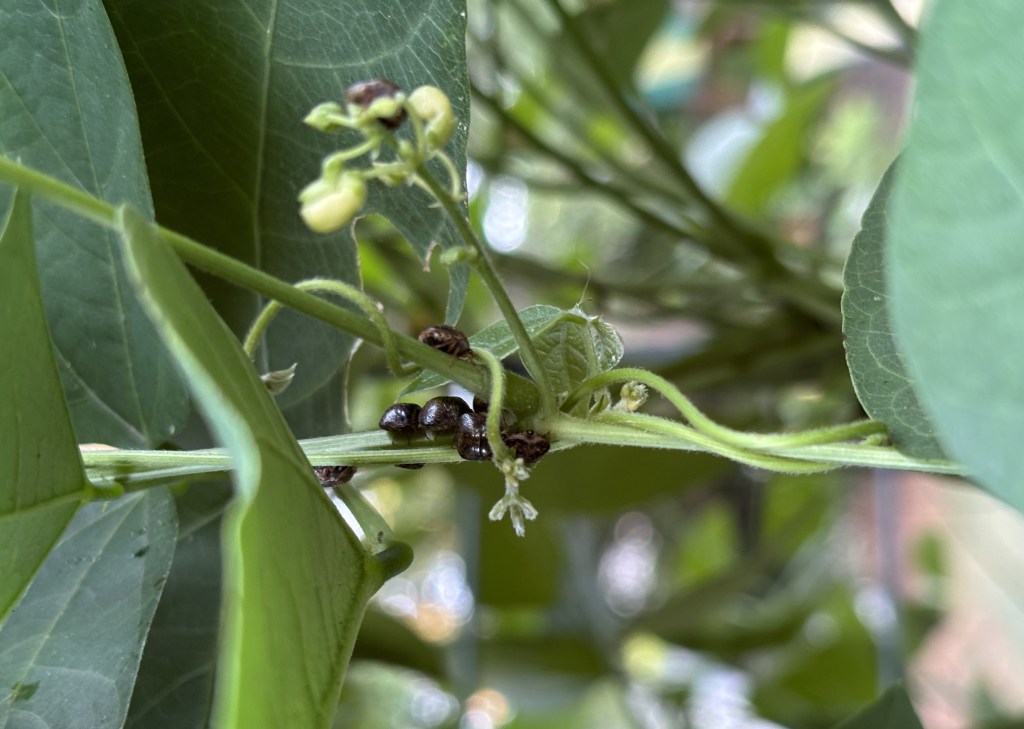
What are these insects on pole butterbeans? The insects pictured are bean plataspids, Megacopta cribraria (F.), commonly known as “kudzu bugs.” They are an invasive plant pest from Asia. First reported in the US in 2009 near Atlanta, GA, they are now found from Louisiana to Virginia and are reported from all counties in South…
-
Question of the Week – Planthopper

What left the fluffy, white deposit on this zinnia stem? This fluffy material was left by a flatid planthopper. Flatid planthoppers feed on a variety of ornamental plants. The ¼” long adults appear to be wedge shaped and laterally flattened when viewed from above. This appearance is created by their large, angular front wings which they…
-
Question of the Week – Spider Mites

What caused the stippling on this eggplant leaf? This damage was caused by two-spotted spider mites (Tetranychus urica). While spider mites are often included in discussions of insect management, they actually have 8 legs, making them more closely related to spiders. Typically, two-spotted spider mites can be found feeding on the underside of the leaves.…
-
Question of the Week – TSWV

What is going on with this Roma tomato? The tie-dye appearance of this tomato is due to it being infected by tomato spotted wilt virus (TSWV). TSWV is an important virus of tomato, pepper, eggplant, peanuts, tobacco, etc. that causes significant yield loss to affected plants. The virus is transmitted by thrips feeding. While TSWV…
-
Question of the Week – Rocky Shoals Spider Lily

What is this flower that was found growing on a rock in the middle of a river? This is is a rocky shoals spider lily (Hymenocallis coronaria). This species is endemic to the Southeast and grows only in swift, shallow water environments, making the Catawba and Broad Rivers in South Carolina ideal habitats. The population…
-
Question of the Week – Pink Lemonade Blueberry
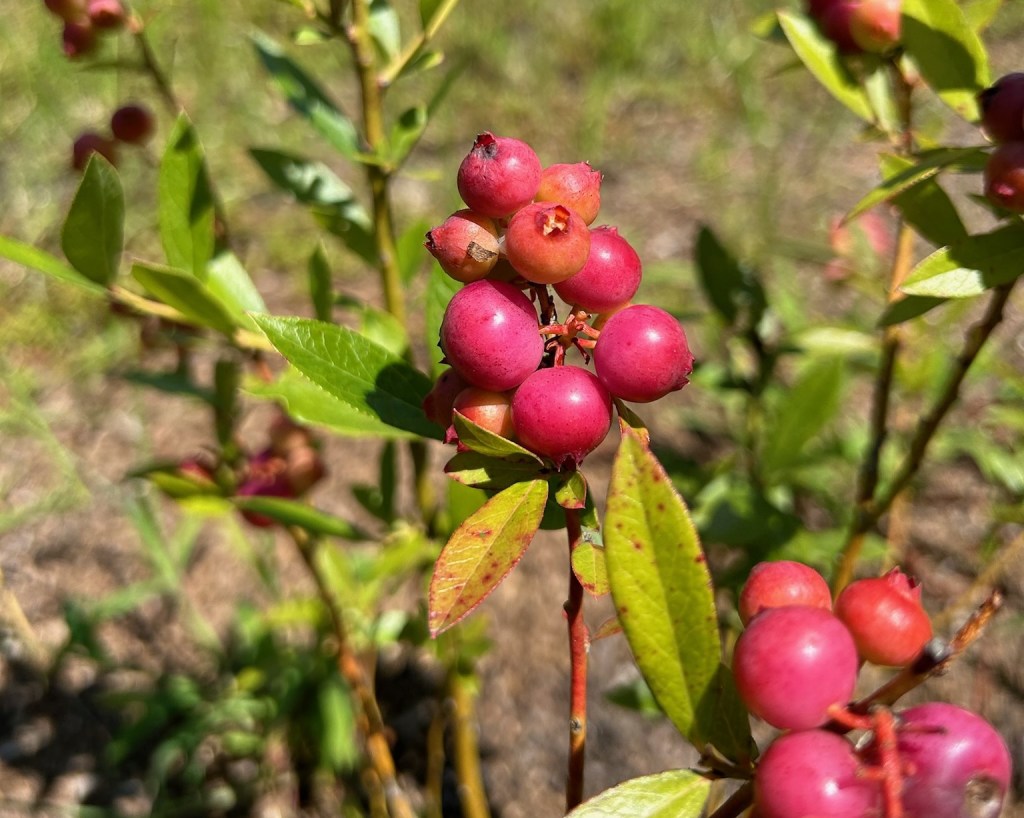
What is wrong with these blueberries? This week was a trick question. Nothing is wrong with these blueberries! This is a variety called Pink Lemonade that when fully ripe, has a deep pink color. I don’t know if its because they are pink, but I personally think they taste slightly different than a blue blueberry. To me,…
 The South Carolina Grower