Category: Question of the Week
-
Question of the Week – Boron or Pollination
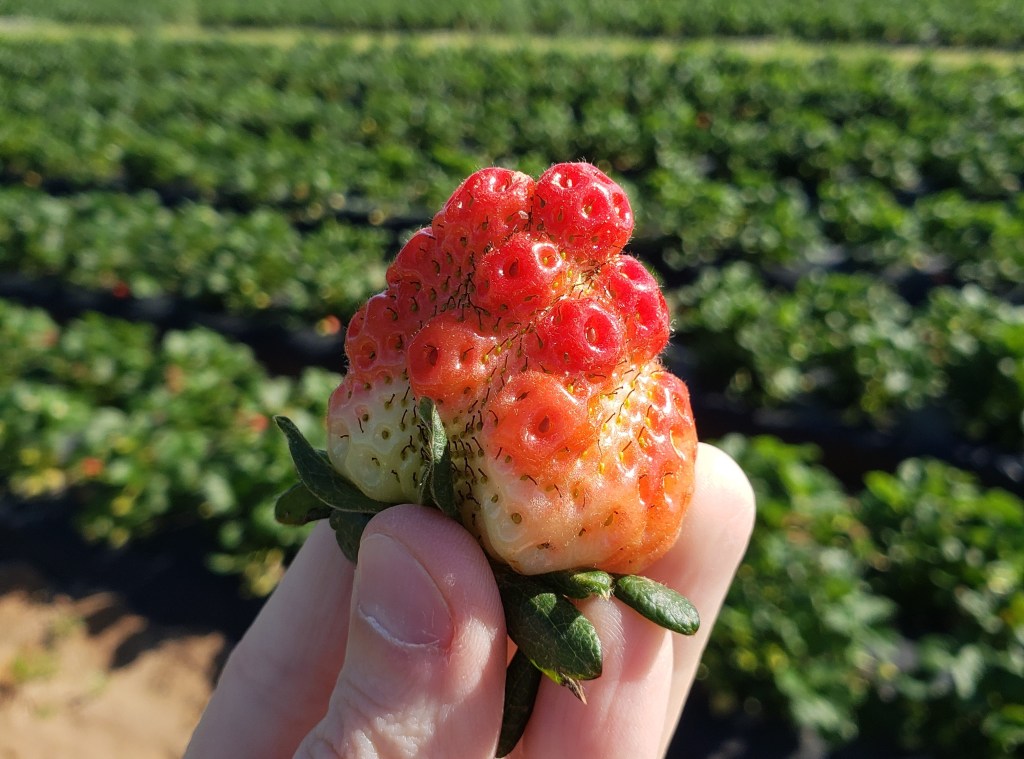
This week, the question was: What is wrong with this strawberry? This funky shape is the result of either poor pollination or a boron deficiency. The easiest way to distinguish the cause is by taking a tissue sample to look at nutrient levels in the plants. If misshaped berries are common across the whole field,…
-
Question of the Week – Virus
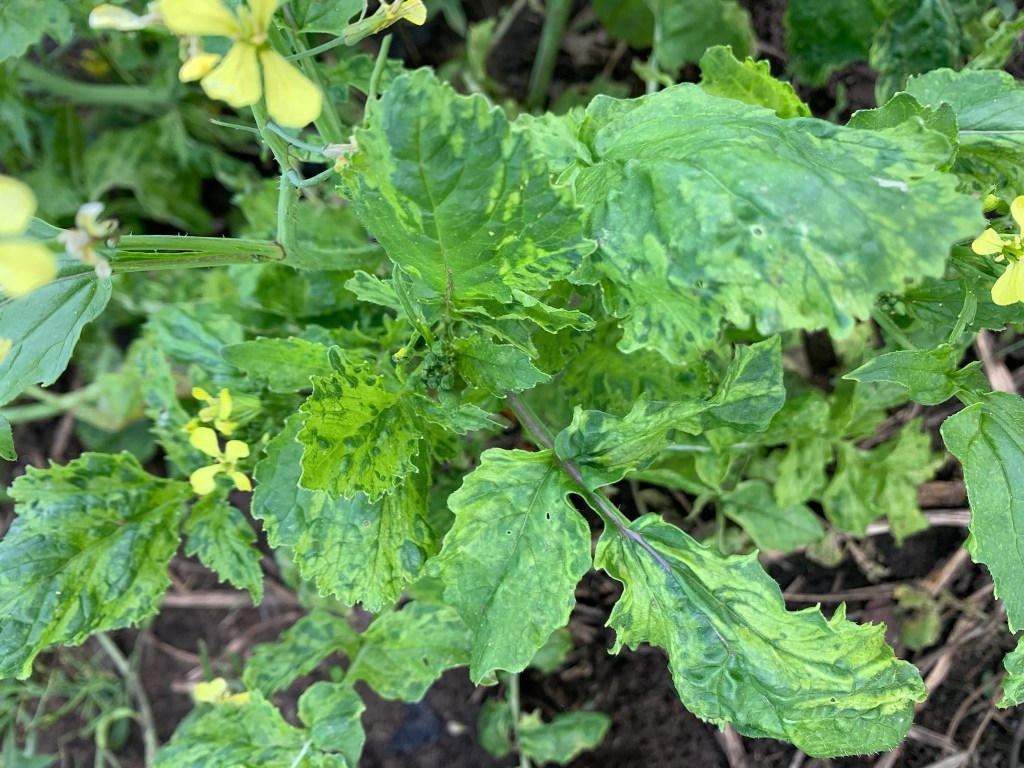
This week, the question was: What’s going on with this tie-dyed-looking wild mustard? This wild mustard is suffering from a virus. Numerous viruses affect plants in the brassica family and may be transmitted by aphids, flea beetles, cucumber beetles, or by seed. Viruses may cause a variety of symptoms including stunting, leaf distortion, mosaic patterns,…
-
Question of the Week – Cold Damage
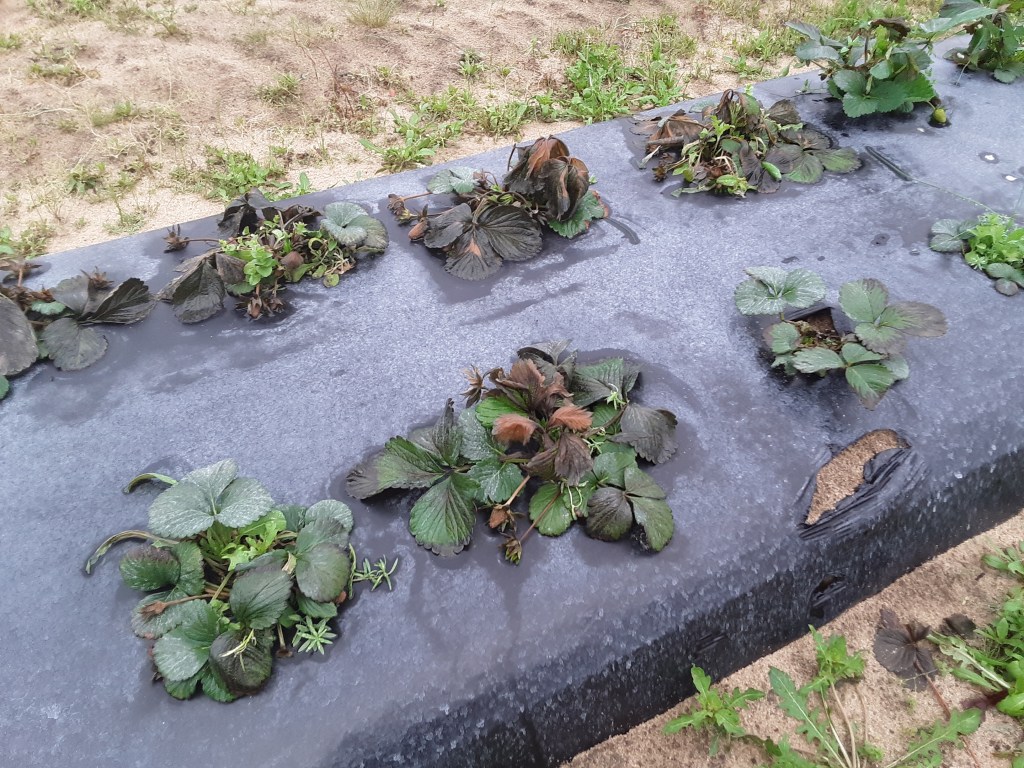
This week, the question was: What happened to these strawberry plants? This photo was taken just a couple days after the cold a few weeks ago. Weather stations near this field recorded a low of 22 degrees. These few plants were at the end of a row where the wind blew off the row cover.…
-
Question of the Week – Lady Beetle Pupa
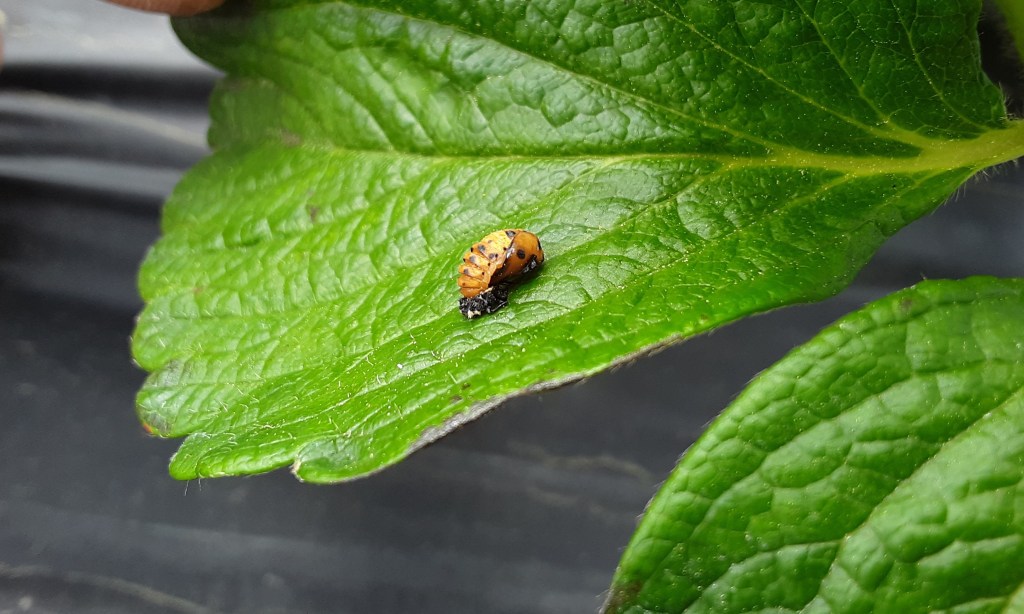
This week, the question was: What is this odd-looking critter on this strawberry leaf? This is a lady beetle pupa. A few weeks ago, in our question of the week, we saw lady beetle eggs. Since then, the eggs have hatched, the larvae have grown, and are now ready to become adults. The pupal stage…
-
Question of the Week – Cedar-Apple Rust
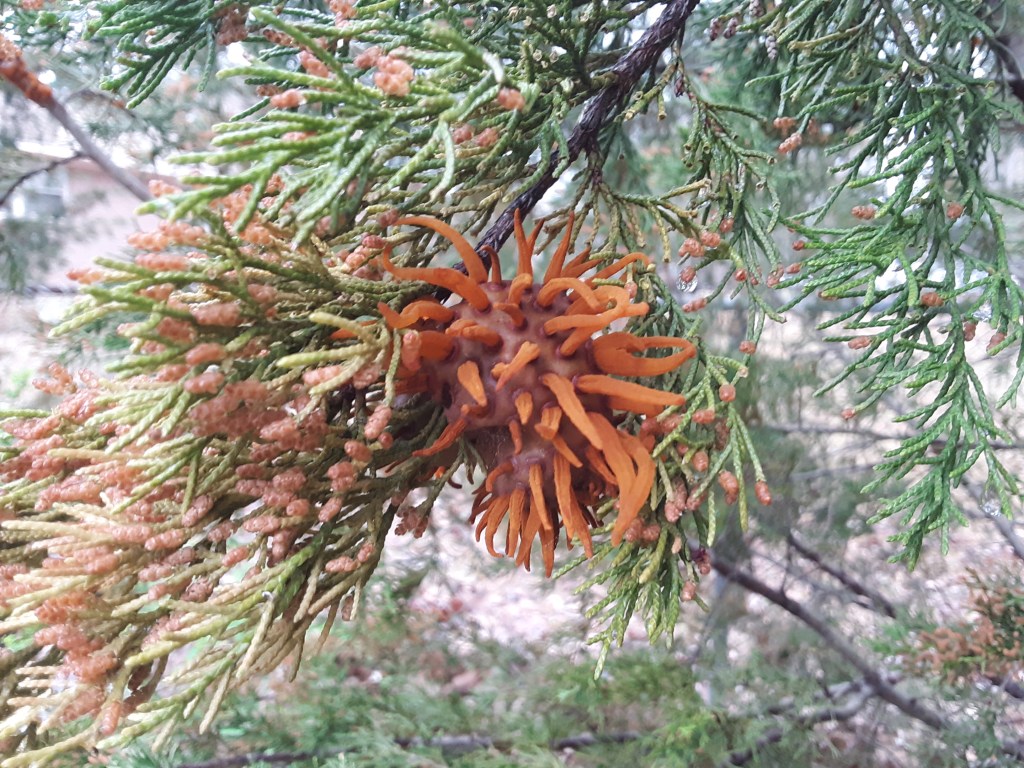
This week, the question was: What is growing on the branch of this cedar tree? This is a cedar-apple rust gall. These galls have been showing up in cedar trees over the last couple of weeks as the weather has been warm and rainy at times. Cedar-apple rust is caused by a type of fungus…
-
Question of the Week – Assassin Bug Nymph

This week, the question was: What is the little critter on these mint leaves? This is an assassin bug nymph (juvenile). Assassin bugs are beneficial, predatory insects. They have stout piercing/sucking mouthparts that they use to insert into their prey, inject digestive enzymes, and then suck out the bodily fluids. Most assassin bugs actively search…
-
Question of the Week – Parasitoid Wasp
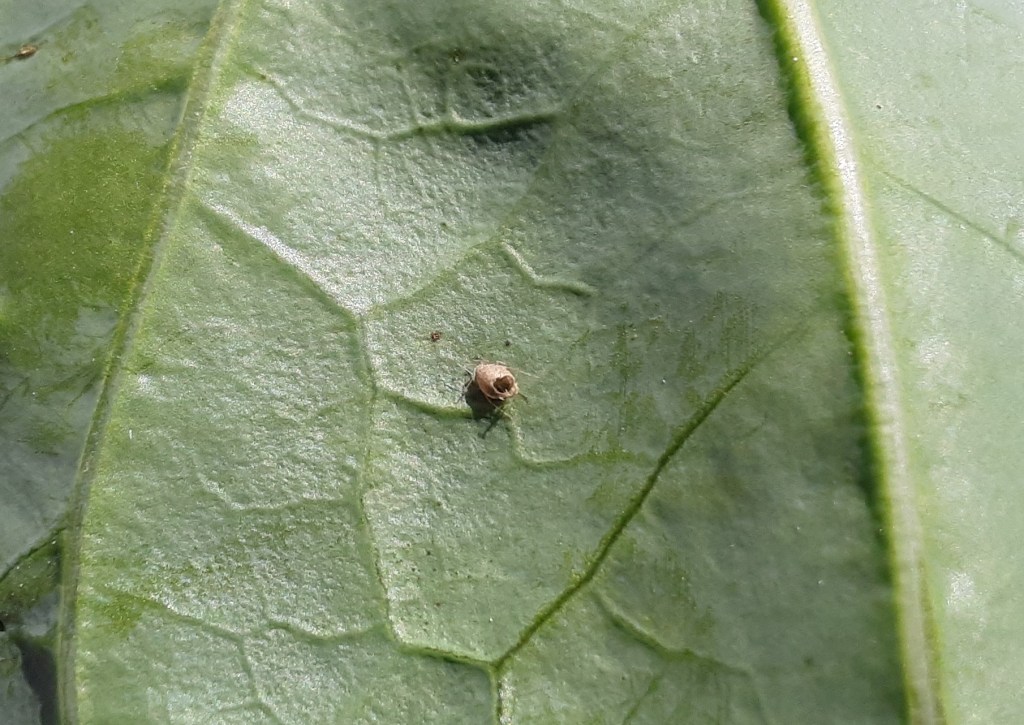
This week, the question was: Why is there a hole in the rear of this bloated-looking aphid? This aphid was parasitized by a tiny parasitic wasp. An egg was laid in the aphid by an adult female wasp using its ovipositor (stinger). Once the egg hatched, the wasp larva developed within the aphid, feeding on…
-
Question of the Week – Deer Damage
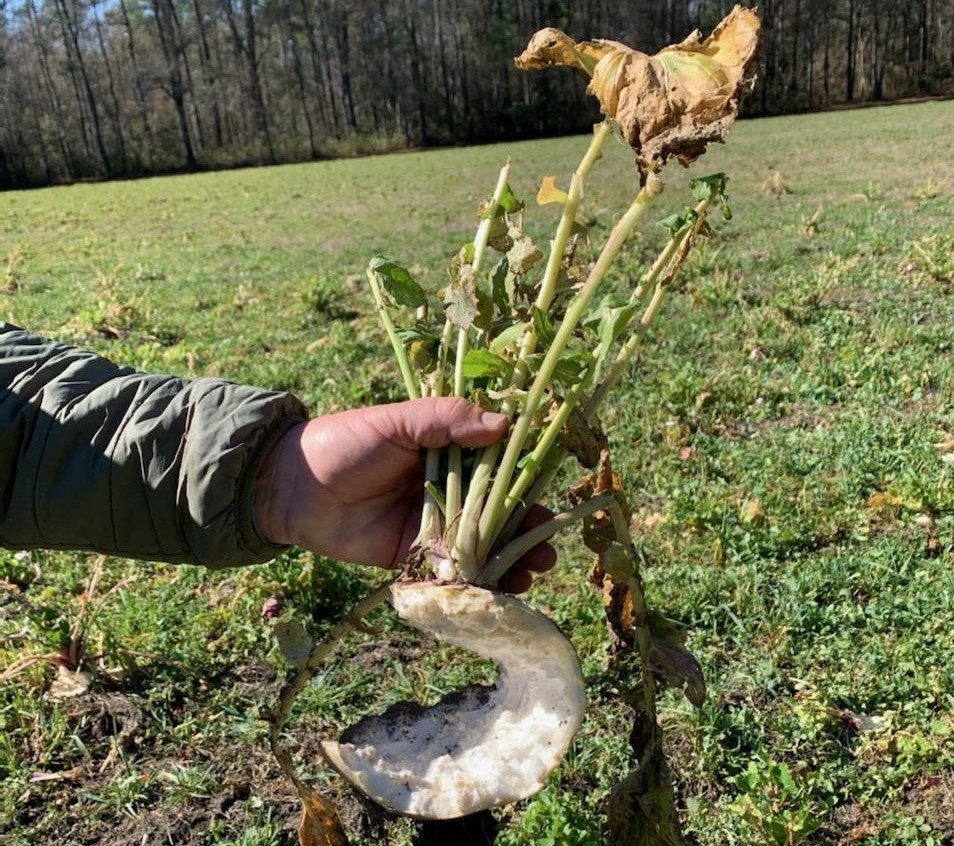
This week, the question was: What happened to this turnip? This turnip was eaten by a hungry deer (not Zack as was guessed in the comments). Deer feeding damage is a significant threat to yields in a number of produce and row crops. In addition, their presence in produce fields presents a risk to food…
-
Question of the Week – Sclerotinia White Mold
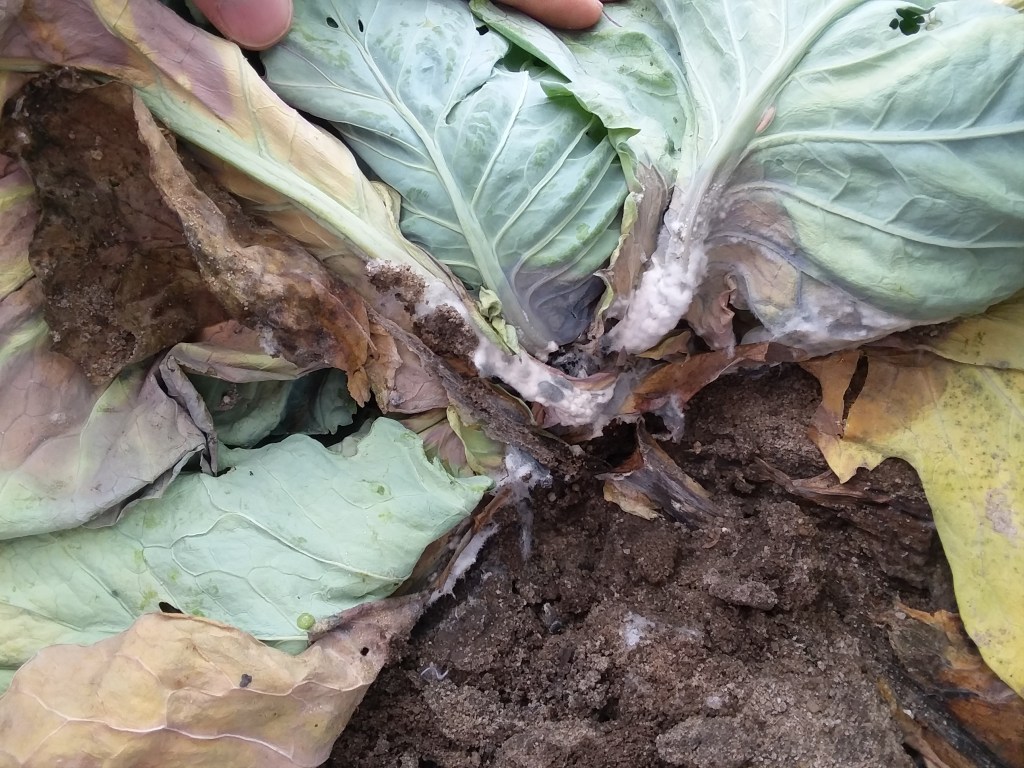
This week, the question was: What is wrong with the stem and lower petioles of this cabbage plant? This plant is suffering from Sclerotinia white mold (caused by the fungus Sclerotinia sclerotiorum), also called Sclerotinia stem rot. This disease is commonly observed this time of year as temperatures begin to warm up. It develops a…
-
Question of the Week – Grey Mold
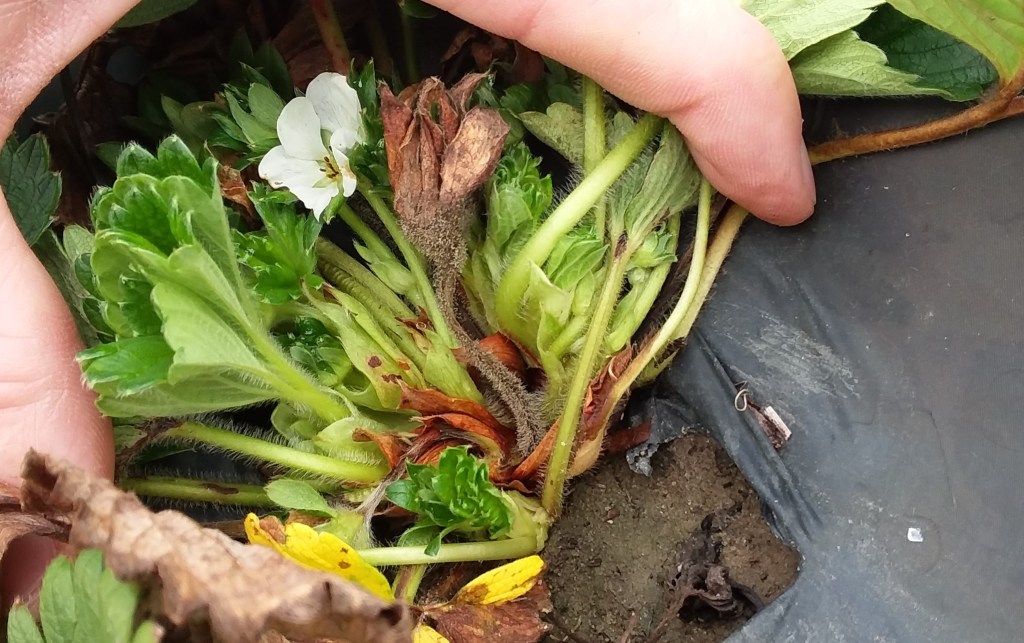
This week, the question was: What is the fuzzy, grey stuff developing on the dead bloom? This is grey mold (Botrytis cinerea), the number 1 threat to strawberry yields in the southeast. As the weather begins to warm, we will start to see grey mold in every strawberry field and growers need to have fungicides…
 The South Carolina Grower