Tag: Brassicas
-
South Carolina Field Update (November 9, 2026): Say Goodbye to Warm-Season Crops
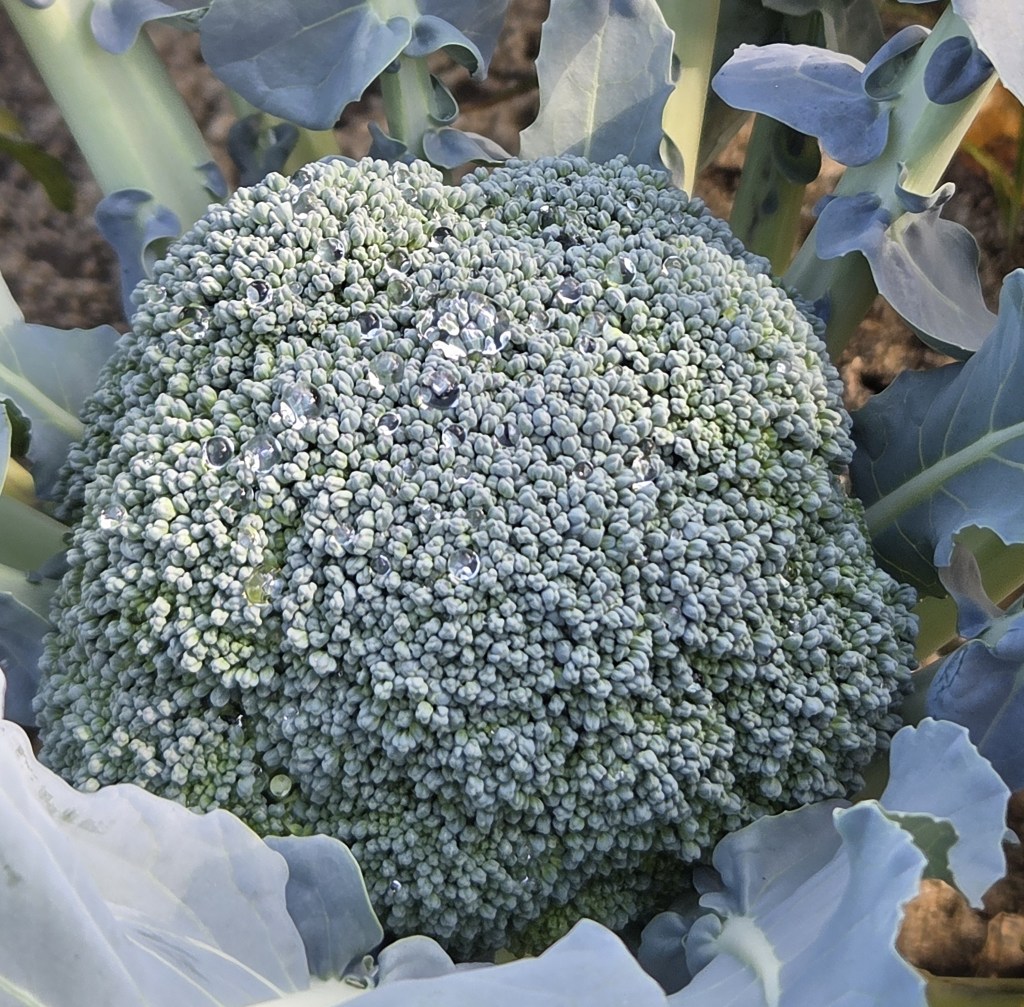
The weather will cool down to near freezing in some areas towards the end of the week. We’re likely looking at the end of the warm-season crops. Fall crops are looking great with less insect and disease pressure than we’re used to. Key Takeaways for Growers This Week Freezing temps may occur late this week…
-
South Carolina Field Update (November 2, 2026): Fall Weather Slows Warm-Season Crops
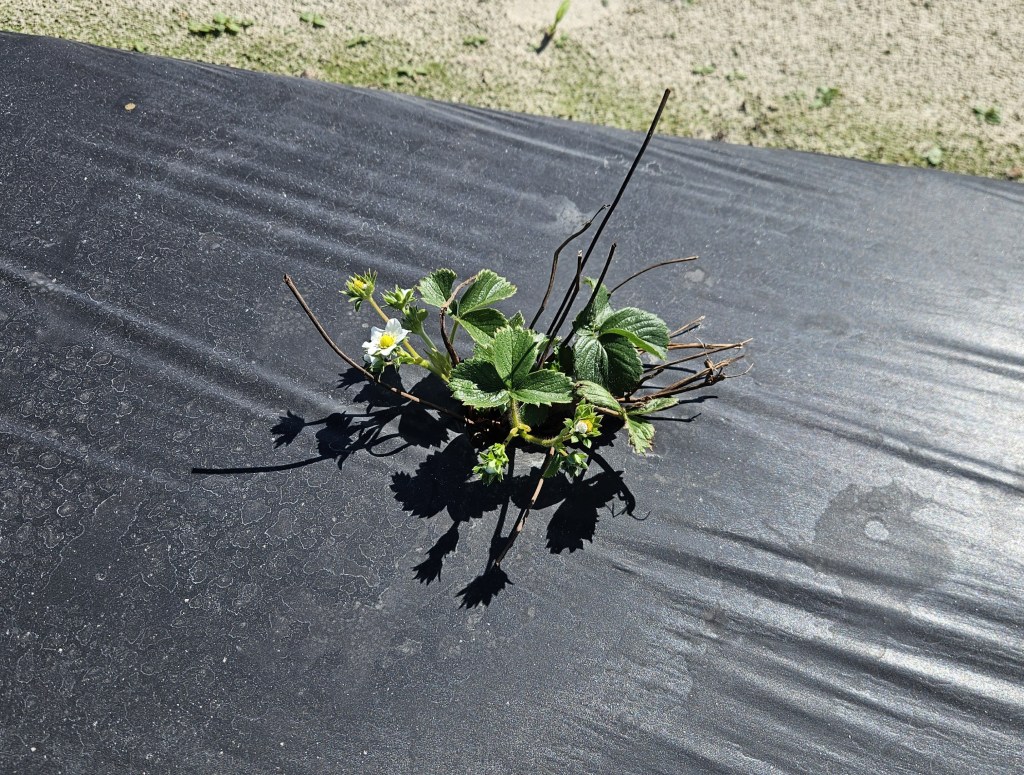
Strawberry planting has largely wrapped up, and some day-neutral varieties are beginning to set fruit. The recent cooler weather has slowed down some of our fall crops. There is a chance of rain in the forecast, and we desperately need it. Key Takeaways for Growers This Week Strawberry planting is wrapping up – Continue overhead…
-
South Carolina Field Update (October 26, 2026): Strawberry Planting Continues
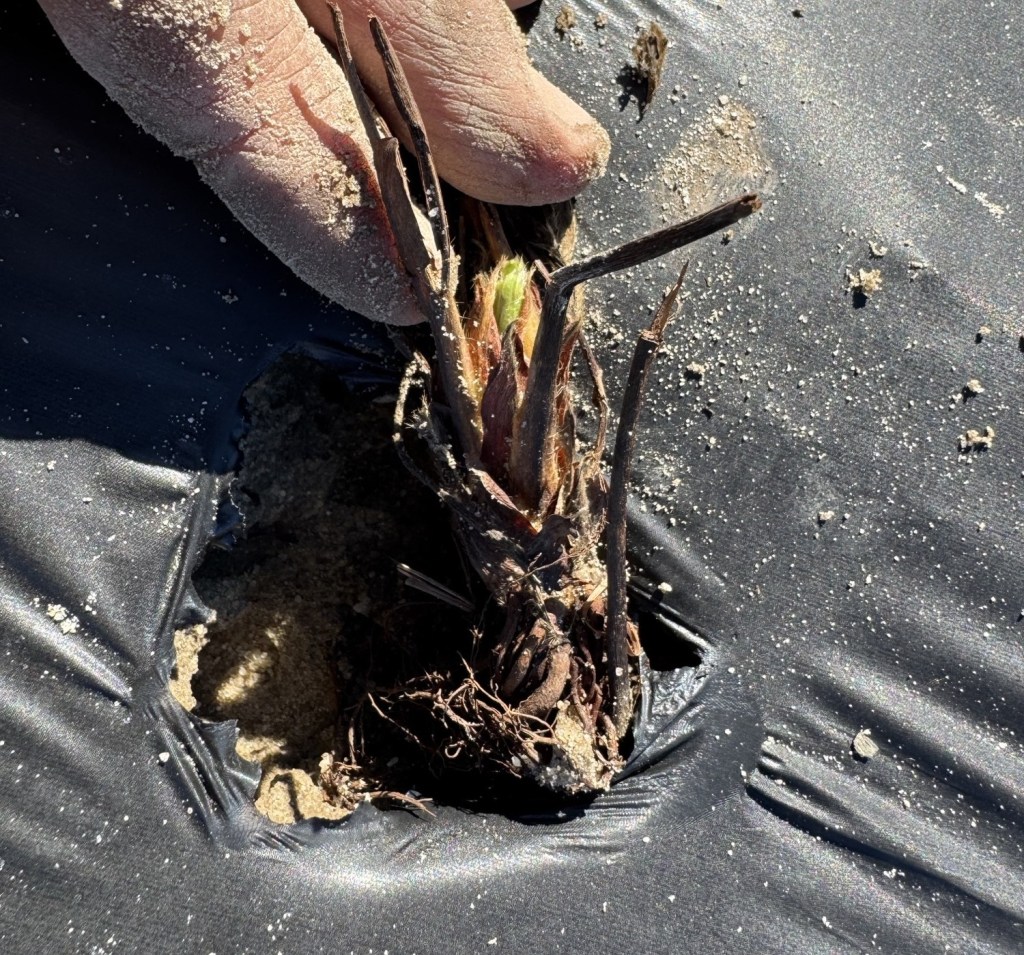
Strawberry planting continued last week and should start to wrap up this week. The weather so far has been great for planting, though growers should be cautious about plants drying out since we don’t have much moisture in the forecast. Other fall crops are looking great. Key Takeaways for Growers This Week Strawberry planting continues…
-
Question of the Week – Harlequin Bug
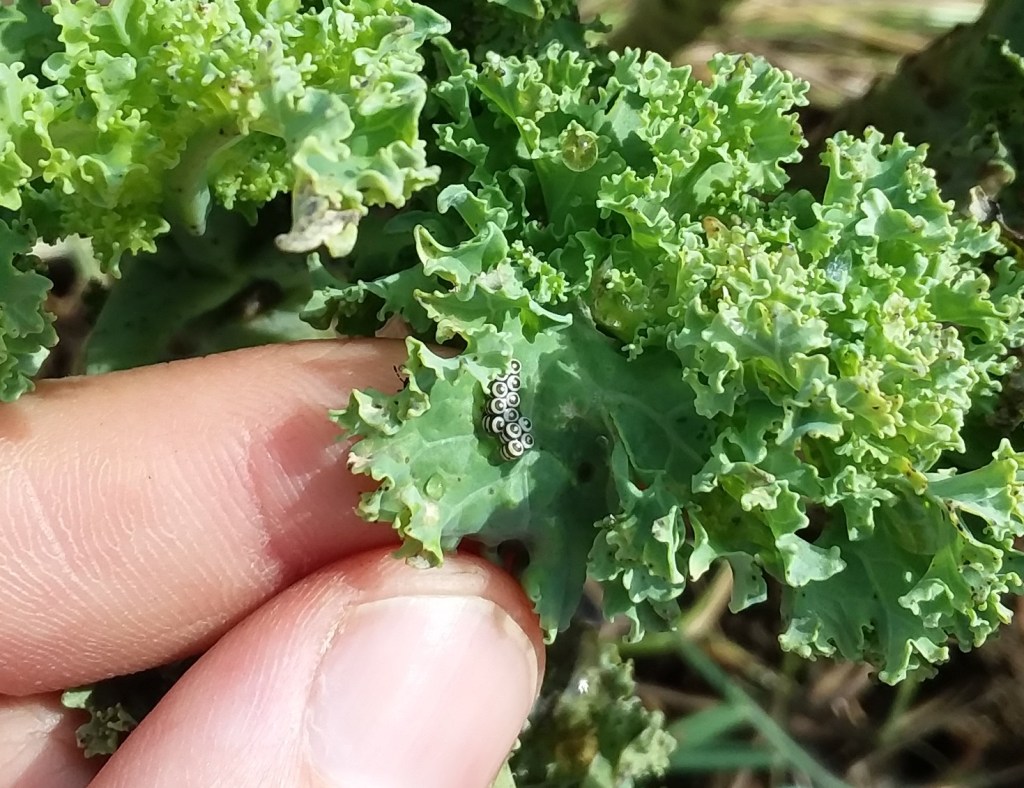
Which insect laid these black and white barrel-shaped eggs? These are the eggs of a harlequin bug (Murgantia histrionica). Harlequin bugs are members of the stink bug family that feed primarily on brassicas, such as collards, kale, cabbage, and broccoli, as well as weeds like wild mustard, bittercress, pepperweed, and shepherdspurse. Like the eggs, adults…
-
South Carolina Field Update (October 19, 2026): Fall, is that you?
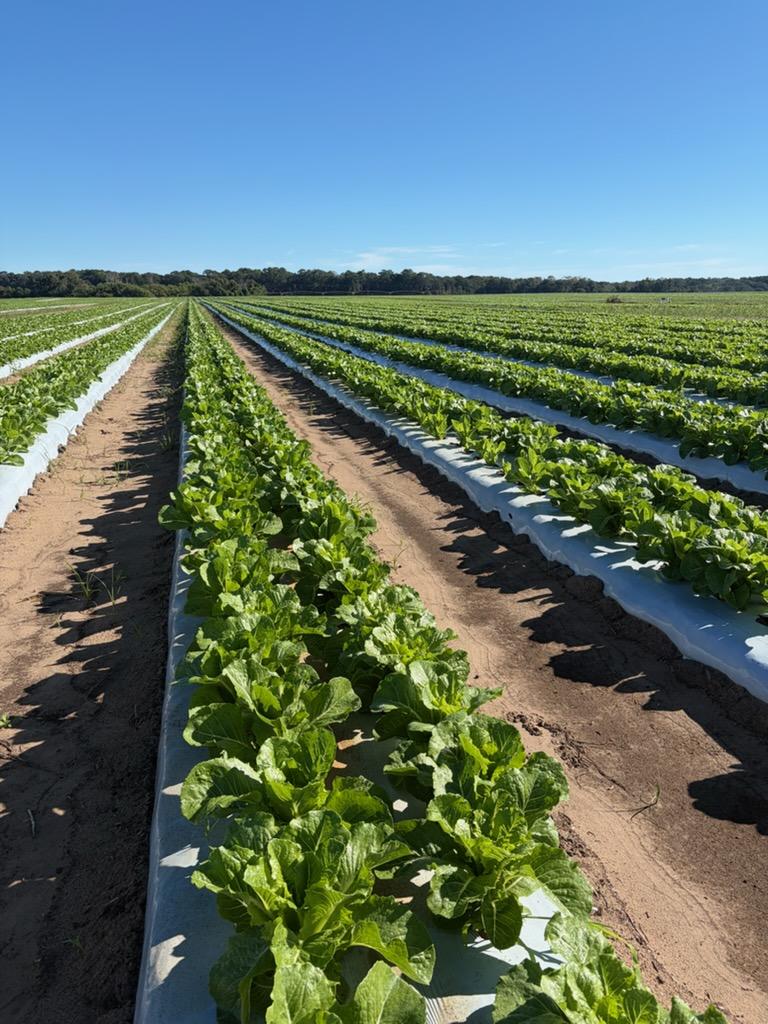
Cooler temperatures have arrived and the break from the heat is welcomed. Armyworms and fire ants are on the rise so keep an eye out for pests and act quickly if you find either in your fields. New training resources for strawberry planting crews were published recently, including English and Spanish-language planting videos. Key Takeaways…
-
South Carolina Field Update (October 12, 2026): Hurricane Isaias Brings Rain As Strawberry Planting Begins
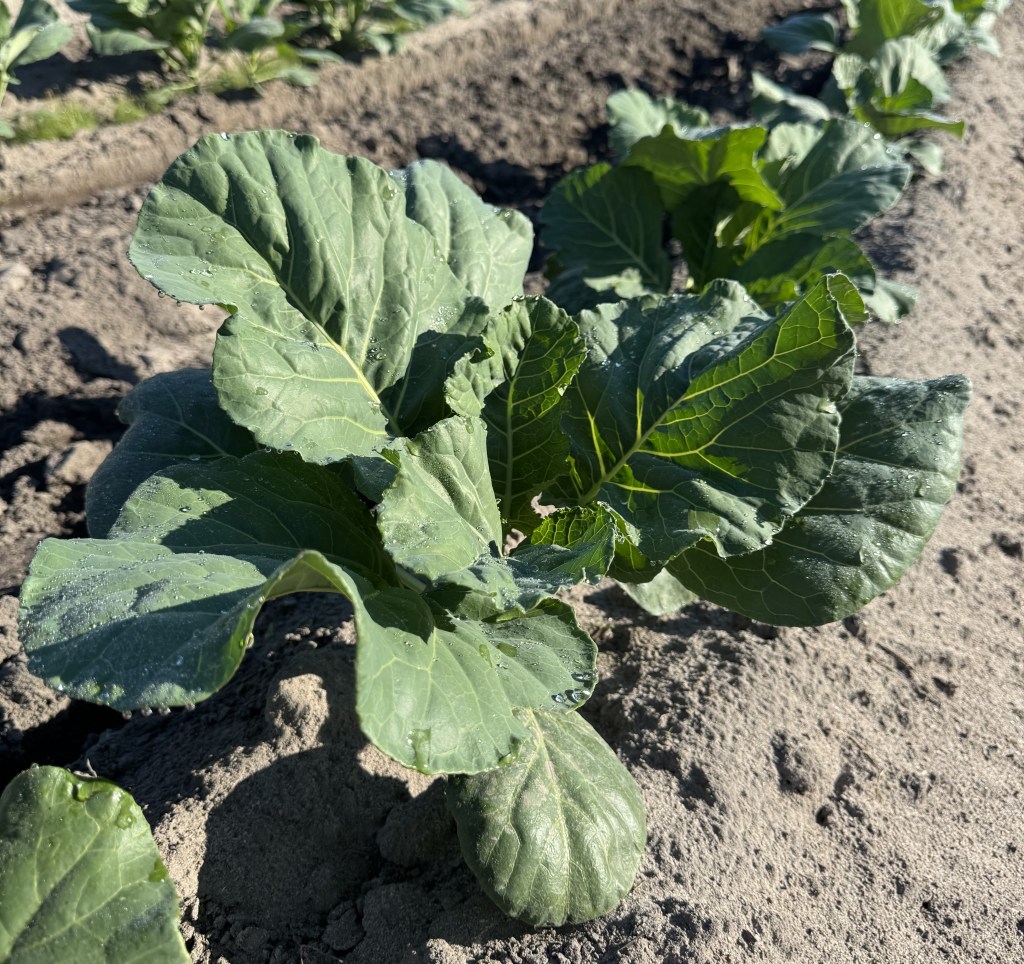
Hurricane Isaias brought some steady rain over the weekend. As a result, keep an eye on disease pressure in fall crops. Strawberry planting has begun in places. New training resources for strawberry planting crews were published recently, including English and Spanish-language planting videos. Key Takeaways for Growers This Week New strawberry planting training resources available…
-
South Carolina Field Update (October 5, 2026): Fall Weather Brings Fall Harvests
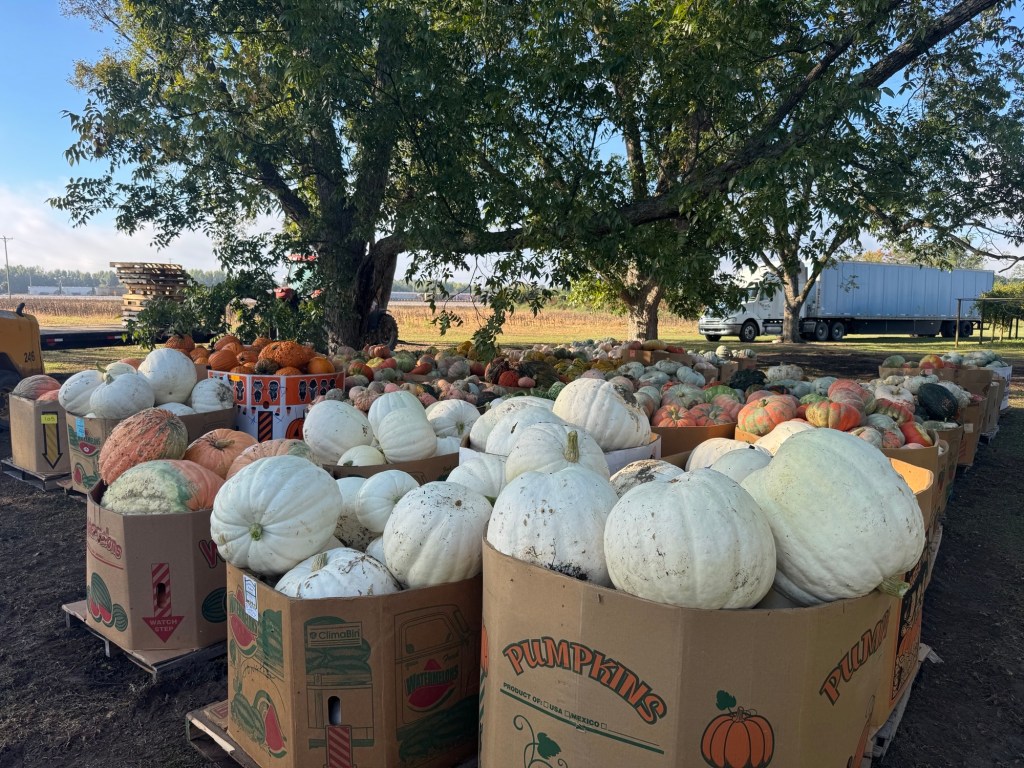
Though we didn’t receive as much rain as we expected over the weekend, the cooler weather has been a treat. Fall harvests of pumpkins, sweetpotatoes, squash, brassicas, and peppers are looking good. Diseases have been picking up in places on brassicas and cucurbits. New training resources for strawberry planting crews were published last week, including…
-
Updated Fungicide Recommendations to Manage Alternaria Leaf Spot (Black Spot) on Brassicas
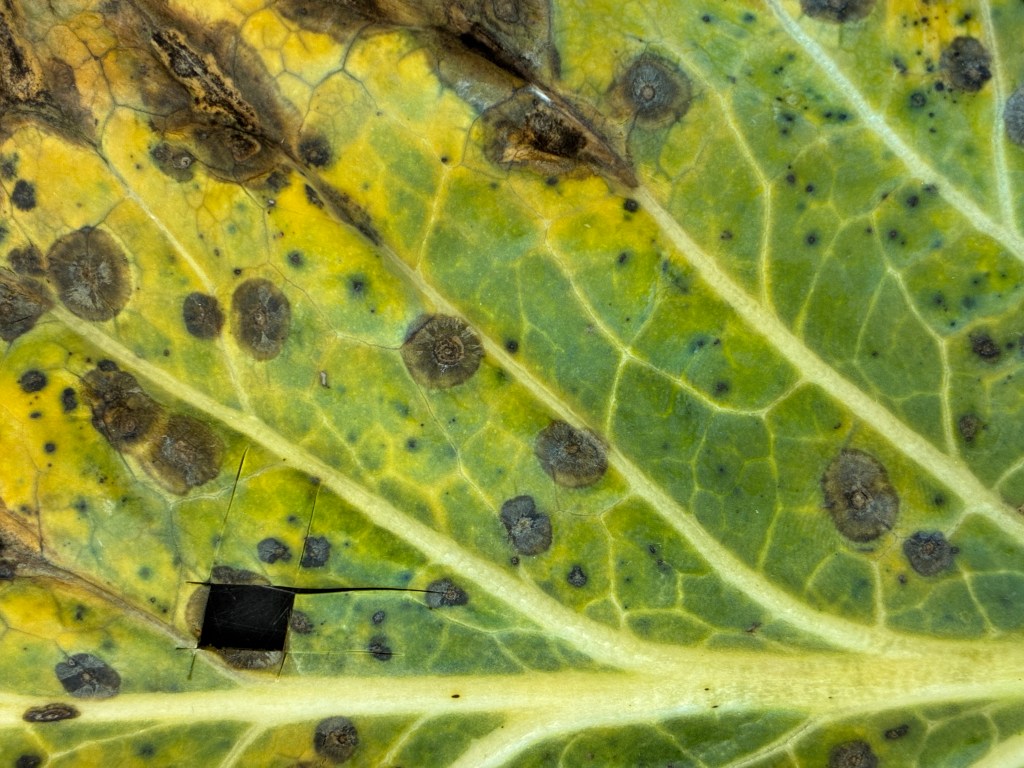
By Tony Keinath, Clemson Plant Pathologist Despite some unusually cold weather in January and February, Alternaria black spot is active on overwintered brassicas. Although the brassica Alternaria fungus (Alternaria brassicicola) present in South Carolina supposedly prefers warm temperatures, I doubt that old information is accurate today. Growers should be on the lookout for tan to…
-
Weekly Field Update – 1/20/26
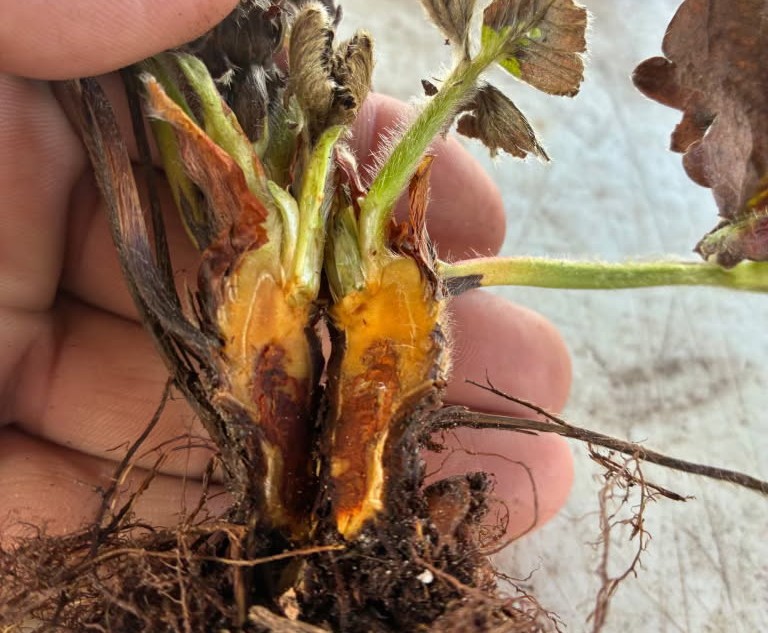
Welcome back to the SC Grower! This is our first update of 2026, and we’re looking forward to a great year. After some warm weather, temperatures will be cooler for the next week. Strawberries are developing well with various insect and disease issues around. Continue to scout regularly even though we’re in the middle of…
-
Weekly Field Update – 12/1/25

This will be our final update of 2025. We hope every one has a safe and happy holiday season and we’ll see you back in 2026! The state remains dry, though there is some rain in the forecast for this week. Strawberries are growing slow in places and have growers thinking about covering to accumulate…

